🇺🇸 Magic in the United States
328 entries from the United States, best known first, across 80 places of magic.
Hoodoo is a spiritual system shaped by West and Central African traditions, Indigenous plant knowledge, and European written guides. Practitioners view it as a companion to established faiths rather than a standalone religion. It weaves ancestor reverence, herbal healing, and protective charms into daily life alongside Protestant, Catholic, and Muslim beliefs.
- First English record of the term appeared in eighteen seventy.
- Practitioners mix Kongo star charts with local plant gathering.
- Hidden gatherings used overturned pots to muffle prayer sounds.
- Cemetery soil was packed into cloth bags for ancestral aid.
Overview
This tradition blends African cosmologies with local plant lore and European occult manuals. Enslaved communities merged Kongo star charts, water spirit veneration, and sacred bundles with Native American herb gathering. The practice centers on honoring departed relatives, seeking fairness, and using botanical preparations for wellness and safety. While some researchers classify it as its own faith, most followers treat it as a flexible layer added to Christianity, Islam, or traditional African paths. Neighboring Caribbean and Southern folk systems share similar charm making and spirit communication methods, though each community adapted the techniques to local plants and colonial pressures.
Practices and beliefs
Followers rely on small cloth pouches filled with roots, stones, and cemetery soil to draw ancestral strength. These containers are called mojo bags or gris-gris, a Mande term for protective charms. Specialists offer fortune telling and advice based on observed signs. Water spirits known as Simbi, believed to guard freshwater sources, are asked for guidance near rivers and springs. Herbal teas and ointments prepared from local leaves serve as everyday remedies. Protective symbols are drawn on doorframes or carried in pockets to ward off harm and attract good fortune.
Rites and charms
Gatherings often occur in hidden forest clearings or private rooms to avoid outside attention. Participants move around a central vessel while chanting low voices. Offerings include food and animal remains placed near household thresholds. Anointing rituals involve rubbing prepared oils onto skin or clothing before travel or difficult tasks. Quiet prayers are sometimes whispered beneath overturned clay pots to muffle sound. These customs focus on maintaining balance between the living and those who have passed, ensuring community safety and personal resilience.
Who practises
Specialists use titles such as rootworker or conjure doctor. They typically earn their role through apprenticeship, dream visions, or family lineage rather than formal schooling. Communities seek them out for healing, conflict resolution, and protection against unfair treatment. White and Black patrons alike visited these experts for fortune telling and charm crafting. Their knowledge was viewed as powerful enough to shift social hierarchies, which made them targets for suspicion and legal scrutiny under strict colonial rules.
Regions and communities
Coastal island groups maintained open practice due to relative isolation and preserved older African rhythms. River valley communities operated in tight secrecy because harsh assembly laws forced gatherings underground. Northern cities saw practitioners offer public services to diverse clients across racial lines. Plantation districts relied on discreet home rituals and quiet woodland meetings. Each area adjusted ingredient lists and ritual pacing to match local flora, weather patterns, and the specific pressures imposed by nearby authorities.
The facts in this overview come from the Wikipedia article "Hoodoo (spirituality)", written by its contributors and used under the CC BY-SA 4.0 licence. EveryJaadu rewrote the text in its own words, with AI assistance, and compares every page with the article to make sure no passage is copied. It may be reused under the same CC BY-SA 4.0 licence with a link back.
Places of magic in the United States
 🇬🇧 United Kingdom and 3 moreJet
A black gemstone carved into amulets and mourning jewelry for millenniaCharm · Protection · Power and authority Historical
 🇺🇸 United States and 5 moreFriday the 13th
A Western superstition that a specific calendar combination brings misfortuneBelief · Cursing and harm Living
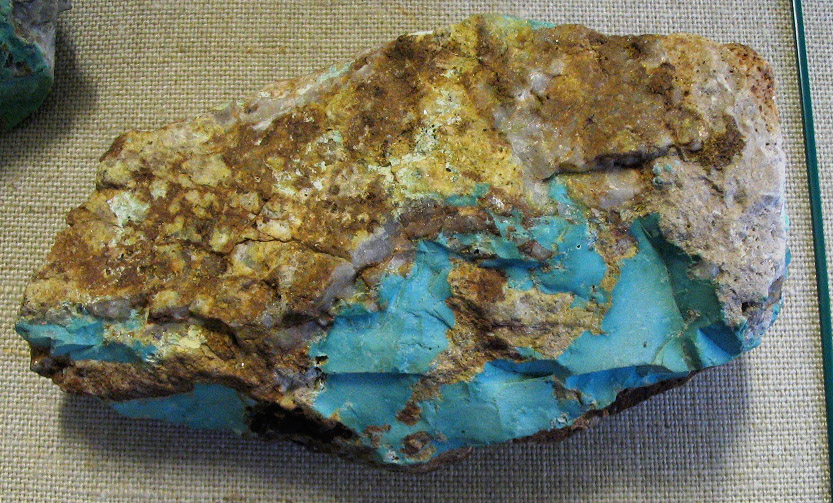 🇮🇷 Iran and 5 moreTurquoise
An opaque blue-green gemstone prized for its color since ancient timesSubstance · Protection · Luck and prosperity Living
 🇮🇪 Ireland and 4 moreCairncarn
A human-made pile of stones used as a marker, memorial, or ritual object across many cultures.Tradition · Protection · Speaking with spirits and the dead Living
 🇺🇸 United States and 1 moreGroundhog DayGrund'sau dåk
A February forecast based on whether a groundhog sees its shadowBelief · Seeing and foretelling Living
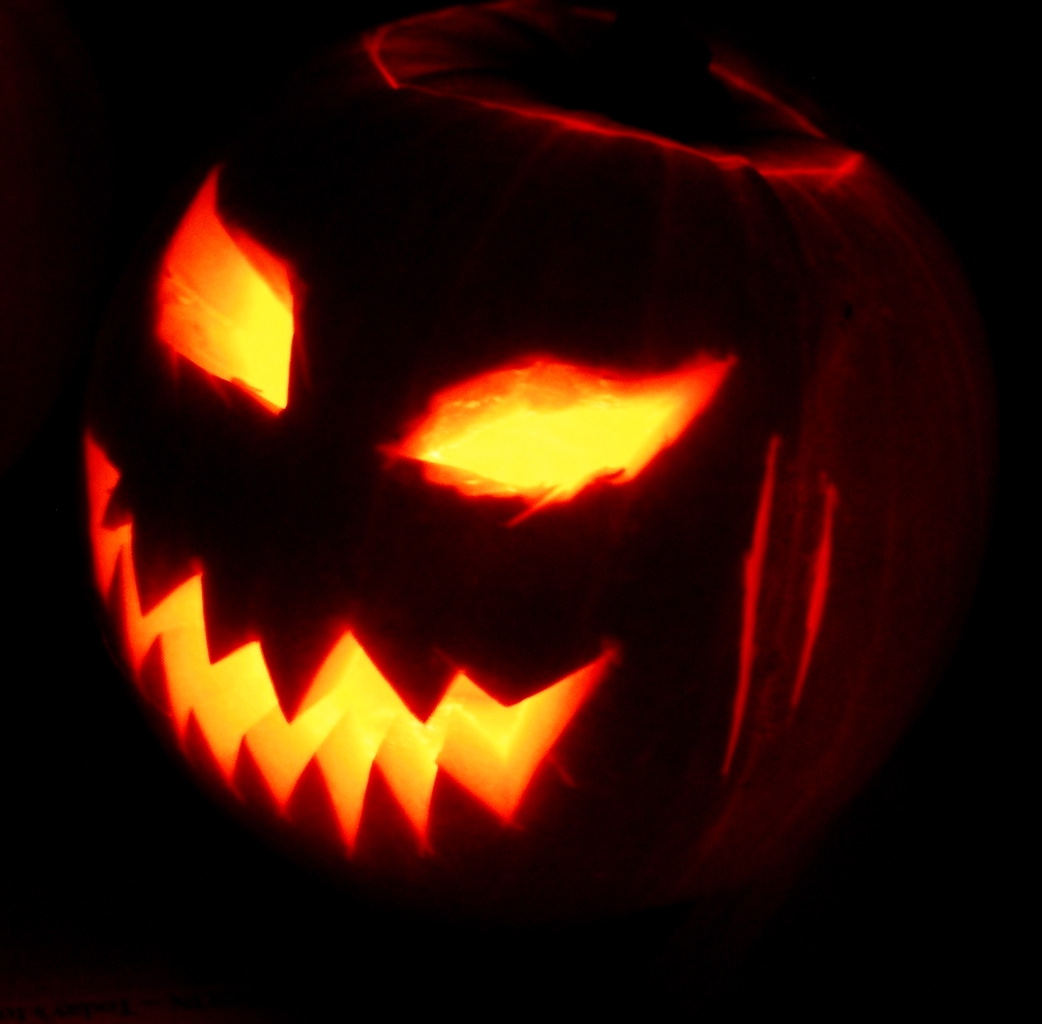 🇮🇪 Ireland and 5 moreHalloween
A Christian vigil on 31 October for the dead, now marked by costumes and carved vegetablesRite · Speaking with spirits and the dead · Protection Living
 🇬🇧 United Kingdom and 2 moreWitch bottle
A container filled with personal items and sharp objects to trap harmful magicCharm · Protection · Cursing and harm Historical
 🇬🇷 Greece and 5 moreCrossroads (folklore)
A junction between worlds where spirits are met and deals are madeBelief · Speaking with spirits and the dead · Cursing and harm Living
 🇺🇸 United States and 5 moreFlorida Water
A citrus perfume used in spiritual cleansing and folk healing across the Americas.Substance · Protection · Cleansing and purification Living
 🇧🇷 Brazil and 5 moreAmethyst
A violet quartz variety historically believed to guard against drunkenness and used in ritual jewelry.Substance · Protection · Power and authority Living
 🇨🇺 Cuba and 4 moreSanteríaRegla de Ocha
An Afro-Cuban religion blending Yoruba spirits with Catholic saintsTradition · Protection · Healing Living
 🇲🇽 Mexico and 5 moreDay of the DeadDía de los Muertos
A Mexican holiday honoring the dead with altars, food, and humor during Allhallowtide.Tradition · Speaking with spirits and the dead · Luck and prosperity Living
 🇲🇽 Mexico and 2 moreAlebrije
Brightly painted Mexican sculptures of fantastical creatures, made from paper or woodTradition · Protection · Wonder and entertainment Living
🇬🇧 United Kingdom and 1 moreKnocker
A mine spirit of Cornwall and Devon that warns of danger and plays tricks on workersBeing · Protection · Luck and prosperity Historical
 🇭🇹 Haiti and 2 moreLwa
Spirits in Haitian Vodou that mediate between people and the creator god.Being · Protection · Healing Living
 🇧🇷 Brazil and 5 moreSanto Daime
A Brazilian syncretic religion using ayahuasca for spiritual work and healingTradition · Healing · Speaking with spirits and the dead Living
 🇬🇧 United Kingdom and 2 moreBeating the bounds
A ceremonial walk along parish or town borders to reaffirm boundaries and community memory.Rite · Protection · Speaking with spirits and the dead Living
 🇬🇧 United Kingdom and 5 moreConcealed shoes
Shoes hidden in building structures as folk charms for protection and fertilityCharm · Protection · Speaking with spirits and the dead Historical
 🇹🇴 Tonga and 5 moreTabootapu
A cultural prohibition that marks something as forbidden or sacredBelief · Protection · Speaking with spirits and the dead Living
 🇺🇸 United States and 1 moreOjibwe religion
The traditional spiritual practices of the Ojibwe people of North AmericaTradition · Healing · Luck and prosperity Living
 🇺🇸 United States and 2 moreSéance
A gathering to communicate with spirits, ranging from religious services to stage performances.Rite · Speaking with spirits and the dead · Healing Living
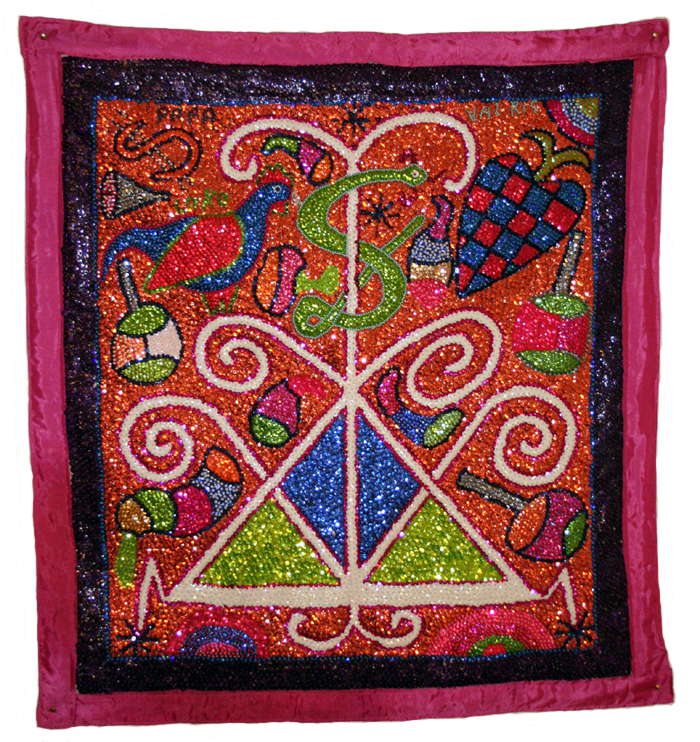 🇭🇹 Haiti and 2 moreHaitian VodouVodou
An Afro-Haitian religion blending West African traditions with Catholicism and FreemasonryTradition · Protection · Healing Living
 🇺🇸 United States and 4 moreRainmaking
Efforts to induce rain through technology, ritual, or prayer.Tradition · Protection · Healing Living
 🇺🇸 United StatesGhost DanceNanissaanah
A circular movement seeking spiritual renewal and reunion with ancestorsRite · Speaking with spirits and the dead · Change and initiation Living
🇮🇪 Ireland and 2 moreJack-o'-lantern
A hollowed vegetable carved with a face and lit from within, worn as a Halloween symbolCharm · Protection · Wonder and entertainment Living
 🇸🇦 Saudi Arabia and 1 moreDhikrذِكْر
Islamic remembrance of God through repeated recitation and prayerRite · Speaking with spirits and the dead · Power and authority Living
 🇳🇬 Nigeria and 5 moreEleguaÈṣù-Ẹlẹ́gbára
A Yoruba deity of crossroads and messenger who opens all spiritual pathsBeing · Protection · Speaking with spirits and the dead Living
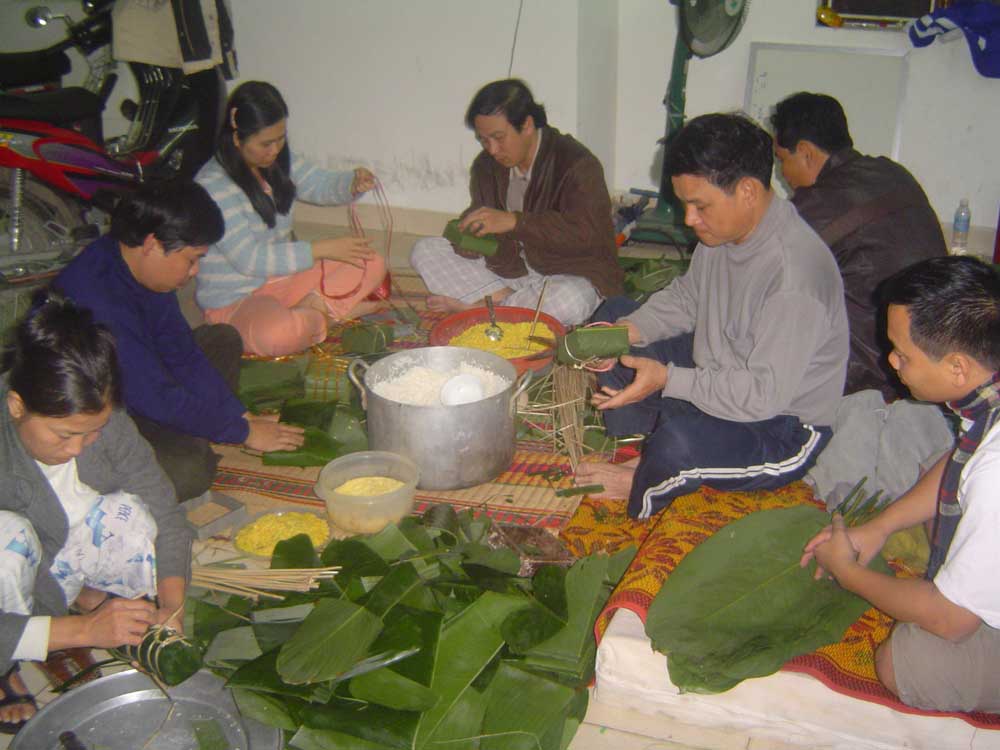 🇻🇳 Vietnam and 5 moreTếtTết Nguyên Đán
The Vietnamese lunisolar new year and the most important annual celebration in VietnamTradition · Luck and prosperity · Speaking with spirits and the dead Living
 🇸🇳 Senegal and 5 morePentagramπεντάγραμμον
A five-pointed star figure used across history for protection, ritual, and cosmologyCharm · Protection · Binding and oaths Living
 🇯🇵 Japan and 3 moreManeki-neko招き猫
A Japanese figurine of a beckoning cat believed to bring luck and prosperityCharm · Luck and prosperity · Protection Living
 🇮🇱 Israel and 2 moreMezuzahמְזוּזָה
A scroll of Torah verses placed in a case on Jewish doorpostsCharm · Protection · Speaking with spirits and the dead Living
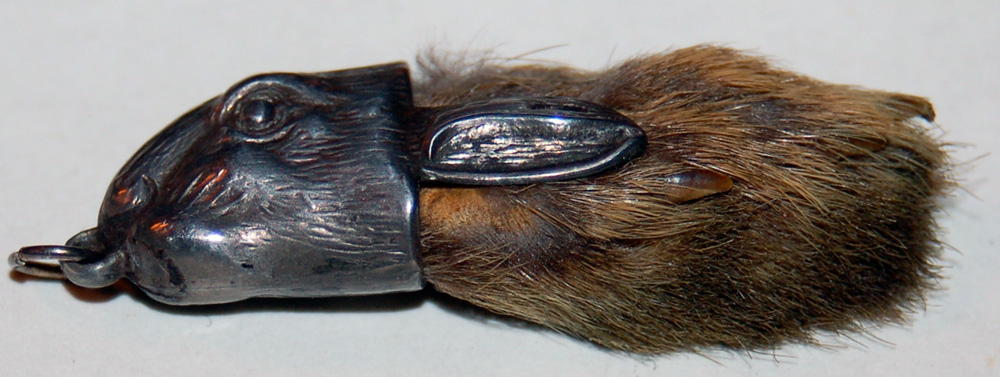 🇺🇸 United States and 2 moreRabbit's foot
A charm carried for luck, often linked to graveyards and strict folk rulesCharm · Luck and prosperity Historical
 🇮🇳 India and 5 moreCowrie
A sea snail shell used as currency, divination tool, and charm across many culturesSubstance · Seeing and foretelling · Luck and prosperity Living
 🇮🇪 Ireland and 5 moreTrick-or-treating
A Halloween custom where costumed visitors ask for treats from homesTradition · Luck and prosperity · Wonder and entertainment Living
 🇹🇹 Trinidad and Tobago and 5 moreSpiritual Baptist
An Afro-Caribbean Christian faith blending African traditions with Baptist worshipTradition · Speaking with spirits and the dead · Protection Living
 🇮🇪 Ireland and 4 moreMay Day
A European spring festival marking the start of summer with flowers, poles and fire.Tradition · Protection · Luck and prosperity Living
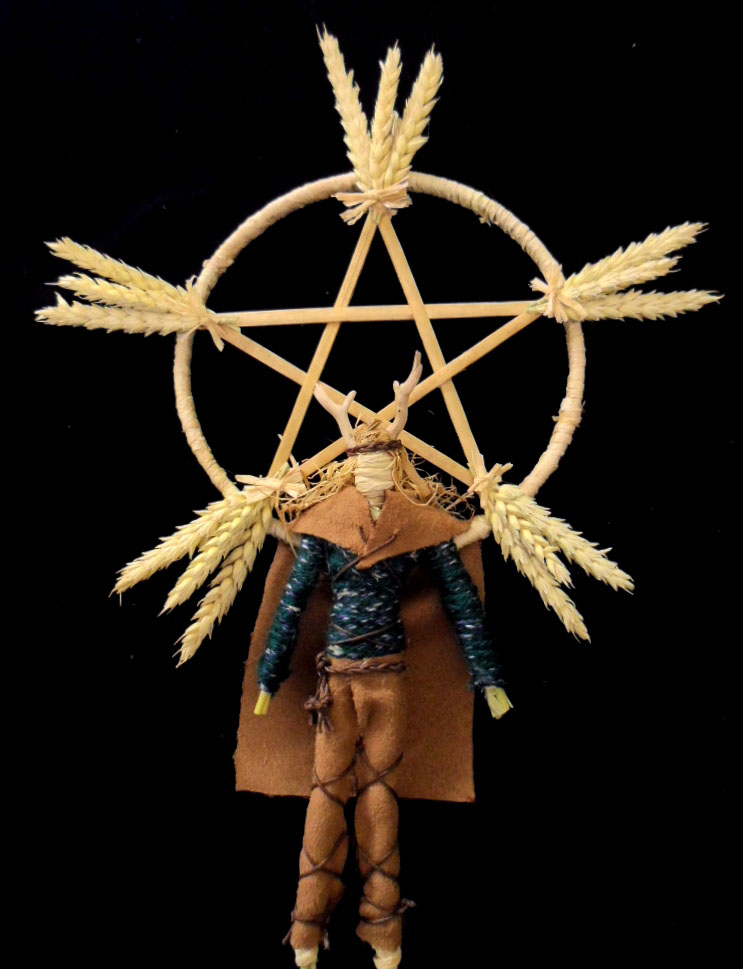 🇮🇪 Ireland and 1 moreLughnasadhLúnasa
A Gaelic harvest festival marking the beginning of the grain gathering seasonTradition · Luck and prosperity · Speaking with spirits and the dead Living
 🇺🇸 United StatesHex sign
Pennsylvania Dutch barn symbols that range from folk art to talismansCharm · Protection · Wonder and entertainment Living
 🇬🇧 United Kingdom and 5 moreDruidry
A modern nature religion inspired by ancient Celtic priests and Romantic idealsTradition · Protection · Speaking with spirits and the dead Living
 🇲🇽 Mexico and 5 moreSanta MuerteNuestra Señora de la Santa Muerte
A female skeletal folk saint in Mexico and the Americas, worshipped for protection, healing, and safe passage.Tradition · Protection · Healing Living
🇫🇷 France and 4 moreRéveillon
A long Christmas or New Year's Eve dinner held to stay awake until morningTradition · Luck and prosperity · Wonder and entertainment Living
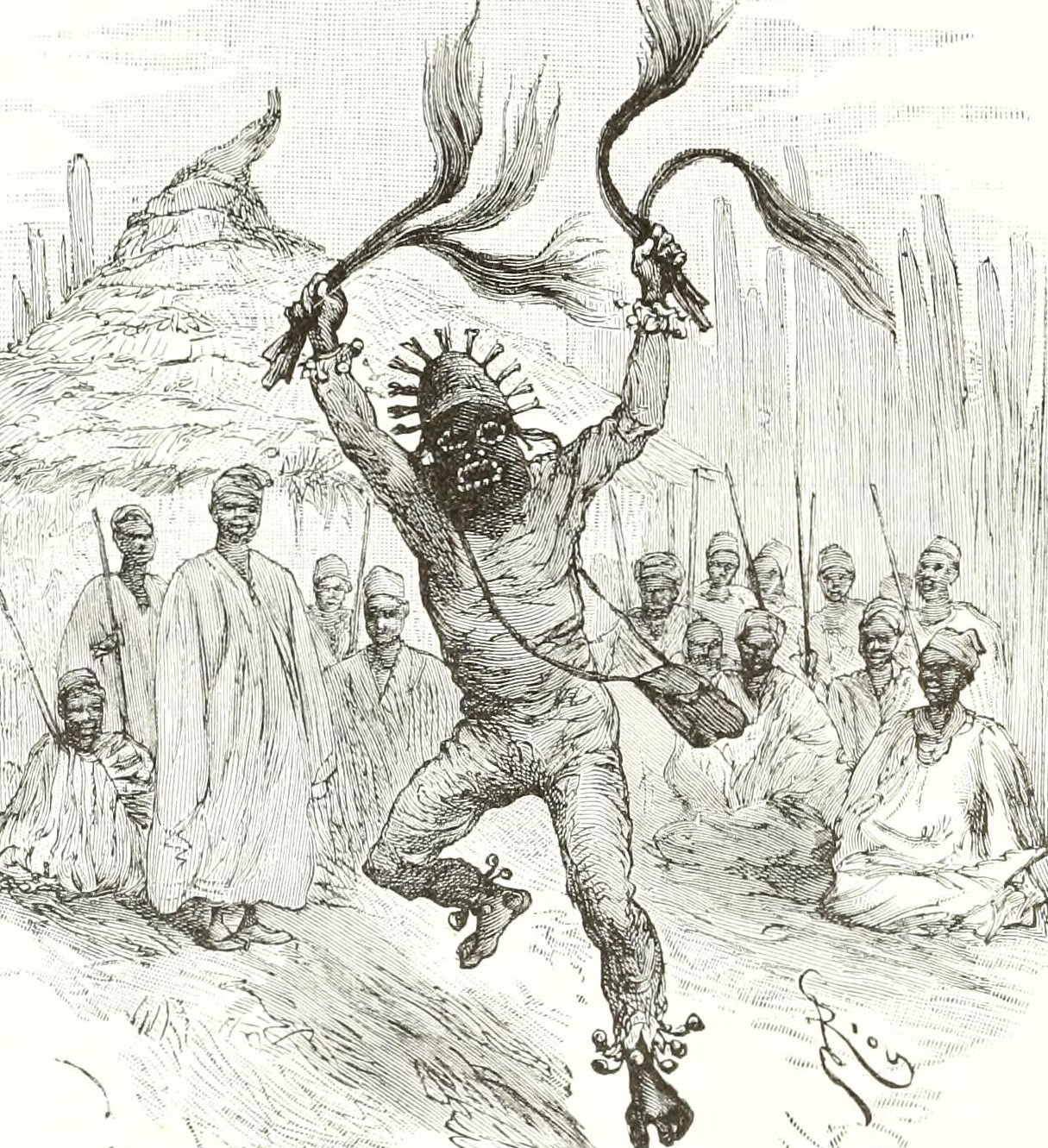 🇺🇸 United States and 2 moreLouisiana Voodoo
An African diasporic religion practiced in Louisiana from the 18th to early 20th centuriesTradition · Healing · Protection Historical
 🇺🇸 United StatesRing shout
A sacred circle dance of African American origin using rhythmic movement and call-and-response singingRite · Speaking with spirits and the dead · Power and authority Living
 🇲🇽 Mexico and 3 moreFolk saint
Unofficially recognized holy figures venerated by local communities for intercession and miraclesBelief · Protection · Healing Living
 🇺🇸 United States and 1 moreMedicine wheel
Circular stone formations built by Indigenous peoples of North America for ceremony and astronomy.Tradition · Speaking with spirits and the dead · Power and authority Living
🇩🇪 Germany and 3 moreSixth and Seventh Books of Moses
A grimoire claiming to reveal the hidden spells of Moses for controlling spirits and natureText · Power and authority · Speaking with spirits and the dead Historical
 🇺🇸 United StatesHopi mythology
The creation stories and spirit traditions of the Hopi people of the American SouthwestTradition · Speaking with spirits and the dead · Protection Living
 🇺🇸 United States and 3 moreSandpainting
A ritual art of pouring colored sand to create temporary images for healing or spiritual teachingTradition · Healing · Speaking with spirits and the dead Living
Photo credits on this page
The small pictures above come from Wikimedia Commons under free licences. Some are cropped to fit.
- Druidry: TheJaySpearing, CC BY-SA 4.0, source
- Halloween: Toby Ord, CC BY-SA 2.5, source
- Day of the Dead: RubeHM, CC BY-SA 4.0, source
- Maneki-neko: Su--May, CC BY 2.0, source
- May Day: Bryan Ledgard, CC BY 2.0, source
- Friday the 13th: Leonardo da Vinci, Public domain, source
- Dhikr: Eugène Baugnies, Public domain, source
- Crossroads (folklore): MiddleOfAfrica, CC BY-SA 4.0, source
- Taboo: Jonathan McIntosh, CC BY 2.0, source
- Ghost Dance: Unknown author, Public domain, source
- West African Vodún: I cropped, original authors are Ridpath, John Clark, CC BY-SA 4.0, source
- Séance: Unknown author, Public domain, source
- Lwa: Hector Hyppolite, Public domain, source
- San La Muerte: Sergio Serrano, CC BY-SA 2.0, source
- Haitian Vodou: Sam Fentress, CC BY-SA 2.0, source
- Turquoise: Unknown author, Public domain, source
- Ojibwe religion: Ryan Hodnett, CC BY-SA 4.0, source
- Rainmaking: George Catlin, Public domain, source
- Jet: Thmsfrst, Public domain, source
- Ring shout: Attributed to John Rose, Public domain, source
- Amethyst: JJ Harrison ( https://jjharrison.com.au/ ), CC BY-SA 3.0, source
- Beating the bounds: Andrew Gray, CC BY-SA 2.0, source
- Cowrie: NOAA (Photo Collection of Dr. James P. McVey, NOAA Sea Grant Program), Public domain, source
- Mezuzah: Adrian Grycuk, CC BY-SA 3.0 pl, source
- Trick-or-treating: Toyah Anette B, Public domain, source
- Groundhog Day: Anthony Quintano, CC BY 2.0, source
- Sandpainting: Mnolf, CC BY-SA 3.0, source
- Tết: vi:Lưu Ly, Public domain, source
- Spiritual Baptist: N Chadwick, CC BY-SA 2.0, source
- Santería: Jorge Royan, CC BY-SA 3.0, source
- Santo Daime: Tonelada, CC BY-SA 3.0, source
- Rabbit's foot: Sobebunny, CC BY-SA 3.0, source
- Pentagram: Tomruen, Attribution, source
- Hex sign: Smallbones, CC0, source
- Cairn: Andrew Bossi, CC BY-SA 2.5, source
- Witch bottle: British Museum, Daniel Pett, 2004-10-25 15:27:22, CC BY-SA 2.0, source
- Concealed shoes: Edmund Patrick, CC BY-SA 3.0, source
- Santa Muerte: Not home, Public domain, source
- Medicine wheel: U.S. Forest Service Photo, Public domain, source
- Elegua: Sailko, CC BY 3.0, source
- Hopi mythology: Sailko, CC BY 3.0, source
- Lughnasadh: Mountainash333, CC BY-SA 3.0, source
- Florida Water: Unknown artist(s), Public domain, source
- Alebrije: Luisalvaz, CC BY-SA 4.0, source
The weekly digest
Every Monday: seven entries you may not know, what is on the calendar this week, and one rite drawn step by step.