
Hopi mythology
The creation stories and spirit traditions of the Hopi people of the American Southwest
Hopi mythology is a complex system of beliefs maintained by the Hopi people in northeastern Arizona. It centers on Tawa, the sun spirit, and describes a journey through multiple worlds to reach the present Fourth World.
- Tawa is the sun spirit and creator in Hopi mythology.
- The Hopi emerged into the Fourth World through a sipapu.
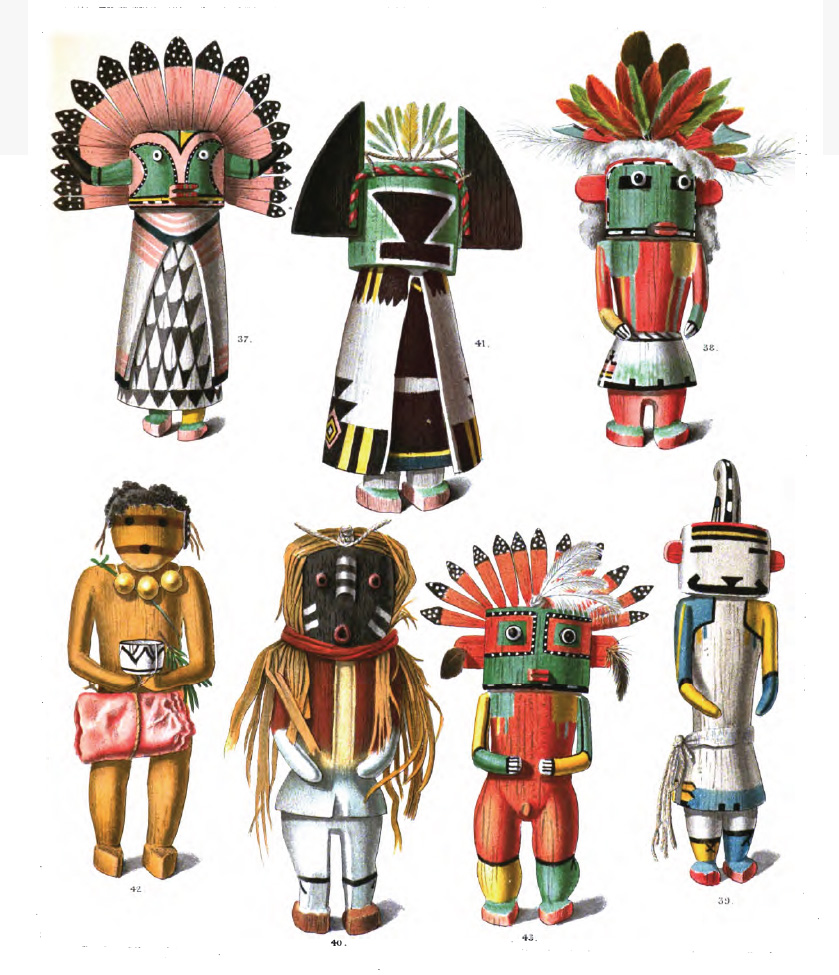
- Kachinas are spirits that bring rain and harvest gifts.
- Corn is a central spiritual and physical bond for the Hopi.
- Masauwu is the Spirit of Death and Keeper of Fire.
What it is
Hopi mythology is the religious and mythological framework of the Hopi people. It is an oral tradition that has persisted for centuries across the mesas of northeastern Arizona. The stories are not always consistent, as each village or mesa may hold its own version. Despite these variations, the core themes remain similar. The tradition focuses on the relationship between the people and the spiritual world. It includes creation narratives, migration histories, and the roles of various deities and spirits. The myths explain the origin of life, the structure of the universe, and the proper way to live in harmony with nature.
Where it comes from
The origins of Hopi mythology are rooted in the ancient history of the Hopi people. According to their legends, time began with the sun spirit Tawa creating the First World from endless space. This was followed by a series of creations and migrations. The stories describe how beings moved through different worlds, evolving from insect-like creatures to humans. The emergence into the current Fourth World is a central event. Some versions involve a flood, while others describe an emergence through a hole in the earth known as the sipapu. These narratives have been passed down through generations via oral storytelling.
How it is done
The mythology is preserved and transmitted through oral tradition. Elders tell stories to children, often starting with simpler tales like the sipapu story before moving to more complex ones. Rituals involve the use of Kachina masks and dolls. During the Niman ceremony, dancers wear masks representing spirits to bring harvest gifts and blessings. Mothers seek blessings from the sun for newborn children. Corn plays a vital role in ceremonies, serving as a prayer offering and a symbol of sustenance. The practices are deeply integrated into daily life and seasonal cycles, particularly the agricultural calendar.
Tools and materials
Key materials include Kachina masks and dolls, which represent spirits and ancestors. Hollow bamboo reeds feature prominently in the emergence stories, serving as boats or tunnels. Sacred tablets are given by Masauwu to outline proper behavior. Corn is essential, acting as both food and a spiritual bond. Masks worn by Kachina dancers vary in appearance, sometimes showing beauty beneath a hideous exterior. These objects are used in ceremonies to connect the living with the spiritual realm and to maintain balance.
Hopi mythology, drawn and placed
- Living
- Revived
- Fading
- Historical
- Legendary
- Performed
- Lineage
- Native American mythology
- Timing
- during the Kachina season and at birth
What it is for
The mythology serves to guide the Hopi people in living correctly. It explains their origins and their place in the universe. The stories teach lessons about harmony, kindness, and respect for the natural world. Kachina dances are performed to bring rain and ensure agricultural success. The rituals aim to maintain the balance of the world. They also serve to honor ancestors and spirits. The myths provide a moral framework, warning against wickedness and encouraging cooperation within clans and communities.
Who does it
The tradition is maintained by the Hopi people themselves. Knowledge is often kept within the community, with some teachings considered secret or ritual-specific. Elders play a crucial role in passing down stories and guiding younger generations. Women are involved in seeking sun blessings for children and in weaving and pottery, skills taught by Spider Grandmother in the myths. Men often participate in the Kachina societies and dances. The transmission of knowledge is careful, with distinctions made between stories told to outsiders and those reserved for initiates.
Peoples and places
The Hopi people of northeastern Arizona are the primary carriers of this mythology. Their villages, such as Oraibi and Walpi, have specific versions of the stories. The Hopi Water Clan name reflects their connection to water and emergence. While other peoples may have entered the Fourth World through different paths, the Hopi follow their prescribed migrations. The tradition is distinct from neighboring Native American cultures, though it shares some common themes. The diversity of stories among Hopi mesas highlights the adaptability of the oral tradition.
At a glance: who, where and when
Who does it
Peoples
Belief worlds

What people believe
Central to Hopi belief is Tawa, the sun spirit and creator. He created Sotuknang, who in turn created Spider Woman and the nine universes. Masauwu, the Spirit of Death and Earth God, guards the entrance to the underworld and holds fire. Kachinas are benevolent spirits associated with clouds, animals, and ancestors. They inhabit the San Francisco Peaks and visit the villages during part of the year. The universe is structured in worlds, with the current one being the Fourth. Life is seen as interconnected, with corn as a sentient mother figure. Balance and harmony are paramount spiritual values.
When it is done
The Kachina season is a major period, lasting six months. It concludes with the Niman or Going Home ceremony in late July or early August. This festival features outdoor dances where Kachinas bring gifts. Birth is another key occasion, with mothers seeking sun blessings. Daily life is intertwined with religious observance, particularly regarding corn cultivation. The cycle of the seasons dictates agricultural activities, which are blessed by the Kachinas. The timing of ceremonies aligns with the needs of the community for rain and harvest.
How scholars and sceptics see it
Anthropologists and folklorists note the complexity and variability of Hopi mythology. Harold Courlander observed a reticence among Hopis to share ritual secrets with outsiders. Scholars recognize that stories told to non-Hopis may differ from internal teachings. Barry Pritzker documented the creation and emergence narratives. Researchers highlight the importance of oral tradition and the role of elders. The distinction between public and private knowledge is a significant aspect of the tradition's preservation. Studies emphasize the cultural significance of the myths rather than treating them as mere fiction.
Cautions and what is closed
Some aspects of Hopi religion are closed to outsiders. Ritual secrets and certain teachings are not shared with non-Hopis. The tradition requires respect for sacred sites and ceremonies. Misrepresentation or appropriation of Hopi symbols can be harmful. The community maintains control over its religious expressions. Outsiders are advised to approach the culture with sensitivity and to avoid claiming insider knowledge. The integrity of the tradition depends on the community's ability to protect its sacred knowledge from exploitation.
Compare and confuse
Hopi mythology shares themes with other Native American traditions, such as emergence stories and trickster figures. Coyote appears as a trickster, similar to figures in other Indigenous cultures. The concept of multiple worlds is found in various mythologies. However, the specific deities like Tawa and Masauwu are unique to the Hopi. The Kachina tradition distinguishes Hopi practice from neighboring groups. Comparisons with other creation myths highlight universal human concerns but also emphasize Hopi distinctiveness.
Law and persecution
The Hopi people exercise sovereignty over their religious practices. Sacred sites like the San Francisco Peaks are protected. Legal battles have occurred regarding access to these areas. The community asserts its right to practice freely. Federal laws support the protection of Native American religious freedom. However, tensions can arise between traditional practices and external development. The Hopi work to preserve their heritage within the modern legal framework.
Today
Hopi mythology remains a living tradition. It continues to influence Hopi identity and community life. Kachina dances are still performed annually. The stories are taught to children in villages. There is interest from scholars and the public, but the community controls the narrative. Commercialization of Kachina dolls exists, but the religious significance remains intact for practitioners. The tradition adapts to contemporary challenges while maintaining its core values. Diaspora Hopis also maintain connections to their mythological heritage.
Questions people ask about Hopi mythology
What is Hopi mythology?
It is the religious and mythological tradition of the Hopi people of northeastern Arizona. It includes creation stories, migration narratives, and beliefs about spirits like Tawa and Kachinas.
Where does it come from?
It originates from the Hopi people, who have lived in the American Southwest for centuries. The stories were passed down orally through generations of Hopi families and clans.
Who are the main spirits?
Tawa is the sun spirit and creator. Masauwu is the Spirit of Death and Earth God. Spider Woman is a creator figure. Kachinas are benevolent spirits associated with nature and ancestors.
What is the sipapu?
The sipapu is the opening through which the Hopi emerged into the Fourth World. It is traditionally viewed as being located in the Grand Canyon area.
How are Kachinas involved?
Kachinas are spirits that visit Hopi villages during part of the year. They teach agriculture and bring rain. Dancers wear masks to represent them during ceremonies like the Niman festival.
Good reading and sources
The facts on this page come from the Wikipedia article "Hopi mythology", written by its contributors and used under the CC BY-SA 4.0 licence, and from its Wikidata record (CC0). EveryJaadu rewrote the text in its own words, with AI assistance, and compares every page with the article to make sure no passage is copied. It may be reused under the same CC BY-SA 4.0 licence with a link back.
It may contain mistakes. Names and customs differ from one community to the next, and some knowledge is closed to outsiders and left out here. This page describes belief and practice. It does not say that any of it works, it is not a how-to, and it is not medical advice. If something is wrong, tell us. Last refreshed 2026-10-05.
More from the United States
All the entries from the United States 🇺🇸 United States and 1 moreMedicine wheel
Circular stone formations built by Indigenous peoples of North America for ceremony and astronomy.Tradition · Speaking with spirits and the dead · Power and authority Living
🇺🇸 United States and 1 moreMedicine wheel
Circular stone formations built by Indigenous peoples of North America for ceremony and astronomy.Tradition · Speaking with spirits and the dead · Power and authority Living
 🇺🇸 United States and 2 moreLouisiana Voodoo
An African diasporic religion practiced in Louisiana from the 18th to early 20th centuriesTradition · Healing · Protection Historical
🇺🇸 United States and 2 moreLouisiana Voodoo
An African diasporic religion practiced in Louisiana from the 18th to early 20th centuriesTradition · Healing · Protection Historical
 🇺🇸 United StatesFolk healer
An unlicensed community member who provides healing care using local plants and traditional knowledge.Tradition · Healing · Protection Historical
🇺🇸 United StatesFolk healer
An unlicensed community member who provides healing care using local plants and traditional knowledge.Tradition · Healing · Protection Historical
 🇺🇸 United States and 1 moreGroundhog DayGrund'sau dåk
A North American custom using a burrowing rodent to forecast the end of winterTradition · Seeing and foretelling · Luck and prosperity Living
🇺🇸 United States and 1 moreGroundhog DayGrund'sau dåk
A North American custom using a burrowing rodent to forecast the end of winterTradition · Seeing and foretelling · Luck and prosperity Living
Related elsewhere
All tradition 🇪🇬 Egypt and 4 moreAnimal sacrifice
The ritual killing of livestock or wild animals as an offering to deitiesRite · Speaking with spirits and the dead · Power and authority Historical
🇪🇬 Egypt and 4 moreAnimal sacrifice
The ritual killing of livestock or wild animals as an offering to deitiesRite · Speaking with spirits and the dead · Power and authority Historical
 🇮🇳 India and 5 moreSnake worship
Veneration of serpents as divine or ancestral beings across global culturesTradition · Protection · Healing Living
🇮🇳 India and 5 moreSnake worship
Veneration of serpents as divine or ancestral beings across global culturesTradition · Protection · Healing Living
 🇮🇶 Iraq and 5 moreGrimoire
A textbook containing instructions for spells, rituals, and the creation of magical objects.Text · Protection · Healing Historical
🇮🇶 Iraq and 5 moreGrimoire
A textbook containing instructions for spells, rituals, and the creation of magical objects.Text · Protection · Healing Historical
 🇭🇹 Haiti and 2 moreHaitian VodouVodou
An Afro-Haitian religion blending West African traditions with Catholicism and FreemasonryTradition · Protection · Healing Living
🇭🇹 Haiti and 2 moreHaitian VodouVodou
An Afro-Haitian religion blending West African traditions with Catholicism and FreemasonryTradition · Protection · Healing Living