
Jack-o'-lantern
from the phenomenon of strange lights over peat bogs, called will-o'-the-wisps
A hollowed vegetable carved with a face and lit from within, worn as a Halloween symbol
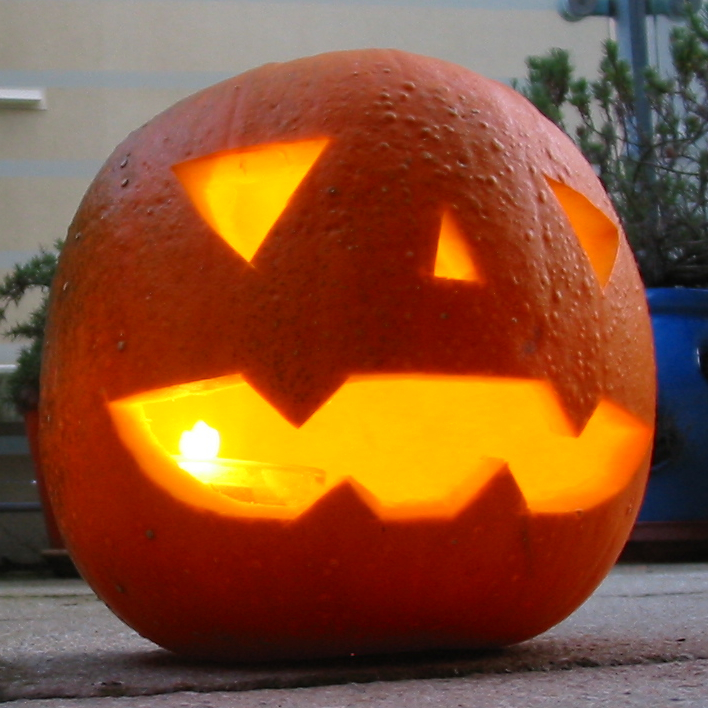
A jack-o'-lantern is a carved lantern made from vegetables like pumpkins or turnips. It is linked to the Halloween holiday and Irish folklore about Stingy Jack.
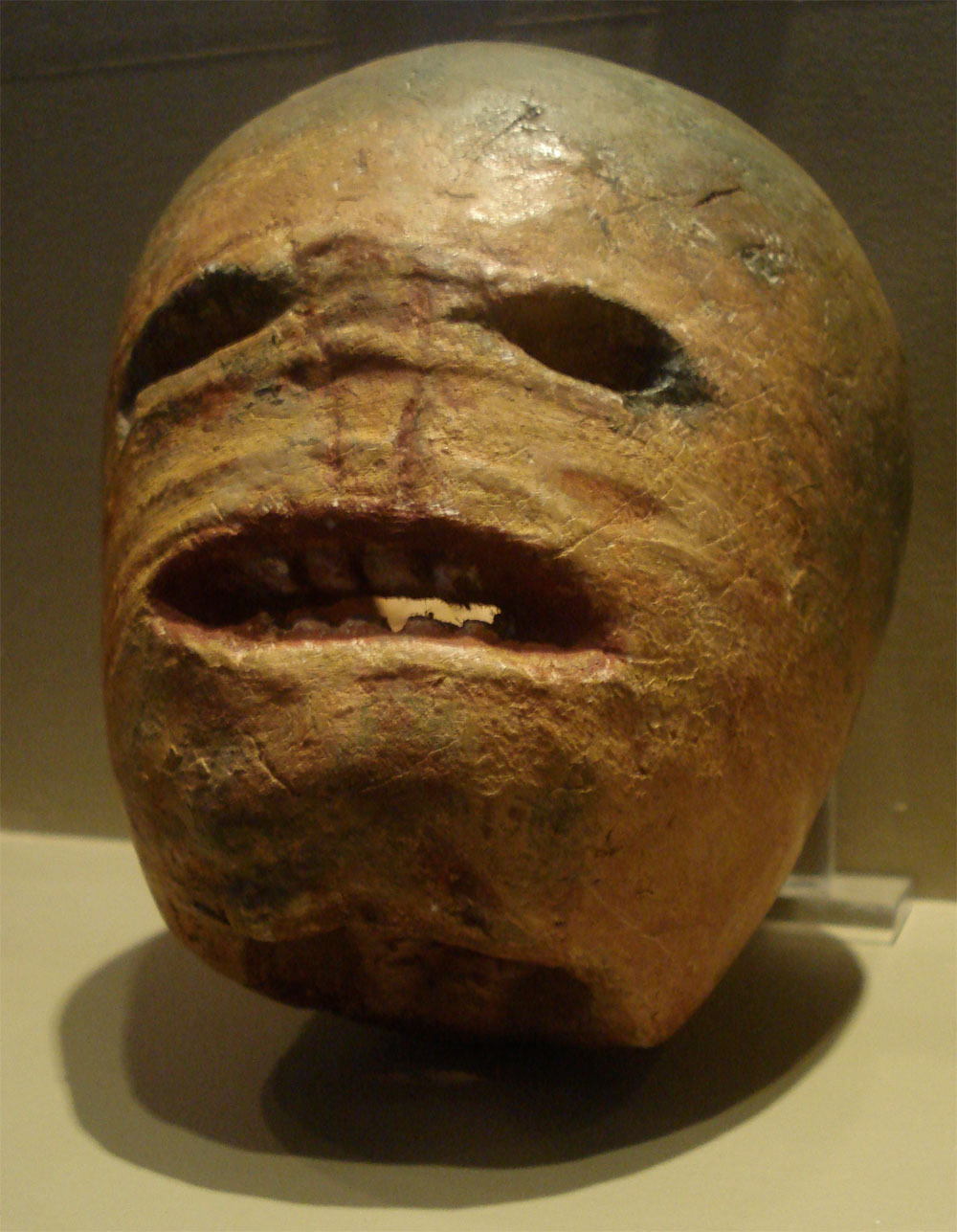
- Originally carved from turnips in Ireland and Britain
- Name comes from will-o'-the-wisp bog lights
- Linked to the legend of Stingy Jack
- Used to ward off evil spirits at Halloween
- Pumpkins replaced turnips in North America
What it is
A jack-o'-lantern is a lantern created by hollowing out a root vegetable and carving a face into its rind. While modern versions are most often made from pumpkins, the original tradition used turnips, rutabagas, or mangelwurzels. A light source, such as a candle, is placed inside to illuminate the design. The object serves as both a festive decoration and a traditional ward against harmful spirits. Its name derives from the flickering lights seen over bogs, known as will-o'-the-wisps, and an Irish legend about a man named Stingy Jack.
Where it comes from
The custom likely began in Ireland and Britain, possibly evolving from ancient Celtic head veneration practices where warriors displayed the heads of defeated foes for protection. By the nineteenth century, people in England, Ireland, Wales, and Scotland were carving turnips and gourds for Halloween. In Gaelic regions, this coincided with Samhain, a time when supernatural beings were believed to walk the earth. The term was first recorded in the mid-seventeenth century to describe bog lights before shifting to refer to the carved vegetable lanterns by the eighteen-thirties.
How it is done
To create the lantern, the top of the vegetable is removed to serve as a lid. The inner flesh and seeds are scooped out to form a hollow chamber. An image, typically a grinning or frightening face, is cut through the outer skin. A candle or tealight is then placed inside the hollow space, and the lid is replaced to hold the flame securely. Modern variations may use electric lights instead of open flames.
Tools and materials
The primary materials are large root vegetables, specifically Connecticut field pumpkins, turnips, rutabagas, or mangelwurzels. Carving tools are used to slice away sections of the rind to form eyes, noses, and mouths. Traditional illumination comes from beeswax candles or tallow candles, though artificial electric lights are now common. The hollow interior acts as a housing for the light source.
Jack-o'-lantern, drawn and placed
- Living
- Revived
- Fading
- Historical
- Legendary
- Performed
- Lineage
- Celtic influenced immigrant traditions
- Timing
- Halloween
What it is for
Practitioners carve these lanterns to protect their homes from evil spirits and supernatural beings. They are often placed on windowsills or doorsteps to ward off harm during the Halloween season. Some traditions suggest the lights represent Christian souls in purgatory or serve to frighten people away from property. Others view them as representations of the wandering spirit of Stingy Jack.
Who does it
The craft is primarily performed by households and families as a seasonal activity. Children and adults participate in the carving process to prepare decorations for the festival. In North America, the practice became widespread among Celtic immigrants who adapted their European vegetable-carving customs to the local pumpkin harvest. It is a communal folk art rather than a specialized religious ritual.
Peoples and places
The tradition is deeply rooted in Irish and British culture, particularly among Celtic communities. In Wales, similar lanterns were made during Ysbrydnosau, or spirit nights. The practice crossed the Atlantic to the United States and Canada, where pumpkins replaced turnips due to their abundance. Different regions have unique names for the lanterns, such as Hoberdy's Lantern in England or Punkie Night celebrations in Somerset.
At a glance: who, where and when
Who does it
Belief worlds
Occasions


What people believe
Folklore holds that the glowing lantern can identify and repel vampires or other undead creatures. The light is believed to reveal their true identities, causing them to retreat. The figure of Stingy Jack, trapped between Heaven and Hell, is said to wander the earth carrying only his carved turnip. The lantern serves as a reminder of his eternal punishment and a shield against the forces he encountered.
When it is done
The lanterns are prepared and displayed during the autumn festival of Samhain, which falls on October thirty-first. This date marks the eve of All Saints' Day and is considered a threshold time when the boundary between the living and the dead is thin. In Wales, the celebration occurs on Calan Gaeaf. The tradition remains a central part of modern Halloween festivities in North America and parts of Europe.
Days linked to Jack-o'-lantern
Questions people ask about Jack-o'-lantern
What is a jack-o'-lantern?
It is a carved lantern made from a hollowed-out vegetable, usually a pumpkin or turnip. A light is placed inside to illuminate a face carved into the rind. It is a traditional symbol of the Halloween holiday.
Where did the tradition start?
The custom originated in Ireland and Britain. People carved turnips and other root vegetables to ward off spirits during the festival of Samhain. The practice spread to North America with Celtic immigrants.
Why is it called a jack-o'-lantern?
The name comes from the flickering lights seen over peat bogs, known as will-o'-the-wisps. It is also tied to the Irish legend of Stingy Jack, who wandered the earth with a carved turnip containing a burning coal.
Good reading and sources
- Encyclopaedia BritannicaArticle
- BBC NEWS | UK | MagazineBBC, Article
- The history of American jack-o’-lanternsNational Geographic, Article
- Jack-o'-lantern on WikipediaEncyclopedia
- More photos on Wikimedia CommonsPhotos and video
- Wikidata recordOpen data
The facts on this page come from the Wikipedia article "Jack-o'-lantern", written by its contributors and used under the CC BY-SA 4.0 licence, and from its Wikidata record (CC0). EveryJaadu rewrote the text in its own words, with AI assistance, and compares every page with the article to make sure no passage is copied. It may be reused under the same CC BY-SA 4.0 licence with a link back.
It may contain mistakes. Names and customs differ from one community to the next, and some knowledge is closed to outsiders and left out here. This page describes belief and practice. It does not say that any of it works, it is not a how-to, and it is not medical advice. If something is wrong, tell us. Last refreshed 2026-10-05.
More from Ireland
All the entries from Ireland 🇮🇪 IrelandBlarney StoneCloch na Blarnan
A limestone block in an Irish castle kissed for the gift of eloquenceCharm · Power and authority Living
🇮🇪 IrelandBlarney StoneCloch na Blarnan
A limestone block in an Irish castle kissed for the gift of eloquenceCharm · Power and authority Living
 🇮🇪 IrelandLia Fáil
A standing stone at the Hill of Tara used for royal inaugurations in Irish legendCharm · Power and authority Historical
🇮🇪 IrelandLia Fáil
A standing stone at the Hill of Tara used for royal inaugurations in Irish legendCharm · Power and authority Historical
 🇬🇧 United Kingdom and 4 moreCorn dolly
A woven straw figure made from the last sheaf of a European harvest to house the crop spirit.Tradition · Protection · Speaking with spirits and the dead Revived
🇬🇧 United Kingdom and 4 moreCorn dolly
A woven straw figure made from the last sheaf of a European harvest to house the crop spirit.Tradition · Protection · Speaking with spirits and the dead Revived
 🇬🇧 United Kingdom and 5 moreConcealed shoes
Shoes hidden in building structures as folk charms for protection and fertilityCharm · Protection · Speaking with spirits and the dead Historical
🇬🇧 United Kingdom and 5 moreConcealed shoes
Shoes hidden in building structures as folk charms for protection and fertilityCharm · Protection · Speaking with spirits and the dead Historical
Related elsewhere
All charm 🇪🇬 Egypt and 1 moreSphinx
A mythical hybrid with a human head and lion body, serving as guardian or riddler in Egyptian and Greek traditions.Being · Protection · Wonder and entertainment Legendary
🇪🇬 Egypt and 1 moreSphinx
A mythical hybrid with a human head and lion body, serving as guardian or riddler in Egyptian and Greek traditions.Being · Protection · Wonder and entertainment Legendary
 🇸🇩 Sudan and 5 moreIncense
Aromatic plant materials burned to release fragrant smoke for ritual, scent, or timekeeping.Substance · Protection · Speaking with spirits and the dead Living
🇸🇩 Sudan and 5 moreIncense
Aromatic plant materials burned to release fragrant smoke for ritual, scent, or timekeeping.Substance · Protection · Speaking with spirits and the dead Living
 🇪🇸 Spain and 5 moreSt John's Eve
A Christian vigil marked by bonfires and plant gathering on the summer solstice eveRite · Protection · Speaking with spirits and the dead Living
🇪🇸 Spain and 5 moreSt John's Eve
A Christian vigil marked by bonfires and plant gathering on the summer solstice eveRite · Protection · Speaking with spirits and the dead Living
 🇦🇺 Australia and 1 moreTattoo
A permanent mark made by placing pigment under the skin to form a design.Tradition · Protection · Power and authority Living
🇦🇺 Australia and 1 moreTattoo
A permanent mark made by placing pigment under the skin to form a design.Tradition · Protection · Power and authority Living