Lughnasadh
In its own language: Lúnasa
from Old Irish lugnasad, combining the god Lugh and násad (assembly)
A Gaelic harvest festival marking the beginning of the grain gathering season
Lughnasadh is a Gaelic festival celebrating the start of the harvest. Historically observed in Ireland, Scotland, and the Isle of Man, it honors the god Lugh through feasting, athletic contests, and religious rites.
- Named after the god Lugh, meaning assembly
- One of four major Gaelic seasonal festivals
- Features athletic contests and trial marriages
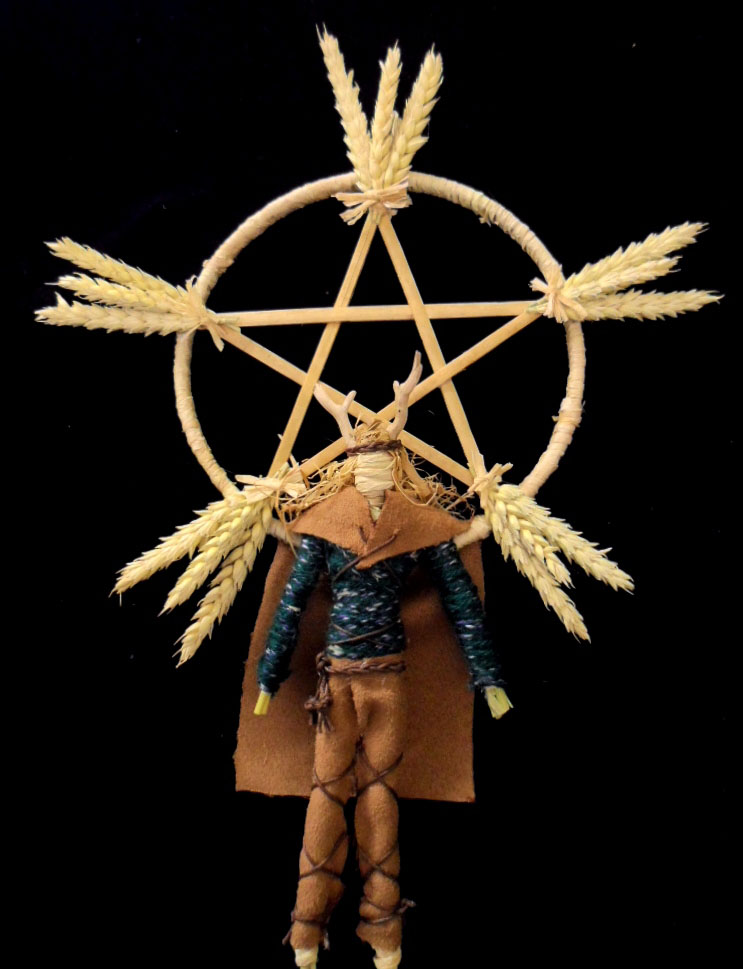
- Corn dolly represents the harvest spirit
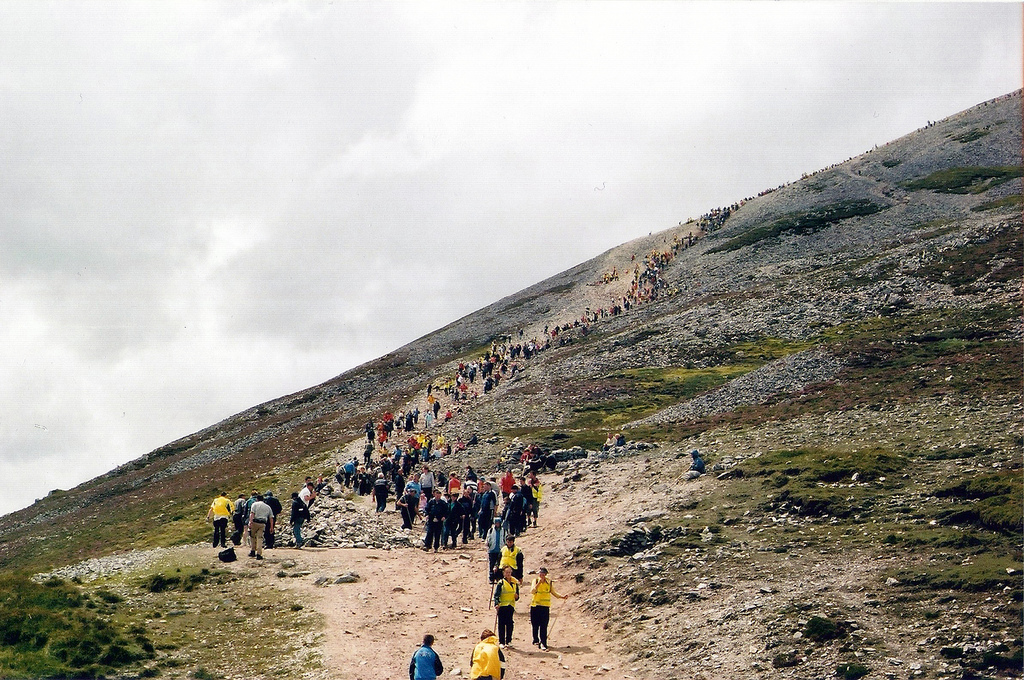
- Reek Sunday pilgrimage survives at Croagh Patrick
What it is
Lughnasadh marks the beginning of the harvest season in Gaelic tradition. It stands alongside Samhain, Imbolc, and Beltane as one of the four major seasonal festivals. The event is named for the god Lugh and involves offering the first crops to deities. Historically, it served as a time for great gatherings that combined religious ceremony with social and economic activity. Today, it is observed by Celtic neopagans and as a cultural heritage event in various communities.
Where it comes from
The festival has pagan roots documented in early Irish literature. Mythology states Lugh founded the event as funeral games to honor his foster-mother Tailtiu, who died clearing land for farming. Another theory links the name to death rather than assembly. Folklorist Máire MacNeill identified themes of struggle between gods for the harvest, possibly reflecting ancient agricultural cycles. The celebration corresponds to the Welsh Calan Awst and English Lammas.
How it is done
Gatherings traditionally occurred on hills or mountains. Participants cut the first corn, burying an offering at the summit. A feast featured new food and bilberries. Medieval accounts describe athletic contests, horse racing, and matchmaking rituals like trial marriages. In later centuries, these activities shifted to Sundays near the date. Some traditions were Christianized into pilgrimages, such as climbing Croagh Patrick.
Tools and materials
The corn dolly represents the god Lugh and is made from the first sheaf of grain. Offerings include the first fruits of the harvest and bilberries. Sacred bulls were sacrificed in ancient times, with their flesh consumed in ritual feasts. Pilgrims leave coins or clooties (rags) at holy wells. Flowers are worn during hill climbs and buried at the top to signal the end of summer.
Lughnasadh, drawn and placed
- Living
- Revived
- Fading
- Historical
- Legendary
- Performed
- Lineage
- Celtic polytheism
- Timing
- 1 August or nearest Sunday
What it is for
The festival ensures a successful harvest and protects against blight. It provides a time for trading, legal disputes to be settled, and young couples to enter trial marriages. Communities gather to celebrate the transition from summer to autumn. Neopagans observe it as a religious holiday honoring the cycle of life and death in nature.
Who does it
Historically, kings and priests presided over the Óenach Tailten assemblies. Ordinary households participated in local hill climbs and fairs. Modern practitioners include Celtic neopagans and Wiccans who follow seasonal cycles. Cultural events are organized by local communities and museums to preserve heritage. Folklorists study the surviving customs and medieval texts.
Peoples and places
The Gaels of Ireland, Scotland, and the Isle of Man originated the festival. In Ireland, mountain pilgrimages like Reek Sunday remain popular. The Puck Fair in Killorglin preserves elements of the tradition with a crowned goat. Scottish Highlands saw rival groups build sod towers and engage in faction fights. Manx and Welsh cultures have their own names and variations for the August celebration.
At a glance: who, where and when


What people believe
Myths depict Lugh defeating figures representing blight and famine. The struggle for the harvest is personified by gods like Crom Dubh guarding the grain. Tailtiu’s death symbolizes the dying vegetation that feeds humanity. The festival acknowledges the unpredictable weather of late summer, known as Lammas floods. Rituals aim to secure divine favor for the coming winter.
When it is done
The traditional date is 1 August, halfway between the solstice and equinox. Celebrations often moved to the nearest Sunday due to harvest labor demands. Reek Sunday occurs on the last Sunday in July. The Puck Fair runs for three days in early August. Weather patterns during this period heavily influenced agricultural planning.
How scholars and sceptics see it
Folklorist Máire MacNeill published extensive studies on Lughnasadh customs in 1962. She analyzed medieval writings and surviving folklore to reconstruct ancient rites. Scholars note parallels with Greek myths like Persephone. Anthropologists view the festival as a complex blend of religious, social, and economic functions. Modern researchers examine how pagan traditions were adapted by Christianity.
Cautions and what is closed
Hill climbing poses physical risks, especially on steep terrain like Croagh Patrick. Historical faction fights involved violence between rival groups. Bull sacrifices were recorded but are no longer practiced. Fraudulent claims about ancient rituals sometimes misrepresent historical facts. Participants should respect sacred sites and local regulations during modern pilgrimages.
Compare and confuse
Lughnasadh is related to other harvest festivals like Lammas and Calan Awst. It shares features with Imbolc and Beltane, such as visiting holy wells. The Tailteann Games resemble the Ancient Olympic Games in structure. Unlike purely religious holidays, it included significant secular and economic components. The Corn Dolly appears in various European harvest traditions.
Questions people ask about Lughnasadh
What is Lughnasadh?
It is a Gaelic festival marking the start of the harvest season. Named for the god Lugh, it involves feasting, athletic contests, and religious rites honoring the first fruits of the earth.
When is Lughnasadh celebrated?
Traditionally on 1 August. In recent centuries, many celebrations shifted to the nearest Sunday to accommodate harvest work schedules, often falling in late July or early August.
Where did Lughnasadh originate?
It originated among the Gaels in Ireland, Scotland, and the Isle of Man. It was one of the four main seasonal festivals in Celtic polytheism and folk tradition.
What are the main customs?
Customs include climbing hills, cutting the first corn, burying offerings, and holding fairs. Medieval gatherings featured horse racing, matchmaking, and legal assemblies.
Who observes Lughnasadh today?
Celtic neopagans and Wiccans observe it as a religious holiday. Many Irish and Scottish communities hold cultural festivals and pilgrimages to preserve the tradition.
Good reading and sources
The facts on this page come from the Wikipedia article "Lughnasadh", written by its contributors and used under the CC BY-SA 4.0 licence, and from its Wikidata record (CC0). EveryJaadu rewrote the text in its own words, with AI assistance, and compares every page with the article to make sure no passage is copied. It may be reused under the same CC BY-SA 4.0 licence with a link back.
It may contain mistakes. Names and customs differ from one community to the next, and some knowledge is closed to outsiders and left out here. This page describes belief and practice. It does not say that any of it works, it is not a how-to, and it is not medical advice. If something is wrong, tell us. Last refreshed 2026-10-06.
More from Ireland
All the entries from Ireland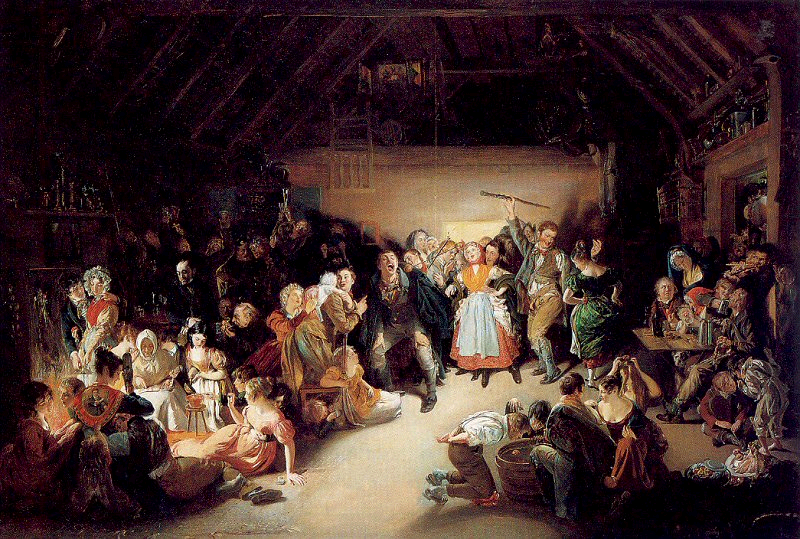 🇮🇪 Ireland and 1 moreSamhain
A Gaelic festival marking the end of harvest and the start of winter, observed on November 1st.Tradition · Protection · Speaking with spirits and the dead Living
🇮🇪 Ireland and 1 moreSamhain
A Gaelic festival marking the end of harvest and the start of winter, observed on November 1st.Tradition · Protection · Speaking with spirits and the dead Living
 🇬🇧 United Kingdom and 4 moreCorn dolly
A woven straw figure made from the last sheaf of a European harvest to house the crop spirit.Tradition · Protection · Speaking with spirits and the dead Revived
🇬🇧 United Kingdom and 4 moreCorn dolly
A woven straw figure made from the last sheaf of a European harvest to house the crop spirit.Tradition · Protection · Speaking with spirits and the dead Revived
 🇮🇪 Ireland and 5 moreCairn
A human-made stack of stones used as a marker, memorial, or religious symbol across many cultures.Tradition · Protection · Speaking with spirits and the dead Living
🇮🇪 Ireland and 5 moreCairn
A human-made stack of stones used as a marker, memorial, or religious symbol across many cultures.Tradition · Protection · Speaking with spirits and the dead Living
 🇮🇪 Ireland and 1 moreBeltaneBealtaine
A Gaelic festival marking the start of summer with protective bonfires and livestock ritualsTradition · Protection · Luck and prosperity Revived
🇮🇪 Ireland and 1 moreBeltaneBealtaine
A Gaelic festival marking the start of summer with protective bonfires and livestock ritualsTradition · Protection · Luck and prosperity Revived
Related elsewhere
All tradition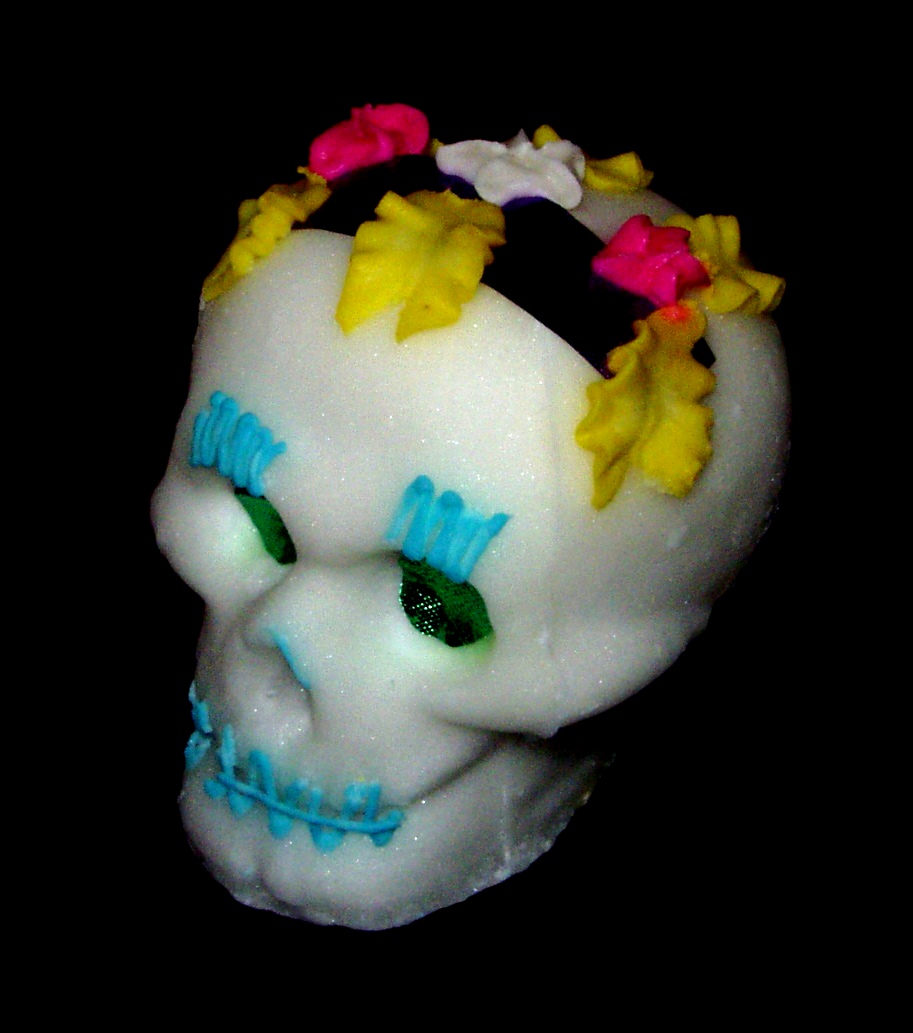 🇲🇽 MexicoCalavera
A sugar or clay skull used in Mexican Day of the Dead celebrations.Charm · Speaking with spirits and the dead · Luck and prosperity Living
🇲🇽 MexicoCalavera
A sugar or clay skull used in Mexican Day of the Dead celebrations.Charm · Speaking with spirits and the dead · Luck and prosperity Living
 🇹🇭 Thailand and 3 moreThai Buddha amuletsพระเครื่อง (phrakhrueang)
Sacred Buddhist images and relics worn for protection, merit, and fortune in Thailand.Charm · Protection · Luck and prosperity Living
🇹🇭 Thailand and 3 moreThai Buddha amuletsพระเครื่อง (phrakhrueang)
Sacred Buddhist images and relics worn for protection, merit, and fortune in Thailand.Charm · Protection · Luck and prosperity Living