
Santería
In its own language: Regla de Ocha
from Spanish for 'way of the saints'
An Afro-Cuban religion blending Yoruba beliefs with Catholicism and Spiritism
Santería is a faith developed in Cuba by enslaved West Africans who merged their traditional Yoruba religion with Roman Catholicism. Practitioners venerate oricha spirits through rituals, divination, and offerings to seek guidance, healing, and protection.
- Developed in Cuba during the late 19th century
- Blends Yoruba religion with Catholicism and Spiritism
- Venerates oricha spirits equated with Catholic saints
- Uses divination and animal sacrifice in rituals
- Spread globally through Cuban emigration
What it is
Santería is an Afro-Cuban religion that emerged in the late nineteenth century. It blends the traditional spiritual practices of the Yoruba people from West Africa with Roman Catholicism and French Spiritism. The faith centers on a supreme creator god named Olodumare and a large pantheon of spirits called oricha. These oricha are often equated with Catholic saints. Believers, known as creyentes, interact with these spirits through daily prayers, altar offerings, and formal ceremonies to maintain balance and receive guidance.
Where it comes from
The religion formed during the Atlantic slave trade when enslaved Yoruba people were brought to Cuba. They preserved their deities by associating them with Catholic saints to hide their worship under Spanish colonial rule. In western Cuba, these traditions mixed with Spiritist ideas about communication with the dead. After Cuban independence in 1898, the practice faced marginalization from the Euro-Cuban Catholic establishment, which often labeled it as witchcraft. Emigration after the 1960s spread the faith globally.
How it is done
Practitioners perform rituals at home altars or in temple houses called ilés. A central ceremony is the toque de santo, where drumming, singing, and dancing invite an oricha to possess a participant. Divination methods like Ifá are used to decode messages from the spirits. Offerings include fruit, liquor, flowers, and sacrificed animals. Healers prepare herbal remedies and talismans to address specific needs. Initiation into the ilé is required for full participation in temple leadership.
Tools and materials
Sacred objects include stones and cowrie shells believed to house oricha presence. Practitioners place cement heads decorated with shells at doorways to guard thresholds. Altars display items associated with specific spirits, such as particular colors, numbers, and foods. Drums provide the rhythm for ceremonies. Herbal mixtures and prepared charms serve as protective or healing tools. Cowrie shells are also essential for reading patterns during divination sessions.
Santería, drawn and placed
- Living
- Revived
- Fading
- Historical
- Legendary
- Performed
- Lineage
- Afro-Cuban religion
- Timing
- during rituals and life crises
What it is for
People seek Santería for protection, healing, and foresight. The oricha influence human personality and destiny, so believers consult them for advice on life challenges. Diviners interpret signs to predict future events or identify causes of illness. Healers use ritual actions and herbal preparations to restore health. Offerings aim to please the spirits and secure their favor. The practice helps individuals navigate personal crises and maintain harmony with the spiritual world.
Who does it
Leaders are called santeros or santeras, meaning priest and priestess. They run ilés and guide initiates through complex rites. Non-initiates are known as aleyos or strangers. Many adherents identify primarily as Roman Catholics while participating in Santería. Some priests require baptism before accepting students. The community includes working-class families and individuals from various backgrounds. Estimates suggest hundreds of thousands of initiates exist worldwide.
Peoples and places
The faith is strongest in Cuba, particularly in Havana and Matanzas provinces. Diaspora communities in the United States and Mexico maintain active practice. Related traditions exist in Haiti and Brazil, sharing Yoruba roots. Some practitioners emphasize removing Catholic influences to return to pure Yoruba forms. Others blend Santería with New Age or Pagan beliefs. The religion adapts to local cultures while keeping core Yoruba elements intact.
At a glance: who, where and when


What people believe
Olodumare is the distant creator who does not directly intervene in human affairs. Oricha act as intermediaries between humans and the supreme deity. Each spirit rules over natural forces or human aspects like love, war, or healing. Spirits can inhabit physical objects and communicate through possession. The universe contains a supernatural force called aché that rituals manipulate. Ancestors and dead spirits also receive offerings. The path to each spirit involves specific songs, colors, and behaviors.
When it is done
Rituals occur during daily prayers and special ceremonies. The toque de santo marks significant communal gatherings. Life events like births and illnesses often trigger specific rites. Divination sessions happen whenever guidance is needed. Festivals may align with Catholic feast days due to syncretism. The timing of animal sacrifices follows ritual requirements determined by divination. Personal obligations to one's patron oricha dictate individual practice schedules.
How scholars and sceptics see it
Researchers view Santería as a product of cultural survival and adaptation. Anthropologists study how enslaved Africans maintained identity under oppression. Historians trace the syncretic process between Yoruba theology and Catholic doctrine. Sociologists examine the role of the religion in Afro-Cuban community cohesion. Critics sometimes mislabel the practice as mere superstition or witchcraft. Scholars recognize its complex theological structure and social functions within diaspora populations.
Cautions and what is closed
Colonial authorities historically suppressed African religions, forcing practitioners underground. Modern accusations of witchcraft still cause social stigma in some areas. Animal sacrifice raises ethical concerns and legal restrictions in certain countries. Fraudulent healers exploit vulnerable seekers for financial gain. The closed nature of initiation rites limits outsider understanding. Misunderstandings about possession and rituals fuel prejudice against practitioners.
Compare and confuse
Santería shares origins with Haitian Vodou and Brazilian Candomblé. All three stem from Yoruba traditions brought to the Americas. Palo and Abakuá are other Afro-Cuban religions with different ethnic roots. The term Santería is sometimes considered offensive by practitioners who prefer Regla de Ocha. Western media often conflates all Afro-diasporic magic with stereotypical witchcraft images.
Rites that involve Santería
Questions people ask about Santería
What is Santería?
It is an Afro-Cuban religion that combines Yoruba spirituality with Roman Catholicism. Believers worship oricha spirits through rituals, offerings, and divination to seek guidance and protection.
Where did Santería originate?
It originated in Cuba among enslaved Yoruba people from West Africa. They merged their traditional beliefs with Catholicism and Spiritism to preserve their culture under colonial rule.
Who are the oricha?
Oricha are spirits or deities that act as intermediaries between humans and the supreme creator. Each controls specific aspects of nature and human life, often linked to Catholic saints.
How do people practice Santería?
Practitioners hold altars, make offerings of food and drink, and perform ceremonies with drums. Diviners use cowrie shells to read spiritual messages and guide daily decisions.
Good reading and sources
- Santería on WikipediaEncyclopedia
- More photos on Wikimedia CommonsPhotos and video
- Wikidata recordOpen data
The facts on this page come from the Wikipedia article "Santería", written by its contributors and used under the CC BY-SA 4.0 licence, and from its Wikidata record (CC0). EveryJaadu rewrote the text in its own words, with AI assistance, and compares every page with the article to make sure no passage is copied. It may be reused under the same CC BY-SA 4.0 licence with a link back.
It may contain mistakes. Names and customs differ from one community to the next, and some knowledge is closed to outsiders and left out here. This page describes belief and practice. It does not say that any of it works, it is not a how-to, and it is not medical advice. If something is wrong, tell us. Last refreshed 2026-10-05.
More from Cuba
All the entries from Cuba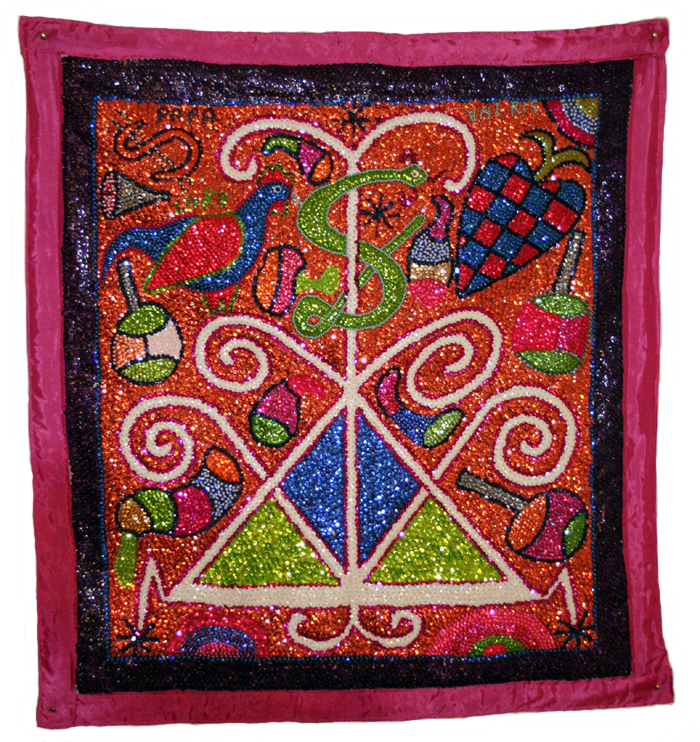 🇭🇹 Haiti and 2 moreHaitian VodouVodou
An Afro-Haitian religion blending West African traditions with Catholicism and FreemasonryTradition · Protection · Healing Living
🇭🇹 Haiti and 2 moreHaitian VodouVodou
An Afro-Haitian religion blending West African traditions with Catholicism and FreemasonryTradition · Protection · Healing Living
 🇲🇽 Mexico and 5 moreWitchcraft in Latin AmericaBrujería
A syncretic blend of Indigenous, African, and European magical practices across Latin AmericaTradition · Protection · Healing Living
🇲🇽 Mexico and 5 moreWitchcraft in Latin AmericaBrujería
A syncretic blend of Indigenous, African, and European magical practices across Latin AmericaTradition · Protection · Healing Living
 🇨🇺 Cuba and 2 moreAbakuá
A male-only Cuban religious fraternity with West African roots and strict secrecyTradition · Protection · Speaking with spirits and the dead Living
🇨🇺 Cuba and 2 moreAbakuá
A male-only Cuban religious fraternity with West African roots and strict secrecyTradition · Protection · Speaking with spirits and the dead Living
 🇯🇲 Jamaica and 5 moreObeah
A Caribbean tradition of ritual healing and spell-casting with African rootsTradition · Protection · Healing Living
🇯🇲 Jamaica and 5 moreObeah
A Caribbean tradition of ritual healing and spell-casting with African rootsTradition · Protection · Healing Living
Related elsewhere
All tradition 🇺🇸 United StatesKahuna
A Hawaiian expert or priest, keeper of hidden knowledge in craft and spiritTradition · Healing · Seeing and foretelling Living
🇯🇵 JapanYutaユタ
Okinawan folk shamans who guide families through spirits and fortune-tellingTradition · Protection · Healing Living
🇺🇸 United StatesKahuna
A Hawaiian expert or priest, keeper of hidden knowledge in craft and spiritTradition · Healing · Seeing and foretelling Living
🇯🇵 JapanYutaユタ
Okinawan folk shamans who guide families through spirits and fortune-tellingTradition · Protection · Healing Living
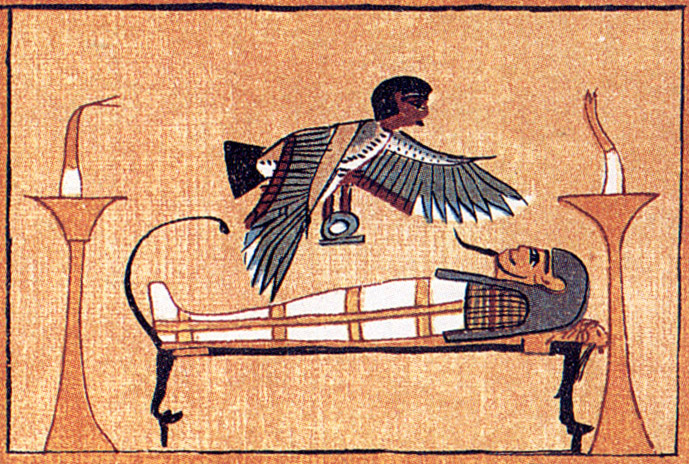 🇸🇪 Sweden and 1 moreSoul flight
A trance practice where the spirit leaves the body to visit other realmsRite · Healing · Seeing and foretelling Historical
🇸🇪 Sweden and 1 moreSoul flight
A trance practice where the spirit leaves the body to visit other realmsRite · Healing · Seeing and foretelling Historical
 🇮🇳 IndiaNechung Oracleགནས་ཆུང་ཏ་བླ་མ
The official prophetic medium and spiritual advisor to Tibet's Dalai LamaOracle · Seeing and foretelling · Protection Living
🇮🇳 IndiaNechung Oracleགནས་ཆུང་ཏ་བླ་མ
The official prophetic medium and spiritual advisor to Tibet's Dalai LamaOracle · Seeing and foretelling · Protection Living