
Spiritual Baptist
from the practice of shouting during vocal prayer and singing
An Afro-Caribbean Christian faith blending African traditions with Baptist worship
The Spiritual Baptist faith is a syncretic religion rooted in the former British West Indies. It combines Christian doctrine with traditional African spiritual practices and is practiced by communities across the Caribbean and North America.
- Banned in Trinidad and Tobago from 1917 to 1951
- Originated among enslaved people in the British West Indies
- Merikins settled Company Villages in Trinidad after 1815
- March 30 is a national holiday in Trinidad and Tobago
- Followers are called Shouters or Shakers locally
What it is
This faith is a blend of Christian belief and African spiritual heritage found in the Caribbean. Followers identify fully as Christians while maintaining unique rituals. The tradition emerged from enslaved communities in the British West Indies. It emphasizes direct spiritual experience and communal worship. Practitioners view their faith as a continuation of both biblical teachings and ancestral customs. The religion operates through local churches and archdioceses across several nations.
Where it comes from
The tradition began in plantation societies of Grenada, Saint Vincent, Tobago, and the Virgin Islands. A separate branch developed in Trinidad through Merikins, formerly enslaved Americans recruited by the British. These settlers arrived after the War of 1812 and established villages east of Princes Town. They brought Baptist beliefs from the Second Great Awakening alongside Gullah culture. British missionaries later influenced these groups, though northern communities retained more African elements than southern ones.
How it is done
Worship involves loud singing, praying, and preaching. Participants wear specific garments that signify their spiritual journey. Men often use headwraps and gowns, leaving the crown of the head bare. Women wear headties, aprons, and belts according to scriptural guidance. Higher-ranking clergy such as bishops may wear surplices over their robes. Services focus on invoking the Holy Spirit through vocal expression and movement.
Tools and materials
Clothing serves as a primary tool for spiritual identification. Head coverings represent different spiritual cities or saints. Aprons and sashes mark progress along the believer's path. The attire varies in color to reflect personal devotion or religious qualities. These items are not merely decorative but hold deep symbolic meaning within the community's ritual life.
Spiritual Baptist, drawn and placed
- Living
- Revived
- Fading
- Historical
- Legendary
- Performed
- Lineage
- Afro-Caribbean Christianity
- Timing
- during worship services and on Liberation Day
What it is for
Believers seek communion with the divine through spirited worship. The faith provides a framework for understanding African ancestry within a Christian context. It offers spiritual protection and healing through prayer. Communities gather to support one another in daily life and crisis. The religion addresses both personal salvation and collective cultural identity.
Who does it
Leaders include shepherds, reverends, and bishops who guide congregations. Training occurs within the church structure through ordination and service. Both men and women participate actively in worship and leadership roles. Historically, some leaders faced persecution for their practices. Today, ordained ministers oversee local churches and maintain doctrinal standards.
Peoples and places
The faith is strongest in Trinidad and Tobago, Barbados, Saint Vincent, and Grenada. In Trinidad, followers are often called Shouters due to their vocal style. In Saint Vincent, they are known as Shakers for their physical movements during praise. The Merikin community in Trinidad maintains a distinct historical lineage. Diaspora populations in Canada and the United States continue these traditions abroad.
At a glance: who, where and when
Peoples
Belief worlds
Occasions
What people believe
The worldview merges Christian theology with African spiritual concepts. Followers believe in the active presence of the Holy Spirit during worship. Ancestral connections are honored alongside biblical figures. The faith rejects strict separation between sacred and secular life. Spiritual experiences are validated through communal recognition and scriptural alignment.
When it is done
Liberation Day on March 30 marks the repeal of the Shouter Prohibition Ordinance. This holiday commemorates the struggle for religious freedom in Trinidad and Tobago. Regular worship occurs throughout the week and on Sundays. Life events such as births and deaths are marked with specific prayers. The calendar reflects both Christian seasons and local historical milestones.
How scholars and sceptics see it
Anthropologists study the faith as an example of religious syncretism. Researchers examine how African traditions survived under colonial rule. Historians analyze the impact of the Shouter Prohibition Ordinance on community development. Scholars note the distinct evolution of the Trinidadian branch compared to other islands. Academic work highlights the resilience of Afro-Caribbean spiritual practices.
Cautions and what is closed
The faith was banned in Trinidad and Tobago from 1917 to 1951. The Shouter Prohibition Ordinance criminalized public worship practices. Followers faced legal penalties and social stigma during this period. The ban ended only after political advocacy led to its repeal. Some terms used to describe practitioners carry negative connotations today.
Compare and confuse
The faith is sometimes confused with Orisha worship in Trinidad. The term Shango Baptist describes individuals practicing both traditions. However, the two religions remain distinct in doctrine and ritual. Orisha worship focuses on different deities and ceremonial structures. Spiritual Baptists maintain clear boundaries between their Baptist roots and African influences.
Law and persecution
Trinidad and Tobago granted a national holiday to recognize the faith's history. The government provided land for headquarters after the prohibition era. Other countries where the faith exists do not offer similar official recognition. Legal status varies by region, with full freedom now established in the Caribbean.
Questions people ask about Spiritual Baptist
What is the Spiritual Baptist faith?
It is a syncretic Afro-Caribbean religion combining Christian beliefs with African spiritual practices. Originating in the British West Indies, it emphasizes direct spiritual experience and communal worship.
Where did the faith originate?
It began in Grenada, Saint Vincent, Tobago, and the Virgin Islands among enslaved communities. A separate branch developed in Trinidad through Merikins, formerly enslaved Americans who settled there after the War of 1812.
Why are followers called Shouters?
The name comes from their vocal style of singing, praying, and preaching loudly during worship. It reflects the intense emotional expression characteristic of their services.
What happened to the faith in Trinidad?
It was prohibited by law from 1917 to 1951. The ban was lifted after political advocacy, leading to the establishment of Liberation Day on March 30 to commemorate the struggle.
Is it related to Orisha worship?
No, they are separate religions. While some individuals practice both, the traditions differ in doctrine and ritual. The term Shango Baptist describes this dual practice but does not merge the faiths.
Good reading and sources
The facts on this page come from the Wikipedia article "Spiritual Baptist", written by its contributors and used under the CC BY-SA 4.0 licence, and from its Wikidata record (CC0). EveryJaadu rewrote the text in its own words, with AI assistance, and compares every page with the article to make sure no passage is copied. It may be reused under the same CC BY-SA 4.0 licence with a link back.
It may contain mistakes. Names and customs differ from one community to the next, and some knowledge is closed to outsiders and left out here. This page describes belief and practice. It does not say that any of it works, it is not a how-to, and it is not medical advice. If something is wrong, tell us. Last refreshed 2026-10-06.
More from Trinidad and Tobago
All the entries from Trinidad and Tobago 🇹🇹 Trinidad and Tobago and 3 moreCaribbean folklore
The blended tales and spirits of the Caribbean islandsTradition · Wonder and entertainment Living
🇹🇹 Trinidad and Tobago and 3 moreCaribbean folklore
The blended tales and spirits of the Caribbean islandsTradition · Wonder and entertainment Living
 🇯🇲 Jamaica and 5 moreObeah
A Caribbean tradition of ritual healing and spell-casting with African rootsTradition · Protection · Healing Living
🇯🇲 Jamaica and 5 moreObeah
A Caribbean tradition of ritual healing and spell-casting with African rootsTradition · Protection · Healing Living
 🇹🇹 Trinidad and Tobago and 4 moreTrinidad Orisha
A syncretic Afro-Caribbean faith blending Yoruba spirit work with Christian and other traditions in Trinidad.Tradition · Speaking with spirits and the dead · Healing Living
🇹🇹 Trinidad and Tobago and 5 moreSoucouyant
A shape-shifting vampire spirit of Caribbean folklore that sheds its skin to fly as a fireballBeing · Cursing and harm Living
🇹🇹 Trinidad and Tobago and 4 moreTrinidad Orisha
A syncretic Afro-Caribbean faith blending Yoruba spirit work with Christian and other traditions in Trinidad.Tradition · Speaking with spirits and the dead · Healing Living
🇹🇹 Trinidad and Tobago and 5 moreSoucouyant
A shape-shifting vampire spirit of Caribbean folklore that sheds its skin to fly as a fireballBeing · Cursing and harm Living
Related elsewhere
All tradition 🇪🇸 Spain and 5 moreSt John's Eve
A Christian vigil marked by bonfires and plant gathering on the summer solstice eveRite · Protection · Speaking with spirits and the dead Living
🇪🇸 Spain and 5 moreSt John's Eve
A Christian vigil marked by bonfires and plant gathering on the summer solstice eveRite · Protection · Speaking with spirits and the dead Living
 🇮🇳 India and 2 moreHomaहोम
A fire ritual found across Asian religions where offerings are burned as a votive exchange with the divine.Rite · Protection · Speaking with spirits and the dead Living
🇮🇳 India and 2 moreHomaहोम
A fire ritual found across Asian religions where offerings are burned as a votive exchange with the divine.Rite · Protection · Speaking with spirits and the dead Living
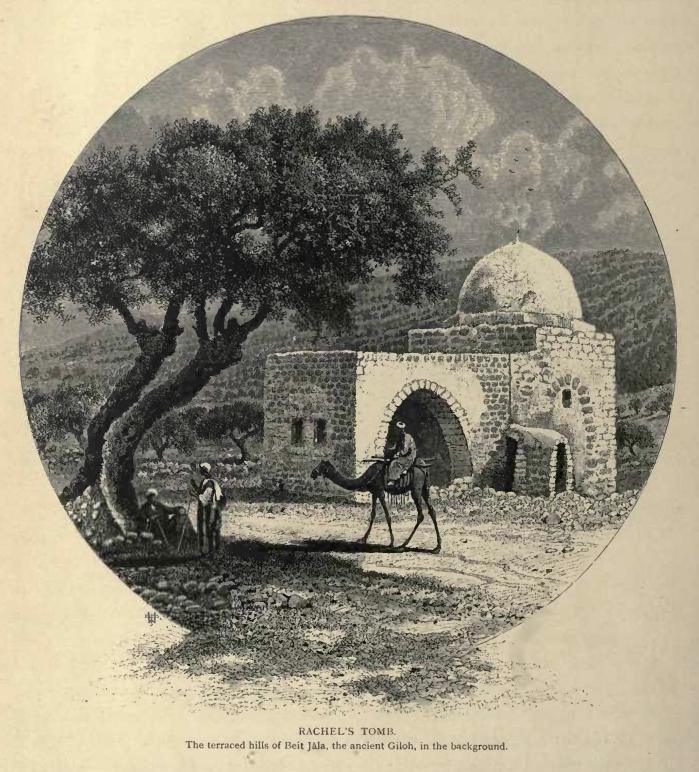 🇵🇸 Palestine and 1 moreRachel's TombQever Raḥel; Qabr Rāḥīl
A shared holy site near Bethlehem revered by Jews, Christians, and MuslimsTradition · Speaking with spirits and the dead · Protection Living
🇳🇿 New ZealandKarakia
Māori recitations used for spiritual guidance, protection, and formal greetingsTradition · Protection · Speaking with spirits and the dead Living
🇵🇸 Palestine and 1 moreRachel's TombQever Raḥel; Qabr Rāḥīl
A shared holy site near Bethlehem revered by Jews, Christians, and MuslimsTradition · Speaking with spirits and the dead · Protection Living
🇳🇿 New ZealandKarakia
Māori recitations used for spiritual guidance, protection, and formal greetingsTradition · Protection · Speaking with spirits and the dead Living