
Trick-or-treating
from the phrase 'trick or treat', implying mischief if no reward is given
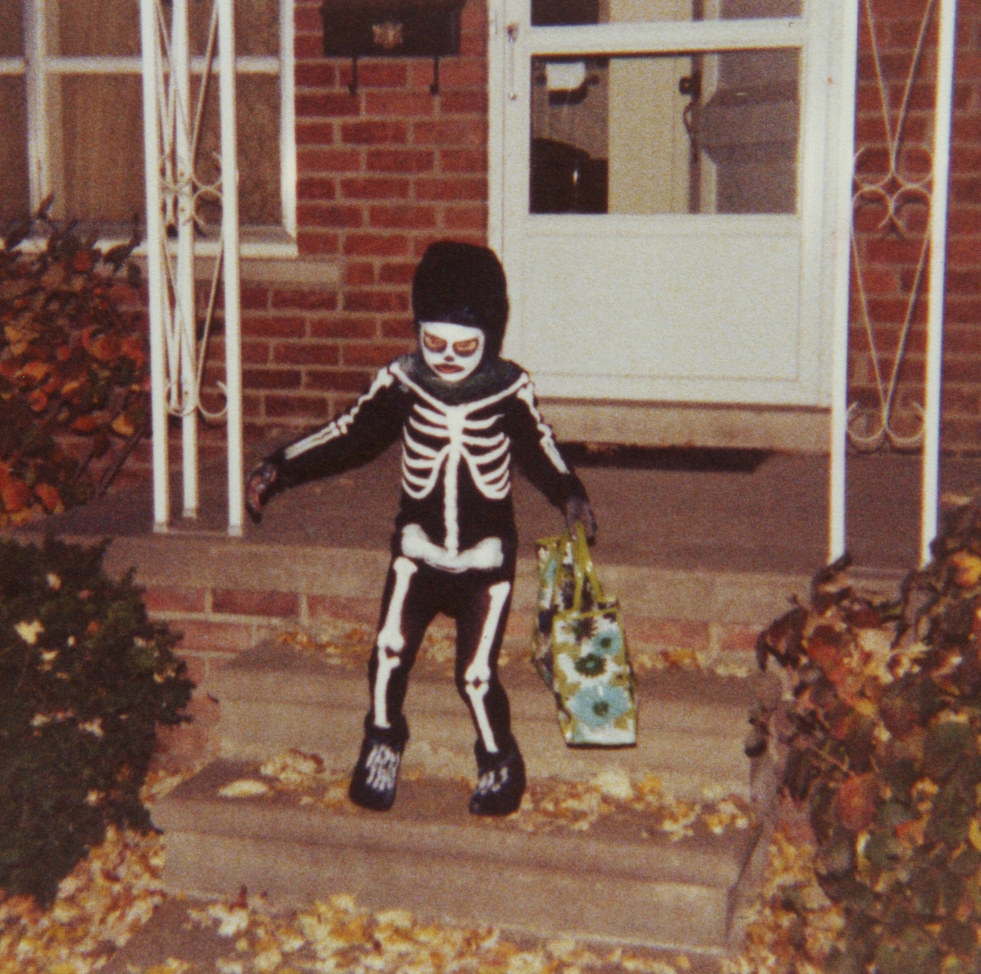
A Halloween custom where costumed visitors ask for treats from homes
Trick-or-treating is a seasonal practice on the night of October 31. Children and adults wear costumes to visit residences and request sweets or money. The tradition originated in Scotland and Ireland as guising and souling before spreading globally.
- The phrase 'trick or treat' first appeared in Ontario in 1917.
- Scottish guising dates back to at least the sixteenth century.
- Mexican children ask for 'calaverita' or little sugar skulls.
- Medieval souling involved begging soul cakes for prayers.
- Costumes originally protected wearers from roaming spirits.
What it is
This activity involves people wearing disguises to visit neighbors on Halloween night. They ask for food or money by saying specific phrases. If they receive nothing, they may threaten minor pranks. It is a secular social event enjoyed by children and adults in many nations. The practice blends older religious rituals with modern entertainment.
Where it comes from
The custom stems from medieval European traditions like souling and guising. Souling involved begging soul cakes for prayers for the dead. Guising required performances in exchange for treats. These practices began in Scotland and Ireland centuries ago. North American records show similar activities starting in the late nineteenth century. The specific phrase 'trick or treat' appeared in Canada around 1917.
How it is done
Visitors dress up in masks or costumes. They walk door-to-door in their neighborhoods. They knock on doors and announce their presence. Residents who wish to participate leave lights on or decorations outside. Guests recite poems, sing songs, or tell jokes. Hosts provide candy, fruit, or coins. Some homes simply place treats on porches for anyone to take.
Tools and materials
Participants wear elaborate costumes and masks. Traditional items include carved turnip lanterns. Modern hosts provide packaged sweets and chocolate. Coins or small bills serve as alternative rewards. Decorations signal that a house is open to visitors.
Trick-or-treating, drawn and placed
- Living
- Revived
- Fading
- Historical
- Legendary
- Performed
- Lineage
- Halloween customs
- Timing
- night of October 31
What it is for
The main goal is to receive confectionery or currency. It serves as a community bonding activity during the festival season. Historically, it was believed to appease spirits or fairies. Today, it functions primarily as a playful social ritual for families and youth.
Who does it
Children are the primary participants in this activity. Adults also join in, often wearing humorous outfits. Performers gain recognition through their costumes and verses. Households act as hosts, providing rewards to guests. The role requires no formal training or initiation.
Peoples and places
The practice is widespread in English-speaking countries. Scots and Irish maintain strong links to the original guising form. Americans and Canadians adopted the 'trick or treat' slogan later. In Mexico, a variant called calaverita exists. Other European nations have similar historical beggar customs.
At a glance: who, where and when
Belief worlds
Occasions


What people believe
Older versions linked the custom to Samhain and All Saints Day. People believed spirits roamed the earth during this time. Disguises were thought to protect wearers from harmful entities. Offering food helped appease these supernatural forces. Modern practitioners generally view the activity as purely festive.
When it is done
The event occurs strictly on the evening of October 31. It aligns with the transition into November. Historical roots connect it to Allhallowtide and Samhain festivals. The timing marks the beginning of winter in Celtic tradition.
How scholars and sceptics see it
Historians trace the lineage to medieval Christian and pagan rites. Anthropologists note the shift from religious supplication to secular play. Researchers highlight the Canadian origin of the modern catchphrase. Scholars compare the practice to ancient Greek door-to-door begging customs.
Cautions and what is closed
Occasional vandalism occurs when demands are not met. This represents a minority of participants. Safety concerns exist regarding traffic and stranger danger. Communities often organize supervised events to mitigate risks.
Compare and confuse
The custom resembles the ancient Rhodian swallow song. It shares elements with Christmas caroling and Easter egg hunts. Mexican calaverita focuses on sugar skulls rather than general candy. British souling emphasized religious prayers over playful threats.
Days linked to Trick-or-treating
Questions people ask about Trick-or-treating
What is trick-or-treating?
It is a Halloween custom where costumed people visit homes to ask for candy or money. Visitors may threaten minor pranks if they receive nothing. It is a popular social activity in many Western countries.
Where did the tradition originate?
The practice evolved from Scottish and Irish guising and medieval European souling. These older customs involved performing for food or praying for souls. The modern phrase originated in Canada in the early twentieth century.
What does the phrase mean?
The phrase offers a choice between a treat or a trick. It implies that the host should give candy to avoid a prank. The threat is usually idle and part of the playful ritual.
How do houses indicate they are participating?
Hosts often leave porch lights on or display Halloween decorations. Some places put treats directly on the porch. These signals tell visitors that candy is available inside.
Good reading and sources
- Research Guides: Halloween & Día de Muertos Resources: IntroductionLibrary of Congress, Article
- A very Derry Halloween: a carnival of frights, fireworks and paradesThe Guardian, Article
- Trick-or-treating on WikipediaEncyclopedia
- More photos on Wikimedia CommonsPhotos and video
- Wikidata recordOpen data
The facts on this page come from the Wikipedia article "Trick-or-treating", written by its contributors and used under the CC BY-SA 4.0 licence, and from its Wikidata record (CC0). EveryJaadu rewrote the text in its own words, with AI assistance, and compares every page with the article to make sure no passage is copied. It may be reused under the same CC BY-SA 4.0 licence with a link back.
It may contain mistakes. Names and customs differ from one community to the next, and some knowledge is closed to outsiders and left out here. This page describes belief and practice. It does not say that any of it works, it is not a how-to, and it is not medical advice. If something is wrong, tell us. Last refreshed 2026-10-05.
More from Ireland
All the entries from Ireland 🇮🇪 Ireland and 5 moreCairn
A human-made stack of stones used as a marker, memorial, or religious symbol across many cultures.Tradition · Protection · Speaking with spirits and the dead Living
🇬🇧 United Kingdom and 4 moreTelling the bees
A Western European custom of informing bees about major household eventsRite · Protection · Speaking with spirits and the dead Living
🇮🇪 Ireland and 5 moreCairn
A human-made stack of stones used as a marker, memorial, or religious symbol across many cultures.Tradition · Protection · Speaking with spirits and the dead Living
🇬🇧 United Kingdom and 4 moreTelling the bees
A Western European custom of informing bees about major household eventsRite · Protection · Speaking with spirits and the dead Living
 🇮🇪 Ireland and 4 moreTrial by combat
A medieval legal practice where two disputants fought to settle a caseRite · Cursing and harm Historical
🇮🇪 Ireland and 4 moreTrial by combat
A medieval legal practice where two disputants fought to settle a caseRite · Cursing and harm Historical
 🇬🇧 United Kingdom and 4 moreCorn dolly
A woven straw figure made from the last sheaf of a European harvest to house the crop spirit.Tradition · Protection · Speaking with spirits and the dead Revived
🇬🇧 United Kingdom and 4 moreCorn dolly
A woven straw figure made from the last sheaf of a European harvest to house the crop spirit.Tradition · Protection · Speaking with spirits and the dead Revived
Related elsewhere
All tradition 🇪🇬 EgyptSham Ennessimشم النسيم
An Egyptian spring holiday marked by picnics, colored eggs, and salted fishTradition · Luck and prosperity · Wonder and entertainment Living
🇪🇬 EgyptSham Ennessimشم النسيم
An Egyptian spring holiday marked by picnics, colored eggs, and salted fishTradition · Luck and prosperity · Wonder and entertainment Living
 🇯🇵 Japan and 2 moreTanabataたなばた (七夕)
A Japanese celebration of star-crossed lovers and written wishesTradition · Luck and prosperity · Wonder and entertainment Living
🇯🇵 Japan and 2 moreTanabataたなばた (七夕)
A Japanese celebration of star-crossed lovers and written wishesTradition · Luck and prosperity · Wonder and entertainment Living
 🇮🇳 India and 5 moreSnake charming
A street performance using a gourd flute to make snakes swayIllusion · Wonder and entertainment · Luck and prosperity Fading
🇮🇳 India and 5 moreSnake charming
A street performance using a gourd flute to make snakes swayIllusion · Wonder and entertainment · Luck and prosperity Fading
 🇯🇵 JapanKitsunebi狐火
Atmospheric ghost lights in Japanese folklore, often linked to foxes and natural phenomena.Belief · Wonder and entertainment · Luck and prosperity Historical
🇯🇵 JapanKitsunebi狐火
Atmospheric ghost lights in Japanese folklore, often linked to foxes and natural phenomena.Belief · Wonder and entertainment · Luck and prosperity Historical