
Cairn
from Irish carn, meaning a pile of stones
A human-made stack of stones used as a marker, memorial, or religious symbol across many cultures.
Cairns are piles of rocks built by people for specific purposes. They serve as trail markers, burial monuments, and sacred sites in regions from Ireland to Mongolia. Practitioners and hikers add stones to them for luck, respect, or navigation.
- The word cairn comes from the Irish carn.
- They mark trails, graves, and sacred sites.
- Mongolian ovoos are used in Buddhist ceremonies.
- Adding stones brings good luck in Korea.
- Excessive rock piling damages national parks.
What it is
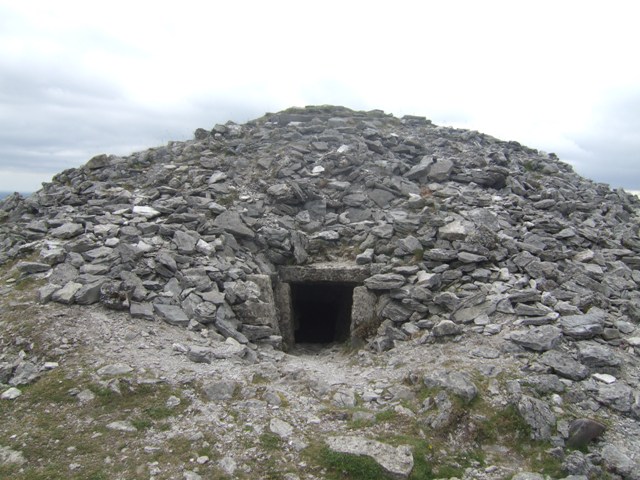
A cairn is a structure made by stacking stones. People build these piles for many reasons. They mark paths on mountains. They cover graves of the dead. Some act as religious altars. Others serve as landmarks for travelers. The size varies greatly. Some are small heaps. Others are large artificial hills. The purpose depends on the culture and location.
Where it comes from
The word comes from the Irish carn. It shares roots with other Celtic languages like Welsh and Breton. The practice dates back to prehistory in Eurasia. Early builders used them for burials and memorials. Some contained chambers for bodies. The term originally described natural stone piles too. Today it refers only to human-made structures.
How it is done
Builders gather loose stones from the ground. They stack them into a cone or mound. In some places, people carry stones up hills to add to existing piles. This adds weight and height over time. In others, stones are placed carefully to form a wall. Paint may be applied for visibility. In religious contexts, stones are added during ceremonies.
Tools and materials
The primary tool is the hand. Builders use available rocks and pebbles. No special equipment is required. In some regions, white paint is used to make cairns visible from a distance. These painted marks help sailors and hikers navigate difficult terrain.
Cairn, drawn and placed
- Living
- Revived
- Fading
- Historical
- Legendary
- Performed
- Lineage
- Folk tradition and indigenous practice
- Timing
- during travel, death, or daily rituals
What it is for
People build cairns to guide travelers. They mark safe routes through rough land. They honor those who have died. Families add stones to remember the deceased. In some traditions, they bring good luck. Others believe they protect spirits. Some serve as shrines to mountain gods.
Who does it
Any person can build a cairn. Hikers often add stones to trails. Indigenous communities perform specific rituals. Shamans and elders may lead ceremonies. In some cultures, only men build battle cairns. Women may add stones for healing. The act is open to all who respect the site.
Peoples and places
Cairns appear worldwide. Celts built them in Ireland and Britain. Mongols create ovoo shrines for Tengriist rites. Hawaiians build ahu for ancestors. Klamath and Modoc tribes use them for spirit dreams. Quechuan peoples in the Andes maintain spiritual cairns. Each group has unique customs for construction and use.
At a glance: who, where and when



What people believe
Many cultures view cairns as sacred. Stones represent permanence and soul longevity. Adding a stone shows respect for the dead. In Korea, stones honor the Mountain Spirit. In Mongolia, ovoos connect humans to sky gods. Some legends say cairns contain enchanted soldiers. Others believe they ward off evil spirits.
When it is done
Cairns are built whenever needed. Travelers add stones on journeys. Families visit graves at any time. Some festivals involve building new piles. In Mongolia, ceremonies occur at specific times. Daily life often includes adding small rocks to roadside markers.
How scholars and sceptics see it
Archaeologists study cairns for historical data. They date structures to understand past societies. Anthropologists analyze their role in community identity. Skeptics view them as practical tools. Some researchers note environmental damage from excessive rock piling. Studies focus on preservation versus tradition.
Cautions and what is closed
Building unnecessary cairns harms nature. Visitors remove rocks from fragile ecosystems. This damages geological features. Park services warn against this practice. It is considered vandalism in protected areas. Some sites are closed to outsiders due to sacred status. Touching ritual stones may be forbidden.
Compare and confuse
Cairns differ from tumuli which use earth. They resemble inuksuit but lack complex shapes. Stupas contain ashes rather than just stones. Gromila in Croatia serve similar marking roles. Moledro in Portugal has mythological origins. All share the basic concept of stacked rock.
Questions people ask about Cairn
What is a cairn?
A cairn is a human-made pile of stones. People build them for navigation, burial, or religious purposes. They range from small heaps to large mounds.
Where does the word come from?
It derives from the Irish word carn. This root appears in other Celtic languages like Welsh and Breton with similar meanings.
Why do people add stones to cairns?
Travelers add stones to mark trails. Others add them to honor the dead or gain good luck. It is a gesture of respect or prayer.
Are cairns dangerous to build?
Building them in protected areas harms nature. Removing rocks damages ecosystems. Many parks forbid creating new cairns to preserve the landscape.
Good reading and sources
- Encyclopaedia BritannicaArticle
- Apachetas of Chivay in ChivayAtlas Obscura, Article
- Head-Smashed-In Buffalo JumpUNESCO, Heritage listing
- Clava Cairns: Monuments to Memory and MoreWorld History Encyclopedia, Article
- Cairn on WikipediaEncyclopedia
- More photos on Wikimedia CommonsPhotos and video
- Wikidata recordOpen data
The facts on this page come from the Wikipedia article "Cairn", written by its contributors and used under the CC BY-SA 4.0 licence, and from its Wikidata record (CC0). EveryJaadu rewrote the text in its own words, with AI assistance, and compares every page with the article to make sure no passage is copied. It may be reused under the same CC BY-SA 4.0 licence with a link back.
It may contain mistakes. Names and customs differ from one community to the next, and some knowledge is closed to outsiders and left out here. This page describes belief and practice. It does not say that any of it works, it is not a how-to, and it is not medical advice. If something is wrong, tell us. Last refreshed 2026-10-05.
More from Ireland
All the entries from Ireland 🇬🇧 United Kingdom and 2 moreKing ArthurBrenin Arthur
A legendary British king and folk hero of medieval literature and Welsh mythologyFigure · Power and authority · Wonder and entertainment Legendary
🇮🇪 IrelandFetch
A spectral double of a living person, seen as an omen of death or long life.Being · Seeing and foretelling Historical
🇬🇧 United Kingdom and 2 moreKing ArthurBrenin Arthur
A legendary British king and folk hero of medieval literature and Welsh mythologyFigure · Power and authority · Wonder and entertainment Legendary
🇮🇪 IrelandFetch
A spectral double of a living person, seen as an omen of death or long life.Being · Seeing and foretelling Historical
 🇬🇧 United Kingdom and 4 moreCorn dolly
A woven straw figure made from the last sheaf of a European harvest to house the crop spirit.Tradition · Protection · Speaking with spirits and the dead Revived
🇬🇧 United Kingdom and 4 moreCorn dolly
A woven straw figure made from the last sheaf of a European harvest to house the crop spirit.Tradition · Protection · Speaking with spirits and the dead Revived
 🇮🇪 IrelandLia Fáil
A standing stone at the Hill of Tara used for royal inaugurations in Irish legendCharm · Power and authority Historical
🇮🇪 IrelandLia Fáil
A standing stone at the Hill of Tara used for royal inaugurations in Irish legendCharm · Power and authority Historical
Related elsewhere
All tradition 🇮🇳 India and 1 moreNavagrahaनवग्रह
A group of nine celestial deities in Hinduism that govern fate and astrologyTradition · Protection · Luck and prosperity Living
🇮🇳 India and 1 moreNavagrahaनवग्रह
A group of nine celestial deities in Hinduism that govern fate and astrologyTradition · Protection · Luck and prosperity Living
 🇮🇳 IndiaBhuta KolaBhūta Kōla
A Tulu folk dance and ritual where spirits are channelled into human performersTradition · Protection · Speaking with spirits and the dead Living
🇮🇳 IndiaBhuta KolaBhūta Kōla
A Tulu folk dance and ritual where spirits are channelled into human performersTradition · Protection · Speaking with spirits and the dead Living
 🇸🇩 Sudan and 5 moreIncense
Aromatic plant materials burned to release fragrant smoke for ritual, scent, or timekeeping.Substance · Protection · Speaking with spirits and the dead Living
🇸🇩 Sudan and 5 moreIncense
Aromatic plant materials burned to release fragrant smoke for ritual, scent, or timekeeping.Substance · Protection · Speaking with spirits and the dead Living
 🇮🇳 India and 1 moreRangoliरंगोली
Floor art made with coloured powders and flowers to welcome guests and deitiesTradition · Protection · Luck and prosperity Living
🇮🇳 India and 1 moreRangoliरंगोली
Floor art made with coloured powders and flowers to welcome guests and deitiesTradition · Protection · Luck and prosperity Living