Tết
In its own language: Tết Nguyên Đán
from Sino-Vietnamese terms meaning 'festival' and 'first day'
The Vietnamese lunisolar new year and the most important annual celebration in Vietnam
Tết is the Vietnamese lunisolar new year, marking the arrival of spring on the first day of the first lunar month. It is the most significant cultural festival for Vietnamese people and their diaspora, involving family reunions, ancestor veneration, and specific customs to ensure luck and harmony for the coming year.
- Tết means 'festival' but refers specifically to the Lunar New Year
- The first visitor determines the family's luck for the entire year
- Red envelopes containing money are given to children and elders
- Yellow and peach blossoms are used to decorate homes
- Sweeping is taboo during the first days to avoid losing luck
What it is
Tết, short for Tết Nguyên Đán, is the primary celebration in Vietnamese culture. It marks the arrival of spring according to the lunisolar calendar, typically falling between late January and February. The term translates to the feast of the first day. While Tết Trung Thu is the second-most important festival, Tết stands as the central event for the Vietnamese people and their global diaspora. It serves as a time to reset social bonds, honor ancestors, and welcome fortune into the home for the year ahead.
Where it comes from
Scholars debate whether Tết originated from Chinese influence or indigenous Vietnamese practices. Some historical materials suggest it dates back to the Hùng kings, over a thousand years before Chinese domination. Other researchers point to the Han Dynasty conquest in 111 BC as the period when the holiday was introduced. Despite these origins, Vietnam developed distinct traditions, such as specific zodiac animals and culinary customs, that separate it from other East Asian lunar celebrations.
How it is done
Preparations begin two weeks before the new year with house cleaning and grave tending. On New Year's Eve, families gather for rituals and fireworks to ward off evil spirits. The first day is reserved for immediate family, where children receive red envelopes. Visitors are carefully selected to ensure good luck, as the first guest determines the household's fortune. Conflict is avoided, and debts are settled beforehand to start the year with harmony.
Tools and materials
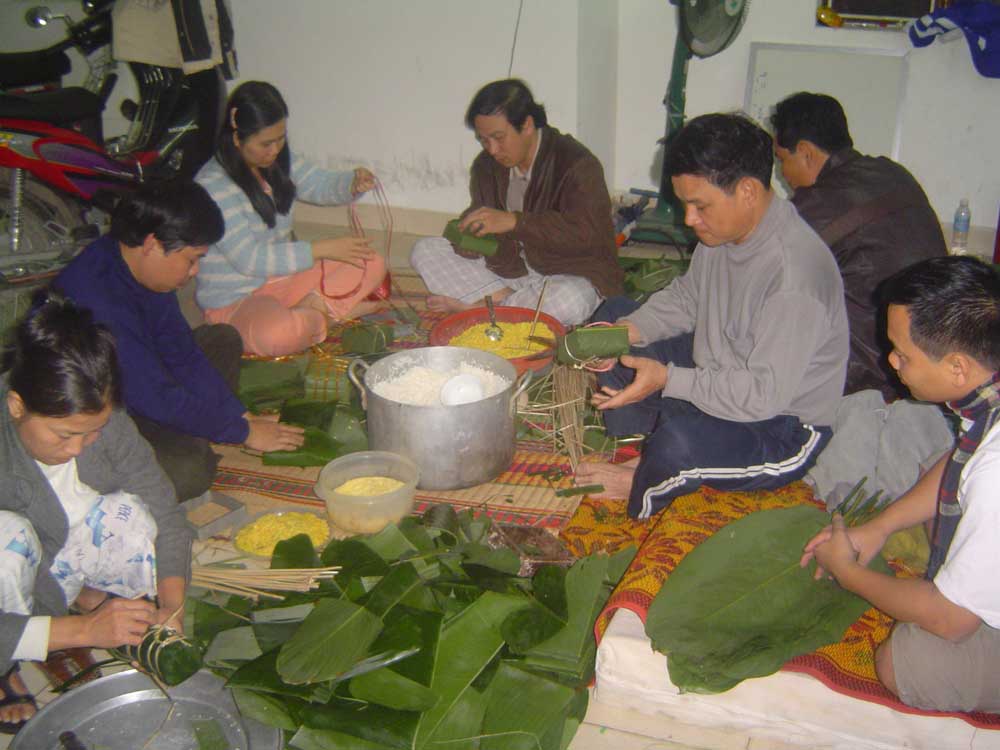
Families display yellow ochna blossoms in the south and peach blossoms in the north. A bamboo pole called cây nêu is erected to protect the home. Traditional foods include bánh chưng (sticky rice cakes) and canh khổ qua. Red envelopes contain lucky money given to children. Decorations often feature kumquat trees symbolizing fertility and various flowers representing longevity.
Tết, drawn and placed
- Living
- Revived
- Fading
- Historical
- Legendary
- Performed
- Lineage
- East Asian Lunar New Year traditions
- Timing
- late January to mid-February
What it is for
The festival aims to bring luck, prosperity, and harmony to the household. It is believed that actions on the first day influence the entire year. Families seek to cleanse the past year's troubles and commune with ancestors through veneration. The exchange of greetings and gifts reinforces social ties and ensures a happy, successful year for all members.
Who does it
Tết is primarily a household affair, celebrated by families across Vietnam and abroad. Elders play a key role in giving blessings and money to younger generations. Teachers are honored on the third day, reflecting the cultural value placed on education. Local Buddhist temples see increased visits for donations and fortune-telling during this period.
Peoples and places
The tradition is central to Vietnamese identity, observed by communities in Vietnam, China, the United States, Australia, Canada, and Cambodia. While sharing roots with Chinese New Year, Tết has unique regional variations within Vietnam. Northern and Southern practices differ in floral choices and specific terminology for receiving guests, yet the core values of family and respect remain consistent.
At a glance: who, where and when
Who does it
Peoples
Belief worlds


What people believe
Vietnamese cosmology views Tết as a critical juncture in the agricultural and spiritual cycle. The kitchen gods report to the Jade Emperor, influencing the family's fate. Ancestors are believed to return to share meals with the living. The concept of xông đất highlights the belief that external influences can directly impact internal household fortune, requiring careful management of visitors and behavior.
When it is done
Tết occurs on the first day of the first lunar month, usually between late January and mid-February. The celebration spans three days: the eve, the first day for family, and subsequent days for friends and teachers. Schools close for a week, allowing full participation in the festivities. The timing aligns with the spring equinox, marking the beginning of the farming cycle.
Questions people ask about Tết
What does Tết mean?
Tết is short for Tết Nguyên Đán, which translates to the feast of the first day. It is the most important festival in Vietnamese culture, marking the lunisolar new year and the arrival of spring.
When is Tết celebrated?
Tết falls on the first day of the first lunar month, typically between late January and mid-February in the Gregorian calendar. The celebration lasts for several days, starting with preparations and ending after the third day of the new year.
Why is the first visitor important?
It is believed that the first person to enter a home on the first day of Tết determines the family's fortune for the entire year. Families invite respected, successful individuals to ensure good luck and avoid strangers who might bring bad omens.
Good reading and sources
- Tết on WikipediaEncyclopedia
- More photos on Wikimedia CommonsPhotos and video
- Wikidata recordOpen data
The facts on this page come from the Wikipedia article "Tết", written by its contributors and used under the CC BY-SA 4.0 licence, and from its Wikidata record (CC0). EveryJaadu rewrote the text in its own words, with AI assistance, and compares every page with the article to make sure no passage is copied. It may be reused under the same CC BY-SA 4.0 licence with a link back.
It may contain mistakes. Names and customs differ from one community to the next, and some knowledge is closed to outsiders and left out here. This page describes belief and practice. It does not say that any of it works, it is not a how-to, and it is not medical advice. If something is wrong, tell us. Last refreshed 2026-10-05.
More from Vietnam
All the entries from Vietnam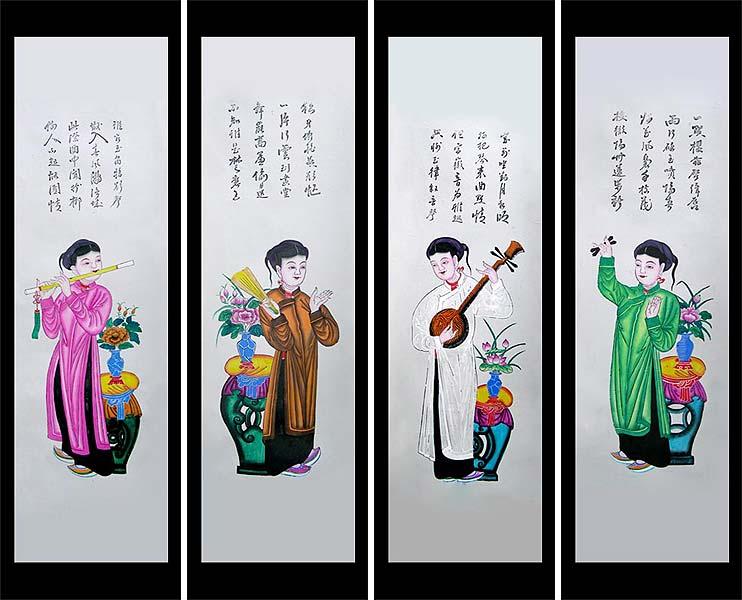 🇻🇳 Vietnam and 1 moreVietnamese folk religiontín ngưỡng dân gian Việt Nam
A collection of local spirit worship and ancestral veneration in VietnamTradition · Protection · Healing Living
🇻🇳 Vietnam and 1 moreVietnamese folk religiontín ngưỡng dân gian Việt Nam
A collection of local spirit worship and ancestral veneration in VietnamTradition · Protection · Healing Living
 🇹🇭 Thailand and 7 moreSpirit house
A small roofed shrine that shelters a place's protective spiritCharm · Protection Living
🇹🇭 Thailand and 7 moreSpirit house
A small roofed shrine that shelters a place's protective spiritCharm · Protection Living
 🇲🇾 Malaysia and 5 morePenanggalan
A floating head with trailing organs from Malay folklore, said to hunt pregnant women and newborns.Being · Cursing and harm Legendary
🇲🇾 Malaysia and 5 morePenanggalan
A floating head with trailing organs from Malay folklore, said to hunt pregnant women and newborns.Being · Cursing and harm Legendary
 🇻🇳 Vietnam and 4 moreLên đồng
A Vietnamese ritual where mediums enter trance to channel spiritsRite · Speaking with spirits and the dead · Protection Living
🇻🇳 Vietnam and 4 moreLên đồng
A Vietnamese ritual where mediums enter trance to channel spiritsRite · Speaking with spirits and the dead · Protection Living
Related elsewhere
All tradition 🇮🇪 Ireland and 5 moreBonfire
A large outdoor fire used in seasonal festivals and religious feasts across many culturesRite · Cleansing and purification · Speaking with spirits and the dead Living
🇮🇪 Ireland and 5 moreBonfire
A large outdoor fire used in seasonal festivals and religious feasts across many culturesRite · Cleansing and purification · Speaking with spirits and the dead Living
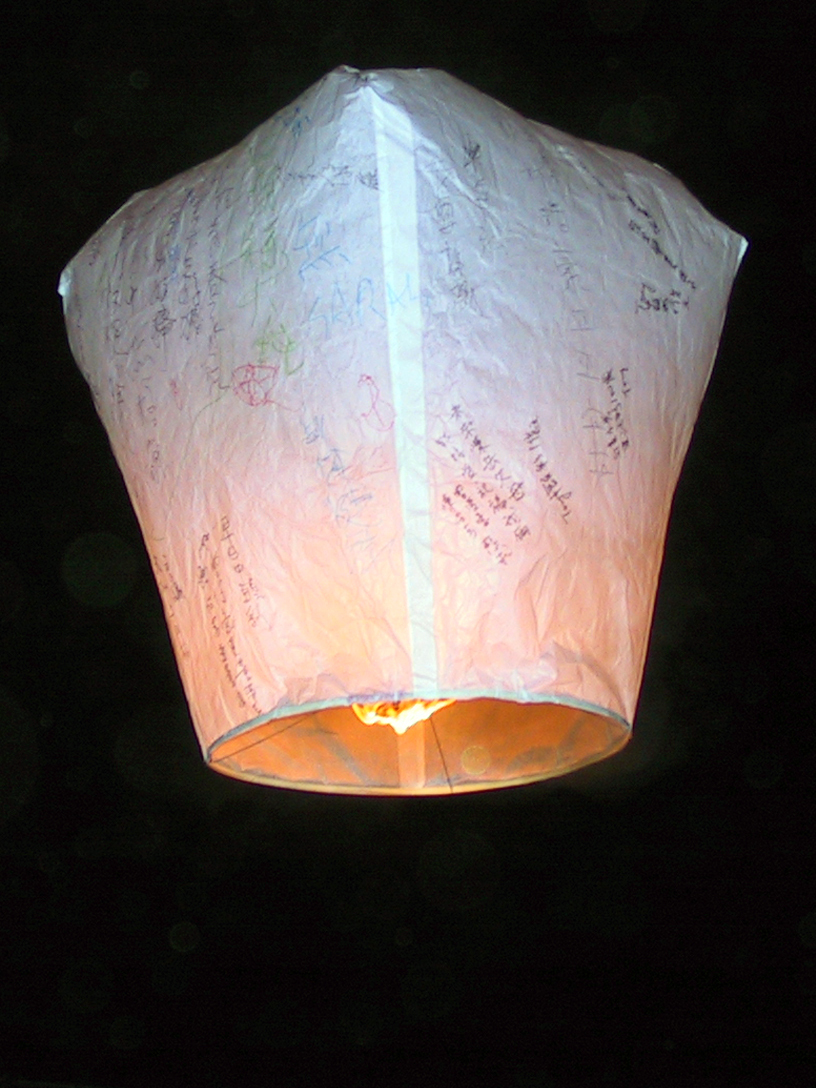 🇨🇳 China and 5 moreSky lantern天燈
A paper hot air balloon lifted by flame to carry wishes and blessingsRite · Luck and prosperity · Protection Living
🇨🇳 China and 5 moreSky lantern天燈
A paper hot air balloon lifted by flame to carry wishes and blessingsRite · Luck and prosperity · Protection Living
 🇸🇪 Sweden and 5 moreMidsummerJāņi; Joninės; Jaanipäev; Enyovden; Litha; Juhannus
A summer solstice festival marked by bonfires, maypole dancing, and feasting across Europe.Tradition · Protection · Luck and prosperity Living
🇨🇳 China and 4 moreKitchen God灶君
The Chinese hearth deity who reports domestic conduct to the Jade EmperorBeing · Protection · Luck and prosperity Living
🇸🇪 Sweden and 5 moreMidsummerJāņi; Joninės; Jaanipäev; Enyovden; Litha; Juhannus
A summer solstice festival marked by bonfires, maypole dancing, and feasting across Europe.Tradition · Protection · Luck and prosperity Living
🇨🇳 China and 4 moreKitchen God灶君
The Chinese hearth deity who reports domestic conduct to the Jade EmperorBeing · Protection · Luck and prosperity Living