Christian: magic in this belief world
Blessings, saints' relics, exorcism, folk charms and the long Church argument about magic.
Christianity has had a long, tense relationship with magic. The Church blessed objects, honoured saints and relics, performed exorcisms, and also condemned sorcery and witchcraft. Folk Christianity around the world mixes prayer, charms, holy water, saints' medals and healing rites. This page covers how Christian churches have defined, absorbed and punished magic, and how the story differs across continents. Christianity includes Catholic, Orthodox, Protestant, Pentecostal and independent African and Asian churches, each with its own view of magic.
Blessing and the sacramental world
Catholic and Orthodox Christianity have a rich set of blessings and sacramentals: holy water, candles, medals, icons, relics and the sign of the cross. Believers hold that these work through God and the Church, not by themselves. Protestants largely rejected this system as superstition, and Pentecostals have developed their own deliverance and healing practice. The Orthodox churches give the blessing of homes, boats and fields a central place, and Catholic practice includes pilgrimage, processions and prayer to saints for specific needs, such as St Jude for hard cases.
Exorcism, witch trials and the Church
The Church has a formal rite of exorcism, used rarely and by authorised priests. European witch trials, which involved both Catholic and Protestant courts, killed tens of thousands between about 1450 and 1750. Historians such as Brian Levack stress that most trials were run by secular authorities. Modern accusations by some churches against children in parts of Africa have led to abuse. Protestant reformers broke with this system, and from the sixteenth century the burning of witches was supported by many Protestant authorities and many Catholic ones, though other clergy and judges spoke against it.
Missions and renaming
Missionaries often labelled Indigenous religions as devil worship and fetishism, and suppressed rites. In Latin America and Africa, many practices went underground or fused with Christianity: Santeria with Catholic saints, Vodou with Catholic imagery, Andean offerings with saints' days. Independent African churches and the Brazilian Spiritists grew from these meetings. Pentecostal and charismatic churches, which have grown fast in Africa, Latin America and Asia, offer healing, prophecy and deliverance as part of their worship, and are criticised by some for demonising local traditions.
Folk practice and today
Folk Christianity includes St Anthony charms for lost items, the St Christopher medal for travel, the Orthodox Easter fire, and the Mexican cult of Santa Muerte, which the Church rejects. Prosperity preaching sells faith-linked results, and some pastors charge for miracles. Scholars note that the line between religion and magic was drawn largely by Christian writers. Historians, such as Eamon Duffy and Keith Thomas, have shown that medieval Christianity was shot through with practices that later reformers redefined as magic.
Christian on EveryJaadu
The entries written up so far, best known first.
 🇺🇸 United States and 5 moreSatanism
A modern set of beliefs using the figure of Satan as a symbol or deity.Tradition · Power and authority · Cursing and harm Living
 🇪🇬 EgyptCurse
A spoken wish for harm, often backed by ritual or divine authorityBelief · Cursing and harm · Protection Historical
 🇫🇷 FranceHoly GrailSaint Graal
A cup or stone from Arthurian legend with miraculous powersFigure · Healing · Luck and prosperity Legendary
 🇪🇬 Egypt and 5 moreAmulet
A portable object worn or carried to ward off harm and invite fortuneCharm · Protection · Luck and prosperity Living
 🇪🇸 SpainBasque witch trials
A seventeenth-century Inquisition campaign against alleged witches in the Basque Country.Belief · Cursing and harm Historical
 🇫🇷 FranceThree Books of Occult PhilosophyDe occulta philosophia libri III
A Renaissance treatise on elemental, celestial, and divine magic by Heinrich Cornelius AgrippaText · Healing · Protection Historical
 🇬🇧 United Kingdom and 7 moreSaint Andrew's Day
A Christian feast day marked by national holidays in Scotland and Romania, and folk divination across Europe.Rite · Seeing and foretelling · Luck and prosperity Living
 🇪🇬 Egypt and 3 moreEx-voto
A gift left in a shrine to mark a vow kept or a miracle receivedCharm · Protection · Healing Living
 🇮🇪 Ireland and 5 moreFairy
A European spirit with magical powers and human form found in folklore and artBeing · Protection · Cursing and harm Legendary
 🇵🇭 PhilippinesPhilippine mythology
The indigenous stories and spirits of the Philippines, shaped by centuries of trade and colonization.Tradition · Speaking with spirits and the dead · Power and authority Living
 🇩🇪 GermanyTrier witch trials
A series of mass executions in the Holy Roman Empire between 1581 and 1593.Belief · Cursing and harm Historical
 🇬🇷 Greece and 5 moreVotive offering
Objects left in sacred places to honor a deity or fulfill a vow, never to be recovered.Tradition · Protection · Healing Living
 🇪🇸 SpainDirectorium Inquisitorum
A 14th-century manual for inquisitors on heresy, magic, and trial procedureText · Cursing and harm · Power and authority Historical
 🇭🇹 Haiti and 2 moreLwa
Spirits in Haitian Vodou that mediate between people and the creator god.Being · Protection · Healing Living
🇵🇱 Poland and 4 moreWitch trials in Poland
A historical record of sorcery prosecutions and executions in Poland from the 15th to the 19th century.Belief · Cursing and harm Historical
 🇯🇲 Jamaica and 5 moreObeah
A Caribbean tradition of ritual healing and spell-casting with African rootsTradition · Protection · Healing Living
🇫🇷 France and 3 moreChristian Kabbalah
A Renaissance effort to read Christian theology into Jewish mysticismTradition · Speaking with spirits and the dead · Cursing and harm Historical
 🇮🇳 India and 5 moreSnake worship
Veneration of serpents as divine or ancestral beings across global culturesTradition · Protection · Healing Living
 🇪🇸 Spain and 1 moreAlonso de Salazar Frías
An inquisitor who used evidence to stop witch executions in SpainBelief Historical
 🇫🇷 FranceWitch trials in France
A fragmented history of judicial persecution across French regions from the fourteenth to the eighteenth centuryBelief · Cursing and harm Historical
 🇩🇪 GermanyWürzburg witch trials
A mass execution of hundreds in a German Catholic principality during the Thirty Years WarBelief · Cursing and harm Historical
 🇪🇬 Egypt and 5 moreSacred dance
Movement used in worship to honour deities, heal communities, or connect with the spirit world.Tradition · Protection · Healing Living
 🇲🇽 Mexico and 3 moreCurandero
A folk healer in Latin America and the United States who blends indigenous and Catholic traditions.Tradition · Healing · Protection Living
 🇪🇹 Ethiopia and 4 moreBudaቡዳ
An Ethiopian and Eritrean belief in the evil eye and hyena transformationBelief · Cursing and harm · Protection Living
 🇲🇽 Mexico and 5 moreFolk Catholicism
Local religious customs that blend official Church teaching with indigenous or regional traditions.Tradition · Protection · Healing Living
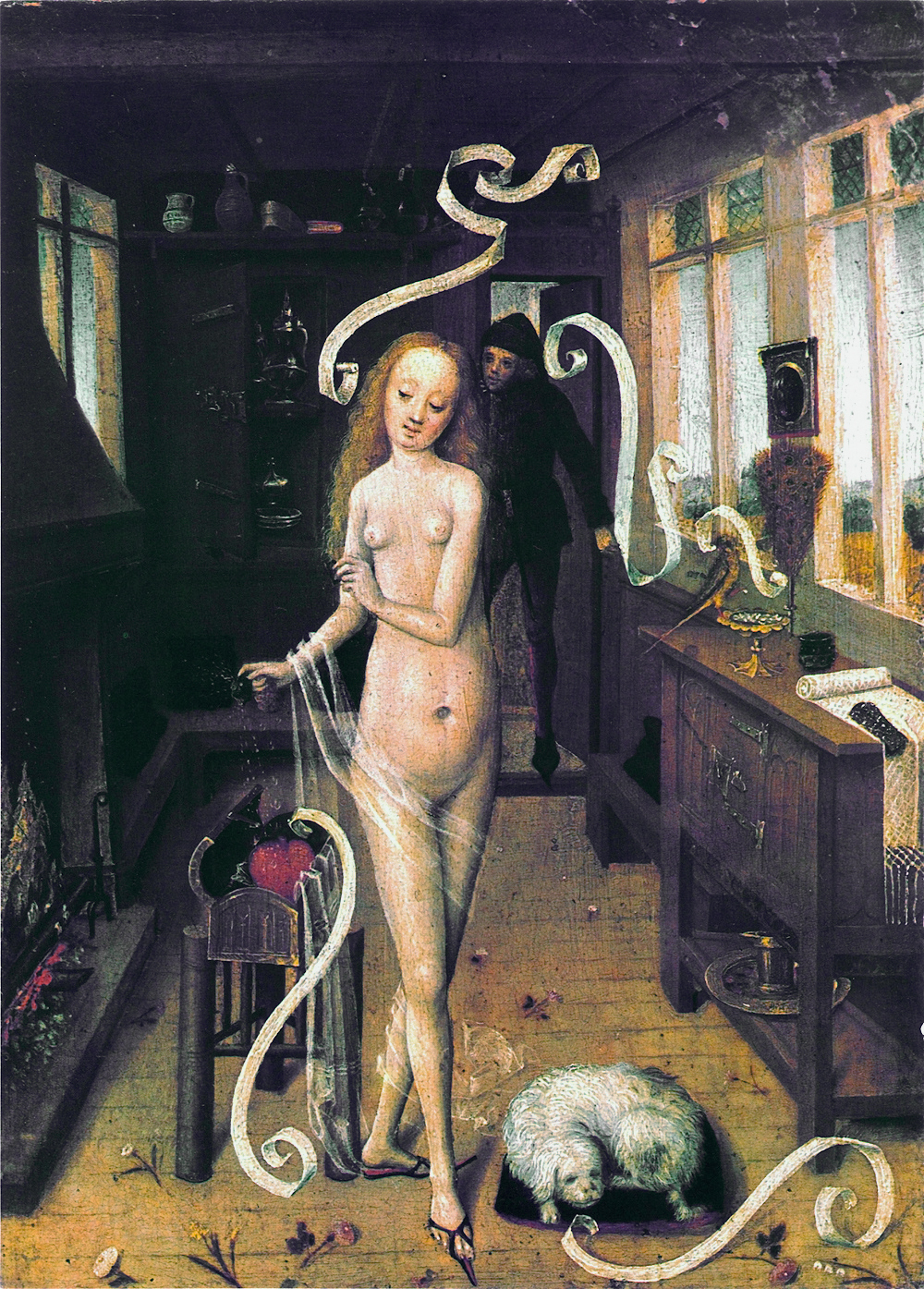 🇮🇶 Iraq and 5 moreLove magic
Rituals and spells used to attract, preserve, or end romantic relationships across many cultures.Tradition · Love and attraction · Cursing and harm Historical
🇫🇮 Finland and 1 moreWitch trials in Finland
A historical record of sorcery prosecutions in Finland under Swedish rule.Belief · Cursing and harm Historical
 🇪🇬 EgyptLucifer
A Latin name for the planet Venus that became an epithet for the Devil in Christian traditionFigure · Cursing and harm Historical
 🇮🇪 Ireland and 1 moreBrigid's crossCros Bhríde
A woven straw charm hung for protection, named after Ireland's patron saintCharm · Protection · Luck and prosperity Living
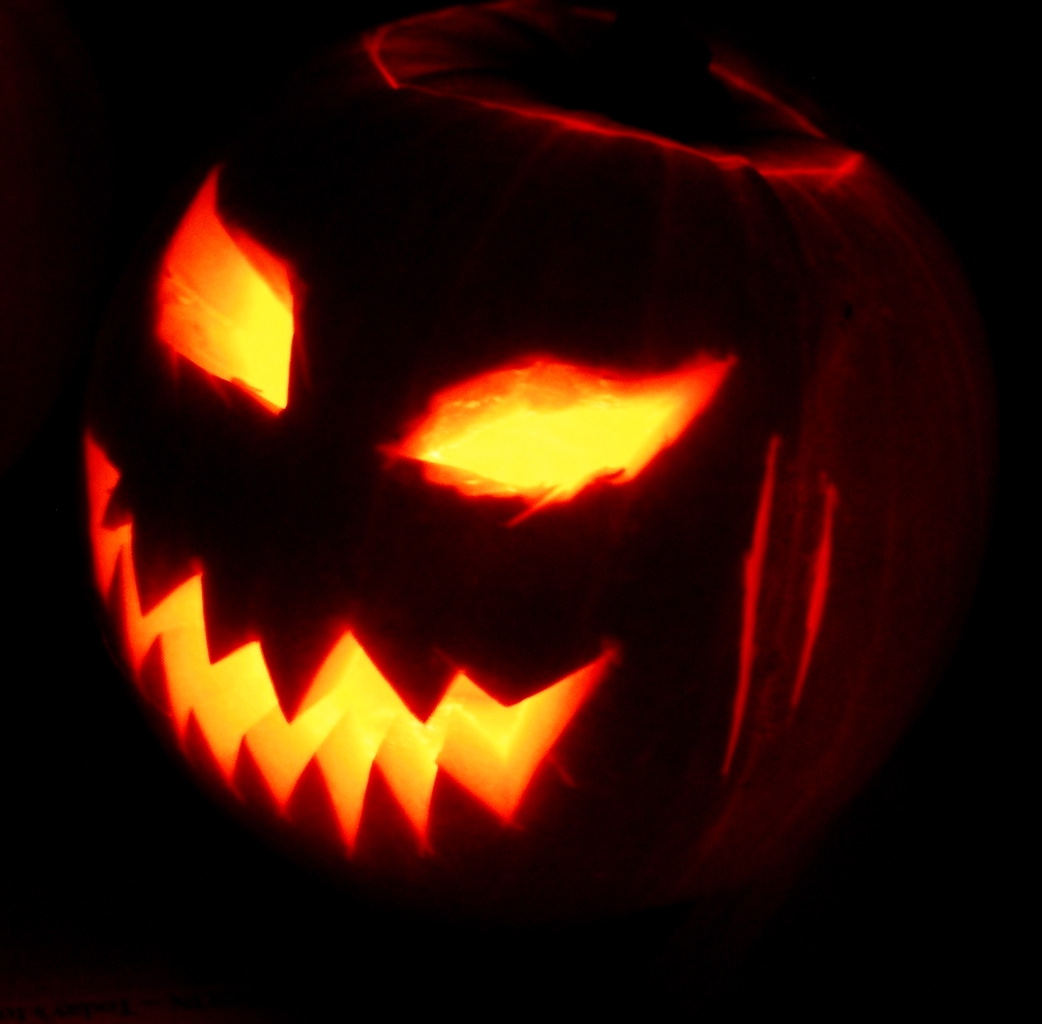 🇮🇪 Ireland and 5 moreHalloween
A Christian vigil on 31 October for the dead, now marked by costumes and carved vegetablesRite · Speaking with spirits and the dead · Protection Living
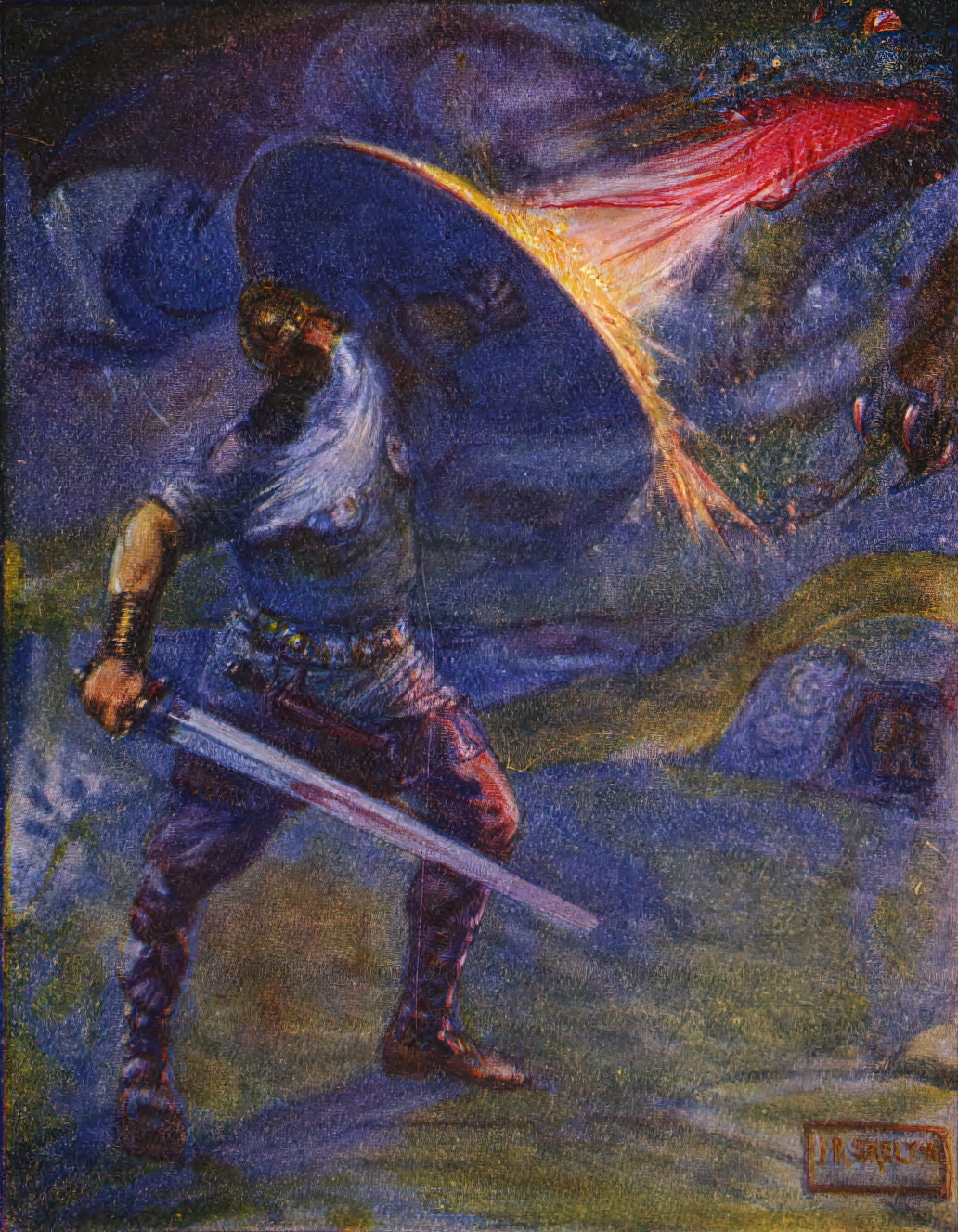 🇬🇧 United KingdomEnglish folklore
The myths, legends, and customs of England passed down through generations.Tradition · Protection · Cursing and harm Living
 🇮🇪 Ireland and 4 moreWinter solstice
The shortest day and longest night of the year, marked by rites of solar returnTradition · Seeing and foretelling · Protection Living
🇬🇧 United KingdomSpectral evidence
Court testimony based on visions of spirits during historical witch trialsBelief · Cursing and harm Historical
 🇪🇸 Spain and 6 moreBurning of Judas
An Easter rite where an effigy of the betrayer is destroyed by fire or other meansRite · Cursing and harm · Cleansing and purification Living
 🇮🇳 India and 5 moreSpirit possession
A state where a human body is controlled by an external spirit or deityBelief · Healing · Seeing and foretelling Living
 🇪🇸 Spain and 5 moreSt John's Eve
A Christian vigil marked by bonfires and plant gathering on the summer solstice eveRite · Protection · Speaking with spirits and the dead Living
🇬🇧 United KingdomCharmer
English folk healers who used gifts or verses to treat natural ailments without chargeTradition · Healing Historical
🇮🇹 ItalyWitch trials in Italy
Historic legal proceedings against alleged witches across Italian states from the 14th to 18th centuries.Belief · Cursing and harm Historical
 🇮🇪 Ireland and 5 moreHoly well
A water source revered for healing and ritual across pagan and Christian traditionsTradition · Healing · Speaking with spirits and the dead Living
 🇮🇳 India and 5 morePilgrimage
A journey to a sacred site for spiritual growth or religious dutyTradition · Healing · Speaking with spirits and the dead Living
 🇸🇩 Sudan and 5 moreIncense
Aromatic plant material that releases scent when heated or burnedSubstance · Protection · Speaking with spirits and the dead Living
🇬🇧 United Kingdom and 1 moreScottish folkloreBeul-aithris na h-Alba
The myths, creatures and beliefs of the Scottish people, recorded from ancient times to the present.Tradition · Seeing and foretelling · Protection Living
🇺🇸 United StatesBraucherei
A Pennsylvania German folk healing tradition using prayers and gestures to cure illness and remove curses.Tradition · Healing · Protection Fading
 🇬🇷 Greece and 5 moreNecromancy
A form of divination that seeks to speak with the dead for hidden knowledge.Tradition · Seeing and foretelling · Power and authority Historical
 🇮🇪 Ireland and 4 moreFour-leaf clover
A rare plant mutation believed to bring good luck and used as a symbol of fortune.Charm · Luck and prosperity Living
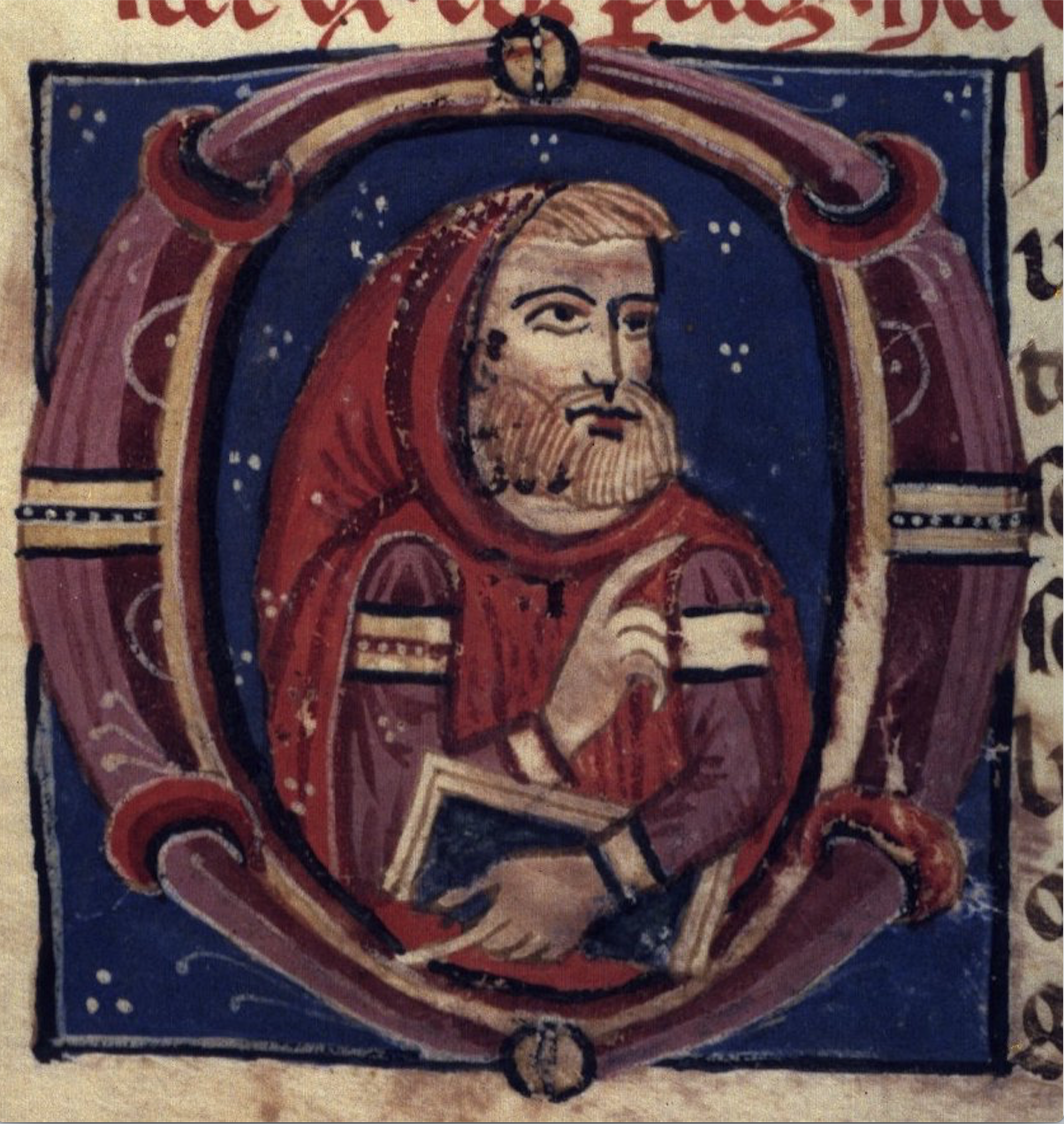 🇬🇧 United Kingdom and 2 moreMichael Scot
A medieval scholar and astrologer who became a legendary magician in folklore.Figure · Seeing and foretelling · Wonder and entertainment Legendary
 🇬🇧 United Kingdom and 2 moreSoul cake
A spiced cake given to soulers during Allhallowtide to remember the dead.Tradition · Speaking with spirits and the dead · Luck and prosperity Living
 🇮🇹 ItalyMarsilio Ficino
A Renaissance priest and philosopher who revived Plato and blended astrology with Christian theology.Text · Speaking with spirits and the dead · Healing Historical
Photo credits on this page
The small pictures above come from Wikimedia Commons under free licences. Some are cropped to fit.
- Sacred dance: Jorge Barrios, CC BY-SA 3.0, source
- Curandero: calliopejen, CC BY-SA 2.0, source
- Directorium Inquisitorum: Nicolás Eymerich, Public domain, source
- Burning of Judas: Unknown author, Public domain, source
- Alonso de Salazar Frías: Oscar Montañés, CC BY-SA 4.0, source
- Soul cake: Samantha, CC BY 2.0, source
- Votive offering: Walter J. Pilsak, Waldsassen ( W.J.Pilsak at de.wikipedia ), CC BY-SA 3.0, source
- Halloween: Toby Ord, CC BY-SA 2.5, source
- English folklore: J. R. Skelton, Public domain, source
- Spirit possession: Unknown author, CC BY 4.0, source
- Holy well: The Speckled Bird, CC BY-SA 4.0, source
- Incense: nakimusi, CC BY 2.0, source
- Theistic Satanism: Alexandre Cabanel, Public domain, source
- Haitian Vodou drumming: Calvin Hennick, for WBUR Boston, CC BY 3.0, source
- Holy Grail: Photographed by the National Library of Wales, CC0, source
- Buda: Aberdeen Bestiary, Public domain, source
- Love magic: Kölner Meister [ 1 ] The artist is an unknown lower Rhenish artist. [, Public domain, source
- Lucifer: Gustave Doré, Public domain, source
- Brigid's cross: Culnacreann, CC BY 3.0, source
- Witchcraft in the Philippines: The original uploader was Rodsan18 at English Wikipedia . ( Original t, CC BY 2.5, source
- Amulet: Anonymous ( Egypt ) Unknown author, Public domain, source
- Tengu: Katsushika Hokusai, Public domain, source
- St John's Eve: Jules Breton, Public domain, source
- Pilgrimage: Ali Mansuri, CC BY-SA 2.5, source
- Würzburg witch trials: Sweet Chily, Public domain, source
- Necromancy: Unknown author, CC BY 4.0, source
- Four-leaf clover: Phyzome under the GFDL., CC BY-SA 3.0, source
- Michael Scot: Unknown author, Public domain, source
- Marsilio Ficino: Marsilio Ficino, Public domain, source
- Snake worship: Alexandermcnabb, CC BY-SA 4.0, source
- Obeah: Various, published by David Nutt, Public domain, source
- Winter solstice: Image by Przemyslaw " Blueshade " Idzkiewicz, CC BY-SA 2.0, source
- Witch trials in France: Unknown author, CC BY 4.0, source
- Ex-voto: JTSH26, CC BY-SA 4.0, source
- Trier witch trials: Unknown author, Public domain, source
- Basque witch trials: Alberto-g-rovi, CC BY 3.0, source
- Lwa: Hector Hyppolite, Public domain, source
- Three Books of Occult Philosophy: Heinrich Cornelius Agrippa, Public domain, source
- Saint Andrew's Day: Henryk Siemiradzki, Public domain, source
- Fairy: Henry Fuseli, Public domain, source