
Basque witch trials
A seventeenth-century Inquisition campaign against alleged witches in the Basque Country.
The Spanish Inquisition conducted a massive investigation into supposed witchcraft in the Basque region between 1609 and 1614. The proceedings examined thousands of cases across Spain and France, resulting in very few executions despite the large number of accused individuals.
- Approximately seven thousand cases were examined by the Inquisition.
- Only six people were ultimately executed in Logroño in 1610.
- Junior inquisitor Alonso de Salazar Frías challenged the validity of confessions.
- The trials ended in 1614 after the central Inquisition dismissed pending cases.
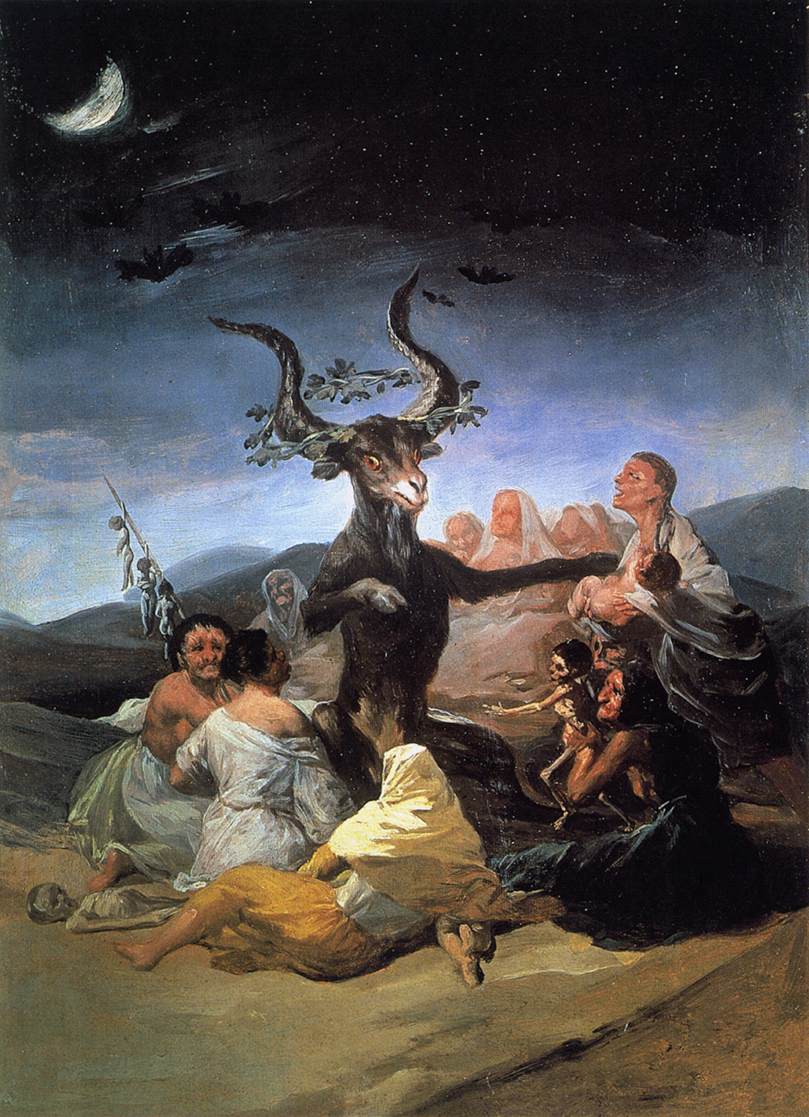
- Accused individuals reported meeting Akerbeltz, a goat-shaped devil figure.
What it is
The Basque witch trials were a series of legal proceedings carried out by the Spanish Inquisition in the early seventeenth century. They targeted residents of the Basque Country and neighboring areas for alleged sorcery and participation in sabbaths. The investigations began in 1609 and continued until 1614, examining approximately seven thousand cases. Although the number of people executed was small compared to other European witch hunts, the scale of the inquiry was unique in its scope.
Where it comes from
The trials emerged after military conflicts in Iberian Navarre ended in 1524. Persecution had occurred sporadically during the sixteenth century but intensified in 1609. The initial phase was influenced by similar persecutions led by Pierre de Lancre in the French Basque region of Labourd. The main tribunal was located in Logroño, which held jurisdiction over Navarre and several surrounding provinces.
How it is done
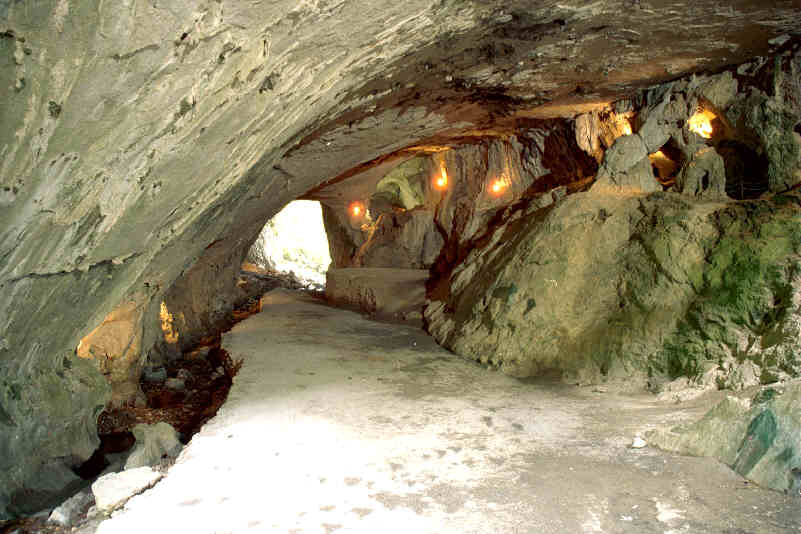
Accusations often stemmed from denunciations by neighbors or family members. Inquisitors used an Edict of Grace to encourage voluntary confessions and the naming of accomplices. Many accused individuals, including children, provided detailed accounts of attending sabbaths in caves like Olabidea near Zugarramurdi. These confessions frequently described flying, shape-shifting, and meeting a devil figure known as Akerbeltz. Later, junior inquisitor Alonso de Salazar Frías investigated these claims and found that most retracted their statements, citing torture.
Tools and materials
The trials involved the use of amulets called nóminas, which bore the names of saints and were allegedly used for healing. Accused individuals were questioned about their participation in akelarres, or sabbaths, where they reportedly consumed herbs and ointments. The physical evidence gathered included extensive written records, totaling eleven thousand pages of testimony and interrogation notes.
Basque witch trials, drawn and placed
- Living
- Revived
- Fading
- Historical
- Legendary
- Performed
- Lineage
- Spanish Inquisition
What it is for
The Inquisition sought to root out perceived threats to religious authority and social order. Authorities believed that witchcraft undermined Catholic doctrine and civil stability. The trials aimed to identify and punish those who practiced sorcery, attended sabbaths, or consorted with demonic forces. The process also served to assert the power of the Church in regions where local customs persisted.
Who does it
The primary practitioners were judges and inquisitors of the Spanish Inquisition. Alonso de Salazar Frías played a key role as a skeptical investigator who traveled through the region to verify claims. He questioned the validity of confessions obtained under duress. Senior judges initially disagreed with his findings, but the central Inquisition office eventually supported his skepticism, leading to the dismissal of pending cases.
Peoples and places
The trials affected communities in the Basque Country, including villages near the French border such as Zugarramurdi and Hondarribia. Men were often away whaling, leaving women, children, and elders vulnerable to accusations. The proceedings extended into French territory, where Pierre de Lancre conducted parallel investigations. The cultural context involved a mix of indigenous beliefs and Catholic practices, with some accused individuals incorporating liturgical elements into their alleged rituals.
At a glance: who, where and when
What people believe
The accused were said to participate in sabbaths led by Akerbeltz, a goat-shaped devil figure in Basque mythology. Participants reportedly engaged in acts such as flying, invisibility, and transforming into animals. The trials produced detailed descriptions of black masses and liturgical misrule. Scholars suggest these accounts may have drawn on folk magic, collective medicine-making, and popular expressions of religious practice rather than literal supernatural events.
When it is done
The main trial period ran from January 1609 to August 1614. Key events included the auto-da-fé in November 1610, where several individuals were executed. Proceedings were suspended in 1610 while further evidence was gathered. The final ruling dismissing all pending cases occurred in August 1614, effectively ending witch-burning in Spain.
How scholars and sceptics see it
Modern scholars analyze the trials as a response to religious conflict and social anxiety. Researchers note that belief in witchcraft was historically weak in Spain due to Visigothic laws that criminalized such superstitions. Academic work highlights the role of skepticism among educated Spaniards and Inquisitors. Some studies argue that the accused drew on existing folk traditions and religious practices to construct their narratives of persecution.
Cautions and what is closed
The trials resulted in significant harm to the accused, including imprisonment, torture, and execution. Six individuals were burned at the stake in Logroño in 1610. Many others died in prison or received sentences of confiscation and life imprisonment. The process relied heavily on coerced confessions, particularly from children, which were later recognized as unreliable. The legacy includes a museum in Zugarramurdi that commemorates the victims.
Compare and confuse
The Basque trials are often compared to the Labourd witch-hunt in French Basque Country, which occurred simultaneously. Both investigations produced sophisticated descriptions of sabbaths and black masses. Unlike the widespread hysteria in parts of Europe, the Spanish Inquisition ultimately limited executions and dismissed many cases based on lack of evidence. The term akelarre, derived from Basque, refers to the sabbaths described in these trials.
Questions people ask about Basque witch trials
What were the Basque witch trials?
They were a series of legal proceedings by the Spanish Inquisition in the early seventeenth century, targeting alleged witches in the Basque Country and neighboring regions. The investigations examined thousands of cases but resulted in very few executions.
Where did the trials take place?
The main tribunal was in Logroño, Spain, with jurisdiction over Navarre and surrounding provinces. Investigations also extended to areas near the French border, including Zugarramurdi and Hondarribia, influenced by parallel persecutions in French Labourd.
Why did the trials end?
The trials ended because senior Inquisition officials, influenced by skeptic judges like Alonso de Salazar Frías, ruled that confessions alone were insufficient evidence. In 1614, the central office dismissed all pending cases, establishing stricter rules for evidence.
Who was Akerbeltz?
Akerbeltz is a figure in Basque mythology described as a goat-shaped devil. Accused witches claimed to attend sabbaths led by him, where they performed various magical acts and engaged in rituals that mixed indigenous beliefs with Catholic elements.
Good reading and sources
The facts on this page come from the Wikipedia article "Basque witch trials", written by its contributors and used under the CC BY-SA 4.0 licence, and from its Wikidata record (CC0). EveryJaadu rewrote the text in its own words, with AI assistance, and compares every page with the article to make sure no passage is copied. It may be reused under the same CC BY-SA 4.0 licence with a link back.
It may contain mistakes. Names and customs differ from one community to the next, and some knowledge is closed to outsiders and left out here. This page describes belief and practice. It does not say that any of it works, it is not a how-to, and it is not medical advice. If something is wrong, tell us. Last refreshed 2026-10-06.
More from Spain
All the entries from Spain 🇪🇸 Spain and 5 moreSt John's Eve
A Christian vigil marked by bonfires and plant gathering on the summer solstice eveRite · Protection · Speaking with spirits and the dead Living
🇪🇸 Spain and 5 moreSt John's Eve
A Christian vigil marked by bonfires and plant gathering on the summer solstice eveRite · Protection · Speaking with spirits and the dead Living
 🇩🇪 Germany and 5 moreWitch trials in the Holy Roman Empire
A wave of executions across Central Europe between the fifteenth and eighteenth centuries.Belief · Cursing and harm Historical
🇩🇪 Germany and 5 moreWitch trials in the Holy Roman Empire
A wave of executions across Central Europe between the fifteenth and eighteenth centuries.Belief · Cursing and harm Historical
 🇬🇷 Greece and 5 moreBay Laurelδάφνη
An aromatic Mediterranean plant used in cooking and as a symbol of victory and purification.Substance · Protection · Cleansing and purification Living
🇬🇷 Greece and 5 moreBay Laurelδάφνη
An aromatic Mediterranean plant used in cooking and as a symbol of victory and purification.Substance · Protection · Cleansing and purification Living
 🇵🇹 Portugal and 5 moreCocoCoca
A monster used to frighten children into obedience across the Iberian world and Latin America.Figure · Cursing and harm · Binding and oaths Living
🇵🇹 Portugal and 5 moreCocoCoca
A monster used to frighten children into obedience across the Iberian world and Latin America.Figure · Cursing and harm · Binding and oaths Living
Related elsewhere
All belief 🇪🇬 Egypt and 1 moreLilithלִילִית
A feminine figure from Mesopotamian and Jewish mythology, often depicted as a night demon or spirit.Being · Cursing and harm Legendary
🇪🇬 Egypt and 1 moreLilithלִילִית
A feminine figure from Mesopotamian and Jewish mythology, often depicted as a night demon or spirit.Being · Cursing and harm Legendary
 🇪🇬 EgyptCurse
A spoken wish for misfortune to befall a person or placeBelief · Cursing and harm · Luck and prosperity Historical
🇪🇬 EgyptCurse
A spoken wish for misfortune to befall a person or placeBelief · Cursing and harm · Luck and prosperity Historical
 🇮🇩 Indonesia and 2 moreDukun
A traditional healer and spirit medium in Indonesian folk practiceTradition · Healing · Seeing and foretelling Living
🇮🇩 Indonesia and 2 moreDukun
A traditional healer and spirit medium in Indonesian folk practiceTradition · Healing · Seeing and foretelling Living
 🇮🇳 India and 5 moreHoliहोली
A Hindu spring festival marked by coloured powders and bonfires to celebrate love and virtue.Tradition · Love and attraction · Cursing and harm Living
🇮🇳 India and 5 moreHoliहोली
A Hindu spring festival marked by coloured powders and bonfires to celebrate love and virtue.Tradition · Love and attraction · Cursing and harm Living