Witch trials in Poland
A historical record of sorcery prosecutions and executions in Poland from the 15th to the 19th century.
These were legal proceedings against people accused of using magic to cause harm. They began late in Europe but lasted into the 19th century. Modern estimates place the number of executions between three thousand and four thousand.
- Executions lasted until the 19th century despite 1776 bans.
- Estimates suggest 3,000 to 4,000 people were executed.
- Nobles were never executed for sorcery in Poland.
- Trials peaked between 1670 and 1730.
- Torture was commonly used to extract confessions.
What it is
The witch trials in Poland refer to a series of legal actions taken against individuals accused of practicing sorcery. These proceedings targeted those believed to have used magic to bring suffering upon humans, animals, or property. The accusations often arose during times of crisis, such as famine, plague, or war. While the broader European context involved intense hunting for decades, Poland’s experience was distinct in its timeline and legal structure. The state prosecuted these cases through secular courts, church tribunals, and private estate courts. The practice is now understood by historians as a historical phenomenon rather than an active tradition.
Where it comes from
The earliest recorded case dates to a heresy trial involving Damian of Borków under Bishop Jakub von Płock in the late 14th or early 15th century. A confirmed execution occurred in Waliszew in 1511. However, significant persecution did not begin until the second half of the 17th century. This surge coincided with periods of devastation, rebellion, and disease in the Polish-Lithuanian Commonwealth. People sought explanations for these apocalyptic conditions, often blaming local neighbors for malicious magic.
How it is done
Trials were conducted by secular city courts, clerical church courts, or noble landlords. Initially reserved for church courts, secular authorities took over in the following century. In 1672, a decree required that local courts only manage cases transferred by higher authorities and banned death sentences without high court confirmation. Despite this, local courts frequently ignored the law, continuing arrests and executions. Torture was used to extract confessions, and accusations were sometimes reshaped to fit Christian demonology texts, even if peasants rarely mentioned Satan or Witches' Sabbaths.
Witch trials in Poland, drawn and placed
- Living
- Revived
- Fading
- Historical
- Legendary
- Performed
What it is for
The primary intent behind these trials was to punish those accused of causing harm through magic. Accusations typically stemmed from rural communities where neighbors blamed each other for crop failures, livestock illness, or human suffering. Authorities aimed to enforce moral and religious order by prosecuting alleged sorcerers. The process served as a mechanism for social control during times of instability, providing a target for public anxiety and fear.
Who does it
The trials were managed by various judicial bodies. Secular judges presided over city court cases, while church officials handled clerical matters. Noble landlords also exercised jurisdiction on their estates. Historians note that no members of the Polish nobility were executed for witchcraft, unlike in other parts of Europe. The accused were predominantly women, with estimates suggesting they made up ninety percent of those executed. Scholars today study these records to understand the legal and social dynamics of the era.
Peoples and places
The trials affected the general population of Poland, particularly rural villages and small towns. The peasantry often initiated accusations against neighbors, viewing them as sources of misfortune. The Catholic Church played a significant role in interpreting these accusations through the lens of Christian demonology. The Polish nobility remained largely immune from prosecution due to their legal privileges. Neighboring regions like Greater Poland and Kuyavia saw significant activity, with Poznań being a notable center for condemnations in the 16th and 17th centuries.
At a glance: who, where and when
What people believe
Accusations were rooted in the belief that certain individuals could use magic to inflict harm. Peasants viewed these acts as direct causes of catastrophe. Authorities reinterpreted local folk beliefs to align with formal Christian demonology, which included concepts like pacts with Satan. The legal system operated on the premise that sorcery was a real criminal offense requiring punishment. This worldview persisted even as laws changed, leading to continued prosecutions long after official bans were enacted.
How scholars and sceptics see it
Modern research has revised earlier estimates of the death toll. Initial claims suggested over forty thousand executions, but current scholarship places the number between three thousand and four thousand. Historians like Bohdan Baranowski note that previous figures were exaggerated. Studies indicate that about fifty percent of the accused were found guilty, a ratio similar to other European regions. Researchers emphasize that while Poland’s trials lasted longer, the total intensity was lower than in much of Europe.
Cautions and what is closed
The trials involved severe physical suffering, including torture and execution by burning. Many accused individuals died as a result of these methods. Lynching also occurred, as seen in the case of Krystyna Ceynowa in 1836. Legal reforms failed to stop these practices immediately, leading to extrajudicial violence and ignored bans. The persistence of these trials highlights the dangers faced by those accused, even in later periods when sorcery was technically illegal.
Compare and confuse
Poland’s witch trials differed from those in neighboring countries like Russia, Austria, and Lithuania. Unlike elsewhere, Polish nobles were not prosecuted. The timeline was unique, starting later but ending much later, extending into the 19th century. Some cases, like Barbara Zdunk’s execution in 1811, are debated as the last in Europe, though legal status varied across partitions. The reliance on local courts and noble jurisdictions created a fragmented legal landscape compared to more centralized systems elsewhere.
Questions people ask about Witch trials in Poland
When did the witch trials in Poland start?
The first known case appeared in the late 14th century, but serious persecution began in the second half of the 17th century. This was later than in most of Europe.
How many people were executed for witchcraft in Poland?
Modern estimates suggest between three thousand and four thousand people were executed. Earlier claims of tens of thousands are considered exaggerated by historians.
Why did the trials last so long in Poland?
Laws banning the trials were passed in 1776, but local courts often ignored them. The decentralized legal system and social crises allowed prosecutions to continue into the 19th century.
Who were the typical victims of these trials?
Most victims were women from rural villages. They were often accused by neighbors of causing harm to people, animals, or crops during times of famine or plague.
Were nobles ever punished for witchcraft?
No recorded instances exist of nobles being executed for sorcery in Poland. Their legal privileges protected them from the fate that befell commoners.
Good reading and sources
The facts on this page come from the Wikipedia article "Witch trials in Poland", written by its contributors and used under the CC BY-SA 4.0 licence, and from its Wikidata record (CC0). EveryJaadu rewrote the text in its own words, with AI assistance, and compares every page with the article to make sure no passage is copied. It may be reused under the same CC BY-SA 4.0 licence with a link back.
It may contain mistakes. Names and customs differ from one community to the next, and some knowledge is closed to outsiders and left out here. This page describes belief and practice. It does not say that any of it works, it is not a how-to, and it is not medical advice. If something is wrong, tell us. Last refreshed 2026-10-05.
More from Poland
All the entries from Poland 🇮🇹 Italy and 3 moreEusapia Palladino
An Italian medium whose séances were investigated by leading scientists and magicians in the late nineteenth century.Illusion · Wonder and entertainment · Speaking with spirits and the dead Historical
🇮🇹 Italy and 3 moreEusapia Palladino
An Italian medium whose séances were investigated by leading scientists and magicians in the late nineteenth century.Illusion · Wonder and entertainment · Speaking with spirits and the dead Historical
 🇬🇧 United Kingdom and 3 moreEdward Kelley
An English occultist and scryer who worked with John Dee to contact angels and practice alchemy.Figure · Power and authority · Wonder and entertainment Historical
🇬🇧 United Kingdom and 3 moreEdward Kelley
An English occultist and scryer who worked with John Dee to contact angels and practice alchemy.Figure · Power and authority · Wonder and entertainment Historical
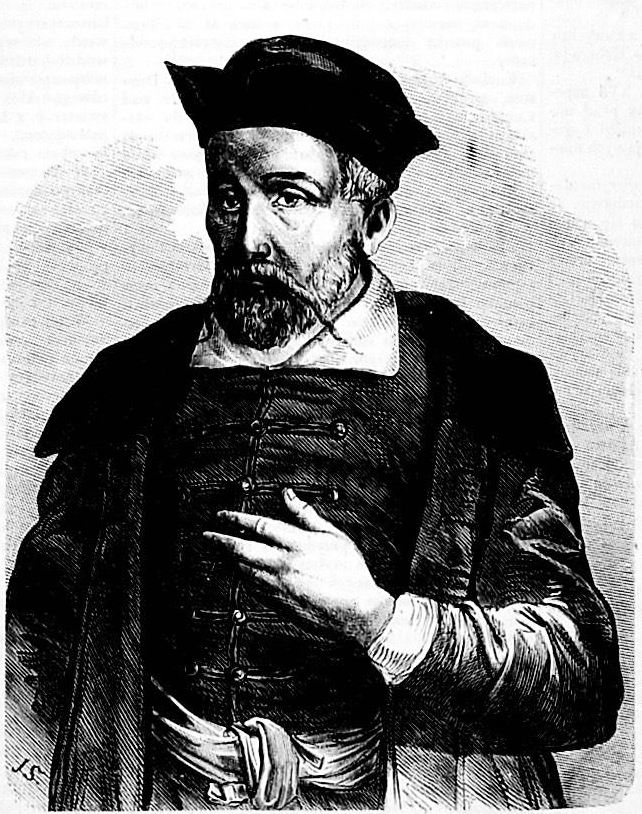 🇵🇱 Poland and 1 moreMichael SendivogiusMichał Sędziwój
A Polish alchemist who discovered oxygen and wrote on the 'food of life'Text · Power and authority · Change and initiation Historical
🇵🇱 Poland and 1 moreMichael SendivogiusMichał Sędziwój
A Polish alchemist who discovered oxygen and wrote on the 'food of life'Text · Power and authority · Change and initiation Historical
 🇩🇪 Germany and 4 moreNeed-fireNotfeuer
A ritual fire lit by friction to protect livestock and people from disease and witchcraftRite · Protection · Cleansing and purification Historical
🇩🇪 Germany and 4 moreNeed-fireNotfeuer
A ritual fire lit by friction to protect livestock and people from disease and witchcraftRite · Protection · Cleansing and purification Historical
Related elsewhere
All belief 🇪🇬 Egypt and 1 moreLilithלִילִית
A feminine figure from Mesopotamian and Jewish mythology, often depicted as a night demon or spirit.Being · Cursing and harm Legendary
🇪🇬 Egypt and 1 moreLilithלִילִית
A feminine figure from Mesopotamian and Jewish mythology, often depicted as a night demon or spirit.Being · Cursing and harm Legendary
 🇪🇬 EgyptCurse
A spoken wish for misfortune to befall a person or placeBelief · Cursing and harm · Luck and prosperity Historical
🇲🇾 Malaysia and 1 moreOrang Minyak
A slippery ghost from Malay folklore that abducts women and is covered in black grease.Being · Cursing and harm Legendary
🇦🇺 AustraliaMokoi
An evil spirit in Yolngu mythology that kills sorcerers and kidnaps childrenBeing · Cursing and harm Legendary
🇪🇬 EgyptCurse
A spoken wish for misfortune to befall a person or placeBelief · Cursing and harm · Luck and prosperity Historical
🇲🇾 Malaysia and 1 moreOrang Minyak
A slippery ghost from Malay folklore that abducts women and is covered in black grease.Being · Cursing and harm Legendary
🇦🇺 AustraliaMokoi
An evil spirit in Yolngu mythology that kills sorcerers and kidnaps childrenBeing · Cursing and harm Legendary