Folk healers
Curanderos, sangomas, hakims and the village healer, who mix remedy and ritual.
Folk healers are the people communities turn to when someone is ill: the curandero and curandera of Mexico and the Andes, the sangoma and inyanga of southern Africa, the hakim of the Islamic world, the vaidya of India, the bone-setter, the village midwife and the Siberian shaman. They combine remedies, ritual and counsel. This page describes them as tradition, not as medical advice, and illness needs real medical care. They are found in every society and are usually the nearest source of help.
What healers do
A healer listens to a person's story, names the trouble, and prescribes a course that may involve plants, diet, prayer, cleansing, a gathering of kin, or a sacrifice. The framing often covers the family and the spirit as well as the body. Healers are frequently the first and sometimes the only help available in places far from clinics. Treatments often involve plants, massage, steam, prayer, fasting and dietary rules, and the healer's own reputation counts for a great deal.
Who becomes one
Some healers inherit the role, some are called by ancestors, and some train as apprentices. Women are prominent as midwives, herbalists and spirit healers, though status and income often go to male specialists and licensed practitioners. In Latin America, curanderos draw on Catholic saints, Indigenous plant knowledge and Spanish folk medicine. In Ethiopia, the debtera works with scrolls and church learning. Some healers are called through illness themselves, which is described as a mark that they can heal others.
States and doctors
Law treats healers in different ways. India's AYUSH ministry supports Ayurveda, Unani and others. South Africa passed a Traditional Health Practitioners Act in 2007. Elsewhere, healers face police action under witchcraft or quackery laws, and in colonial times many were banned outright. Doctors sometimes work with healers, for instance in HIV outreach in Africa. Healers in some regions are also asked to settle family quarrels, since illness is held to follow from tension in the household.
Harm and caution
Harm can come from delay, from unsafe substances, from sexual or financial abuse of patients, and from fraud. Exorcism of mental illness has led to deaths. Anthropologists add that healing rites can bring comfort and social support that clinics sometimes lack. Anyone with a serious symptom should see a qualified clinician, whatever other help they seek. In places where clinics are far away, a healer may deliver babies, set bones and treat fever, and the quality of that care varies widely.
Folk healers on EveryJaadu
The entries written up so far, best known first.
 🇪🇬 EgyptCurse
A spoken wish for harm, often backed by ritual or divine authorityBelief · Cursing and harm · Protection Historical
 🇪🇬 Egypt and 5 moreAmulet
A portable object worn or carried to ward off harm and invite fortuneCharm · Protection · Luck and prosperity Living
 🇲🇽 Mexico and 3 moreCurandero
A folk healer in Latin America and the United States who blends indigenous and Catholic traditions.Tradition · Healing · Protection Living
🇩🇪 Germany and 5 moreSixth and Seventh Books of Moses
A 19th-century grimoire attributed to Moses, used in folk magic across the Atlantic world.Text · Protection · Healing Historical
 🇿🇦 South Africa and 4 moreWitch doctor
A traditional healer who identifies supernatural causes of illness and performs rituals to restore balance.Tradition · Healing · Protection Living
 🇺🇸 United StatesKahuna
A Hawaiian expert or priest, keeper of hidden knowledge in craft and spiritTradition · Healing · Seeing and foretelling Living
 🇰🇪 Kenya and 1 moreMaasai religion
The spiritual beliefs of the semi-nomadic Maasai people of East AfricaTradition · Protection · Healing Living
 🇪🇹 Ethiopia and 4 moreBudaቡዳ
An Ethiopian and Eritrean belief in the evil eye and hyena transformationBelief · Cursing and harm · Protection Living
 🇺🇸 United StatesNavajo medicine
Traditional healing practices of the Navajo people focused on restoring harmonyTradition · Healing · Protection Living
 🇺🇸 United States and 5 moreFlorida Water
A citrus perfume used in spiritual cleansing and folk healing across the Americas.Substance · Protection · Cleansing and purification Living
 🇨🇱 Chile and 1 moreMachi
Mapuche spiritual authorities and healers who bridge herbal knowledge and spirit realmsTradition · Healing · Speaking with spirits and the dead Living
 🇲🇳 Mongolia and 2 moreMongolian shamanismBöö Mörgöl
The animistic and shamanic ethnic religion of the Mongols, involving spirit worship and ritual intercession.Tradition · Protection · Healing Living
 🇺🇸 United StatesGhost DanceNanissaanah
A circular movement seeking spiritual renewal and reunion with ancestorsRite · Speaking with spirits and the dead · Change and initiation Living
 🇨🇱 Chile and 1 moreCultrunkultrung
A ceremonial drum central to Mapuche spiritual practice and identity in Chile and ArgentinaTradition · Healing · Protection Living
 🇱🇰 Sri Lanka and 1 moreKataragama templeකතරගම / கதிர்காமம் முருகன் கோயில்
A Sri Lankan shrine shared by Buddhists, Hindus, Muslims and VeddasTradition · Protection · Speaking with spirits and the dead Living
 🇲🇲 MyanmarBurmese folk religionNat Worship
Animistic worship of nature spirits and ancestors in Myanmar, often practiced alongside Buddhism.Tradition · Protection · Luck and prosperity Living
 🇦🇺 Australia and 1 moreTattoo
A permanent mark made by placing pigment under the skin to form a design.Tradition · Protection · Power and authority Living
 🇧🇯 Benin and 5 moreVodun art
Religious sculpture and temple painting from West African Vodun traditionsTradition · Protection · Speaking with spirits and the dead Living
 🇿🇦 South Africa and 1 moreMutiumuthi
Traditional medicine practice in Southern Africa using plants, animals and mineralsTradition · Healing · Protection Living
 🇳🇬 Nigeria and 1 moreBoriBòòríí
A traditional Hausa spirit possession system and healing practice in West AfricaTradition · Healing · Protection Living
 🇯🇲 Jamaica and 5 moreObeah
A Caribbean tradition of ritual healing and spell-casting with African rootsTradition · Protection · Healing Living
 🇨🇭 SwitzerlandMagic circle
A ritual boundary drawn or visualised to create sacred space and protectionTradition · Protection · Speaking with spirits and the dead Living
 🇰🇭 Cambodia and 3 moreSak Yantសាក់យ័ន្ត
Sacred geometric tattoos from Southeast Asia believed to grant protection and powerTradition · Protection · Luck and prosperity Living
🇺🇸 United StatesBraucherei
A Pennsylvania German folk healing tradition using prayers and gestures to cure illness and remove curses.Tradition · Healing · Protection Fading
 🇮🇷 Iran and 4 moreJinnجِنّ
Supernatural beings in Islamic and pre-Islamic Arabian belief, capable of shapeshifting and living in society.Being · Protection · Cursing and harm Living
 🇨🇫 Central African Republic and 5 moreWitchcraft in Africa
Beliefs about supernatural harm and the social responses to accusations across the continentBelief · Cursing and harm · Protection Living
 🇩🇿 Algeria and 1 moreAhmad al-Buniأحمد البوني المالكي
A medieval Sufi scholar known for works on letter mysticism and talismansText · Power and authority · Seeing and foretelling Historical
 🇧🇴 BoliviaThe Witches' MarketMercado de las Brujas
A La Paz market where Aymara women and yatiri sell ritual items for Pachamama offeringsTradition · Luck and prosperity · Protection Living
🇯🇲 Jamaica and 1 moreMyal
An Afro-Jamaican healing tradition rooted in Arawak and Akan spiritualityTradition · Healing · Protection Living
 🇬🇧 United Kingdom and 4 moreCunning folk
European practitioners of folk medicine and helpful magic from the Middle Ages to the twentieth centuryTradition · Protection · Healing Historical
 🇬🇷 Greece and 2 moreMagic in the Greco-Roman world
Private supernatural practices in ancient Greece and Rome, distinct from public state religion.Tradition · Protection · Cursing and harm Historical
 🇺🇸 United States and 5 moreRainmaking rites
Ceremonies performed to call rain through prayer, dance, or symbolic actsRite · Protection · Luck and prosperity Living
 🇺🇸 United States and 1 moreMarie Laveau
A New Orleans priestess and herbalist who led Louisiana Voodoo in the nineteenth centuryTradition · Healing · Protection Historical
 🇮🇸 IcelandGaldergaldr
A Germanic incantation and the written charms derived from itText · Protection · Cursing and harm Historical
 🇸🇳 Senegal and 5 moreMaraboutmurābiṭ
A Muslim religious leader and teacher in West Africa, often linked to Sufi brotherhoods.Tradition · Protection · Speaking with spirits and the dead Living
 🇮🇳 India and 2 moreYantraयन्त्र
A geometric diagram from Indian traditions used for worship and meditationCharm · Protection · Speaking with spirits and the dead Living
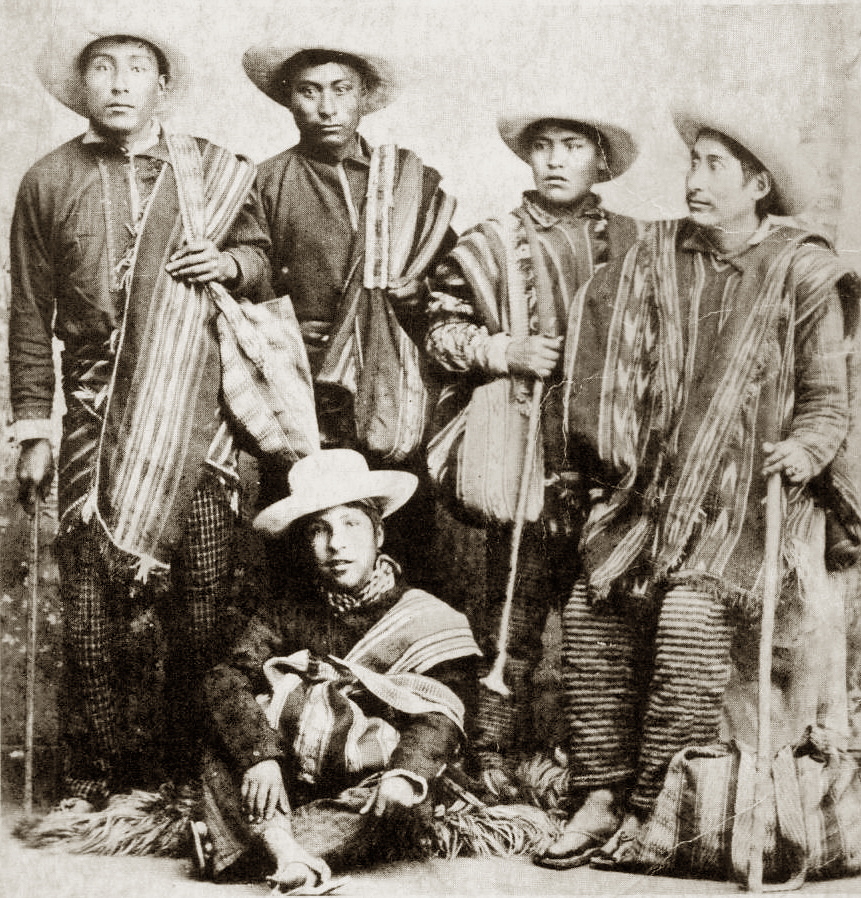 🇧🇴 Bolivia and 5 moreKallawaya
An itinerant group of traditional Andean healers known for their medicinal plant knowledge and ritual practicesTradition · Healing · Protection Living
 🇮🇩 Indonesia and 3 moreDragon's blood
A bright red resin from several plant species used in magic, medicine, and art since antiquitySubstance · Healing · Protection Living
🇺🇸 United StatesFolk healer
An unlicensed practitioner using traditional remedies and herbal knowledge to treat illness.Tradition · Healing · Protection Historical
 🇨🇺 Cuba and 4 moreSanteríaRegla de Ocha
An Afro-Cuban religion blending Yoruba spirits with Catholic saintsTradition · Protection · Healing Living
 🇨🇳 China and 1 moreBagua八卦
A set of eight trigram symbols from China used in divination, philosophy, and feng shui.Tradition · Seeing and foretelling · Protection Living
 🇺🇸 United StatesHawaiian religion
The traditional spiritual practices of the Indigenous people of Hawaiʻi, centered on deities and ancestral guardians.Tradition · Protection · Speaking with spirits and the dead Living
 🇧🇷 Brazil and 2 moreCandomblé
An Afro-Brazilian religion blending West African spirits with Catholic imageryTradition · Speaking with spirits and the dead · Healing Living
🇮🇳 IndiaSiddhiसिद्धि
Magical powers and spiritual attainments in Indian religionsBelief · Power and authority · Seeing and foretelling Living
 🇺🇸 United States and 3 moreHoodoo
A spiritual tradition of the African diaspora in the American South using herbs and charms for protection and justice.Tradition · Protection · Healing Living
 🇿🇦 South Africa and 5 moreTraditional healers of Southern Africa
Practitioners who blend herbal medicine with ancestral divination in Southern AfricaTradition · Healing · Protection Living
 🇨🇩 Democratic Republic of the Congo and 4 moreNganga
A spiritual healer and ritual specialist in Kongo religion and its diaspora traditionsTradition · Healing · Seeing and foretelling Living
🇨🇺 Cuba and 5 moreBrujería
A syncretic blend of Indigenous, African and Catholic folk magic across Latin America and the CaribbeanTradition · Healing · Protection Living
Photo credits on this page
The small pictures above come from Wikimedia Commons under free licences. Some are cropped to fit.
- Curandero: calliopejen, CC BY-SA 2.0, source
- Witch doctor: Lucjan Wędrychowski, Public domain, source
- Kahuna: Unknown author, Public domain, source
- Maasai religion: Dr. Ondřej Havelka (cestovatel), CC BY 4.0, source
- Buda: Aberdeen Bestiary, Public domain, source
- Simbi: MiddleOfAfrica, CC BY-SA 4.0, source
- Navajo medicine: Edward S. Curtis, Public domain, source
- Amulet: Anonymous ( Egypt ) Unknown author, Public domain, source
- Mongolian shamanism: Enrique Bendicho, CC BY-SA 4.0, source
- Ghost Dance: Unknown author, Public domain, source
- Tengu: Katsushika Hokusai, Public domain, source
- Cultrun: Universidad Nacional de La Plata, CC BY 3.0, source
- Kataragama temple: Ghostface Buddha, CC BY-SA 2.0, source
- Tattoo: Muyayo tattoo, CC BY-SA 3.0, source
- Vodun art: Fraipont, Gustave (1849-1923), Public domain, source
- Muti: Nicholas Roux, CC BY-SA 4.0, source
- Bori: Tremearne, A. J. N. (Arthur John Newman), 1877-1915, Public domain, source
- Obeah: Various, published by David Nutt, Public domain, source
- European witchcraft: Unknown author, CC BY 4.0, source
- Sak Yant: Mikhailovich, CC BY 3.0, source
- Jinn: VenusFeuerFalle, CC0, source
- Ahmad al-Buni: Khalili Collections, CC BY-SA 3.0 igo, source
- The Witches' Market: Dan Lundberg, CC BY-SA 2.0, source
- Cunning folk: Midnightblueowl at English Wikipedia, CC BY-SA 3.0, source
- Marie Laveau: E. W. Kemble, Public domain, source
- Marabout: Jan Broekhuijse, CC BY-SA 3.0, source
- Kallawaya: Unknown author, Public domain, source
- Candomblé: André Koehne, CC BY-SA 3.0, source
- Traditional healers of Southern Africa: Wizzy, CC BY-SA 3.0, source
- Santería: Jorge Royan, CC BY-SA 3.0, source
- Dragon's blood: Andy Dingley, CC BY-SA 3.0, source
- Hawaiian religion: Jacques Arago, Public domain, source
- Bagua: TarcísioTS at Portuguese Wikipedia, Public domain, source
- Witch: John William Waterhouse, Public domain, source
- Hoodoo: Hoodoowoman, CC BY-SA 4.0, source
- Yantra: Photo by Daniel Conrad (Chromacon), artwork by Daniel Conrad under dir, Public domain, source
- Galder: Bengt A. Lundberg, CC BY 2.5, source
- Rainmaking rites: SJasminum, CC BY-SA 4.0, source
- Magic in the Greco-Roman world: ArchaiOptix, CC BY-SA 4.0, source
- Burmese folk religion: Wagaung ( talk ), CC BY-SA 3.0, source
- Machi: Unknown author, Public domain, source
- Florida Water: Unknown artist(s), Public domain, source