
Cunning folk
from the word cunning, meaning skill or knowledge
European practitioners of folk medicine and helpful magic from the Middle Ages to the twentieth century
Cunning folk were community specialists who offered healing, divination, and protection against witchcraft across Europe. Their work, known as the cunning craft, blended practical medicine with ritual charms and was generally trusted by common people as a positive force.
- Svartebok black books contained magical formulas in Scandinavia
- Irish bean feasa served as oracular authorities for communities
- Italian cunning folk survived into the twenty-first century
- Swedish punishments sometimes increased client demand
- Witchcraft Act 1735 treated magic claimants as swindlers
What it is
Cunning folk were European specialists in folk medicine and helpful magic who operated from the Middle Ages until the twentieth century. They provided services such as healing illnesses, finding lost property, and thwarting the work of witches. Their practices were collectively called the cunning craft. While some individuals were denounced as witches, most communities distinguished clearly between harmful sorcerers and these beneficial practitioners. The term originated in Britain but now covers similar figures throughout Europe.
Where it comes from
The practice emerged in Anglo-Saxon England and spread across the continent. Pre-Christian spells continued into the Christian era, though historians note that labeling them pagan misrepresents their context. In Scandinavia, wise folk often possessed Svartebok, or black books, attributed to Saint Cyprian of Antioch or omitted biblical texts. These volumes contained formulas for ailments and labour. The tradition persisted through centuries of legal and religious scrutiny, adapting to local customs while maintaining its core focus on community welfare.
How it is done
Practitioners used a mix of herbal remedies and ritual actions. In Norway, a toothache charm involved writing specific words on paper, cutting it into pieces, and applying them to the tooth before spitting fragments into fire. Childbirth aid might involve eating white lily roots. Irish healers paired prayers referencing Jesus or saints with repetitive motions and objects. Italian cunning folk removed the evil eye using spiritual power known as la forza. Diviners read diseases in wine, and funeral tasks included preparing bodies for wakes.
Tools and materials
Materials varied by region but often included herbs, roots, and written charms. Scandinavian black books held magical formulas. Irish practitioners used rhymes and physical objects alongside prayer. Italian healers relied on an inner spiritual sign or virtue. Wine was used for diagnosis in Sweden. Paper and pens appeared in Norwegian dental charms. The tools served as focal points for rituals intended to restore health or protect against harm.
Cunning folk, drawn and placed
- Living
- Revived
- Fading
- Historical
- Legendary
- Performed
- Lineage
- the cunning craft
- Timing
- during illness, childbirth, and death
What it is for
Clients sought cunning folk for healing human and livestock illnesses, particularly those believed caused by fairies or witches. They also consulted them for divination and recovering stolen items. Protection against the evil eye was a primary service in Italy. Funerary duties included body preparation and keening. The goal was always restorative, aiming to cure disease, ensure safe childbirth, or neutralize malicious magic affecting the community.
Who does it
Most cunning folk were women, known as wise women or klok gumma in Scandinavia. Men, called wise men or Hexenmeister in Germany, also practiced, often specializing in hunting witches. Practitioners were usually elder community members. Some learned skills through family lineage, while others claimed knowledge from the underworld. Training was informal, passed down within villages or families, and status was derived from proven success in healing and protection.
Peoples and places
In Britain, cunning men and women were common from the early modern era. Scandinavians called them kloge folk or klok gumma. Germans knew them as Kräuterhexen or Hexenmeister. Irish bean feasa provided oracular authority and healing. Italian fattucchiere and guaritori survived well into the twentieth century. Each culture adapted the role to local religious frameworks, blending Catholic prayers with folk traditions to address community needs.
At a glance: who, where and when
Who does it
Belief worlds


What people believe
Practitioners operated within a worldview where spirits, both benevolent and malevolent, influenced daily life. Italian cunning folk believed they dealt with unquiet dead and other entities. Irish healers thought fairies and witches caused certain illnesses. The cunning craft was seen as a legitimate alternative to formal medicine, rooted in local knowledge and spiritual power. Authorities often viewed these beliefs as superstition, but common people accepted them as effective solutions to everyday problems.
When it is done
Services were requested during crises such as illness, difficult childbirth, or loss of property. Funerals required specific ritual preparations. In Norway, every neighbourhood had a healer in the nineteenth century, indicating constant availability. Practices were not tied to specific festivals but responded to immediate community needs. The persistence of these roles suggests they were integral to the lifecycle events and health management of rural populations.
How scholars and sceptics see it
Historians like Owen Davies note that pre-Christian magic continued but should not be labeled purely pagan. Sociologists like Sabina Magliocco studied surviving Italian practices in the late twentieth century. Scholars observe that authorities often confused cunning folk with witches, despite public distinction between the two. Research highlights how legal changes, such as the Witchcraft Act 1735, shifted perception from magical threat to fraud, reflecting Enlightenment attitudes toward magic.
Cautions and what is closed
Some cunning folk faced legal punishment under charges of superstition rather than witchcraft. In Sweden, Johan Eriksson received gauntlet sentences, and Brita Biörn was imprisoned. Punishments sometimes increased demand for their services. Legal acts like the Witchcraft Act 1541 allowed execution for harmful magic, but later laws treated claimants of magic as swindlers. Private lawsuits occurred when clients felt cheated. Persecution was less severe than for alleged maleficent witches, but social stigma existed.
Compare and confuse
Cunning folk are often confused with witches, but communities generally distinguished helpful healers from harmful sorcerers. The term white witch is rare before the twentieth century. In Germany, Hexenfinder hunted witches, contrasting with female healers. Jewish Baal Shem practitioners performed similar miracle-working roles. The cunning craft shares elements with folk medicine and practical kabbalah, focusing on restoration and protection rather than harm.
Rites that involve Cunning folk
Questions people ask about Cunning folk
What exactly were cunning folk?
They were European practitioners of folk medicine and helpful magic who offered healing, divination, and protection against witchcraft from the Middle Ages to the twentieth century. Their work was known as the cunning craft.
Where did the tradition originate?
The term originated in Britain, but the practice spread across Europe. Pre-Christian spells continued into the Christian era, evolving into local traditions in Scandinavia, Germany, Ireland, and Italy.
How did cunning folk differ from witches?
Common people distinguished between harmful witches and helpful cunning folk. Witches were seen as causing malice, while cunning folk provided healing and protection. Authorities sometimes confused the two, but communities maintained the distinction.
What tools did they use?
Tools varied by region but included herbs, roots, written charms, and black books. Scandinavian books held formulas, while Irish healers used prayers and objects. Italian practitioners relied on spiritual signs to remove the evil eye.
Good reading and sources
The facts on this page come from the Wikipedia article "Cunning folk", written by its contributors and used under the CC BY-SA 4.0 licence, and from its Wikidata record (CC0). EveryJaadu rewrote the text in its own words, with AI assistance, and compares every page with the article to make sure no passage is copied. It may be reused under the same CC BY-SA 4.0 licence with a link back.
It may contain mistakes. Names and customs differ from one community to the next, and some knowledge is closed to outsiders and left out here. This page describes belief and practice. It does not say that any of it works, it is not a how-to, and it is not medical advice. If something is wrong, tell us. Last refreshed 2026-10-05.
More from the United Kingdom
All the entries from the United Kingdom 🇫🇷 France and 2 moreÉliphas Lévi
A French writer who shaped modern occult thought and ceremonial magic.Text · Power and authority · Speaking with spirits and the dead Historical
🇫🇷 France and 2 moreÉliphas Lévi
A French writer who shaped modern occult thought and ceremonial magic.Text · Power and authority · Speaking with spirits and the dead Historical
 🇬🇧 United KingdomHarry Price
A British psychic researcher and conjurer who investigated paranormal claims and exposed fraudulent mediums.Tradition · Wonder and entertainment Historical
🇬🇧 United KingdomCharmer
English folk healers who used gifts or verses to treat natural ailments without chargeTradition · Healing Historical
🇬🇧 United KingdomHarry Price
A British psychic researcher and conjurer who investigated paranormal claims and exposed fraudulent mediums.Tradition · Wonder and entertainment Historical
🇬🇧 United KingdomCharmer
English folk healers who used gifts or verses to treat natural ailments without chargeTradition · Healing Historical
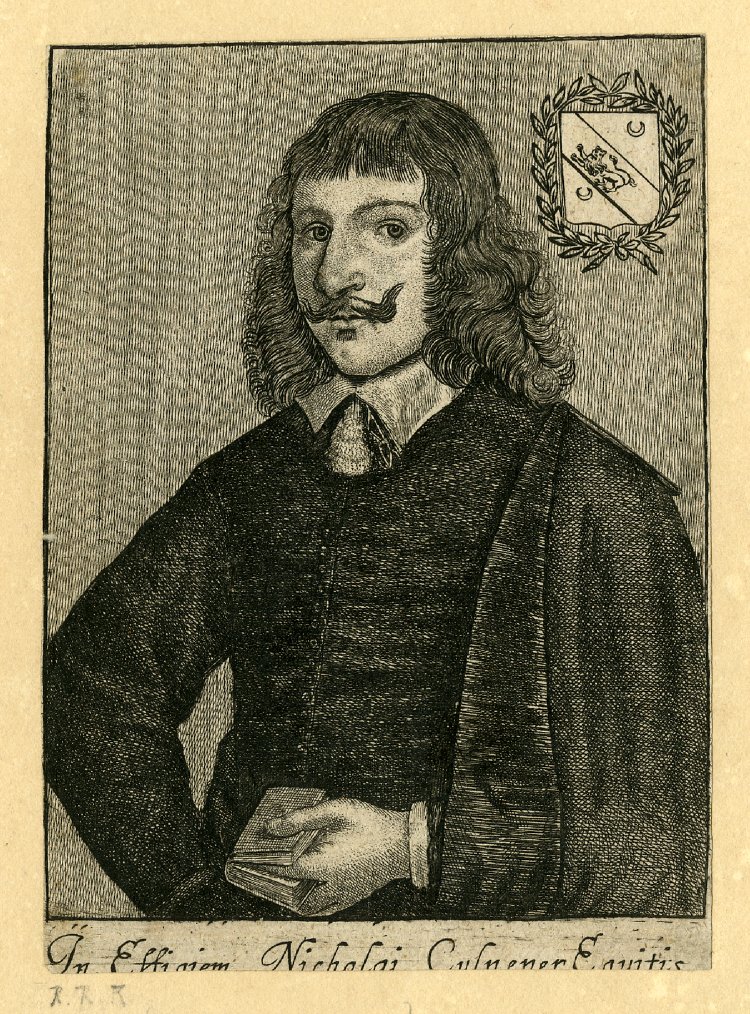 🇬🇧 United Kingdom and 1 moreNicholas Culpeper
An English herbalist and astrologer who translated medical texts into English for the poor.Text · Healing · Power and authority Historical
🇬🇧 United Kingdom and 1 moreNicholas Culpeper
An English herbalist and astrologer who translated medical texts into English for the poor.Text · Healing · Power and authority Historical
Related elsewhere
All tradition 🇨🇳 China and 1 moreBagua八卦
A set of eight trigram symbols from China used in divination, cosmology, and feng shui.Tradition · Seeing and foretelling · Protection Living
🇨🇳 China and 1 moreBagua八卦
A set of eight trigram symbols from China used in divination, cosmology, and feng shui.Tradition · Seeing and foretelling · Protection Living
 🇨🇺 Cuba and 2 moreSanteríaRegla de Ocha
An Afro-Cuban religion blending Yoruba beliefs with Catholicism and SpiritismTradition · Protection · Healing Living
🇨🇺 Cuba and 2 moreSanteríaRegla de Ocha
An Afro-Cuban religion blending Yoruba beliefs with Catholicism and SpiritismTradition · Protection · Healing Living
 🇸🇸 South Sudan and 1 moreAzande witchcraft
A Zande belief that certain people harm others by an inherited power, judged by oraclesBelief · Cursing and harm · Seeing and foretelling Living
🇸🇸 South Sudan and 1 moreAzande witchcraft
A Zande belief that certain people harm others by an inherited power, judged by oraclesBelief · Cursing and harm · Seeing and foretelling Living
 🇺🇸 United StatesKahuna
A Hawaiian expert or priest, keeper of hidden knowledge in craft and spiritTradition · Healing · Seeing and foretelling Living
🇺🇸 United StatesKahuna
A Hawaiian expert or priest, keeper of hidden knowledge in craft and spiritTradition · Healing · Seeing and foretelling Living