
Magic circle
from Sumerian zisurrû, meaning "magic circle drawn with flour"
A ritual boundary drawn or visualised to create sacred space and protection
A magic circle is a marked area used in ritual magic to contain energy, offer protection, or define a sacred zone. It appears across traditions from ancient Mesopotamia to modern Wicca and Druidry, serving as a barrier against harm and a container for ceremonial work.
- Sumerians called it zisurrû, using flour for protection
- Jewish midwives in Alsace drew circles around birthing women
- Wiccans typically use a nine-foot diameter circle
- Druids associate cardinal points with earth, air, water, fire
- Leaving requires cutting a doorway to preserve the barrier
What it is
A magic circle is a defined space used by practitioners of ritual magic to separate the sacred from the profane. It serves as a protective barrier and a container for spiritual energy. The circle can be physical, drawn in materials like salt or chalk, or purely mental through visualization. Its primary function is to safeguard the operator and focus intent during ceremonies.
Where it comes from
The concept dates back to ancient Mesopotamia, where Sumerians practiced zisurrû, using flour to delineate and purify ritual spaces. This method aimed to protect against evil forces. The tradition evolved through various cultures, including Jewish customs in Alsace for birth protection and later European grimoires that formalized its use in ceremonial magic.
How it is done
Practitioners mark the circle using materials such as salt, flour, chalk, or cords. In some traditions, the circle is cast by moving sunwise, while others may use counter-clockwise motions known as widdershins. Rituals often involve circumambulation or tracing patterns. To leave without breaking the barrier, a doorway is symbolically cut and later restored.
Tools and materials
Common tools include salt, chalk, flour, and cords for marking boundaries. Weapons like swords, knives (athames), or staffs are used to cast and close the circle. Candles representing elements, air, fire, water, earth, are placed at cardinal points. Incense and water pots may also be incorporated into the ritual setup.
Magic circle, drawn and placed
- Living
- Revived
- Fading
- Historical
- Legendary
- Performed
- Lineage
- Ritual magic and ceremonial practice
- Timing
- during rituals, births, and seasonal festivals
What it is for
The circle provides protection against harmful spirits and entities. It creates a sacred environment for communion with divine forces or ancestors. Practitioners believe it contains energy generated during rituals, enhancing their effectiveness. It is also used for purification and establishing a safe zone for magical operations.
Who does it
Ritual magicians, witches, priests, and healers employ magic circles. Training involves learning specific techniques for casting and closing the circle. Gender roles vary; in some traditions, senior druids lead the casting. Practitioners must respect the integrity of the circle, avoiding unnecessary breaches to maintain its protective power.
Peoples and places
Sumerians used flour-based circles for exorcism. Jewish communities in Alsace drew circles around birthing women to ward off Lilith. Wiccans utilize nine-foot diameter circles with elemental candles. Druids gather within stone circles or marked spaces, associating directions with natural elements. These practices reflect diverse cultural interpretations of sacred space.
At a glance: who, where and when
What people believe
The circle is viewed as a fortress against evil spirits and a conduit for divine energy. Practitioners hold that it maintains spiritual balance and purity. Breaking the circle is believed to weaken its protective qualities. The act of creating sacred space is seen as primal and essential for effective ritual work, connecting the practitioner to broader cosmic forces.
When it is done
Circles are cast during specific rituals, births, and seasonal festivals. Wiccans follow a wheel of the year, marking solstices and equinoxes. Druidic ceremonies align with these cycles, using directional markers tied to earth, air, water, and fire. The timing reinforces the connection between human activity and natural rhythms.
How scholars and sceptics see it
Scholars view magic circles as symbolic constructs that structure ritual experience. Historians note their evolution from ancient protective rites to modern ceremonial frameworks. Psychologists interpret them as tools for focusing intent and managing anxiety. Anthropologists study their role in community bonding and identity formation within magical traditions.
Cautions and what is closed
Breaking the circle unintentionally may compromise its protective function. Practitioners advise caution when exiting to preserve integrity. Misuse or disrespect of the circle’s sanctity is believed to invite negative influences. Proper technique requires knowledge of traditional methods to ensure safety and efficacy during rituals.
Compare and confuse
Similar concepts appear in mandalas and yantras within Hindu and Buddhist traditions, serving as spiritual diagrams. Sigils function as focused symbols of intent. Unlike these static forms, magic circles are dynamic spaces created for active ritual engagement, emphasizing movement and temporal boundaries rather than permanent structures.
Law and persecution
No specific legal restrictions are mentioned regarding the use of magic circles. Practices remain within personal or communal religious expression. Historical persecution of witchcraft has impacted some traditions, but contemporary usage is generally accepted as part of diverse spiritual practices.
Rites that involve Magic circle
Questions people ask about Magic circle
What is a magic circle?
It is a ritual boundary drawn or visualized to create sacred space and protection for practitioners of ritual magic.
Where does the term originate?
It derives from the Sumerian word zisurrû, meaning "magic circle drawn with flour," used in ancient Mesopotamian rituals.
How is it used in Wicca?
Wiccans cast a circle, often nine feet wide, to contain energy and protect participants during ceremonies involving elemental candles.
Why do Druids use circles?
Druids gather within circles to mark ceremonial space, linking directions to natural elements like earth, air, water, and fire.
Can you leave a magic circle?
Yes, by cutting a symbolic doorway in the energy field, which must be closed afterward to restore the circle's integrity.
Good reading and sources
- Magic circle on WikipediaEncyclopedia
- More photos on Wikimedia CommonsPhotos and video
- Wikidata recordOpen data
The facts on this page come from the Wikipedia article "Magic circle", written by its contributors and used under the CC BY-SA 4.0 licence, and from its Wikidata record (CC0). EveryJaadu rewrote the text in its own words, with AI assistance, and compares every page with the article to make sure no passage is copied. It may be reused under the same CC BY-SA 4.0 licence with a link back.
It may contain mistakes. Names and customs differ from one community to the next, and some knowledge is closed to outsiders and left out here. This page describes belief and practice. It does not say that any of it works, it is not a how-to, and it is not medical advice. If something is wrong, tell us. Last refreshed 2026-10-05.
More from Switzerland
All the entries from Switzerland 🇮🇹 Italy and 5 moreTarottarocchi
A set of playing cards used for games and divinationTradition · Seeing and foretelling · Luck and prosperity Living
🇮🇹 Italy and 5 moreTarottarocchi
A set of playing cards used for games and divinationTradition · Seeing and foretelling · Luck and prosperity Living
 🇨🇭 SwitzerlandValais witch trials
The first systematic European witch-hunt, beginning in the Valais region of Switzerland in 1428.Tradition · Cursing and harm Historical
🇨🇭 SwitzerlandValais witch trials
The first systematic European witch-hunt, beginning in the Valais region of Switzerland in 1428.Tradition · Cursing and harm Historical
 🇩🇪 Germany and 2 moreFranz Anton Mesmer
A German physician who proposed a universal fluid of natural energy and founded mesmerism.Tradition · Healing Historical
🇩🇪 Germany and 2 moreFranz Anton Mesmer
A German physician who proposed a universal fluid of natural energy and founded mesmerism.Tradition · Healing Historical
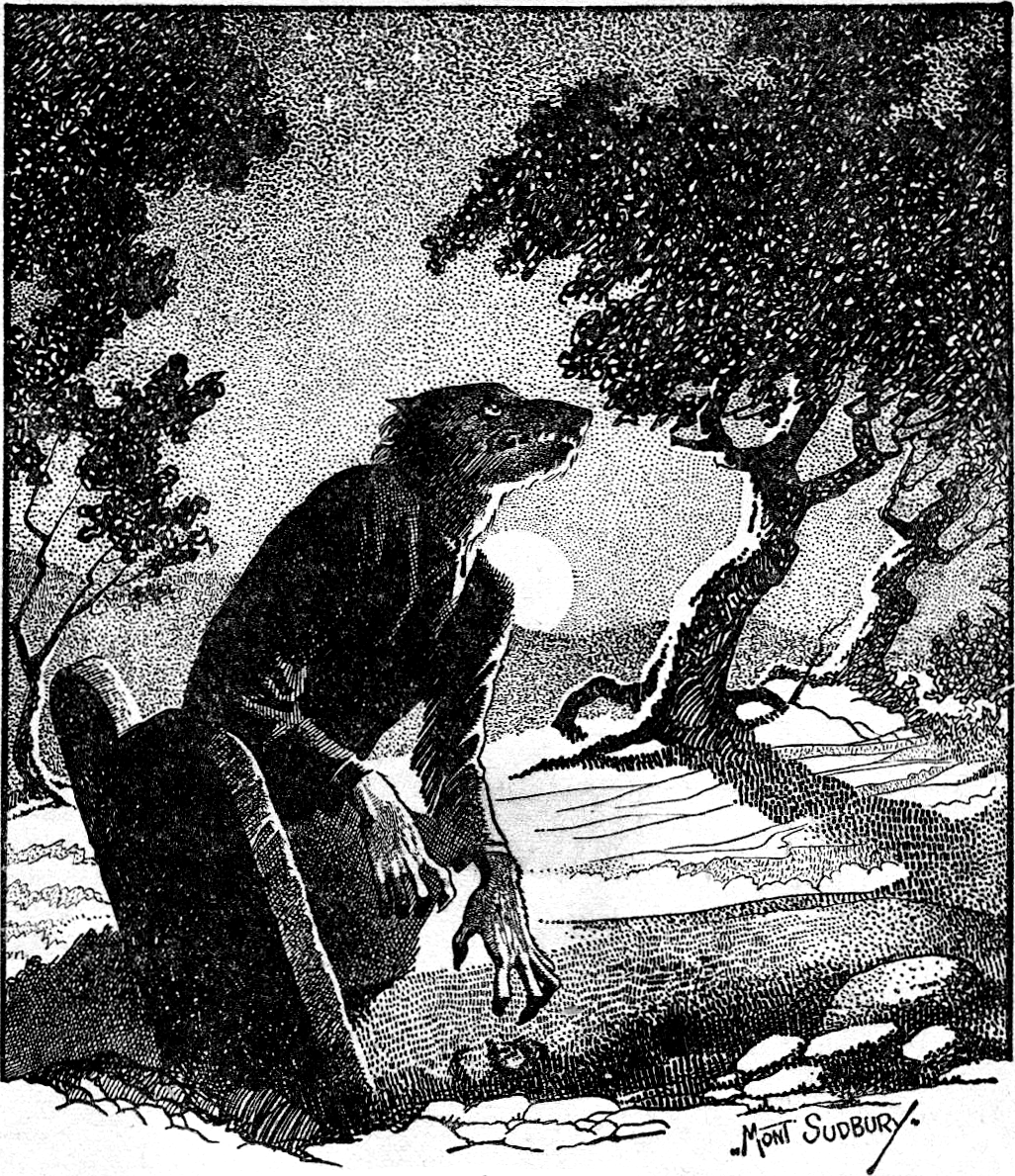 🇫🇷 France and 5 moreWerewolf
A mythical shapeshifter that turns into a wolf, central to European witch-hunts and Gothic horror.Being · Cursing and harm · Wonder and entertainment Legendary
🇫🇷 France and 5 moreWerewolf
A mythical shapeshifter that turns into a wolf, central to European witch-hunts and Gothic horror.Being · Cursing and harm · Wonder and entertainment Legendary
Related elsewhere
All tradition 🇮🇳 India and 2 moreHomaहोम
A fire ritual found across Asian religions where offerings are burned as a votive exchange with the divine.Rite · Protection · Speaking with spirits and the dead Living
🇮🇳 India and 2 moreHomaहोम
A fire ritual found across Asian religions where offerings are burned as a votive exchange with the divine.Rite · Protection · Speaking with spirits and the dead Living
 🇲🇦 Morocco and 5 moreWild rueاسپند
A desert plant whose seeds hold psychoactive alkaloids and serve as incense in the Middle East.Substance · Protection · Speaking with spirits and the dead Living
🇲🇦 Morocco and 5 moreWild rueاسپند
A desert plant whose seeds hold psychoactive alkaloids and serve as incense in the Middle East.Substance · Protection · Speaking with spirits and the dead Living
 🇨🇳 China and 1 moreAncestor veneration in China中國傳統宗法性宗教
Rites for dead kin who are thought to watch over the familyTradition · Protection · Speaking with spirits and the dead Living
🇨🇳 China and 1 moreAncestor veneration in China中國傳統宗法性宗教
Rites for dead kin who are thought to watch over the familyTradition · Protection · Speaking with spirits and the dead Living
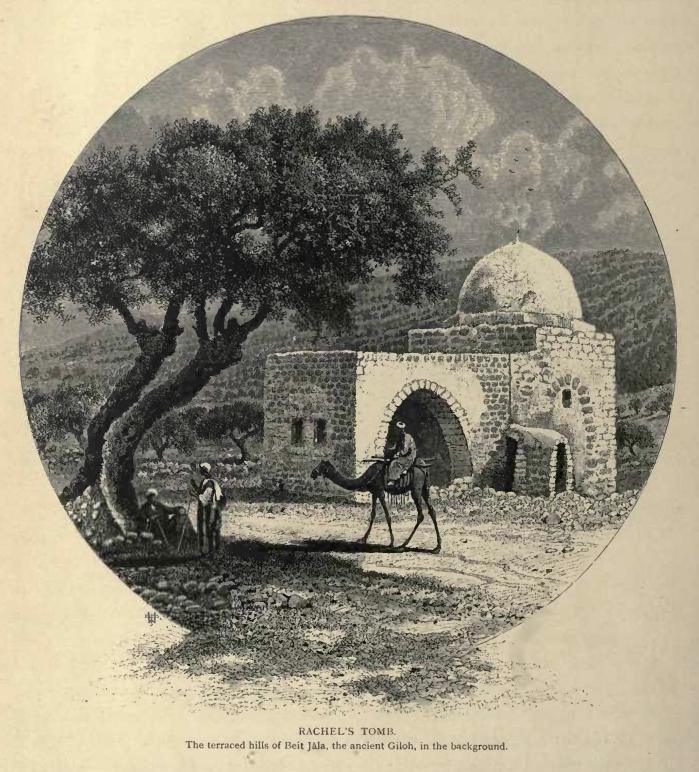 🇵🇸 Palestine and 1 moreRachel's TombQever Raḥel; Qabr Rāḥīl
A shared holy site near Bethlehem revered by Jews, Christians, and MuslimsTradition · Speaking with spirits and the dead · Protection Living
🇵🇸 Palestine and 1 moreRachel's TombQever Raḥel; Qabr Rāḥīl
A shared holy site near Bethlehem revered by Jews, Christians, and MuslimsTradition · Speaking with spirits and the dead · Protection Living