
Magic in the Greco-Roman world
from Greek magos, influenced by Persian Magian priests
Private supernatural practices in ancient Greece and Rome, distinct from public state religion.
This term covers private magical acts in ancient Greece, Rome, and interacting cultures like Egypt. It includes charms, curses, and divination practiced by individuals outside official temple rites. Sources include curse tablets, amulets, and literary texts.
- Augustus burned 2,000 magical scrolls in 13 BCE.
- Circe used a wand while Odysseus used the herb moly.
- Orpheus, Pythagoras, and Empedocles were famous magoi.
- Paul convinced Ephesians to burn their magical books.
- Magic differed from religion by being secretive and manipulative.
What it is
Magic in this context refers to private supernatural acts not overseen by official priesthoods. It operated alongside public state religion but remained distinct. Practitioners sought to control environment or self through untested means. This included astrology, alchemy, and spirit work. The line between approved religion and condemned magic was often blurred. Many rituals borrowed divine names and ceremonies from established cults. However, magic was typically secretive and aimed at personal gain rather than community welfare.
Where it comes from
The concept evolved from early Greek literature. Homer’s Odyssey describes Circe using a wand and Odysseus using a secret herb called moly. These elements became standard tropes for later magical systems. The term magos entered Greek usage through contact with Persian and Egyptian traditions. Hellenistic fascination with Zoroaster solidified the link between magic and esoteric knowledge. By the Roman era, magic had become a coherent tradition fusing diverse Mediterranean beliefs.
How it is done
Practitioners used tools like wands, rare herbs, and divine invocations. Curse tablets were inscribed and deposited to harm enemies. Amulets provided protection against evil forces. Diviners interpreted signs to foresee future events. Rituals often involved secrecy and payment. Some acts required divine revelation or assistance. The Greek Magical Papyri contain spells combining Egyptian, Greek, and Jewish elements. These texts emphasize keeping knowledge hidden from outsiders.
Tools and materials
Wands served as conduits for magical power. Herbs like moly offered defense against enchantments. Curse tablets were physical objects bearing written spells. Amulets acted as protective charms. Literary texts preserved complex ritual instructions. Divine figures were invoked to aid practitioners. The combination of material objects and spoken words formed the core of magical efficacy.
Magic in the Greco-Roman world, drawn and placed
- Living
- Revived
- Fading
- Historical
- Legendary
- Performed
- Lineage
- Greco-Roman religious practice
- Timing
- private moments or specific crises
What it is for
Magic served various personal goals including healing, weather control, and summoning spirits. It was used to harm rivals or protect against danger. Divination helped individuals navigate uncertain futures. Some practices aimed to transcend natural limits. Unlike public religion, which sought divine favor, magic often sought to compel deities. This manipulative aspect led to its social stigma. Practitioners were sometimes viewed as charlatans or frauds.
Who does it
Magicians included healers, diviners, and sorcerers. Figures like Orpheus and Pythagoras were revered as divine men. Plato acknowledged their existence but considered them low in status. Laws regulated their activities in cities like Athens. Christian writers often condemned them as evil influences. Neoplatonic philosophers sometimes used magical texts secretly. The role of the magician shifted from respected sage to suspected trickster over time.
Peoples and places
Greeks and Romans practiced magic throughout the Mediterranean. Egyptians contributed significantly to magical theory and practice. Jews and early Christians within the Empire also engaged in magical acts. Cultural exchange blended these traditions into syncretic forms. The Greek Magical Papyri reflect this mixing of beliefs. Regional variations existed in how magic was perceived and practiced. Suppression efforts varied by location and historical period.
At a glance: who, where and when
What people believe
Belief in magic rested on ideas about hidden forces in nature. Sympathies and antipathies governed interactions between objects and people. Deities could be influenced or constrained through ritual. The universe was seen as interconnected and responsive to human action. Magic reflected a worldview where gods, spirits, and humans interacted constantly. Words of power held inherent potency. Secrecy was essential to maintaining magical authority and effectiveness.
When it is done
No specific festivals are tied exclusively to private magic. Acts occurred during daily life or times of crisis. Some rituals may have aligned with lunar cycles or seasonal changes. Public religious calendars often overshadowed private magical observances. However, magical texts reference various divine names and dates. The timing of acts depended on the specific goal and practitioner.
How scholars and sceptics see it
Modern scholars analyze magic through anthropology and history. They note the difficulty in distinguishing magic from religion in antiquity. Skeptics in ancient times often dismissed magicians as frauds. Philosophers like Plato recognized magical powers but limited their scope. Early Christian writers linked magic to demonic influence. Contemporary research focuses on textual evidence like papyri and curse tablets.
Cautions and what is closed
Ancient authorities often suppressed magical practices. Augustus ordered the burning of thousands of magical scrolls. In Ephesus, converts burned their magical books upon converting to Christianity. Magicians faced social stigma and legal restrictions. Accusations of magic could lead to persecution. Secrecy protected practitioners from prosecution. The fear of magic’s power drove many suppression efforts.
Compare and confuse
Magic is often confused with state religion due to shared elements. Both use divine names and rituals. However, magic is typically secretive and self-serving. Religion is public and communal. Terms like goēs and magos distinguish different types of practitioners. Modern concepts of magic differ significantly from ancient understandings. The boundary between miracle and magic was fluid in antiquity.
Law and persecution
Legal status varied across the Greco-Roman world. Some cities regulated magical practitioners through laws. Authorities burned magical texts to suppress influence. Persecution increased with the rise of Christianity. Magicians were often viewed as threats to social order. Despite suppression, magic persisted underground. Legal actions against magic reflect broader anxieties about unseen forces.
Today
Knowledge of Greco-Roman magic survives through archaeological finds and texts. Scholars study papyri, tablets, and literary references to reconstruct practices. Modern interest in ancient magic often focuses on its philosophical aspects. Revival movements sometimes draw inspiration from these traditions. However, most understanding remains academic rather than practical. The legacy of Greco-Roman magic influences contemporary Western esotericism.
Questions people ask about Magic in the Greco-Roman world
What is magic in the Greco-Roman world?
It refers to private supernatural practices in ancient Greece and Rome. These acts were not part of official state religion. They included charms, curses, and divination performed by individuals.
Where does the word magic come from?
It comes from the Greek word magos. This term was influenced by Persian Magian priests. It eventually replaced older Greek terms for practitioners of magic.
Who were famous magical figures in ancient Greece?
Orpheus, Pythagoras, and Empedocles were renowned magoi. They were believed to possess powers like healing, prophecy, and controlling nature. They were often called divine men.
How did society view magicians?
Views varied. Some saw them as powerful sages. Others viewed them as charlatans or frauds. Philosophers acknowledged their powers but considered them low in status. Authorities often suppressed their activities.
What happened to magical texts in antiquity?
Many were destroyed by authorities. Augustus burned thousands of scrolls. Converts in Ephesus burned their books upon becoming Christian. Surviving texts like the Greek Magical Papyri provide key insights.
Good reading and sources
- Magic in the Greco-Roman world on WikipediaEncyclopedia
- More photos on Wikimedia CommonsPhotos and video
- Wikidata recordOpen data
The facts on this page come from the Wikipedia article "Magic in the Greco-Roman world", written by its contributors and used under the CC BY-SA 4.0 licence, and from its Wikidata record (CC0). EveryJaadu rewrote the text in its own words, with AI assistance, and compares every page with the article to make sure no passage is copied. It may be reused under the same CC BY-SA 4.0 licence with a link back.
It may contain mistakes. Names and customs differ from one community to the next, and some knowledge is closed to outsiders and left out here. This page describes belief and practice. It does not say that any of it works, it is not a how-to, and it is not medical advice. If something is wrong, tell us. Last refreshed 2026-10-05.
More from Greece
All the entries from Greece 🇬🇷 Greece and 5 moreBay Laurelδάφνη
An aromatic Mediterranean plant used in cooking and as a symbol of victory and purification.Substance · Protection · Cleansing and purification Living
🇬🇷 Greece and 5 moreBay Laurelδάφνη
An aromatic Mediterranean plant used in cooking and as a symbol of victory and purification.Substance · Protection · Cleansing and purification Living
 🇮🇪 Ireland and 5 moreCairn
A human-made stack of stones used as a marker, memorial, or religious symbol across many cultures.Tradition · Protection · Speaking with spirits and the dead Living
🇮🇪 Ireland and 5 moreCairn
A human-made stack of stones used as a marker, memorial, or religious symbol across many cultures.Tradition · Protection · Speaking with spirits and the dead Living
 🇬🇷 GreeceOrphismὈρφικά
A Greek mystery tradition based on the myth of Dionysus and the soul's journeyTradition Historical
🇬🇷 GreeceOrphismὈρφικά
A Greek mystery tradition based on the myth of Dionysus and the soul's journeyTradition Historical
 🇬🇷 Greece and 5 moreCrossroads (folklore)
A junction between worlds where spirits are met and deals are madeBelief · Speaking with spirits and the dead · Cursing and harm Living
🇬🇷 Greece and 5 moreCrossroads (folklore)
A junction between worlds where spirits are met and deals are madeBelief · Speaking with spirits and the dead · Cursing and harm Living
Related elsewhere
All tradition 🇮🇳 India and 1 moreYoginiयोगिनी
A female master of yoga and tantra, or a fierce goddess aspect in Indian temples.Tradition · Power and authority · Protection Historical
🇮🇳 India and 1 moreYoginiयोगिनी
A female master of yoga and tantra, or a fierce goddess aspect in Indian temples.Tradition · Power and authority · Protection Historical
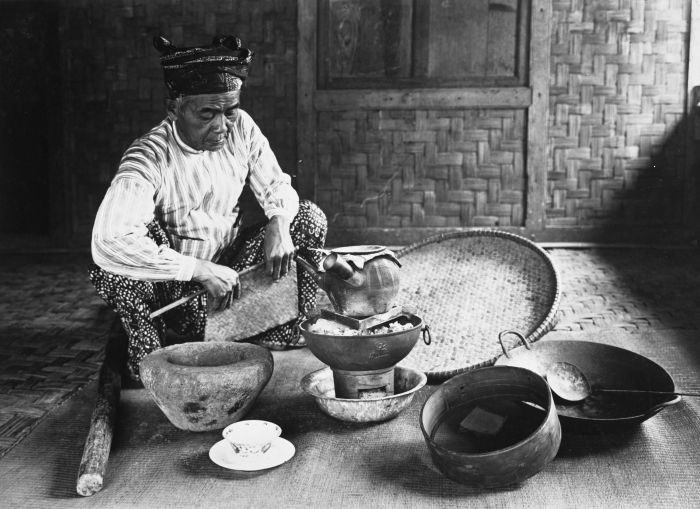 🇮🇩 Indonesia and 2 moreDukun
A traditional healer and spirit medium in Indonesian folk practiceTradition · Healing · Seeing and foretelling Living
🇮🇩 Indonesia and 2 moreDukun
A traditional healer and spirit medium in Indonesian folk practiceTradition · Healing · Seeing and foretelling Living
 🇩🇿 Algeria and 1 moreAhmad al-Buniأحمد البوني المالكي
A medieval Sufi scholar known for works on letter mysticism and talismansText · Power and authority · Seeing and foretelling Historical
🇩🇿 Algeria and 1 moreAhmad al-Buniأحمد البوني المالكي
A medieval Sufi scholar known for works on letter mysticism and talismansText · Power and authority · Seeing and foretelling Historical
 🇿🇦 South AfricaSympathetic magic
A magical principle based on imitation and contact to influence the worldTradition · Protection · Healing Historical
🇿🇦 South AfricaSympathetic magic
A magical principle based on imitation and contact to influence the worldTradition · Protection · Healing Historical