Death and remembrance: practices that mark them
Guiding, honouring and warding the dead, and the rites of mourning.
Death and remembrance bring some of the most elaborate rites in the world, aimed at guiding the dead, protecting the living and keeping the bond between them. They include the Hindu cremation and Pitru Paksha offerings, the Tibetan Buddhist bardo teachings, the Jewish shiva, Islamic burial customs, the Irish wake, Chinese ancestor offerings, the Mexican Day of the Dead, the Ghanaian fantasy coffin and Aboriginal mourning rules. This page describes them as customs.
Guiding the dead
Many traditions see death as a journey that needs help. Hindu rites are said to carry the soul onward, Tibetan Buddhist texts guide the dead through an intermediate state, and ancient Egyptian rites prepared the dead for judgement. In many Chinese and Southeast Asian families, paper money, houses and goods are burned so the dead are provided for. Many such customs came from a time when disease and decay posed real danger, and the rules about touching and washing the body reflect that.
Protecting the living
The dead can be feared as well as loved. Customs aim to keep them from returning wrongly: covering mirrors in Jewish and some European homes, leaving by a different door, throwing salt, and cleansing after a funeral. Some Aboriginal communities do not speak a dead person's name for a time. Mourners often observe set periods and then rejoin ordinary life. In Judaism and Islam, burial is quick and simple, and mourners follow a defined period of grief that gradually returns them to normal life.
Remembrance and ancestors
In Mexico, families set out an ofrenda with photographs, marigolds and the favourite foods of the dead. In China, the Qingming festival sees graves swept. In West Africa, the dead are honoured as ancestors and consulted. In Madagascar, the famadihana turns the bones of ancestors in fresh cloth. Such rites are an active relationship. Rites for the dead continue after burial: remembrance days, annual visits to graves and prayers that mark anniversaries keep the memory of each person present.
Law, cost and exploitation
Funeral cost can be heavy and open to exploitation, and fraudulent mediums prey on the grieving. States regulate disposal of bodies, and some traditions, such as sky burial in Tibet and Hindu open-air cremation, have been restricted at times. Grief support from friends and professionals matters beside any rite. Grief takes many forms, and a rite does not replace mourning, though many mourners find that a shared ritual gives the first days a shape and gives friends and relatives something to do.
Death and remembrance on EveryJaadu
The entries written up so far, best known first.
 🇲🇬 MadagascarFamadihana
A Malagasy ritual to rewrap ancestors and celebrate their return to the spirit worldRite · Speaking with spirits and the dead · Luck and prosperity Fading
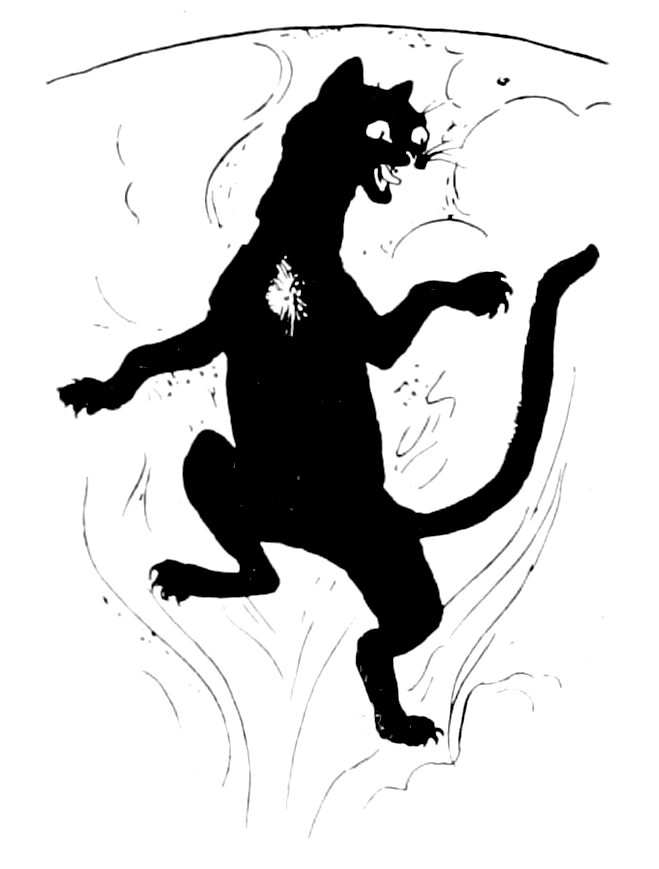 🇬🇧 United KingdomCat-sìth
A spectral feline from Celtic lore that haunts the Scottish Highlands and guards the dead.Being · Cursing and harm · Luck and prosperity Legendary
 🇲🇽 MexicoOfrenda
A Mexican home altar built to welcome the souls of the dead during Día de los MuertosTradition · Speaking with spirits and the dead Living
 🇻🇺 Vanuatu and 5 moreKava culture
A shared ritual across Oceania where a root brew marks ceremony, respect, and social gathering.Tradition · Speaking with spirits and the dead · Luck and prosperity Living
 🇨🇳 China and 1 moreAncestor veneration in China
Rites for dead kin who are thought to watch over the familyTradition · Protection · Speaking with spirits and the dead Living
 🇦🇺 AustraliaSmoking ceremony
A ritual using herbal smoke for cleansing and welcoming among Aboriginal AustraliansRite · Cleansing and purification · Speaking with spirits and the dead Living
🇳🇿 New Zealand and 5 moreTapu
A Polynesian concept of sacred restriction and spiritual prohibitionTradition · Protection · Speaking with spirits and the dead Living
 🇮🇳 IndiaTarpanaतर्पण
A Vedic offering of water and seeds to gods, sages, and ancestorsRite · Speaking with spirits and the dead · Power and authority Living
 🇨🇳 China and 5 moreGhost FestivalZhongyuan Jie (中元节)
A festival for appeasing wandering spirits and honoring ancestors in East and Southeast AsiaRite · Speaking with spirits and the dead · Protection Living
🇳🇿 New ZealandKarakia
Māori recitations used for spiritual guidance, protection, and formal greetingsTradition · Protection · Speaking with spirits and the dead Living
 🇨🇳 China and 1 moreDongyue Dadi東嶽大帝
The Chinese mountain god of Mount Tai who rules lifespans and underworld recordsBeing · Speaking with spirits and the dead · Power and authority Living
 🇨🇳 China and 3 moreHmong folk religionKev Dab Qhuas
The ethnic religion of the Miao and Hmong peoples, centered on spirit worship and shamanic healing.Tradition · Healing · Protection Living
 🇪🇬 Egypt and 2 moreIsisꜣst (Egyptian)
Egyptian goddess of magic, mourning and kingship, mother of HorusBeing · Protection · Healing Historical
 🇮🇳 India and 5 moreAncestor veneration
Rituals to honor the dead and maintain kinship bonds across generationsTradition · Speaking with spirits and the dead · Protection Living
 🇨🇳 China and 5 moreJoss paper金紙
Paper burned as money and goods for ancestors, gods and the deadCharm · Speaking with spirits and the dead · Luck and prosperity Living
🇬🇧 United Kingdom and 4 moreTelling the bees
A Western European custom of informing hives about major household eventsTradition · Protection · Luck and prosperity Living
 🇮🇳 India and 6 moreChurel
A female revenant of South Asian folklore, feared for luring men awayBeing · Cursing and harm Legendary
 🇨🇳 China and 2 moreDiyu地獄
The underworld realm of trial, atonement, and rebirth in Chinese mythologyBelief · Cleansing and purification · Change and initiation Living
 🇪🇬 Egypt and 2 moreLibation
The ritual pouring of liquid as an offering to spirits or the deadRite · Speaking with spirits and the dead · Protection Living
🇯🇵 JapanYutaユタ
Okinawan folk shamans who guide families through spirits and fortune-tellingTradition · Protection · Healing Living
 🇮🇪 IrelandIrish folklorebéaloideas
The oral traditions, myths and customs of IrelandTradition · Wonder and entertainment Living
🇬🇧 United KingdomBarghest
A mythical black dog from Northern England that foretells death and haunts the countryside.Being · Seeing and foretelling · Cursing and harm Legendary
🇮🇶 IraqKispu
An ancient Mesopotamian ritual to feed and honor the dead ancestorsRite · Speaking with spirits and the dead · Protection Historical
 🇵🇭 PhilippinesAswang
A shape-shifting monster from Philippine folklore that preys on humans.Being · Cursing and harm Legendary
🇷🇴 Romania and 2 moreStrigoi
A Romanian undead spirit linked to witchcraft and vampirismBeing · Cursing and harm Historical
 🇬🇧 United Kingdom and 3 moreJet
A black gemstone carved into amulets and mourning jewelry for millenniaCharm · Protection · Power and authority Historical
 🇷🇺 Russia and 2 moreVampire
A demonic spirit possessing a corpse, feared in Slavic folklore for drinking blood and bringing misfortune.Being · Cursing and harm Historical
 🇧🇪 Belgium and 5 moreRelic
An object or body part kept to honor a holy person and mark their connection to the divineCharm · Protection · Healing Living
 🇮🇳 India and 5 morePretaप्रेत
A suffering spirit of Indian and Asian belief, often called a hungry ghostBeing · Speaking with spirits and the dead · Change and initiation Living
 🇧🇷 Brazil and 5 moreWhite Lady
A female ghost in white clothing linked to tragedy and omens across many culturesFigure · Cursing and harm · Seeing and foretelling Legendary
🇨🇦 Canada and 3 moreBardo Thodolབར་དོ་ཐོས་གྲོལ
A Tibetan Buddhist text guiding consciousness through the states between death and rebirthText Living
 🇵🇰 Pakistan and 4 moreLal Shahbaz Qalandarلعل شهباز قلندر
A Sufi saint and poet revered in South Asia, especially among the Sindhi people.Figure · Speaking with spirits and the dead Historical
 🇪🇬 EgyptOpening of the mouth ceremonywpt-r (Egyptian)
An ancient Egyptian rite to restore a deceased person's senses for the afterlifeRite · Speaking with spirits and the dead · Power and authority Historical
🇱🇰 Sri Lanka and 2 moreParittaපිරිත් (Sinhala), ปริตร (Thai), ပရိတ် (Burmese)
Pali verses recited in Theravada Buddhism for protection and blessingsText · Protection · Healing Living
 🇰🇷 South KoreaJeoseung Saja저승사자
A Korean psychopomp who escorts the dead to the afterlife.Being · Speaking with spirits and the dead Living
 🇰🇷 South KoreaGut굿
Rites performed by Korean shamans to commune with spirits and ensure community welfare.Rite · Protection · Speaking with spirits and the dead Living
 🇸🇳 Senegal and 5 moreVeneration of the dead
Rituals of respect and offerings for ancestors across global culturesTradition · Protection · Speaking with spirits and the dead Living
🇭🇹 HaitiVodou veve (sample)Vèvè
Ground drawings that call the lwa.Tradition · Speaking with spirits and the dead Living
 🇮🇳 India and 2 moreBhootभूत
A restless spirit of the dead in South Asian belief and folkloreBeing · Cursing and harm · Protection Living
 🇯🇵 Japan and 1 moreGood Luck Flag寄せ書き日の丸 (yosegaki hinomaru)
A Japanese national flag signed by loved ones to wish a soldier safety and victory.Charm · Protection · Luck and prosperity Living
 🇨🇳 ChinaPig dragon玉豬龍
A coiled Neolithic jade amulet from Hongshan culture, possibly an early dragon imageCharm · Power and authority Historical
 🇪🇬 Egypt and 1 moreHypocephalus
An ancient Egyptian disk placed under the head of the dead for protection and rebirthCharm · Protection · Speaking with spirits and the dead Historical
 🇷🇺 RussiaReindeer in Siberian shamanism
The role of reindeer as spirit helpers, ritual tools, and burial vehicles in the shamanic traditions of Northern AsiaTradition · Healing · Speaking with spirits and the dead Living
 🇪🇬 Egypt and 4 moreScarab
An ancient Egyptian amulet and seal shaped like a dung beetleCharm · Protection · Luck and prosperity Historical
 🇪🇬 Egypt and 2 moreLecanomancy
Divination using a dish or bowl of water to read the futureOracle · Seeing and foretelling · Luck and prosperity Historical
 🇨🇳 China and 2 moreChinese burial money瘞錢 (yì qián)
Imitations of currency placed in Chinese graves to serve the deceased in the afterlife.Charm · Protection · Luck and prosperity Historical
 🇪🇬 EgyptPlummet amulet
An Ancient Egyptian charm shaped like a plumb bob to ensure balance in the afterlifeCharm Historical
Photo credits on this page
The small pictures above come from Wikimedia Commons under free licences. Some are cropped to fit.
- Veneration of the dead: Anonymous ( Flemish ) Unknown author, Public domain, source
- Malagasy mythology: Saveoursmile (Hery Zo Rakotondramanana), CC BY-SA 2.0, source
- Philippine mythology: The original uploader was Rodsan18 at English Wikipedia . ( Original t, CC BY 2.5, source
- Ofrenda: Eneas de Troya, CC BY 2.0, source
- Kava culture: Jaejay77, CC BY-SA 4.0, source
- Smoking ceremony: Shillings1005, CC BY-SA 4.0, source
- Ghost Festival: Chong Fat, CC BY-SA 3.0, source
- Dongyue Dadi: H2v5o68z, CC0, source
- Hmong folk religion: Thomas Riccio, CC BY 4.0, source
- Pig dragon: Prof. Gary Lee Todd, CC BY-SA 4.0, source
- Ancestor veneration: Thang Nguyen, CC BY-SA 2.0, source
- Good Luck Flag: takato marui, CC BY-SA 2.0, source
- Joss paper: Vmenkov, CC BY-SA 3.0, source
- Welsh mythology: Unknown author, Public domain, source
- Plummet amulet: The Art Institute of Chicago, CC0, source
- Diyu: ScribblingGeek, CC BY-SA 4.0, source
- Libation: Arkady Zarubin ( Аркадий Зарубин ), CC BY-SA 3.0, source
- Bhoot: Anilbhardwajnoida, CC BY-SA 3.0, source
- Jet: Thmsfrst, Public domain, source
- Relic: MathieuGuy, CC BY-SA 3.0, source
- Preta: Temple, Richard Carnac, Sir, Public domain, source
- White Lady: engraved by Ames of Bristol (according to Fincham, Artists and engrave, Public domain, source
- Lecanomancy: Author Robert Burns Translator Alexander Smith Illustrator C. A. Vande, Public domain, source
- Chinese burial money: Gary Todd, CC0, source
- Hypocephalus: rob koopman, CC BY-SA 2.0, source
- Jeoseung Saja: National Folk Museum of Korea, CC BY 4.0, source
- Scarab: Rama, CC BY-SA 2.0 fr, source
- Gut: ReSearcher at English Wikipedia, CC BY-SA 3.0, source
- Opening of the mouth ceremony: Hunefer, Public domain, source
- Reindeer in Siberian shamanism: Unknown author, Public domain, source
- Lal Shahbaz Qalandar: Fassifarooq, CC BY-SA 4.0, source
- Vampire: Віщун, CC BY-SA 4.0, source
- Churel: Joe Mabel, CC BY-SA 3.0, source
- Isis: Ägyptischer Maler um 1360 v. Chr., Public domain, source
- Tarpana: Biswarup Ganguly, CC BY 3.0, source
- Ancestor veneration in China: Three huntings, CC BY-SA 4.0, source
- Cat-sìth: John D. Batten, Public domain, source