
Jeoseung Saja
In its own language: 저승사자
from Korean jeoseung (netherworld) and saja (emissary)
A Korean psychopomp who escorts the dead to the afterlife.
In Korean mythology and shamanism, Jeoseung Saja are messengers of death. They guide souls from the world of the living to the netherworld under the authority of Yeomna Daewang.
- Jeoseung Saja means Netherworld Emissary in Korean.
- They carry a red cloth list called Jeokpaeji.
- The figure serves Yeomna Daewang in the afterlife.
- Modern images show black coats and pale faces.
- The belief combines Buddhism and Korean Shamanism.
What it is
Jeoseung Saja serves as a psychopomp in Korean belief systems. These figures act as guides for souls leaving the physical world. They escort the deceased to the afterlife regardless of their moral standing during life. The role is often viewed through a bureaucratic lens, depicting the messenger as a stern official serving a higher judge. This concept blends Buddhist teachings with indigenous Korean shamanic traditions. The term covers various specific entities that perform this guiding duty.
Where it comes from
The figure originates from Korean mythology and was later integrated into Korean Shamanism. While rooted in local beliefs, the character also reflects Buddhist influences. The tradition adopted the idea of divine messengers from Buddhism and merged them with pre-existing Korean concepts of the afterlife. Over time, these figures became associated with unique Korean spiritual ideas not found in original Buddhist texts. The syncretic nature of the belief shows how different religious layers coexist in Korean culture.
How it is done
The legend describes the Jeoseung Saja carrying a red cloth scroll called Jeokpaeji. This list contains the names of those destined to die. When it is time for a soul to depart, the messenger calls the name from the scroll. Upon hearing the call, the soul leaves the body and follows the guide. Gangnim Doryeong is a specific name for such a messenger who leads souls to the entrance of the underworld. The process is portrayed as inevitable and absolute.
Tools and materials
The primary tool is the Jeokpaeji, a red cloth bearing the names of the dead. This list dictates who must leave the world of the living. In visual depictions, especially modern ones, the figure wears a black durumagi coat and a gat hat. Pale makeup is also common in contemporary portrayals. Traditional shamanic art often shows them as soldiers rather than bureaucrats.
Jeoseung Saja, drawn and placed
- Living
- Revived
- Fading
- Historical
- Legendary
- Performed
- Lineage
- Korean mythology
- Timing
- at death
What it is for
The purpose is to ensure souls reach the netherworld safely. They serve under Yeomna Daewang, the king of the underworld. The guide handles all souls, whether good or evil. This function maintains the order of the afterlife by separating the living from the dead. It provides a structured path for transition after death.
Who does it
Scholars study these figures within the context of Korean religion. No single priest performs the guiding; it is a mythological role. However, shamans may invoke or depict these beings during rituals. The figure is typically male in traditional descriptions. Modern media has influenced how people visualize the gender and appearance of the entity.
Peoples and places
The belief is central to Korean culture. It appears in both folk shamanism and Buddhist contexts. Koreans refer to these messengers using terms like Jeoseung Saja or Jeoseung Chasa. The concept is distinct from similar figures in neighboring cultures, though parallels exist. The Korean interpretation emphasizes the bureaucratic aspect of death.
At a glance: who, where and when
Who does it
Peoples
Belief worlds
Occasions

What people believe
The worldview places the Jeoseung Saja in service to Yeomna Daewang. This hierarchy suggests a structured afterlife governed by laws. The belief holds that death is not random but recorded on the red cloth. The soul's departure is triggered by the calling of its name. This reflects a view of death as an administrative process overseen by divine authority.
When it is done
The figure appears at the moment of death. There are no specific festivals dedicated solely to the messenger. However, funeral rites involve invoking these guides to lead the departed. The timing is tied to individual lifespans rather than seasonal cycles.
How scholars and sceptics see it
Researchers analyze the Jeoseung Saja as a product of religious syncretism. Anthropologists note the blend of Buddhist and shamanic elements. Historians trace the evolution of the figure from military depictions to modern eerie imagery. Scholars recognize the influence of popular media, such as television dramas, on contemporary perceptions of the myth.
Cautions and what is closed
There are no known harms associated with the belief itself. The figure is a guide, not a threat. However, some modern portrayals emphasize horror elements. This can create fear around the concept of death. The belief does not involve dangerous rituals or practices for the living.
Compare and confuse
The Jeoseung Saja is similar to the Japanese Shinigami and Chinese Yin Cha. It also shares traits with the Hindu Yamaduta. All are psychopomps who guide souls. The Korean version is distinct in its bureaucratic depiction and association with Yeomna Daewang. The term is sometimes used generally for any death messenger in Korea.
Law and persecution
The belief is part of cultural heritage and is not regulated by law. There are no legal restrictions on discussing or depicting the figure. It is respected as a part of Korean identity. No persecution is associated with the belief in modern times.
Questions people ask about Jeoseung Saja
What does Jeoseung Saja mean?
It translates to Netherworld Emissary. Jeoseung refers to the underworld, and saja means messenger or envoy. It describes a guide for the dead.
Where do they come from?
They originate in Korean mythology. The concept blends Buddhist ideas with indigenous Korean shamanism. It evolved to include unique local beliefs about the afterlife.
How do they find the dead?
They carry a red cloth list named Jeokpaeji. It holds the names of those who must die. The messenger calls the name, and the soul follows inevitably.
What do they look like?
Traditionally, they appear as soldiers. Modern media often depicts them in black coats and hats with pale skin. This eerie image is now common in popular culture.
Good reading and sources
- Jeoseung Saja on WikipediaEncyclopedia
- More photos on Wikimedia CommonsPhotos and video
- Wikidata recordOpen data
The facts on this page come from the Wikipedia article "Jeoseung Saja", written by its contributors and used under the CC BY-SA 4.0 licence, and from its Wikidata record (CC0). EveryJaadu rewrote the text in its own words, with AI assistance, and compares every page with the article to make sure no passage is copied. It may be reused under the same CC BY-SA 4.0 licence with a link back.
It may contain mistakes. Names and customs differ from one community to the next, and some knowledge is closed to outsiders and left out here. This page describes belief and practice. It does not say that any of it works, it is not a how-to, and it is not medical advice. If something is wrong, tell us. Last refreshed 2026-10-05.
More from South Korea
All the entries from South Korea 🇨🇳 China and 3 moreQilin麒麟
A legendary chimerical creature from Chinese mythology that signals the arrival or death of a sage.Being · Power and authority Legendary
🇨🇳 China and 3 moreQilin麒麟
A legendary chimerical creature from Chinese mythology that signals the arrival or death of a sage.Being · Power and authority Legendary
 🇨🇳 China and 3 moreFenghuang鳳凰 (fènghuáng)
A mythological bird symbolizing virtue and imperial harmony in East Asian cultureBeing · Power and authority · Love and attraction Legendary
🇨🇳 China and 3 moreFenghuang鳳凰 (fènghuáng)
A mythological bird symbolizing virtue and imperial harmony in East Asian cultureBeing · Power and authority · Love and attraction Legendary
 🇨🇳 China and 2 moreXiezhi獬豸
A one-horned beast from East Asia that separates the guilty from the innocentBeing · Cursing and harm · Protection Legendary
🇨🇳 China and 2 moreXiezhi獬豸
A one-horned beast from East Asia that separates the guilty from the innocentBeing · Cursing and harm · Protection Legendary
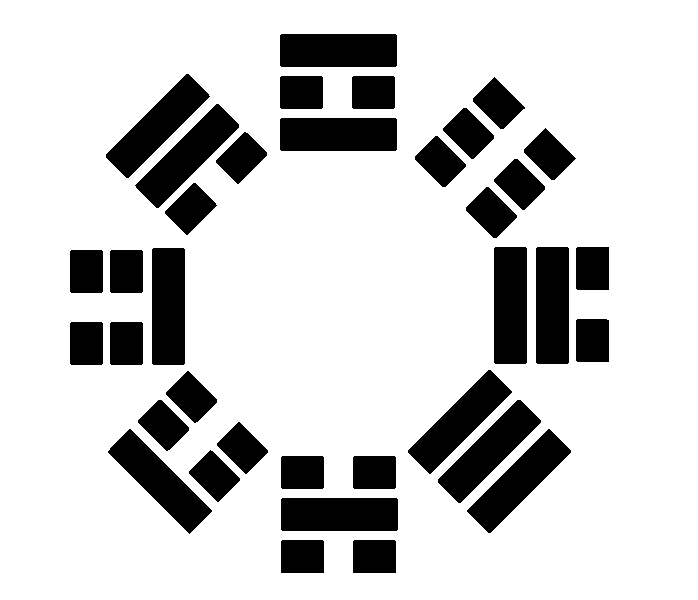 🇨🇳 China and 1 moreBagua八卦
A set of eight trigram symbols from China used in divination, cosmology, and feng shui.Tradition · Seeing and foretelling · Protection Living
🇨🇳 China and 1 moreBagua八卦
A set of eight trigram symbols from China used in divination, cosmology, and feng shui.Tradition · Seeing and foretelling · Protection Living
Related elsewhere
All being 🇮🇳 IndiaChakraचक्र
Meditation points in the subtle body used in Hindu and Buddhist yogaTradition · Speaking with spirits and the dead · Change and initiation Living
🇮🇳 IndiaChakraचक्र
Meditation points in the subtle body used in Hindu and Buddhist yogaTradition · Speaking with spirits and the dead · Change and initiation Living
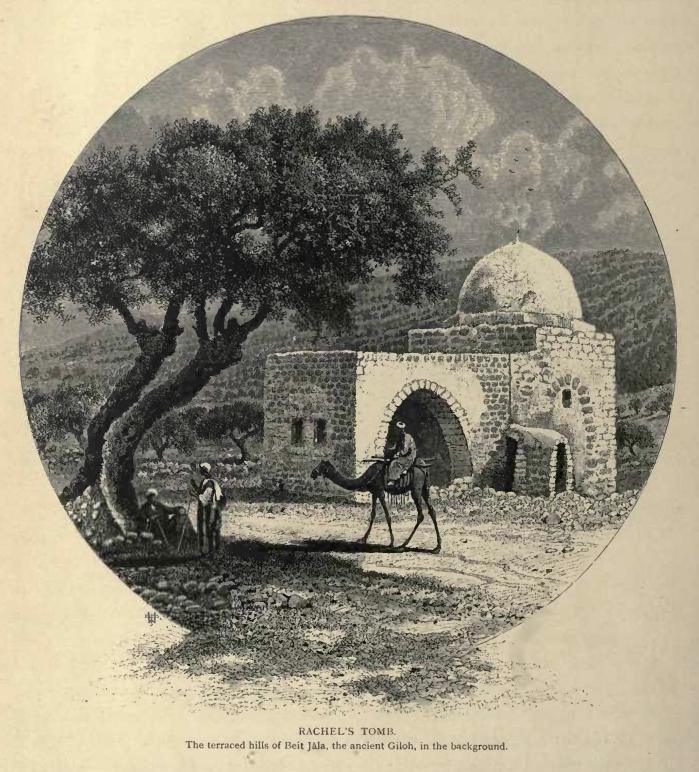 🇵🇸 Palestine and 1 moreRachel's TombQever Raḥel; Qabr Rāḥīl
A shared holy site near Bethlehem revered by Jews, Christians, and MuslimsTradition · Speaking with spirits and the dead · Protection Living
🇵🇸 Palestine and 1 moreRachel's TombQever Raḥel; Qabr Rāḥīl
A shared holy site near Bethlehem revered by Jews, Christians, and MuslimsTradition · Speaking with spirits and the dead · Protection Living
 🇳🇬 NigeriaOrunmilaỌ̀rúnmìlà
Yoruba deity of wisdom and the creator of the Ifá divination systemBeing · Seeing and foretelling · Speaking with spirits and the dead Living
🇳🇬 NigeriaOrunmilaỌ̀rúnmìlà
Yoruba deity of wisdom and the creator of the Ifá divination systemBeing · Seeing and foretelling · Speaking with spirits and the dead Living
 🇲🇦 Morocco and 5 moreWild rueاسپند
A desert plant whose seeds hold psychoactive alkaloids and serve as incense in the Middle East.Substance · Protection · Speaking with spirits and the dead Living
🇲🇦 Morocco and 5 moreWild rueاسپند
A desert plant whose seeds hold psychoactive alkaloids and serve as incense in the Middle East.Substance · Protection · Speaking with spirits and the dead Living