
Aswang
from Greater Central Philippine *aswang, meaning vampire or evil spirit
A shape-shifting monster from Philippine folklore that preys on humans.
The aswang is a term for various malevolent creatures in Filipino mythology, including vampires and witches. Originating in the Visayas and Luzon regions, these beings are feared for their ability to shift forms and harm people.
- Spanish colonists noted the aswang was the most feared mythical creature in the Philippines.
- The manananggal is a viscera sucker that detaches its upper body to fly at night.
- Aswang are said to target pregnant women and fetuses specifically.
- Holy objects, salt, and ash are used to protect homes from aswang attacks.
- The term originates from the Greater Central Philippine language family.
What it is
The aswang is a broad category of supernatural entities in Philippine folklore. These creatures are described as malevolent shape-shifters that can appear as vampires, ghouls, or human-animal hybrids. They are known for feeding on humans, often targeting vulnerable individuals like pregnant women or infants. The term covers a wide range of specific monsters, each with unique abilities but sharing a common nature of evil. They are deeply embedded in the mythological landscape of the archipelago, representing fears of the unknown and the violation of social bonds.
Where it comes from
Stories about the aswang date back to at least the sixteenth century, when Spanish colonizers first recorded them. The word comes from the Greater Central Philippine language family, with cognates found in Cebuano, Tagalog, and other local tongues. The concept likely evolved from indigenous oral traditions across the islands. Different regions developed their own variations, such as the manananggal in the Visayas or the silagan in Catanduanes. The Bicol region also has its own traditions involving the god Gugurang, who protects against these forces.
How it is done
Aswangs typically operate at night, using their shape-shifting abilities to move between human settlements and wild areas. Some, like the manananggal, detach their upper bodies to fly and search for prey. Others transform into animals like dogs or pigs to infiltrate communities. They are said to use long tongues to suck blood or organs. During the day, they often rest in hidden places like trees or caves. Their activities are linked to specific times, such as funerals where they seek corpses, or childbirth where they target fetuses.
Tools and materials
Protection against aswangs involves various items believed to repel or kill them. Salt, ash, and spices are scattered around homes to create barriers. Holy objects and prayers are used to ward off their influence. A special oil made from coconuts harvested during a full moon is hung at doors to detect their presence. Weapons like bolo knives are effective against them, especially if struck at the middle of the back. Firearms are considered useless, and stabbing them while in animal form does not work.
Aswang, drawn and placed
- Living
- Revived
- Fading
- Historical
- Legendary
- Performed
- Lineage
- Philippine mythology
- Timing
- at night, during funerals, and at childbirth
What it is for
The primary purpose of aswang activity is harm and consumption. They are driven by an inherent desire to devour human flesh, blood, or organs. Unlike some monsters with specific motives, aswangs are often portrayed as purely destructive. Their actions invert traditional Filipino values, as they may attack their own kin or violate modesty norms. Communities fear them for their unpredictability and their ability to blend into society, making them a constant threat to personal safety and family integrity.
Who does it
Aswangs are not practitioners of a ritual but are themselves the subjects of fear and study. In some beliefs, a woman can become an aswang if she possesses certain traits, which intensify upon transformation. Ordinary witches are avoided, but captured aswangs are executed immediately. The community plays a role in identifying and neutralizing threats, often relying on elders or those knowledgeable in folk remedies to protect households.
Peoples and places
The aswang is most prominent in the Visayas, southern Luzon, and parts of Mindanao. Specific groups like the Tagalogs, Bicolanos, and Visayans have distinct versions of the creature. The province of Capiz is particularly associated with the mandurugo, a type of vampire aswang. In Catanduanes, stories focus on the silagan and manananggal. These regional variations reflect local histories and environmental factors, adapting the core concept to fit different cultural contexts within the Philippines.
At a glance: who, where and when
What people believe
Belief in aswangs is rooted in the idea that evil exists in tangible, physical forms. They are seen as inversions of good, violating natural and social orders. Their existence explains misfortunes like sudden deaths, miscarriages, or illnesses. The belief system includes rules about how they operate, such as their weakness to light or specific weapons. It also reinforces community values by contrasting aswang behavior with ideals of kinship, modesty, and hospitality.
When it is done
Aswang activity is most common at night, especially around midnight. Funerals are critical times, as bright lights are used to prevent them from stealing corpses. Childbirth is another vulnerable period, requiring protective measures to keep them away from mothers and babies. Daily life also involves precautions, such as avoiding walking alone at night or keeping hair tied up to deter weredog types. Full moons are sometimes associated with increased power or specific rituals to create protective oils.
Questions people ask about Aswang
What is an aswang?
An aswang is a term for various malevolent shape-shifting creatures in Philippine folklore, including vampires, witches, and ghouls. They are believed to harm humans and are deeply feared in Filipino culture.
Where do aswang come from?
Aswang originate from Philippine mythology, with records dating back to the sixteenth century. The word comes from ancient Central Philippine languages, reflecting indigenous beliefs across the archipelago.
How do you protect yourself from an aswang?
Protection involves using salt, ash, holy objects, and special coconut oil. People also avoid walking at night and keep homes brightly lit during funerals to deter these creatures.
What are the different types of aswang?
Types include the manananggal (viscera sucker), mandurugo (vampire), weredog, witch, and ghoul. Each has unique traits, such as flying or transforming into animals, but all share a harmful nature.
Good reading and sources
- Aswang on WikipediaEncyclopedia
- More photos on Wikimedia CommonsPhotos and video
- Wikidata recordOpen data
The facts on this page come from the Wikipedia article "Aswang", written by its contributors and used under the CC BY-SA 4.0 licence, and from its Wikidata record (CC0). EveryJaadu rewrote the text in its own words, with AI assistance, and compares every page with the article to make sure no passage is copied. It may be reused under the same CC BY-SA 4.0 licence with a link back.
It may contain mistakes. Names and customs differ from one community to the next, and some knowledge is closed to outsiders and left out here. This page describes belief and practice. It does not say that any of it works, it is not a how-to, and it is not medical advice. If something is wrong, tell us. Last refreshed 2026-10-05.
More from the Philippines
All the entries from the Philippines 🇵🇭 PhilippinesKapre
A tree giant of Philippine folklore that smokes cigars and plays pranks on travelersBeing · Wonder and entertainment Legendary
🇵🇭 PhilippinesKapre
A tree giant of Philippine folklore that smokes cigars and plays pranks on travelersBeing · Wonder and entertainment Legendary
 🇵🇭 PhilippinesManananggal
A Philippine creature that splits its body to hunt at nightBeing · Cursing and harm Legendary
🇵🇭 PhilippinesManananggal
A Philippine creature that splits its body to hunt at nightBeing · Cursing and harm Legendary
 🇲🇾 Malaysia and 5 morePenanggalan
A floating head with trailing organs from Malay folklore, said to hunt pregnant women and newborns.Being · Cursing and harm Legendary
🇲🇾 Malaysia and 5 morePenanggalan
A floating head with trailing organs from Malay folklore, said to hunt pregnant women and newborns.Being · Cursing and harm Legendary
Related elsewhere
All being 🇷🇸 Serbia and 5 moreVampire
An undead creature from folklore that feeds on the blood or life force of the livingBeing · Cursing and harm · Luck and prosperity Legendary
🇷🇸 Serbia and 5 moreVampire
An undead creature from folklore that feeds on the blood or life force of the livingBeing · Cursing and harm · Luck and prosperity Legendary
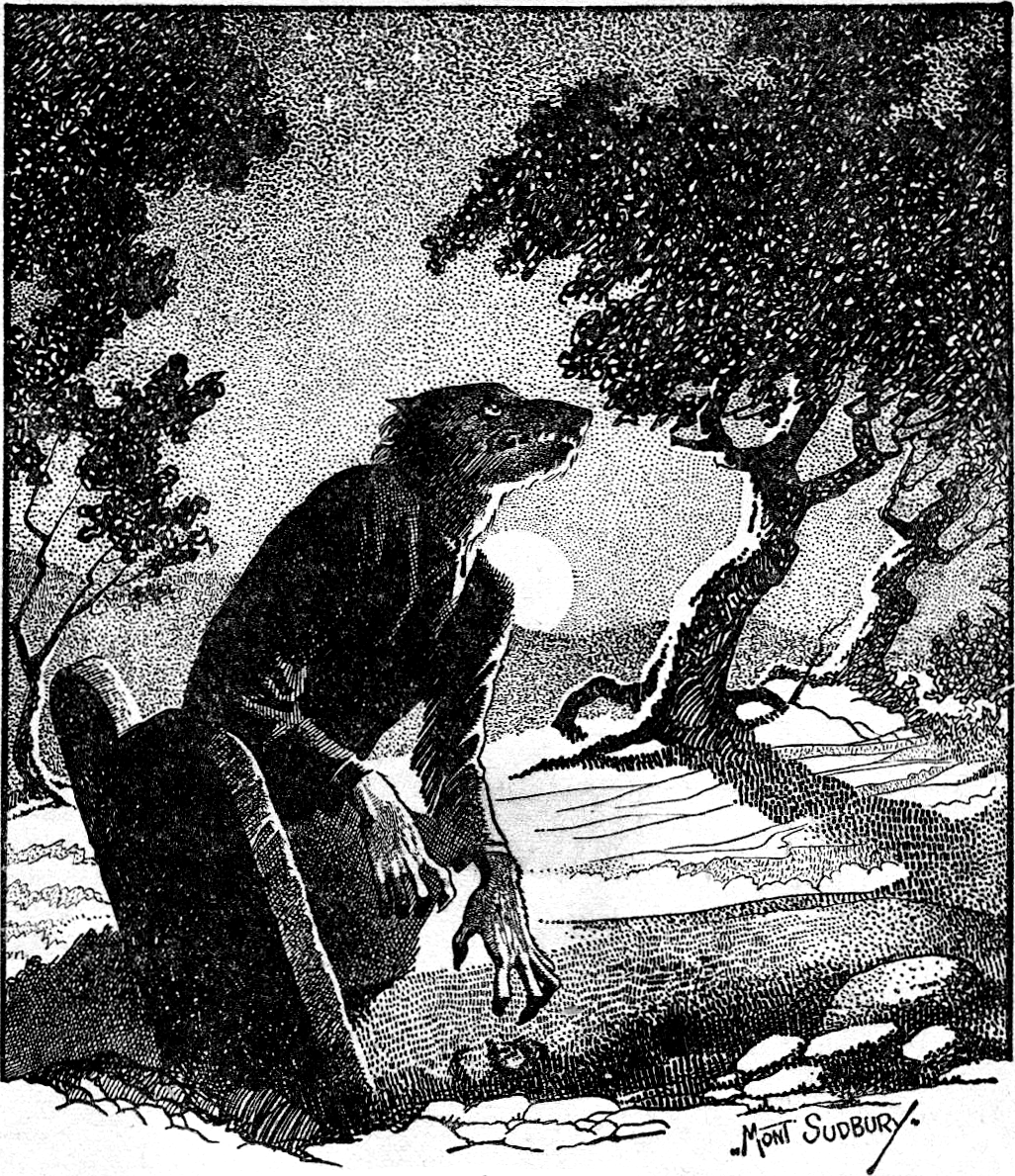 🇫🇷 France and 5 moreWerewolf
A mythical shapeshifter that turns into a wolf, central to European witch-hunts and Gothic horror.Being · Cursing and harm · Wonder and entertainment Legendary
🇫🇷 France and 5 moreWerewolf
A mythical shapeshifter that turns into a wolf, central to European witch-hunts and Gothic horror.Being · Cursing and harm · Wonder and entertainment Legendary
 🇪🇬 Egypt and 1 moreLilithלִילִית
A feminine figure from Mesopotamian and Jewish mythology, often depicted as a night demon or spirit.Being · Cursing and harm Legendary
🇪🇬 Egypt and 1 moreLilithלִילִית
A feminine figure from Mesopotamian and Jewish mythology, often depicted as a night demon or spirit.Being · Cursing and harm Legendary
 🇪🇬 EgyptCurse
A spoken wish for misfortune to befall a person or placeBelief · Cursing and harm · Luck and prosperity Historical
🇪🇬 EgyptCurse
A spoken wish for misfortune to befall a person or placeBelief · Cursing and harm · Luck and prosperity Historical