Death and remembrance: practices that mark them
Guiding, honouring and warding the dead, and the rites of mourning.
Death and remembrance bring some of the most elaborate rites in the world, aimed at guiding the dead, protecting the living and keeping the bond between them. They include the Hindu cremation and Pitru Paksha offerings, the Tibetan Buddhist bardo teachings, the Jewish shiva, Islamic burial customs, the Irish wake, Chinese ancestor offerings, the Mexican Day of the Dead, the Ghanaian fantasy coffin and Aboriginal mourning rules. This page describes them as customs.
Guiding the dead
Many traditions see death as a journey that needs help. Hindu rites are said to carry the soul onward, Tibetan Buddhist texts guide the dead through an intermediate state, and ancient Egyptian rites prepared the dead for judgement. In many Chinese and Southeast Asian families, paper money, houses and goods are burned so the dead are provided for. Many such customs came from a time when disease and decay posed real danger, and the rules about touching and washing the body reflect that.
Protecting the living
The dead can be feared as well as loved. Customs aim to keep them from returning wrongly: covering mirrors in Jewish and some European homes, leaving by a different door, throwing salt, and cleansing after a funeral. Some Aboriginal communities do not speak a dead person's name for a time. Mourners often observe set periods and then rejoin ordinary life. In Judaism and Islam, burial is quick and simple, and mourners follow a defined period of grief that gradually returns them to normal life.
Remembrance and ancestors
In Mexico, families set out an ofrenda with photographs, marigolds and the favourite foods of the dead. In China, the Qingming festival sees graves swept. In West Africa, the dead are honoured as ancestors and consulted. In Madagascar, the famadihana turns the bones of ancestors in fresh cloth. Such rites are an active relationship. Rites for the dead continue after burial: remembrance days, annual visits to graves and prayers that mark anniversaries keep the memory of each person present.
Law, cost and exploitation
Funeral cost can be heavy and open to exploitation, and fraudulent mediums prey on the grieving. States regulate disposal of bodies, and some traditions, such as sky burial in Tibet and Hindu open-air cremation, have been restricted at times. Grief support from friends and professionals matters beside any rite. Grief takes many forms, and a rite does not replace mourning, though many mourners find that a shared ritual gives the first days a shape and gives friends and relatives something to do.
Death and remembrance on EveryJaadu
The entries written up so far, best known first.
 🇰🇪 Kenya and 1 moreMaasai religion
The spiritual beliefs of the semi-nomadic Maasai people of East AfricaTradition · Protection · Healing Living
🇰🇪 Kenya and 1 moreMaasai religion
The spiritual beliefs of the semi-nomadic Maasai people of East AfricaTradition · Protection · Healing Living
 🇪🇬 Egypt and 5 moreSacred dance
Movement used in worship to honour deities, heal communities, or connect with the spirit world.Tradition · Protection · Healing Living
🇪🇬 Egypt and 5 moreSacred dance
Movement used in worship to honour deities, heal communities, or connect with the spirit world.Tradition · Protection · Healing Living
 🇯🇵 Japan and 1 moreAinu religion
The animist spiritual beliefs and ritual practices of the Ainu people of Japan and RussiaTradition · Protection · Speaking with spirits and the dead Living
🇯🇵 Japan and 1 moreAinu religion
The animist spiritual beliefs and ritual practices of the Ainu people of Japan and RussiaTradition · Protection · Speaking with spirits and the dead Living
 🇬🇹 Guatemala and 3 moreMaya religion
The living spiritual practices of the Maya peoples, shaped by centuries of contact with Catholicism.Tradition · Protection · Healing Living
🇬🇹 Guatemala and 3 moreMaya religion
The living spiritual practices of the Maya peoples, shaped by centuries of contact with Catholicism.Tradition · Protection · Healing Living
 🇨🇳 China and 3 moreHmong folk religionKev Dab Qhuas
The ethnic religion of the Miao and Hmong peoples, centered on spirit worship and shamanic healing.Tradition · Healing · Protection Living
🇯🇵 JapanYutaユタ
Okinawan folk shamans who guide families through spirits and fortune-tellingTradition · Protection · Healing Living
🇨🇳 China and 3 moreHmong folk religionKev Dab Qhuas
The ethnic religion of the Miao and Hmong peoples, centered on spirit worship and shamanic healing.Tradition · Healing · Protection Living
🇯🇵 JapanYutaユタ
Okinawan folk shamans who guide families through spirits and fortune-tellingTradition · Protection · Healing Living
 🇻🇺 Vanuatu and 5 moreKava culture
A shared ritual across Oceania where a root brew marks ceremony, respect, and social gathering.Tradition · Speaking with spirits and the dead · Luck and prosperity Living
🇻🇺 Vanuatu and 5 moreKava culture
A shared ritual across Oceania where a root brew marks ceremony, respect, and social gathering.Tradition · Speaking with spirits and the dead · Luck and prosperity Living
 🇰🇷 South KoreaGut굿
Rites performed by Korean shamans to commune with spirits and ensure community welfare.Rite · Protection · Speaking with spirits and the dead Living
🇰🇷 South KoreaGut굿
Rites performed by Korean shamans to commune with spirits and ensure community welfare.Rite · Protection · Speaking with spirits and the dead Living
 🇨🇺 Cuba and 2 moreAbakuá
A male-only Cuban religious fraternity with West African roots and strict secrecyTradition · Protection · Speaking with spirits and the dead Living
🇨🇺 Cuba and 2 moreAbakuá
A male-only Cuban religious fraternity with West African roots and strict secrecyTradition · Protection · Speaking with spirits and the dead Living
 🇮🇪 Ireland and 5 moreCairn
A human-made stack of stones used as a marker, memorial, or religious symbol across many cultures.Tradition · Protection · Speaking with spirits and the dead Living
🇮🇪 Ireland and 5 moreCairn
A human-made stack of stones used as a marker, memorial, or religious symbol across many cultures.Tradition · Protection · Speaking with spirits and the dead Living
 🇷🇺 RussiaReindeer in Siberian shamanism
The role of reindeer as spirit helpers, ritual tools, and burial vehicles in the shamanic traditions of Northern AsiaTradition · Healing · Speaking with spirits and the dead Living
🇷🇺 RussiaReindeer in Siberian shamanism
The role of reindeer as spirit helpers, ritual tools, and burial vehicles in the shamanic traditions of Northern AsiaTradition · Healing · Speaking with spirits and the dead Living
 🇨🇳 China and 1 moreNuo folk religion傩 (Nuó)
A Chinese exorcistic tradition using wooden masks and ancestor worship to drive away malevolent forcesTradition · Protection · Speaking with spirits and the dead Living
🇨🇳 China and 1 moreNuo folk religion傩 (Nuó)
A Chinese exorcistic tradition using wooden masks and ancestor worship to drive away malevolent forcesTradition · Protection · Speaking with spirits and the dead Living
 🇮🇪 IrelandTailteann GamesÁenach Tailteann
Ancient Irish funeral games and assemblies held in County Meath to honor the dead.Rite · Speaking with spirits and the dead · Luck and prosperity Historical
🇺🇦 Ukraine and 5 moreBullroarer
A wooden slat on a string that produces a roaring sound for ritual and communication.Tradition · Protection · Speaking with spirits and the dead Living
🇮🇪 IrelandTailteann GamesÁenach Tailteann
Ancient Irish funeral games and assemblies held in County Meath to honor the dead.Rite · Speaking with spirits and the dead · Luck and prosperity Historical
🇺🇦 Ukraine and 5 moreBullroarer
A wooden slat on a string that produces a roaring sound for ritual and communication.Tradition · Protection · Speaking with spirits and the dead Living
 🇿🇦 South Africa and 1 moreSacred caves of the Basotho
Cave networks in South Africa and Lesotho used by the Basotho for ancestral rituals and healingTradition · Healing · Protection Living
🇳🇵 Nepal and 3 moreGurung ShamanismTamu Cho
The ancient shamanic beliefs and rituals of the Gurung people in NepalTradition · Protection · Speaking with spirits and the dead Living
🇿🇦 South Africa and 1 moreSacred caves of the Basotho
Cave networks in South Africa and Lesotho used by the Basotho for ancestral rituals and healingTradition · Healing · Protection Living
🇳🇵 Nepal and 3 moreGurung ShamanismTamu Cho
The ancient shamanic beliefs and rituals of the Gurung people in NepalTradition · Protection · Speaking with spirits and the dead Living
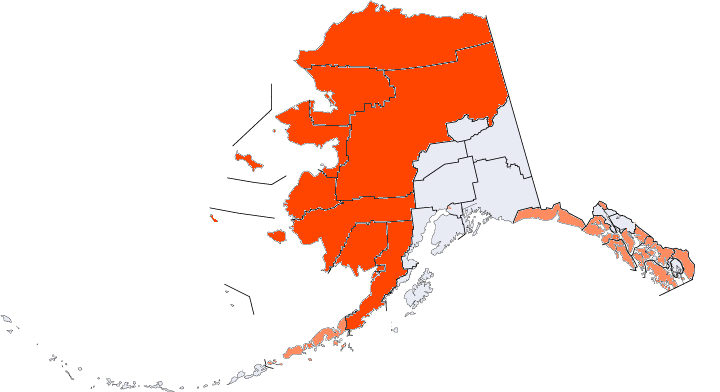 🇺🇸 United StatesShamanism among Alaska Natives
Traditional spiritual practices of Indigenous peoples in AlaskaTradition · Healing · Seeing and foretelling Fading
🇺🇸 United StatesShamanism among Alaska Natives
Traditional spiritual practices of Indigenous peoples in AlaskaTradition · Healing · Seeing and foretelling Fading
Photo credits on this page
The small pictures above come from Wikimedia Commons under free licences. Some are cropped to fit.
- Maasai religion: Dr. Ondřej Havelka (cestovatel), CC BY 4.0, source
- Maya mythology: Unknown author, Public domain, source
- Abakuá: M. Puente, Public domain, source
- Cairn: Andrew Bossi, CC BY-SA 2.5, source
- Sacred dance: Jorge Barrios, CC BY-SA 3.0, source
- Reindeer in Siberian shamanism: Unknown author, Public domain, source
- Ainu religion: Unknown author, Public domain, source
- Hmong folk religion: Thomas Riccio, CC BY 4.0, source
- Kava culture: Jaejay77, CC BY-SA 4.0, source
- Gut: ReSearcher at English Wikipedia, CC BY-SA 3.0, source
- Nuo folk religion: Wikiwikiyarou, CC BY-SA 3.0, source
- Sacred caves of the Basotho: JMK, CC BY-SA 3.0, source
- Shamanism among Alaska Natives: Balkanian`s word, Public domain, source
- Tailteann Games: Unknown author, Public domain, source