
Lal Shahbaz Qalandar
In its own language: لعل شهباز قلندر
A Sufi saint and poet revered in South Asia, especially among the Sindhi people.
Born in Azerbaijan to a family from Baghdad, Sayyid Uthman traveled widely before settling in Sindh. He is celebrated as a wandering ascetic and poet whose shrine draws millions of pilgrims annually.
- Born in Azerbaijan to an Iraqi family in 1177.
- Settled in Sehwan, Sindh, in the thirteenth century.
- Known as Jhulelal, associated with the Indus River.
- Part of the legendary group called the Chahar Yar.
- Annual Urs draws over two million pilgrims.
What it is
Sayyid Uthman al-Marwandi, known as Lal Shahbaz Qalandar, was a thirteenth-century Sufi mystic and poet. His name reflects his appearance and status: 'Lal' means red, referencing his favorite color; 'Shahbaz' signifies a noble spirit; and 'Qalandar' describes a wandering holy man. He is also called Jhulelal, meaning red bridegroom, a title linked to local legends about marriage or the Indus River deity. Devotees believe he holds power over the river's tides. He remains a central spiritual figure for Muslims in South Asia, particularly within the Sindhi community.
Where it comes from
He was born in 1177 in Marwand, near Tabriz in modern-day Azerbaijan. His father, Sayyid Ibrahim Kabiruddin al-Jawabi, belonged to a Sayyid family originating from Baghdad, Iraq. As a young man, he journeyed across the Muslim world. Historical records indicate he reached Sindh by 1196, where he met Pir Haji Ismail Panhwar. He eventually settled in Sehwan during the Ghaznavid and Ghurid periods, establishing a spiritual presence that grew into a lasting tradition.
Lal Shahbaz Qalandar, drawn and placed
- Living
- Revived
- Fading
- Historical
- Legendary
- Performed
What it is for
Pilgrims visit his tomb to seek spiritual connection and blessings. The site serves as a center for devotion, where followers read copies of the Quran and light oil lamps. Many believe the saint controls the flow of the Indus River. The annual Urs festival brings together vast crowds for communal prayer and remembrance, reinforcing social bonds and religious identity among devotees.
Peoples and places
The primary community honoring him is the Sindhi people of Pakistan. His influence extends across South Asia, drawing visitors from India and Bangladesh. His legacy is intertwined with regional history, including interactions with other major Sufi orders like the Suhrawardiyya and Chishtiyya. The four saints known as the Chahar Yar are said to have traveled through Sindh and Punjab together during the Delhi Sultanate era.
At a glance: who, where and when
Who does it
Peoples
Belief worlds
Occasions
![Painting of Lal Shah Baj [almost certainly the Sufi figure Lal Shahbaz Qalandar] smoking huqqa on a terrace, inscribed in both Gurmukhi and Perso-Arabic scripts in the top margin.](https://thumb.wikimedia.org/wikipedia/commons/thumb/a/ab/Painting_of_Lal_Shah_Baj_smoking_huqqa_on_a_terrace%2C_inscribed_in_both_Gurmukhi_and_Perso-Arabic_scripts_in_the_top_margin.jpg/960px-Painting_of_Lal_Shah_Baj_smoking_huqqa_on_a_terrace%2C_inscribed_in_both_Gurmukhi_and_Perso-Arabic_scripts_in_the_top_margin.jpg)


What people believe
Islamic tradition views him as a devoted servant of God who practiced severe asceticism. Stories describe him joining local Shaivite ascetics and performing acts of self-mortification, such as sitting on hot cauldrons. He lived a celibate life and wrote treatises on Islamic jurisprudence. His spiritual authority is seen as divine, bridging the gap between orthodox Islam and local folk beliefs.
When it is done
The most significant event is the Urs, held on the eighteenth day of Sha'aban. This date marks his death anniversary and attracts over two million pilgrims. Thursday is also a popular day for visits throughout the year. The festival represents a major gathering point for the region's spiritual life.
How scholars and sceptics see it
Historians document his travels and connections with other prominent religious figures of his time. Researchers note his role in spreading Sufi teachings in the Indian subcontinent. His writings and interactions provide insight into the religious landscape of the thirteenth century. Scholars also study the evolution of his cult and its integration into local Sindhi culture.
Today
His shrine in Sehwan remains a major pilgrimage site. Built initially by Firuz Shah Tughlaq in 1356, it was expanded over centuries with contributions from various dynasties. Modern decorations include glazed tiles and mirror work added by Pakistani leaders. The site continues to host large gatherings, preserving the traditions established centuries ago.
Questions people ask about Lal Shahbaz Qalandar
Who was Lal Shahbaz Qalandar?
He was a thirteenth-century Sufi saint and poet born in Azerbaijan. He traveled widely before settling in Sindh, where he became a revered spiritual leader for the Sindhi people.
What does his name mean?
Lal means red, Shahbaz means noble spirit, and Qalandar refers to a wandering ascetic. He is also called Jhulelal, meaning red bridegroom, linking him to local river legends.
Where is his shrine located?
The shrine is in Sehwan, Sindh, Pakistan. It was built in 1356 and expanded over centuries, featuring intricate tile work and silver details gifted by various rulers.
When is the main festival held?
The Urs takes place on the eighteenth day of Sha'aban. It is a major event attracting millions of devotees who gather to honor his memory and seek blessings.
Good reading and sources
The facts on this page come from the Wikipedia article "Lal Shahbaz Qalandar", written by its contributors and used under the CC BY-SA 4.0 licence, and from its Wikidata record (CC0). EveryJaadu rewrote the text in its own words, with AI assistance, and compares every page with the article to make sure no passage is copied. It may be reused under the same CC BY-SA 4.0 licence with a link back.
It may contain mistakes. Names and customs differ from one community to the next, and some knowledge is closed to outsiders and left out here. This page describes belief and practice. It does not say that any of it works, it is not a how-to, and it is not medical advice. If something is wrong, tell us. Last refreshed 2026-10-06.
More from Pakistan
All the entries from Pakistan 🇮🇳 India and 5 moreBindiबिंदी
A dot worn on the forehead to mark spiritual focus and cultural identityCharm · Protection · Power and authority Living
🇮🇳 India and 1 moreDaayanदायन
A vengeful female spirit from Indian folklore, often blamed for misfortune and witchcraft accusations.Being · Cursing and harm · Luck and prosperity Living
🇮🇳 India and 5 moreBindiबिंदी
A dot worn on the forehead to mark spiritual focus and cultural identityCharm · Protection · Power and authority Living
🇮🇳 India and 1 moreDaayanदायन
A vengeful female spirit from Indian folklore, often blamed for misfortune and witchcraft accusations.Being · Cursing and harm · Luck and prosperity Living
 🇮🇳 India and 6 moreChurel
A female revenant of South Asian folklore, feared for luring men awayBeing · Cursing and harm Legendary
🇮🇳 India and 6 moreChurel
A female revenant of South Asian folklore, feared for luring men awayBeing · Cursing and harm Legendary
 🇮🇳 India and 1 moreNazar battuनज़र बट्टू / نظر بٹو
A charm or deliberate flaw used in South Asia to ward off the evil eye.Charm · Protection Living
🇮🇳 India and 1 moreNazar battuनज़र बट्टू / نظر بٹو
A charm or deliberate flaw used in South Asia to ward off the evil eye.Charm · Protection Living
Related elsewhere
All figure 🇸🇳 Senegal and 1 moreSerer religionA ƭat Roog
The traditional faith of the Serer people, centred on the supreme deity Roog and ancestral veneration.Tradition · Protection · Speaking with spirits and the dead Living
🇸🇳 Senegal and 1 moreSerer religionA ƭat Roog
The traditional faith of the Serer people, centred on the supreme deity Roog and ancestral veneration.Tradition · Protection · Speaking with spirits and the dead Living
 🇮🇶 Iraq and 5 moreGrimoire
A textbook containing instructions for spells, rituals, and the creation of magical objects.Text · Protection · Healing Historical
🇮🇶 Iraq and 5 moreGrimoire
A textbook containing instructions for spells, rituals, and the creation of magical objects.Text · Protection · Healing Historical
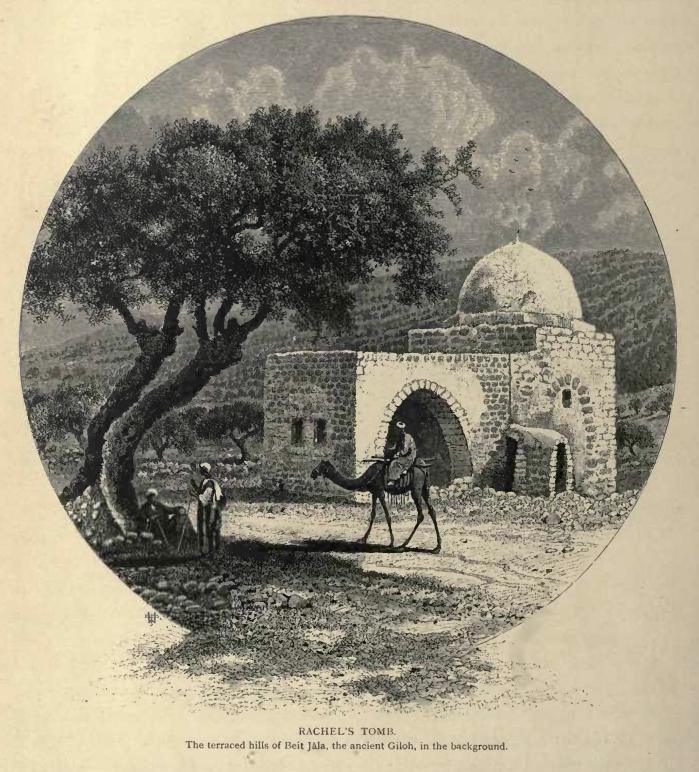 🇵🇸 Palestine and 1 moreRachel's TombQever Raḥel; Qabr Rāḥīl
A shared holy site near Bethlehem revered by Jews, Christians, and MuslimsTradition · Speaking with spirits and the dead · Protection Living
🇵🇸 Palestine and 1 moreRachel's TombQever Raḥel; Qabr Rāḥīl
A shared holy site near Bethlehem revered by Jews, Christians, and MuslimsTradition · Speaking with spirits and the dead · Protection Living
 🇮🇹 ItalyEtruscan religion
The polytheistic beliefs and divination practices of the ancient Etruscans of ItalyTradition · Seeing and foretelling · Speaking with spirits and the dead Historical
🇮🇹 ItalyEtruscan religion
The polytheistic beliefs and divination practices of the ancient Etruscans of ItalyTradition · Seeing and foretelling · Speaking with spirits and the dead Historical