Death and remembrance: practices that mark them
Guiding, honouring and warding the dead, and the rites of mourning.
Death and remembrance bring some of the most elaborate rites in the world, aimed at guiding the dead, protecting the living and keeping the bond between them. They include the Hindu cremation and Pitru Paksha offerings, the Tibetan Buddhist bardo teachings, the Jewish shiva, Islamic burial customs, the Irish wake, Chinese ancestor offerings, the Mexican Day of the Dead, the Ghanaian fantasy coffin and Aboriginal mourning rules. This page describes them as customs.
Guiding the dead
Many traditions see death as a journey that needs help. Hindu rites are said to carry the soul onward, Tibetan Buddhist texts guide the dead through an intermediate state, and ancient Egyptian rites prepared the dead for judgement. In many Chinese and Southeast Asian families, paper money, houses and goods are burned so the dead are provided for. Many such customs came from a time when disease and decay posed real danger, and the rules about touching and washing the body reflect that.
Protecting the living
The dead can be feared as well as loved. Customs aim to keep them from returning wrongly: covering mirrors in Jewish and some European homes, leaving by a different door, throwing salt, and cleansing after a funeral. Some Aboriginal communities do not speak a dead person's name for a time. Mourners often observe set periods and then rejoin ordinary life. In Judaism and Islam, burial is quick and simple, and mourners follow a defined period of grief that gradually returns them to normal life.
Remembrance and ancestors
In Mexico, families set out an ofrenda with photographs, marigolds and the favourite foods of the dead. In China, the Qingming festival sees graves swept. In West Africa, the dead are honoured as ancestors and consulted. In Madagascar, the famadihana turns the bones of ancestors in fresh cloth. Such rites are an active relationship. Rites for the dead continue after burial: remembrance days, annual visits to graves and prayers that mark anniversaries keep the memory of each person present.
Law, cost and exploitation
Funeral cost can be heavy and open to exploitation, and fraudulent mediums prey on the grieving. States regulate disposal of bodies, and some traditions, such as sky burial in Tibet and Hindu open-air cremation, have been restricted at times. Grief support from friends and professionals matters beside any rite. Grief takes many forms, and a rite does not replace mourning, though many mourners find that a shared ritual gives the first days a shape and gives friends and relatives something to do.
Death and remembrance on EveryJaadu
The entries written up so far, best known first.
 🇮🇷 IranSkandolasikina ḏ-aula
An iron talismanic seal used by Mandaeans to ward off evil and mark life transitions.Charm · Protection Living
🇯🇵 JapanJapanese superstitions
Common beliefs in Japan about luck, numbers, and omens rooted in language and customBelief · Luck and prosperity · Protection Living
 🇮🇷 IranFravashi
A personal spirit in Zoroastrian belief that guides the living and protects the dead.Being · Protection · Speaking with spirits and the dead Living
 🇨🇳 China and 1 moreNuo folk religion傩 (Nuó)
A Chinese exorcistic tradition using wooden masks and ancestor worship to drive away malevolent forcesTradition · Protection · Speaking with spirits and the dead Living
🇯🇲 Jamaica and 3 moreDuppy
A Caribbean term for a ghost or malevolent spirit, rooted in West African folklore.Being · Cursing and harm · Luck and prosperity Living
 🇫🇷 France and 3 moreLes LavandièresKannerez-Noz
Supernatural washerwomen who wash shrouds or bloodstained clothes for those about to die.Being · Seeing and foretelling Legendary
 🇮🇹 Italy and 5 moreSaint Michael
A Christian archangel who defends the faithful and weighs soulsBeing · Protection · Cursing and harm Living
🇯🇵 JapanReikon霊魂
The Shinto soul: it joins the ancestors after funeral rites, or haunts as a yūreiBeing · Speaking with spirits and the dead · Cursing and harm Living
🇷🇴 RomaniaNosferatu
A word for 'vampire' made famous by Dracula, whose true origin is still unsettledBeing · Cursing and harm · Protection Legendary
 🇨🇳 China and 2 moreOx-Head and Horse-Face牛頭馬面
Guardians of the underworld who escort souls to judgment in East Asian myth.Being · Cursing and harm Legendary
🇺🇦 Ukraine and 5 moreBullroarer
A wooden slat on a string that produces a roaring sound for ritual and communication.Tradition · Protection · Speaking with spirits and the dead Living
 🇪🇬 Egypt and 1 morePsychopomp
A spirit or creature that guides the dead to the afterlifeBeing · Speaking with spirits and the dead Historical
 🇪🇬 EgyptMenatmnj.t
A beaded necklace and rattle linked to Hathor for protection and luck in ancient EgyptCharm · Protection · Luck and prosperity Historical
 🇪🇬 Egypt and 3 moreCrown of Immortality
A wreath of leaves, then a ring of stars, said to mark a life that does not endBelief · Power and authority Living
 🇯🇵 JapanKasha火車
A Japanese yōkai that steals corpses from funerals and gravesBeing · Cursing and harm Historical
🇬🇧 United KingdomCaoineag
A Highland spirit whose night cries signal impending death for a specific family lineBeing · Seeing and foretelling Historical
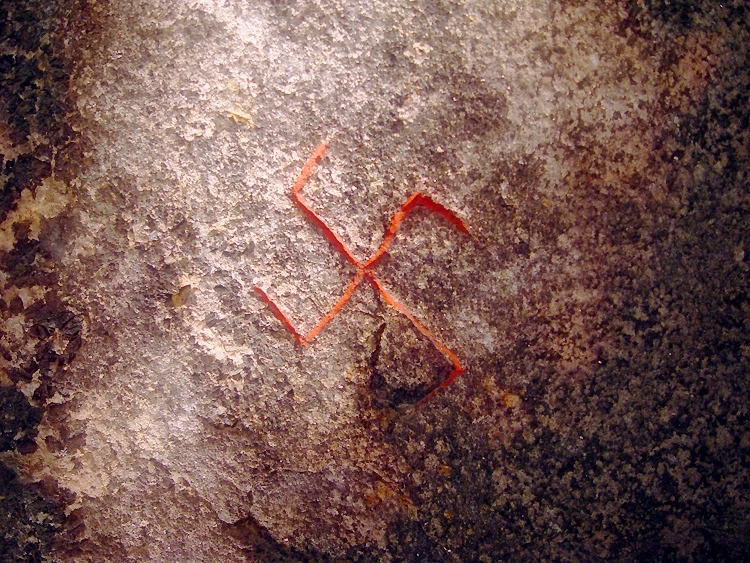 🇸🇪 Sweden and 4 moreSwastika (Germanic Iron Age)
A four-armed symbol found on Germanic artefacts from the Migration to Viking periods.Belief · Power and authority Historical
 🇮🇱 Israel and 1 moreAna BeKoachאנא בכח
A medieval Jewish liturgical poem linked to the 42-letter name of GodText · Power and authority · Protection Living
 🇮🇪 IrelandTailteann GamesÁenach Tailteann
Ancient Irish funeral games and assemblies held in County Meath to honor the dead.Rite · Speaking with spirits and the dead · Luck and prosperity Historical
 🇮🇪 Ireland and 1 moreKeeningcaoineadh
A Gaelic vocal lament for the dead, performed by hired mourners in Ireland and ScotlandRite · Speaking with spirits and the dead Historical
 🇹🇷 TurkeyHittite sun disk
An ancient Anatolian bronze symbol used in Hattian and Hittite religious ceremoniesCharm · Speaking with spirits and the dead · Power and authority Historical
 🇸🇪 SwedenNumbers in Germanic paganism
The sacred role of three and nine in ancient Germanic ritual and mythBelief · Power and authority Historical
🇺🇸 United StatesGhost sickness
A grief illness blamed on ghosts or witches, from North America to PolynesiaBelief · Healing · Cleansing and purification Living
🇬🇭 GhanaAmokye
Guardian of the entrance to Asamando in Akan and Ashanti beliefBeing · Speaking with spirits and the dead Living
🇯🇵 JapanKeneō懸衣翁
A Japanese oni who judges souls by the weight of their clothes at the Sanzu RiverBeing · Cursing and harm Legendary
 🇨🇳 ChinaNaihe Bridge奈何桥
A mythical bridge in Chinese folk religion that souls cross to reach the afterlifeFigure · Speaking with spirits and the dead Legendary
 🇮🇩 IndonesiaMarapu
Ancestral religion of Sumba and Flores in IndonesiaTradition · Speaking with spirits and the dead · Protection Living
 🇭🇹 HaitiChristian-Vodou
The blending of Haitian Vodou and Roman Catholicism into a single spiritual practiceTradition · Speaking with spirits and the dead · Protection Living
 🇲🇽 Mexico and 4 moreMirrors in Mesoamerican culture
Reflective stones used for divination and elite status across ancient Mexico and Central AmericaCharm · Seeing and foretelling · Power and authority Historical
 🇮🇱 IsraelMatzevahמַצֵּבָה
A standing stone used as a sacred marker or grave monument in ancient and Jewish traditionCharm · Speaking with spirits and the dead · Protection Living
 🇮🇳 India and 5 moreLock of hair
A piece of human hair kept for symbolic, sentimental, or superstitious reasons.Substance · Protection · Luck and prosperity Living
 🇮🇩 IndonesiaBhoma
A Balinese earth god whose carved face on temple gates is believed to repel spiritsBeing · Protection · Love and attraction Living
 🇮🇩 IndonesiaTaiganja
A bronze amulet of Central Sulawesi shaped like a keyhole, worn for status and protectionCharm · Protection · Luck and prosperity Living
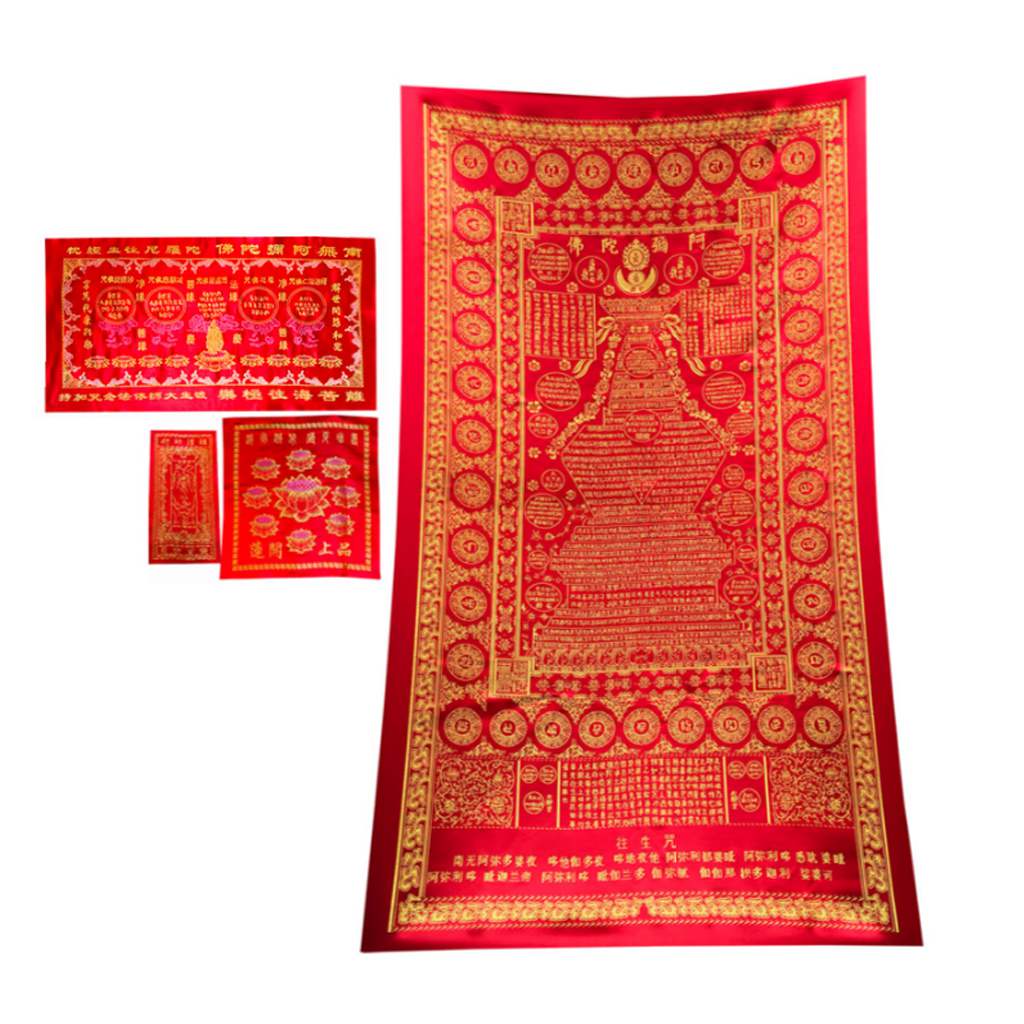 🇹🇭 Thailand and 1 moreYantra clothผ้ายันต์
Cloth marked with sacred designs, hung in a house to keep harm awayCharm · Protection Living
🇺🇸 United States and 5 moreVanishing hitchhiker
An urban legend where a motorist picks up a passenger who vanishes, often leaving behind proof of their death.Belief · Seeing and foretelling · Wonder and entertainment Living
 🇪🇬 EgyptMaatmꜣꜥt
An Egyptian idea of truth, law and balance, and the goddess who stands for itBelief · Power and authority Historical
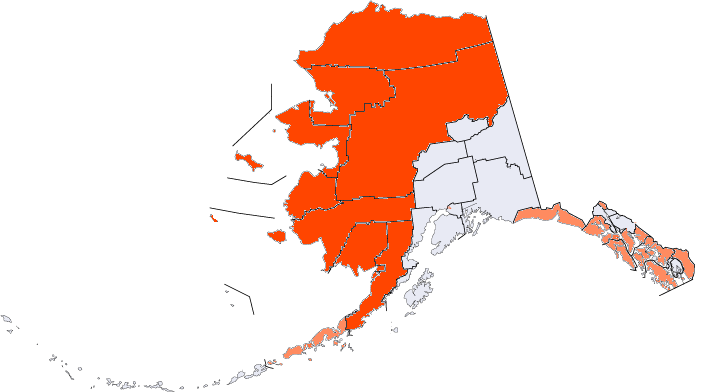 🇺🇸 United StatesShamanism among Alaska Natives
Traditional spiritual practices of Indigenous peoples in AlaskaTradition · Healing · Seeing and foretelling Fading
 🇨🇳 ChinaSuperstition in China
A broad category for folk beliefs and rituals dismissed as backward by modern Chinese authoritiesBelief · Protection · Luck and prosperity Living
🇺🇸 United StatesJewett City vampires
A 19th-century New England family's belief in undead plague and their violent response to it.Belief · Protection Historical
🇯🇲 Jamaica and 1 moreNine-Night
A nine-day Caribbean wake rooted in Akan tradition to celebrate the deceased and guide their spirit home.Rite · Speaking with spirits and the dead Living
 🇮🇹 Italy and 5 moreCrucifix
A cross bearing the figure of Jesus, central to Christian worship and artText · Power and authority Living
 🇯🇵 JapanMagatama勾玉
A curved Japanese bead used as jewelry, status symbol, and sacred object in Shinto.Charm · Power and authority · Speaking with spirits and the dead Living
 🇵🇭 PhilippinesIndigenous religious beliefs of the Tagbanwa people
The traditional spiritual system and rituals of the Tagbanwa indigenous community in the Philippines.Tradition · Protection · Healing Fading
 🇨🇳 ChinaShi尸
A living descendant who sat in place of a dead ancestor during ancient Chinese ritualsRite · Speaking with spirits and the dead · Luck and prosperity Historical
🇵🇭 PhilippinesBal-Bal
A corpse-stealing undead of Philippine folklore that hides its theft with a banana trunkBeing · Cursing and harm Legendary
 🇪🇬 EgyptLotus chalice
An alabaster cup from Tutankhamun's tomb, carved as an open lotusCharm · Change and initiation Historical
🇬🇱 GreenlandIdlirvirissong
A sky spirit who tests the dead with a dance and punishes laughter by disembowelling them.Being · Cursing and harm Legendary
 🇨🇳 ChinaQintianjian欽天監
China's state sky office, which also set lucky days and read omensTradition · Seeing and foretelling · Luck and prosperity Historical
Photo credits on this page
The small pictures above come from Wikimedia Commons under free licences. Some are cropped to fit.
- Rada lwa: Calvin Hennick, for WBUR Boston, CC BY 3.0, source
- Skandola: Akamanda, CC BY-SA 4.0, source
- Philippine mythology: The original uploader was Rodsan18 at English Wikipedia . ( Original t, CC BY 2.5, source
- Saint Michael: Francesco Botticini, Public domain, source
- Lotus chalice: Sat Ra, CC BY-SA 3.0, source
- Shi: Jason Zou, Public domain, source
- Maat: anonymous, Public domain, source
- Bhoma: Siti Noviali, CC BY-SA 4.0, source
- Marapu: Unknown author, CC BY-SA 3.0, source
- Naihe Bridge: Gisling, CC BY-SA 3.0, source
- Hittite sun disk: Noumenon, CC BY-SA 3.0, source
- Keening: W.H. Brooke, Public domain, source
- Tailteann Games: Unknown author, Public domain, source
- Ana BeKoach: Baruch Zvi Ring (c. 1872 - 1927) Details on Google Art Project, Public domain, source
- Kasha: Brigham Young University, CC BY-SA 4.0, source
- Fravashi: Hooman Mallahzadeh, CC BY-SA 4.0, source
- Psychopomp: Unknown author, CC BY 2.5, source
- Menat: Anagoria, CC BY 3.0, source
- Crown of Immortality: https://commons.wikimedia.org/wiki/User:Xauxa, CC BY-SA 3.0, source
- Swastika (Germanic Iron Age): No machine-readable author provided. Bloodofox~commonswiki assumed (ba, Public domain, source
- Numbers in Germanic paganism: Sendelbach ( talk ), CC BY-SA 3.0, source
- Mirrors in Mesoamerican culture: Vassil, CC0, source
- Matzevah: Gilslovik, CC BY-SA 4.0, source
- Lock of hair: Unknown author, CC0, source
- Les Lavandières: Jean-Édouard Dargent, Public domain, source
- Taiganja: sailko, CC BY-SA 3.0, source
- Yantra cloth: QIANSION, CC BY-SA 4.0, source
- Shamanism among Alaska Natives: Balkanian`s word, Public domain, source
- Superstition in China: Gary Todd, CC0, source
- Crucifix: Turismo Bahia, CC BY-SA 2.0, source
- Magatama: Kakidai, CC BY-SA 3.0, source
- Qintianjian: User:Vmenkov, CC BY-SA 3.0, source
- Nuo folk religion: Wikiwikiyarou, CC BY-SA 3.0, source
- Ox-Head and Horse-Face: ScribblingGeek, CC BY-SA 4.0, source