
Upiór
In its own language: упіор
from Old Slavic and Turkic forms such as *ǫpirь or ubır, possibly meaning 'to thrust' or 'bite'
A demonic spirit from Slavic and Turkic folklore that is believed to return from the dead to feed on the living.
The upiór is a revenant figure in Slavic and Turkic traditions, serving as an early prototype for the modern vampire. It is described as an unclean soul inhabiting a decomposing corpse, driven by envy to drain the life or blood of the living. Communities feared these entities and developed specific burial rites to prevent their return.
- The upiór is a Slavic and Turkic revenant, a prototype of the vampire.
- It is believed to be an unclean soul possessing a decomposing corpse.
- Signs of an upiór included a flushed face, lack of rigor mortis, or blood under nails.
- Poppy seeds were placed in coffins to keep the spirit busy picking them up.
- Accusations of being an upiór often led to the lynching of living suspects.
What it is
The upiór is a malevolent spirit found in Slavic and Turkic folklore, widely considered the historical root of the vampire legend. It is defined as a corpse reanimated by an unclean soul, often one that died violently, was unbaptized, or suffered improper burial rites. Unlike later literary vampires, the upiór is deeply tied to local community fears regarding death and the afterlife. It is believed to possess superhuman strength and a desire to harm those it knew in life, particularly family members or neighbors.
Where it comes from
The term likely originated in the regions surrounding the Volga River and the Pontic steppes before spreading via Kipchak-Cuman migrations. Early references appear in the 11th–13th century anti-pagan text "Word of Saint Grigoriy," which records pagan worship of upyri. The word entered English culture through Lord Byron and Bram Stoker, evolving into the modern vampire archetype. Some scholars link it to ancient Greek strix legends, suggesting a cross-cultural development of undead myths.
How it is done
Communities performed specific rituals to identify and neutralize suspected upiórs. Signs included a flushed face, lack of rigor mortis, or blood under the nails. To stop a returning spirit, people would place garlic, iron, or bricks in the mouth, or sprinkle poppy seeds in the coffin to keep the entity busy. Graves might be staked, burned, or the body positioned face-down. In some regions, innocent children were used to locate the correct grave, or mirrors were covered at night to prevent the spirit from seeing itself.
Tools and materials
Burial materials played a key role in containment. Garlic heads, iron chunks, and bricks were placed in the mouth to prevent feeding or speaking. Branches of wild rose, hawthorn, or blackthorn were inserted into coffins for protection. Poppy seeds were scattered to create a chore that would delay the spirit. In Poland, blessed herbs were sometimes used to tie the hands of the deceased. These items were believed to physically or spiritually bind the entity.
Upiór, drawn and placed
- Living
- Revived
- Fading
- Historical
- Legendary
- Performed
- Lineage
- Slavic mythology
- Timing
- at death and during burial
What it is for
The primary fear associated with the upiór was harm to the living. It was believed to drink human blood, cause suffocation, induce sleepwalking, or kill with its shrieks. Cattle plagues and human illnesses were often blamed on these spirits. Communities sought to protect their families and livestock by ensuring proper burial rites, preventing the soul from becoming unclean, and stopping the corpse from rising to exact vengeance or sustenance.
Who does it
The upiór was not practiced by a specific class of magicians but was a subject of communal folk belief and ritual response. Local villagers, priests, and elders determined if a death was suspicious and organized burials. Scholars and historians now study these beliefs as part of Slavic spiritualism and demonology. The role of the practitioner was defensive, focusing on purification and containment rather than active magic.
Peoples and places
The belief is central to Slavic cultures, including Russian, Bulgarian, and Ukrainian traditions. Variations exist across regions; for example, Ukrainians used the term martvyets, while Poles discussed wąpierz. Turkic cultures also have similar figures like the ubır, which shares traits of feeding on life essence. Local customs differed significantly, with some areas burning bodies entirely, while others relied on staking hearts or using religious texts to free the soul.
At a glance: who, where and when
Who does it
Peoples
Belief worlds
Occasions


What people believe
Slavic cosmology distinguished sharply between the perishable body and the eternal soul. After death, the soul was thought to wander for forty days before judgment. If the body was buried improperly or the soul was unclean due to sin or violence, it could re-enter the corpse. This union created the upiór, an envious entity that hated the living. The belief reflected a worldview where death was not an end but a potential transition into a dangerous state requiring careful management.
When it is done
Rituals were triggered by death, particularly untimely or violent ones. Burials were conducted immediately to prevent the soul from lingering. Specific times included dawn, when upiórs were said to disappear or turn to tar, and night, when they were most active. In spring, stacks of branches thrown over graves were burned to purge sins. These actions were tied to the lifecycle of the deceased and the seasonal rhythms of agricultural communities.
How scholars and sceptics see it
Anthropologists view the upiór as a manifestation of anxiety about death, disease, and social deviance. Historians trace the etymology to Proto-Slavic and Turkic roots, noting the influence of oral tradition on written records. Psychologists suggest the belief helped communities process grief and explain unexplained misfortunes. Skeptics note that signs like bloating or blood seepage are natural decomposition processes, misinterpreted by fearful observers.
Cautions and what is closed
Accusations of being an upiór led to violence against the living. Individuals with physical differences, red hair, or left-handedness were often targeted. Suspects were accused, lynched, or killed based on suspicion. Communities also blamed witches or upiórs for cattle plagues, leading to further persecution. These events highlight the danger of superstition and the real harm caused by unfounded fears of the undead.
Compare and confuse
The upiór is closely related to the strzyga, another Slavic undead figure, sharing traits like two hearts and souls. It differs from the Western vampire in its emphasis on communal burial rites and less on aristocratic horror. Turkic ubır shares the blood-feeding aspect but lacks the specific Slavic Christian influences. The concept is distinct from ghosts, which are usually peaceful, whereas the upiór is actively malicious.
Questions people ask about Upiór
What is an upiór?
An upiór is a demonic spirit from Slavic and Turkic folklore, considered an early version of the vampire. It is believed to be a reanimated corpse driven by envy to harm the living and consume their blood or life force.
Where does the word come from?
The word derives from Old Slavic and Turkic forms like *ǫpirь or ubır. It may mean 'to thrust' or 'bite'. The term spread across Eurasia and influenced the modern English word 'vampire' through literature and folklore.
How do you recognize an upiór?
People looked for signs like a flushed face, blood under the nails, or lack of rigor mortis. Physical traits like red hair or left-handedness in the living were also seen as suspicious indicators of potential transformation.
What remedies were used against it?
Remedies included placing garlic, iron, or bricks in the mouth. Coffins were sprinkled with poppy seeds to distract the spirit. Bodies might be staked, burned, or buried face-down to prevent the upiór from rising.
Good reading and sources
The facts on this page come from the Wikipedia article "Upiór", written by its contributors and used under the CC BY-SA 4.0 licence, and from its Wikidata record (CC0). EveryJaadu rewrote the text in its own words, with AI assistance, and compares every page with the article to make sure no passage is copied. It may be reused under the same CC BY-SA 4.0 licence with a link back.
It may contain mistakes. Names and customs differ from one community to the next, and some knowledge is closed to outsiders and left out here. This page describes belief and practice. It does not say that any of it works, it is not a how-to, and it is not medical advice. If something is wrong, tell us. Last refreshed 2026-10-05.
More from Russia
All the entries from Russia 🇷🇸 Serbia and 5 moreVampire
An undead creature from folklore that feeds on the blood or life force of the livingBeing · Cursing and harm · Luck and prosperity Legendary
🇷🇸 Serbia and 5 moreVampire
An undead creature from folklore that feeds on the blood or life force of the livingBeing · Cursing and harm · Luck and prosperity Legendary
 🇷🇺 Russia and 2 moreDomovoyДомовой
A household spirit in Slavic folklore that guards the family and home.Being · Protection · Seeing and foretelling Historical
🇷🇺 Russia and 2 moreDomovoyДомовой
A household spirit in Slavic folklore that guards the family and home.Being · Protection · Seeing and foretelling Historical
 🇷🇺 Russia and 4 moreLady MiddayPoludnitsa
A Slavic noon spirit who watches over fields and punishes those who work during the hottest hours.Being · Cursing and harm · Protection Historical
🇷🇺 Russia and 4 moreLady MiddayPoludnitsa
A Slavic noon spirit who watches over fields and punishes those who work during the hottest hours.Being · Cursing and harm · Protection Historical
 🇷🇺 Russia and 1 moreLikhoЛихо
A Slavic spirit of bad luck and misfortune, often depicted as a one-eyed creature.Being · Cursing and harm Legendary
🇷🇺 Russia and 1 moreLikhoЛихо
A Slavic spirit of bad luck and misfortune, often depicted as a one-eyed creature.Being · Cursing and harm Legendary
Related elsewhere
All being 🇪🇬 Egypt and 1 moreLilithלִילִית
A feminine figure from Mesopotamian and Jewish mythology, often depicted as a night demon or spirit.Being · Cursing and harm Legendary
🇪🇬 Egypt and 1 moreLilithלִילִית
A feminine figure from Mesopotamian and Jewish mythology, often depicted as a night demon or spirit.Being · Cursing and harm Legendary
 🇪🇬 EgyptCurse
A spoken wish for misfortune to befall a person or placeBelief · Cursing and harm · Luck and prosperity Historical
🇪🇬 EgyptCurse
A spoken wish for misfortune to befall a person or placeBelief · Cursing and harm · Luck and prosperity Historical
 🇮🇳 India and 5 moreHoliहोली
A Hindu spring festival marked by coloured powders and bonfires to celebrate love and virtue.Tradition · Love and attraction · Cursing and harm Living
🇮🇳 India and 5 moreHoliहोली
A Hindu spring festival marked by coloured powders and bonfires to celebrate love and virtue.Tradition · Love and attraction · Cursing and harm Living
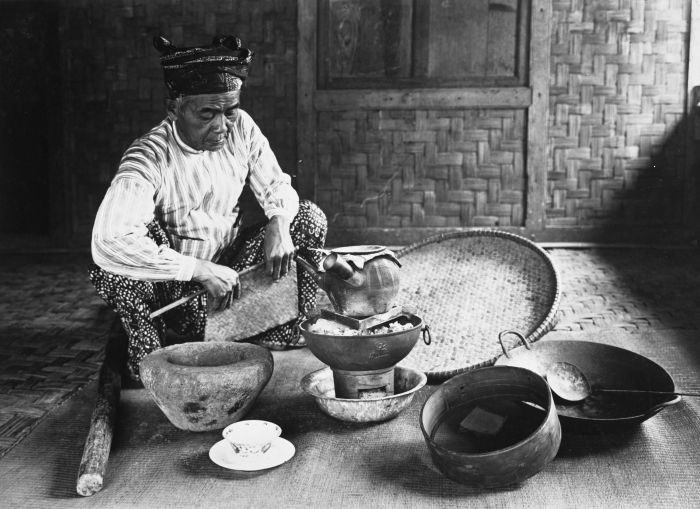 🇮🇩 Indonesia and 2 moreDukun
A traditional healer and spirit medium in Indonesian folk practiceTradition · Healing · Seeing and foretelling Living
🇮🇩 Indonesia and 2 moreDukun
A traditional healer and spirit medium in Indonesian folk practiceTradition · Healing · Seeing and foretelling Living