
The churel is a female revenant in the folklore of South Asia and its Caribbean diaspora, said to rise from women who died in childbirth, in pregnancy, unmarried or by cruelty. She is believed to disguise herself as a beautiful woman, lead men away and drain them of blood, strength or youth.
- Her feet are said to turn the wrong way, with the toes facing behind her.
- She is feared as the spirit of a woman who died in childbirth, in pregnancy or by cruelty.
- Mustard seed is scattered on her grave and on the road her body took.
- The same figure is called Pontianak in Malaysia and Indonesia and Pichal Peri in Punjab.
- In parts of India she is a reason to bury a woman rather than cremate her.
What it is
The churel is a female spirit in the folklore of South Asia and its Caribbean diaspora, described as a revenant, that is, a dead person who comes back. She is said to appear when a woman dies badly: in childbirth, while pregnant, unmarried, or through cruelty. In her own shape she is drawn as hideous, with a black tongue and feet turned the wrong way, and she can take the form of a lovely woman carrying a lantern. Men are her usual targets. Tales say she leads them into woods or hills, drains their strength or blood, and leaves them aged, or keeps them until they die.
Where it comes from
The legend is said to have come from Persia, where such spirits were described as women whose desires were left unfulfilled. In South Asia the churel belongs to a wider set of beliefs about women who die outside the proper order, and many communities explain her differently. The Korwas of Mirzapur tie her to a death in the room where women give birth. The Pataris and Majhwars say a girl who dies pregnant or unclean returns as a pretty child in white clothes. The Bhuiya name a girl who dies before she is twenty days old. In Gujarat and western India, any woman dying by violence or mischance is thought to become one, and early accounts said only a woman of low caste did.
How it is done
Most of what people do about a churel is prevention. Care for pregnant women is the first precaution. If a woman dies in a way thought likely to make her one, the usual cremation is set aside and she is buried instead, with the rites performed carefully and her name remembered in songs and prayers. The grave is filled with thorns and piled with heavy stones so the spirit cannot rise. Mustard is sown where she died and scattered along the road her body took. A coffin may be burned and then buried or given to a river, and in Tamil areas priests gather to make her offerings.
Tools and materials
Mustard seed is the commonest item in these customs: sown where the woman died, thrown along the path of the corpse, and strewn by a spirit doctor on the way to the graveyard. Thorns and heavy stones close a grave. Iron rings bind all the thumbs and big toes together, and among the Oraon thorns are used to sew shut the eyes of the worst churels. In some places the body is treated with five products of a cow while texts are recited. The Bengali Petni is pictured in a red and white sari with shell bangles, the marks of a married woman.
Churel, drawn and placed
- Living
- Revived
- Fading
- Historical
- Legendary
- Performed
- Lineage
- South Asian folklore
- Timing
- at nightfall, and after a woman's death
What it is for
The churel's purpose in the stories is revenge and hunger. A woman ill-treated in life is said to come for the men of her own family first, beginning with the youngest, and to move on to others once she is finished with them. Some tellings say her appetite went unsatisfied while she lived and that she seeks out every man she meets. Unmarried teenage boys and new mothers are named as targets. Those who hear her night call and answer it, or who eat the food she offers, are said to die, or to return home as old men.
Who does it
Those who deal with a churel are specialists. The Baiga, described as a person who drives off evil spirits, is said to be the only one who can stop her, and a goat is killed first in that account. In Tamil country priests come together to make her offerings. Medicine men, who mixed herbs and spoke incantations against evil, were called in when a boy was troubled by nightly visits, and a spirit doctor may follow the body to the graveyard, scattering mustard and saying prayers. In many households the family itself manages the burial and the precautions.
Peoples and places
The belief runs from Pakistan and northern India through Nepal, Bangladesh and eastern India, and it travelled with Indian labourers to Trinidad and Tobago, Guyana and Suriname. Each region has its own name: Pichal Peri in Punjab, Petni or Shakchunni in Bengal, Pontianak in Malaysia and Indonesia, and jakihn, jakhai, mukai, nagulai or alvantin in western India. Communities within India describe her differently. The Oraon, Gond, Bhuiya, Bhumia, Kharwar, Korwa, Patari and Majhwar each keep their own account, and in the hills the ground where a pregnant woman died is scraped clean and sown with mustard.
At a glance: who, where and when
Belief worlds
Occasions

What people believe
Behind the churel lies a set of rules about dying well. A woman is held to be impure during her period and for twelve days after giving birth, and a death in that time, or in pregnancy, or in childbirth, is thought to leave her spirit unfinished. Unsatisfied desire, a marriage that never took place, and cruelty from a husband's family are all given as reasons for her return. In Hindu belief she is linked to the Mother Goddess and to the Rakshasi, and some say churels become dakinis serving the goddess Kali. Mustard sown on the grave is meant to keep her content.
When it is done
Churels are said to leave the grave at nightfall and be back before dawn, which is why the mustard trick works: while she stoops to gather the scattered grains, the sun rises. One tale has a young man return at daybreak to find himself aged. In India, a death during Diwali is singled out as a case that produces a churel, and death during the menstrual period or after childbirth is treated the same way. The protective rites belong to the funeral, immediately after the death.
Cautions and what is closed
Stories credit the churel with real harm. She is said to drain men until they are old and then kill them, and after finishing with her own family to move on to strangers. Seeing her is believed to bring serious illness, and those who answer her night call are said to die. A man held by her is said to stay until he is elderly, or to be used until he dies and joins her. Captives taken by the Patari and Majhwar churel are said to be freed only by killing a goat. When a pregnant woman dies, some communities open the body to take out the child and bury mother and child in one grave.
Compare and confuse
The churel is often called a witch in everyday speech in India and Pakistan, though she is a spirit rather than a living woman. Names for the same figure vary by place: Pontianak in Malaysia and Indonesia, Pichal Peri in Punjab, Petni and Shakchunni in Bengal, and jakihn, jakhai, mukai, nagulai or alvantin in western India. She is also grouped with the Rakshasi, and with the dakinis of Hindu belief who are said to serve Kali.
Today
The churel stays alive in books, film, television and radio. Writers who have told her story include Rudyard Kipling, Rabindranath Tagore, Humayun Ahmed, Satyajit Ray and Sukumar Ray, and she appears in Bengali children's collections such as Thakurmar Jhuli. The Bengali film Putuler Protishod (1998) has a murdered woman return as a churel for revenge, and the 2020 film Bulbbul retells the legend. Sightings are still reported from rural parts of South and Southeast Asia.
Days linked to Churel
Questions people ask about Churel
What is a churel?
A female revenant in South Asian folklore, a woman who died badly and is believed to return. She is said to take the shape of a beautiful woman, lead men away and drain their strength, blood or youth until they age and die.
Where does the churel come from?
The legend is said to have begun in Persia, and it is strongest in India, Pakistan, Bangladesh and Nepal. It also travelled with Indian labourers to Trinidad and Tobago, Guyana and Suriname, and the same figure appears as the Pontianak in Malaysia and Indonesia.
What is she said to look like?
In her own form she is drawn as very ugly, with sagging breasts, a black tongue, thick rough lips, claw-like hands and long tangled hair, and her feet turn backwards. She can also show herself as a beautiful woman in white, or in the red and white sari of a married Bengali woman.
How is a churel prevented?
Prevention in the stories starts with care for pregnant women. If a woman dies a death thought to produce a churel, she is buried instead of cremated, often face down, and the grave is filled with thorns and heavy stones. Mustard seed is sown and scattered along the corpse's path.
Is the churel a witch?
No, she is a spirit of a dead woman, though in India and Pakistan the word is often used loosely for a witch. She is grouped with the Rakshasi and with dakinis said to serve the goddess Kali.
Good reading and sources
The facts on this page come from the Wikipedia article "Churel", written by its contributors and used under the CC BY-SA 4.0 licence, and from its Wikidata record (CC0). EveryJaadu rewrote the text in its own words, with AI assistance, and compares every page with the article to make sure no passage is copied. It may be reused under the same CC BY-SA 4.0 licence with a link back.
It may contain mistakes. Names and customs differ from one community to the next, and some knowledge is closed to outsiders and left out here. This page describes belief and practice. It does not say that any of it works, it is not a how-to, and it is not medical advice. If something is wrong, tell us. Last refreshed 2026-10-05.
More from India
All the entries from India 🇮🇳 India and 3 moreDakiniḍākinī
A goddess figure in Hinduism and Buddhism, ranging from flesh-eating demoness to enlightened energy.Being · Cursing and harm · Power and authority Historical
🇮🇳 India and 3 moreDakiniḍākinī
A goddess figure in Hinduism and Buddhism, ranging from flesh-eating demoness to enlightened energy.Being · Cursing and harm · Power and authority Historical
 🇮🇳 India and 1 morePishachaपिशाच (piśāca)
A flesh-eating demon from Indian religions, feared for possession and madness.Being · Cursing and harm Legendary
🇮🇳 India and 1 morePishachaपिशाच (piśāca)
A flesh-eating demon from Indian religions, feared for possession and madness.Being · Cursing and harm Legendary
 🇮🇳 India and 1 moreYoginiयोगिनी
A female master of yoga and tantra, or a fierce goddess aspect in Indian temples.Tradition · Power and authority · Protection Historical
🇮🇳 India and 1 moreYoginiयोगिनी
A female master of yoga and tantra, or a fierce goddess aspect in Indian temples.Tradition · Power and authority · Protection Historical
 🇮🇳 India and 5 morePretaप्रेत
A suffering spirit of insatiable hunger found in Asian religious traditionsBeing · Speaking with spirits and the dead Living
🇮🇳 India and 5 morePretaप्रेत
A suffering spirit of insatiable hunger found in Asian religious traditionsBeing · Speaking with spirits and the dead Living
Related elsewhere
All being 🇷🇸 Serbia and 5 moreVampire
An undead creature from folklore that feeds on the blood or life force of the livingBeing · Cursing and harm · Luck and prosperity Legendary
🇷🇸 Serbia and 5 moreVampire
An undead creature from folklore that feeds on the blood or life force of the livingBeing · Cursing and harm · Luck and prosperity Legendary
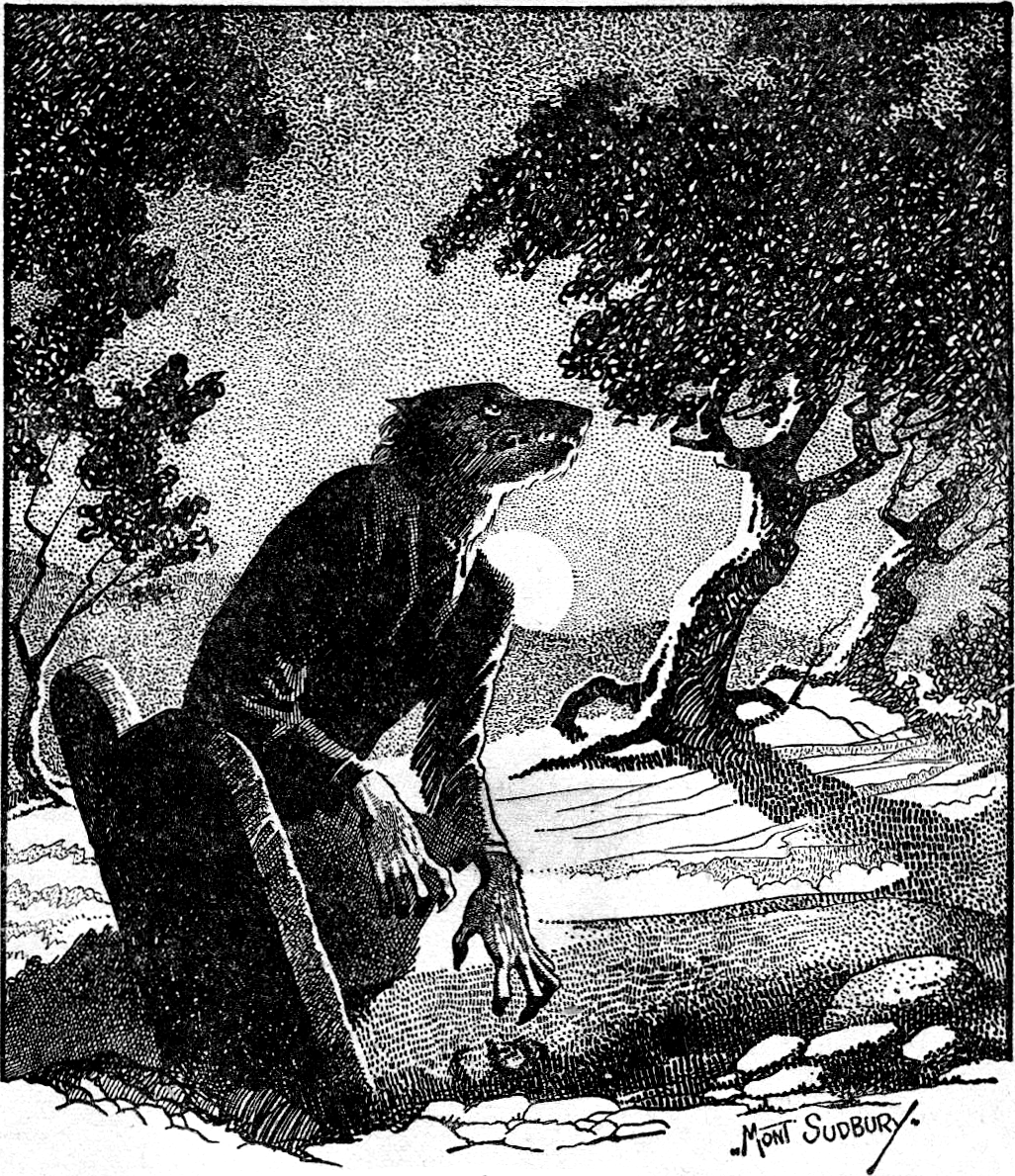 🇫🇷 France and 5 moreWerewolf
A mythical shapeshifter that turns into a wolf, central to European witch-hunts and Gothic horror.Being · Cursing and harm · Wonder and entertainment Legendary
🇫🇷 France and 5 moreWerewolf
A mythical shapeshifter that turns into a wolf, central to European witch-hunts and Gothic horror.Being · Cursing and harm · Wonder and entertainment Legendary
 🇪🇬 Egypt and 1 moreLilithלִילִית
A feminine figure from Mesopotamian and Jewish mythology, often depicted as a night demon or spirit.Being · Cursing and harm Legendary
🇪🇬 Egypt and 1 moreLilithלִילִית
A feminine figure from Mesopotamian and Jewish mythology, often depicted as a night demon or spirit.Being · Cursing and harm Legendary
 🇪🇬 EgyptCurse
A spoken wish for misfortune to befall a person or placeBelief · Cursing and harm · Luck and prosperity Historical
🇪🇬 EgyptCurse
A spoken wish for misfortune to befall a person or placeBelief · Cursing and harm · Luck and prosperity Historical