Strigoi
from Latin strix or striga, meaning a night bird or witch
A Romanian undead spirit linked to witchcraft and vampirism
In Romanian folklore, strigoi are restless spirits that return from the grave. They are said to cause harm by draining life or blood, and can be either living sorcerers or dead corpses.
- The word comes from Latin strix, meaning a night bird or witch.
- Strigoi can be living sorcerers or dead corpses returning from the grave.
- They are blamed for droughts, stolen milk, and infant deaths.
- Stakes, nails, and beheading were traditional methods of prevention.
- Bram Stoker's Dracula draws on these historic Romanian links.
What it is
The strigoi is a troubled spirit in Romanian mythology that rises from the grave. It is believed to possess the power to transform into a beast, become invisible, and draw vitality from its victims. The term covers both living individuals with magical traits and deceased corpses that return to haunt the living. These entities are often linked to the broader concept of vampirism, influencing later literary figures like Bram Stoker's Dracula. The creature represents a fear of the dead returning to disrupt the natural order and harm the community.
Where it comes from
The word derives from Latin terms for a nocturnal bird or witch, combined with an augmentative suffix. In late Roman times, it described ill-omened flying creatures that craved human flesh. Cognates exist across Romance and Slavic languages, such as the Italian strega and Greek strix. Early historical records from Istria mention villagers being called strigoi after death, linking the myth to real-world vampire hysteria in the eighteenth century.
How it is done
Identification involved placing a pure boy on a white horse near graves; the animal would stop at the suspected vampire's resting place. Prevention included nailing coffins heavily, driving stakes through the heart, or beheading and re-interring the corpse face-down. Some traditions used pork meat from specific feast days as protection. If a strigoi was confirmed, priests might read orders to bind it before piercing the body.
Tools and materials
Protection relied on physical barriers and sacred objects. Stakes made of oak, yew, or other wood were driven into the chest. Nails or knives pierced the heart to prevent movement. Garlic was worn as a traditional remedy against their influence. A white horse served as a divination tool to locate the grave. Incense was avoided by the creatures themselves, marking it as a repellant.
Strigoi, drawn and placed
- Living
- Revived
- Fading
- Historical
- Legendary
- Performed
- Lineage
- Romanian mythology
- Timing
- after death or during droughts
What it is for
The strigoi is feared for causing harm, particularly to infants and family members. It is believed to steal milk from cows, ruin crops, and stop rain, leading to drought. Hail is seen as divine punishment for the spirit blocking clean weather. Families perform rituals to protect their households from these malevolent returns, seeking to end the haunting and restore safety.
Who does it
Scholars and folklorists document the beliefs surrounding strigoi. Historically, local priests and villagers performed exorcisms and burial modifications. Modern incidents show families taking direct action, sometimes leading to legal consequences. The role of the practitioner shifts from religious authority to community members acting out of fear and tradition.
Peoples and places
The belief is strongest in Romania, with variations in Transylvania, Moldavia, and Wallachia. Albanian culture shares cognate terms like shtriga. Croatian records from Istria provide early historical accounts. Different regions use distinct names such as moroi or vidmă. The concept spreads through diaspora and literary adaptation, maintaining its core identity as a Romanian undead threat.
At a glance: who, where and when
Who does it
Belief worlds
Occasions
What people believe
Strigoi can be living sorcerers born under specific conditions, such as being the seventh child of the same sex, or dying unmarried, by suicide, or under a curse. Dead strigoi emerge to torment relatives until they die. The spirit's spine elongates into a hairy tail. Weather phenomena like hail or sun-rain are interpreted as signs of the strigoi's presence or defeat, reflecting a worldview where the dead control natural forces.
When it is done
Rituals occur around funerals and specific saints' days. On Saint Andrew's Day, strigoi are said to sleep outdoors. Saint George's Day involves boys watering girls to prevent transformation. Saint Ignatius' feast day is associated with protective foods. Droughts trigger immediate investigations, as the strigoi is blamed for withholding rain from the village.
How scholars and sceptics see it
Historians trace the strigoi to early modern vampire panics. Writers like Johann Weikhard von Valvasor documented cases like Jure Grando Alilović. Folklorists analyze the linguistic links between strigoi and witches. Anthropologists study how these beliefs persist in rural areas, often clashing with modern legal standards. The figure is also examined in the context of colonial labels and missionary interpretations of local magic.
Cautions and what is closed
Modern attempts to destroy strigoi have led to arrests for disturbing the peace of the dead. Families digging up coffins and removing hearts face imprisonment and fines. The practice highlights the tension between traditional folklore and state law. There is no medical or scientific basis for the strigoi; it remains a cultural narrative explaining misfortune and death.
Compare and confuse
The strigoi is closely related to the general vampire archetype but retains unique regional traits. It overlaps with the shtriga of Albania and the strzyga of Poland. Unlike Western vampires, the living strigoi (sorcerer) is a significant category. The concept differs from simple ghosts by its active malice and physical transformations, such as turning into beasts or insects.
Days linked to Strigoi
Questions people ask about Strigoi
What is a strigoi?
A strigoi is a troubled spirit in Romanian mythology that rises from the grave. It is believed to drain vitality or blood from victims and can transform into beasts.
Where does the word come from?
It derives from Latin terms like strix or striga, referring to nocturnal birds or witches. An augmentative suffix was added, linking it to similar words in Italian, Greek, and Slavic languages.
How do you identify a strigoi?
Tradition says a pure boy on a white horse will stop at the grave of a suspected strigoi. Physical signs include a red face, open eyes, and lack of decomposition in the corpse.
What protects people from strigoi?
Protection includes nailing coffins, driving stakes through the heart, and using garlic. Specific meats from saint feast days and avoiding incense are also part of the custom.
Can a living person become a strigoi?
Yes, a living strigoi is a sorcerer born under certain conditions, such as being the seventh child of the same sex or dying without marriage. They retain magical powers while alive.
Good reading and sources
The facts on this page come from the Wikipedia article "Strigoi", written by its contributors and used under the CC BY-SA 4.0 licence, and from its Wikidata record (CC0). EveryJaadu rewrote the text in its own words, with AI assistance, and compares every page with the article to make sure no passage is copied. It may be reused under the same CC BY-SA 4.0 licence with a link back.
It may contain mistakes. Names and customs differ from one community to the next, and some knowledge is closed to outsiders and left out here. This page describes belief and practice. It does not say that any of it works, it is not a how-to, and it is not medical advice. If something is wrong, tell us. Last refreshed 2026-10-05.
More from Romania
All the entries from Romania 🇷🇸 Serbia and 5 moreVampire
An undead creature from folklore that feeds on the blood or life force of the livingBeing · Cursing and harm · Luck and prosperity Legendary
🇷🇸 Serbia and 5 moreVampire
An undead creature from folklore that feeds on the blood or life force of the livingBeing · Cursing and harm · Luck and prosperity Legendary
 🇫🇷 France and 5 moreRevenant
An animated corpse or spirit that returns from the grave to haunt the livingBeing · Cursing and harm Legendary
🇫🇷 France and 5 moreRevenant
An animated corpse or spirit that returns from the grave to haunt the livingBeing · Cursing and harm Legendary
 🇷🇺 Russia and 2 moreCaul
A birth membrane kept as a talisman for luck and protection from drowningCharm · Protection · Luck and prosperity Historical
🇷🇺 Russia and 2 moreCaul
A birth membrane kept as a talisman for luck and protection from drowningCharm · Protection · Luck and prosperity Historical
 🇮🇹 Italy and 5 moreTarottarocchi
A set of playing cards used for games and divinationTradition · Seeing and foretelling · Luck and prosperity Living
🇮🇹 Italy and 5 moreTarottarocchi
A set of playing cards used for games and divinationTradition · Seeing and foretelling · Luck and prosperity Living
Related elsewhere
All being 🇪🇬 Egypt and 1 moreLilithלִילִית
A feminine figure from Mesopotamian and Jewish mythology, often depicted as a night demon or spirit.Being · Cursing and harm Legendary
🇪🇬 Egypt and 1 moreLilithלִילִית
A feminine figure from Mesopotamian and Jewish mythology, often depicted as a night demon or spirit.Being · Cursing and harm Legendary
 🇪🇬 EgyptCurse
A spoken wish for misfortune to befall a person or placeBelief · Cursing and harm · Luck and prosperity Historical
🇪🇬 EgyptCurse
A spoken wish for misfortune to befall a person or placeBelief · Cursing and harm · Luck and prosperity Historical
 🇮🇳 India and 5 moreHoliहोली
A Hindu spring festival marked by coloured powders and bonfires to celebrate love and virtue.Tradition · Love and attraction · Cursing and harm Living
🇮🇳 India and 5 moreHoliहोली
A Hindu spring festival marked by coloured powders and bonfires to celebrate love and virtue.Tradition · Love and attraction · Cursing and harm Living
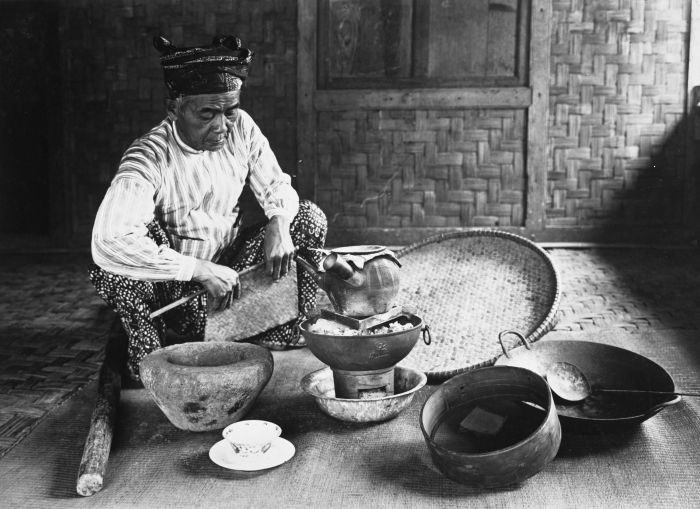 🇮🇩 Indonesia and 2 moreDukun
A traditional healer and spirit medium in Indonesian folk practiceTradition · Healing · Seeing and foretelling Living
🇮🇩 Indonesia and 2 moreDukun
A traditional healer and spirit medium in Indonesian folk practiceTradition · Healing · Seeing and foretelling Living