Cat-sìth
from Scottish Gaelic cat-sìth, meaning fairy cat
A spectral feline from Celtic lore that haunts the Scottish Highlands and guards the dead.
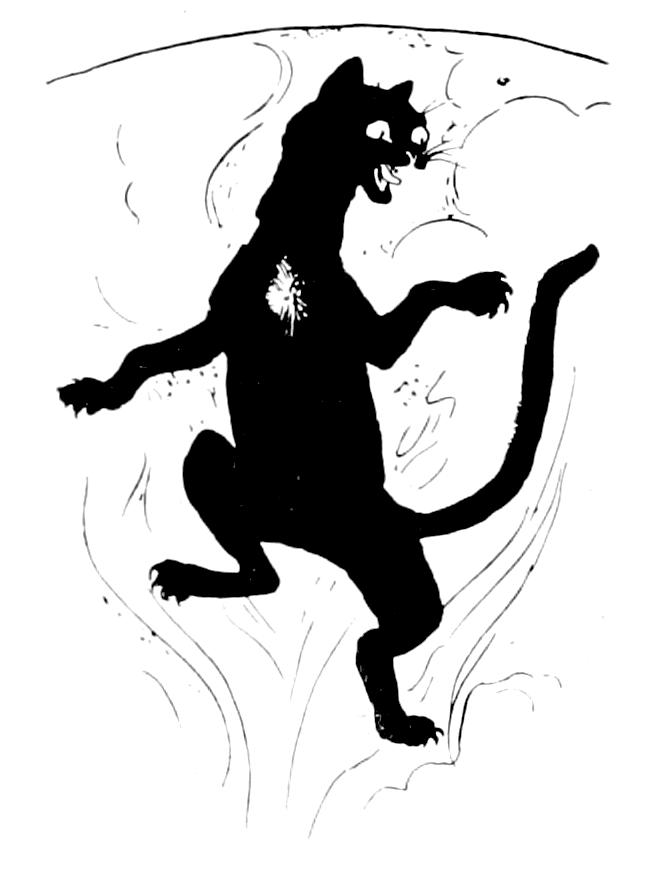
The cat-sìth is a fairy creature of Celtic mythology, depicted as a large black cat with a white chest spot. It is said to haunt the Scottish Highlands, steal souls of the newly dead, and transform into witches.
- Large black cat with a white chest spot
- Haunts the Scottish Highlands
- Steals souls of the newly dead
- Summoned via burning cats in taghairm
- Offers milk at Samhain for luck
What it is
The cat-sìth is a legendary feline entity rooted in Celtic folklore. It appears as a massive black cat marked by a single white patch on its chest. Stories describe it walking upright on two legs when unseen by humans. The creature is primarily associated with the Scottish Highlands, though traces of the legend exist in Irish tradition. Some accounts classify it as a fairy, while others view it as a witch capable of shape-shifting.
Where it comes from
The name derives from Scottish Gaelic, translating directly to fairy cat. The visual description may have been inspired by real animals like the Scottish wildcat or the Kellas hybrid. These wild cats are native to Scotland and possess distinct physical traits that could have fueled supernatural tales. The legends likely evolved from encounters with these elusive animals, blending natural observation with mythological imagination over time.
How it is done
To protect a deceased person’s soul from being stolen by the cat-sìth, families held vigils known as Late Wakes. They would keep watch over the body, using music, dance, or games to distract the creature. Catnip was sometimes used to lure the animal away. Families were advised to avoid lighting fires near the body, as the heat attracted the spirit. During Samhain, households left saucers of milk out as an offering to ensure good fortune for the coming year.
Tools and materials
Offerings typically included a simple saucer of milk left outside during festivals. During vigils, people used entertainment such as music and games to keep the creature occupied. Catnip served as a specific lure to draw the cat-sìth away from the corpse. The absence of fire was also a key part of the ritual, as heat was seen as a dangerous attractant for the spectral animal.
Cat-sìth, drawn and placed
- Living
- Revived
- Fading
- Historical
- Legendary
- Performed
- Lineage
- Celtic mythology
- Timing
- at funerals and Samhain
What it is for
The primary fear surrounding the cat-sìth was its ability to steal the souls of the recently deceased before they reached the afterlife. By crossing over a fresh body, the creature could intercept the soul. Conversely, leaving milk offerings was believed to secure luck for the household. Failure to make this offering supposedly resulted in the cat-sìth drying up the milk of the family’s cows, causing domestic hardship.
Who does it
Ordinary households were the main participants in rituals involving the cat-sìth. Families would gather to watch over their dead relatives, performing specific actions to ward off the creature. In some darker traditions, practitioners attempted to summon a demonic version called Big Ears through a taghairm ceremony. This involved burning cat bodies over four days and nights to grant wishes, indicating a more sinister interaction with the species.
Peoples and places
The legend is most prominent in Scottish folklore, particularly within the Highlands. Irish mythology also contains similar entities, referred to as cat sí. While the Scottish version emphasizes the haunting aspect and soul-stealing, the Irish connection highlights the broader Celtic roots of the fairy cat archetype. The distinction between fairy and witch interpretations varies across these cultural boundaries.
At a glance: who, where and when
Occasions
What people believe
Beliefs about the cat-sìth vary between fairy and witch classifications. Some traditions hold that it is a witch who has transformed nine times and is now trapped in feline form. Others view it as a pure fairy spirit. A darker belief involves the summoning of a demon named Big Ears, which requires extreme rituals to appear. The creature is seen as a guardian of the boundary between life and death, capable of both protection and theft.
When it is done
The most significant time for interaction with the cat-sìth is Samhain, a festival marking the end of the harvest season. During this period, leaving milk out was a common custom to gain favor. The creature was also most active around funerals, particularly in the period before modern morgues existed. Bodies were kept in homes or barns, making the vigil a critical seasonal and life-event practice.
Days linked to Cat-sìth
Questions people ask about Cat-sìth
What does the cat-sìth look like?
It is described as a large black cat with a distinctive white spot on its chest. When unseen, it walks on its hind legs like a human. It arches its back to appear larger and more threatening to those nearby.
Where does the cat-sìth come from?
The cat-sìth originates from Celtic mythology, specifically Scottish and Irish folklore. Its name comes from the Scottish Gaelic word for fairy cat. The legends are most common in the Scottish Highlands.
Why do people leave milk for the cat-sìth?
During Samhain, leaving a saucer of milk outside is believed to bring good luck to the household. If the offering is not made, the cat-sìth is said to punish the family by drying up the milk of their cows.
Is the cat-sìth a fairy or a witch?
Views differ. Some folklore classifies it as a fairy creature. Others believe it is a witch that has transformed into a cat nine times and is now stuck in that form. It is sometimes linked to demonic summoning rituals.
Good reading and sources
The facts on this page come from the Wikipedia article "Cat-sìth", written by its contributors and used under the CC BY-SA 4.0 licence, and from its Wikidata record (CC0). EveryJaadu rewrote the text in its own words, with AI assistance, and compares every page with the article to make sure no passage is copied. It may be reused under the same CC BY-SA 4.0 licence with a link back.
It may contain mistakes. Names and customs differ from one community to the next, and some knowledge is closed to outsiders and left out here. This page describes belief and practice. It does not say that any of it works, it is not a how-to, and it is not medical advice. If something is wrong, tell us. Last refreshed 2026-10-05.
More from the United Kingdom
All the entries from the United Kingdom 🇬🇧 United KingdomCeridwenCerridwen
A Welsh enchantress and modern goddess of poetic inspiration and transformation.Being · Change and initiation Revived
🇬🇧 United Kingdom and 1 moreFuath
A class of malevolent water spirits in Scottish and Irish folkloreBeing · Cursing and harm Legendary
🇬🇧 United KingdomCeridwenCerridwen
A Welsh enchantress and modern goddess of poetic inspiration and transformation.Being · Change and initiation Revived
🇬🇧 United Kingdom and 1 moreFuath
A class of malevolent water spirits in Scottish and Irish folkloreBeing · Cursing and harm Legendary
 🇬🇧 United Kingdom and 1 moreEach-uisge
A fierce water spirit of the Scottish Highlands and Irish shores that takes the form of a horse.Being · Cursing and harm Legendary
🇬🇧 United Kingdom and 1 moreEach-uisge
A fierce water spirit of the Scottish Highlands and Irish shores that takes the form of a horse.Being · Cursing and harm Legendary
Related elsewhere
All being 🇮🇳 India and 1 moreNavagrahaनवग्रह
A group of nine celestial deities in Hinduism that govern fate and astrologyTradition · Protection · Luck and prosperity Living
🇮🇳 India and 1 moreNavagrahaनवग्रह
A group of nine celestial deities in Hinduism that govern fate and astrologyTradition · Protection · Luck and prosperity Living
 🇪🇬 EgyptCurse
A spoken wish for misfortune to befall a person or placeBelief · Cursing and harm · Luck and prosperity Historical
🇪🇬 EgyptCurse
A spoken wish for misfortune to befall a person or placeBelief · Cursing and harm · Luck and prosperity Historical
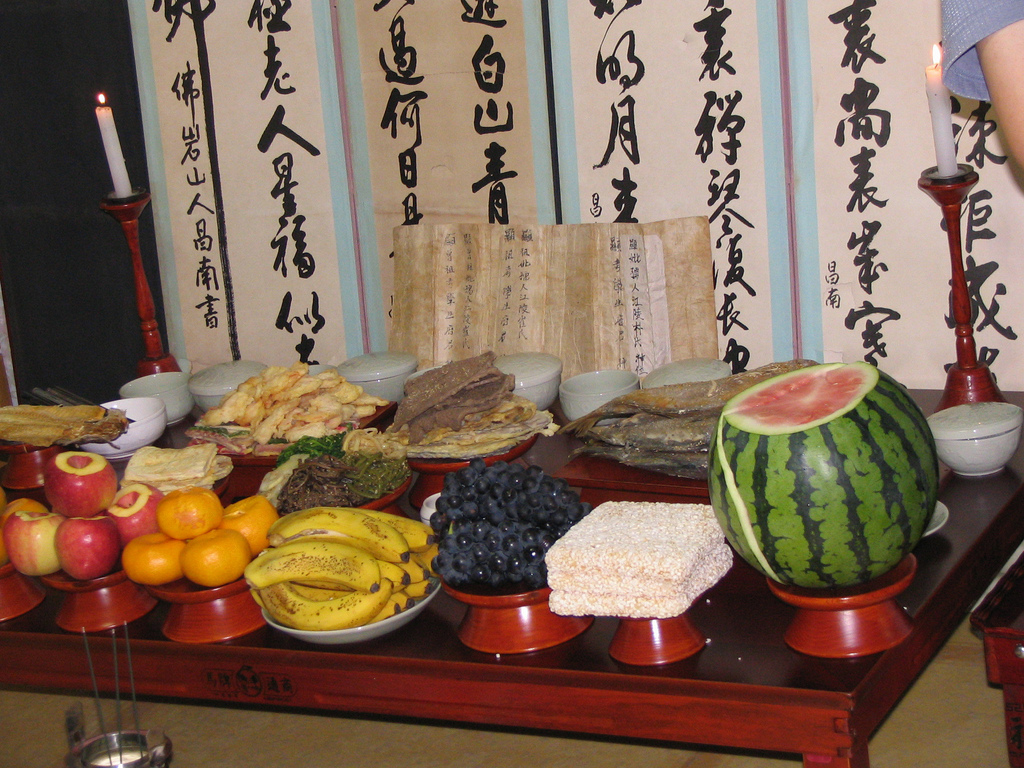 🇰🇷 South Korea and 1 moreChuseok추석 (Chuseok), 한가위 (Hangawi)
A Korean autumn harvest festival marked by ancestral rites and feasting on the full moon.Tradition · Speaking with spirits and the dead · Luck and prosperity Living
🇰🇷 South Korea and 1 moreChuseok추석 (Chuseok), 한가위 (Hangawi)
A Korean autumn harvest festival marked by ancestral rites and feasting on the full moon.Tradition · Speaking with spirits and the dead · Luck and prosperity Living
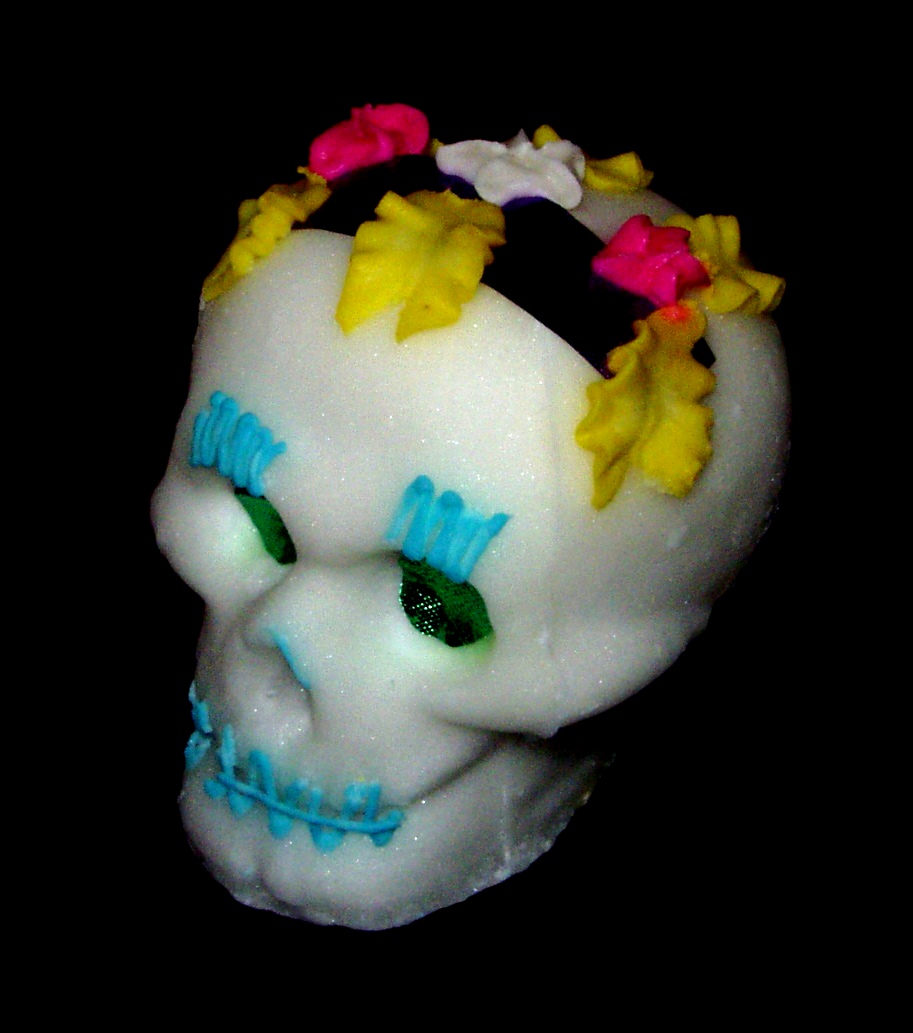 🇲🇽 MexicoCalavera
A sugar or clay skull used in Mexican Day of the Dead celebrations.Charm · Speaking with spirits and the dead · Luck and prosperity Living
🇲🇽 MexicoCalavera
A sugar or clay skull used in Mexican Day of the Dead celebrations.Charm · Speaking with spirits and the dead · Luck and prosperity Living