Everyday use: practices that mark them
Small habits kept at home: the horseshoe, the salt over the shoulder, the evil-eye bead.
Everyday magic is the small habits kept at home: the horseshoe, salt over the shoulder, knocking on wood, the evil-eye bead, a lucky number, a morning prayer, the red thread, a bowl of water at the door, a charm in the car. People keep them without making much of them. This page looks at what these habits are, why they last and where they fit alongside religion and science. It is the commonest magic of all.
What it looks like
Daily practice is ordinary. In India, a lemon and chillies hang at shops, and a rangoli drawn at a doorstep welcomes luck. In Turkey, a nazar hangs near the door. In Britain, people say touch wood. In Japan, a lucky cat sits in the shop window, and in Mexico an egg may be rolled over a child. Many of these customs use cheap, available things. Many habits are older than the people who keep them, and nobody can say who started them.
Why people keep them
Researchers describe such habits as low-cost ways to cope with uncertainty. They give a feeling of control, mark boundaries and bring people together at little risk. Studies of lucky charms show they can raise confidence. Most people hold small customs with a light touch, half serious and half playful, and would not say they believe in them. Practices come in several types: some are protective, some bring luck, some help the household keep track of time and weather, and some are no more than a habit of speech.
Names, religion and class
Customs are shared across religions with different explanations. The evil eye is feared by Muslims, Christians, Jews and Hindus in the Mediterranean and beyond. Religious reformers often attack such customs, and educated people sometimes mock them as rural. Women do most of the work of keeping them going, within the home. The home is also where these customs meet money, since shops sell everything needed, and some of the items on sale are made far from their cultural homes.
Shops and screens
Ordinary habits are now a market of charms, apps, horoscopes and online readers. Small purchases are harmless, but large payments for luck or protection are a warning sign of fraud. The customs also spread online, where they can lose their origin. Whether or not they work, they remain a way people say that they care about each other. In the end, the most common magic in the world is neither dramatic nor secret, and it is practised by people who have no wish to be called magicians.
Everyday use on EveryJaadu
The entries written up so far, best known first.
 🇮🇳 India and 5 morePilgrimage
A journey to a sacred site for spiritual growth or religious dutyTradition · Healing · Speaking with spirits and the dead Living
🇮🇳 India and 5 morePilgrimage
A journey to a sacred site for spiritual growth or religious dutyTradition · Healing · Speaking with spirits and the dead Living
 🇮🇳 India and 1 moreMantraमन्त्रम्
A sacred sound or phrase repeated to focus the mind and invoke spiritual powerText · Speaking with spirits and the dead · Power and authority Living
🇮🇳 India and 1 moreMantraमन्त्रम्
A sacred sound or phrase repeated to focus the mind and invoke spiritual powerText · Speaking with spirits and the dead · Power and authority Living
 🇨🇳 China and 1 moreAncestor veneration in China中國傳統宗法性宗教
Rites for dead kin who are thought to watch over the familyTradition · Protection · Speaking with spirits and the dead Living
🇨🇳 China and 1 moreAncestor veneration in China中國傳統宗法性宗教
Rites for dead kin who are thought to watch over the familyTradition · Protection · Speaking with spirits and the dead Living
 🇲🇽 Mexico and 5 moreDay of the DeadDía de los Muertos
A Mexican holiday honoring the dead with altars, food, and humor during Allhallowtide.Tradition · Speaking with spirits and the dead · Luck and prosperity Living
🇲🇽 Mexico and 5 moreDay of the DeadDía de los Muertos
A Mexican holiday honoring the dead with altars, food, and humor during Allhallowtide.Tradition · Speaking with spirits and the dead · Luck and prosperity Living
 🇲🇽 Mexico and 5 moreCopal
A tree resin used as incense in Mesoamerica and varnish in EuropeSubstance · Speaking with spirits and the dead · Cleansing and purification Living
🇲🇽 Mexico and 5 moreCopal
A tree resin used as incense in Mesoamerica and varnish in EuropeSubstance · Speaking with spirits and the dead · Cleansing and purification Living
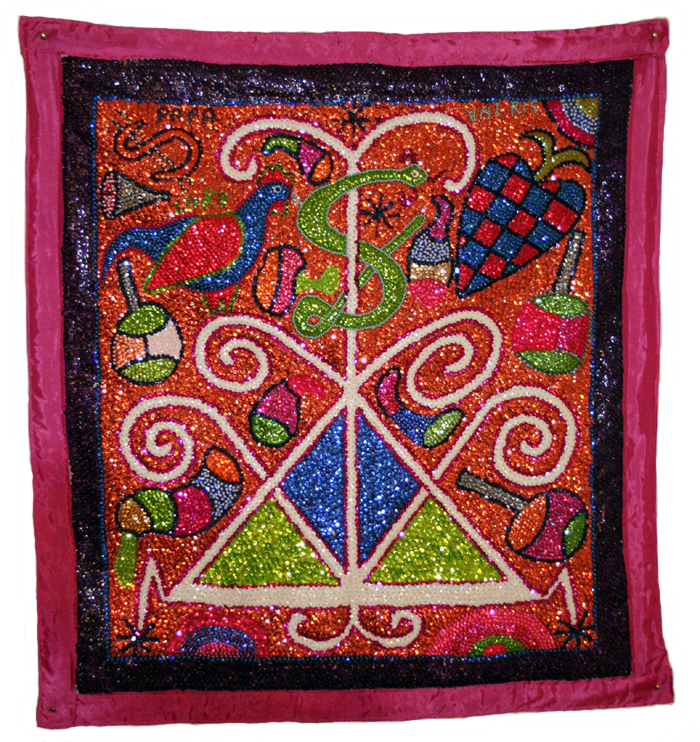 🇭🇹 Haiti and 2 moreHaitian VodouVodou
An Afro-Haitian religion blending West African traditions with Catholicism and FreemasonryTradition · Protection · Healing Living
🇳🇴 NorwayEsbat
A monthly Wiccan ritual held at the full or new moon for worship and community.Rite · Speaking with spirits and the dead · Love and attraction Living
🇭🇹 Haiti and 2 moreHaitian VodouVodou
An Afro-Haitian religion blending West African traditions with Catholicism and FreemasonryTradition · Protection · Healing Living
🇳🇴 NorwayEsbat
A monthly Wiccan ritual held at the full or new moon for worship and community.Rite · Speaking with spirits and the dead · Love and attraction Living
 🇪🇬 Egypt and 2 moreLibation
The ritual pouring of liquid as an offering to spirits or the deadRite · Speaking with spirits and the dead · Protection Living
🇪🇬 Egypt and 2 moreLibation
The ritual pouring of liquid as an offering to spirits or the deadRite · Speaking with spirits and the dead · Protection Living
 🇸🇳 Senegal and 1 moreSerer religionA ƭat Roog
The traditional faith of the Serer people, centred on the supreme deity Roog and ancestral veneration.Tradition · Protection · Speaking with spirits and the dead Living
🇳🇿 New Zealand and 5 moreTapu
A Polynesian concept of sacred restriction and spiritual prohibitionTradition · Protection · Speaking with spirits and the dead Living
🇸🇳 Senegal and 1 moreSerer religionA ƭat Roog
The traditional faith of the Serer people, centred on the supreme deity Roog and ancestral veneration.Tradition · Protection · Speaking with spirits and the dead Living
🇳🇿 New Zealand and 5 moreTapu
A Polynesian concept of sacred restriction and spiritual prohibitionTradition · Protection · Speaking with spirits and the dead Living
 🇸🇩 Sudan and 5 moreIncense
Aromatic plant materials burned to release fragrant smoke for ritual, scent, or timekeeping.Substance · Protection · Speaking with spirits and the dead Living
🇸🇩 Sudan and 5 moreIncense
Aromatic plant materials burned to release fragrant smoke for ritual, scent, or timekeeping.Substance · Protection · Speaking with spirits and the dead Living
 🇮🇳 IndiaKavu
Sacred forest patches in South India that protect local deities and wildlifeTradition · Protection · Speaking with spirits and the dead Living
🇮🇳 IndiaKavu
Sacred forest patches in South India that protect local deities and wildlifeTradition · Protection · Speaking with spirits and the dead Living
 🇮🇳 India and 1 moreNavagrahaनवग्रह
A group of nine celestial deities in Hinduism that govern fate and astrologyTradition · Protection · Luck and prosperity Living
🇮🇷 Iran and 2 moreHaoma
A divine plant and spirit in Zoroastrianism, linked to healing and ancient rituals.Substance · Healing · Speaking with spirits and the dead Living
🇮🇳 India and 1 moreNavagrahaनवग्रह
A group of nine celestial deities in Hinduism that govern fate and astrologyTradition · Protection · Luck and prosperity Living
🇮🇷 Iran and 2 moreHaoma
A divine plant and spirit in Zoroastrianism, linked to healing and ancient rituals.Substance · Healing · Speaking with spirits and the dead Living
 🇮🇳 India and 2 moreYantraयन्त्र
A geometric diagram from Indian traditions used for worship and meditationTradition · Protection · Speaking with spirits and the dead Living
🇮🇳 India and 2 moreYantraयन्त्र
A geometric diagram from Indian traditions used for worship and meditationTradition · Protection · Speaking with spirits and the dead Living
 🇳🇵 Nepal and 1 morePrayer flagLung ta
Cloth banners printed with mantras, hung in high places to spread blessings on the windCharm · Protection · Cleansing and purification Living
🇳🇵 Nepal and 1 morePrayer flagLung ta
Cloth banners printed with mantras, hung in high places to spread blessings on the windCharm · Protection · Cleansing and purification Living
 🇬🇧 United Kingdom and 3 moreRowancaorann
A Northern Hemisphere tree believed to ward off witches and protect travellers.Substance · Protection · Speaking with spirits and the dead Living
🇬🇧 United Kingdom and 3 moreRowancaorann
A Northern Hemisphere tree believed to ward off witches and protect travellers.Substance · Protection · Speaking with spirits and the dead Living
 🇯🇵 JapanShinto shrine神社 (jinja)
A structure housing kami deities within the Shinto tradition of JapanTradition · Protection · Speaking with spirits and the dead Living
🇯🇵 JapanShinto shrine神社 (jinja)
A structure housing kami deities within the Shinto tradition of JapanTradition · Protection · Speaking with spirits and the dead Living
 🇯🇵 JapanOfudaお札/御札 (ofuda)
Paper and wooden talismans from Japanese Shinto shrines and Buddhist templesCharm · Protection · Cleansing and purification Living
🇯🇵 JapanOfudaお札/御札 (ofuda)
Paper and wooden talismans from Japanese Shinto shrines and Buddhist templesCharm · Protection · Cleansing and purification Living
 🇩🇲 Dominica and 1 morePrayer beads
Beaded strings used to count prayers and mantras across many world religionsSubstance · Speaking with spirits and the dead Living
🇩🇲 Dominica and 1 morePrayer beads
Beaded strings used to count prayers and mantras across many world religionsSubstance · Speaking with spirits and the dead Living
 🇱🇾 Libya and 4 moreTraditional Berber religionAmazigh religion
Ancient beliefs of Northwest Africa centered on celestial bodies, caves, and ancestors.Tradition · Speaking with spirits and the dead · Luck and prosperity Historical
🇱🇾 Libya and 4 moreTraditional Berber religionAmazigh religion
Ancient beliefs of Northwest Africa centered on celestial bodies, caves, and ancestors.Tradition · Speaking with spirits and the dead · Luck and prosperity Historical
 🇮🇳 IndiaKumkumकुङ्कुमम्
A red powder made from turmeric and lime, used in Hindu markings and ritualsSubstance · Protection · Luck and prosperity Living
🇮🇳 IndiaKumkumकुङ्कुमम्
A red powder made from turmeric and lime, used in Hindu markings and ritualsSubstance · Protection · Luck and prosperity Living
 🇮🇳 IndiaSarnaism
A tribal faith centered on nature worship and sacred groves in eastern IndiaTradition · Protection · Speaking with spirits and the dead Living
🇮🇳 IndiaSarnaism
A tribal faith centered on nature worship and sacred groves in eastern IndiaTradition · Protection · Speaking with spirits and the dead Living
 🇮🇳 India and 5 moreAncestor worship
Rites of respect for the dead that maintain family bonds and seek spiritual guidanceTradition · Protection · Speaking with spirits and the dead Living
🇮🇳 India and 5 moreAncestor worship
Rites of respect for the dead that maintain family bonds and seek spiritual guidanceTradition · Protection · Speaking with spirits and the dead Living
 🇸🇪 Sweden and 5 moreMidsummerJāņi; Joninės; Jaanipäev; Enyovden; Litha; Juhannus
A summer solstice festival marked by bonfires, maypole dancing, and feasting across Europe.Tradition · Protection · Luck and prosperity Living
🇸🇪 Sweden and 5 moreMidsummerJāņi; Joninės; Jaanipäev; Enyovden; Litha; Juhannus
A summer solstice festival marked by bonfires, maypole dancing, and feasting across Europe.Tradition · Protection · Luck and prosperity Living
 🇩🇪 Germany and 7 moreWalpurgis NightWalpurgisnacht
A spring vigil marking the eve of Saint Walpurga's feast day with bonfires and student festivalsRite · Protection · Speaking with spirits and the dead Living
🇩🇪 Germany and 7 moreWalpurgis NightWalpurgisnacht
A spring vigil marking the eve of Saint Walpurga's feast day with bonfires and student festivalsRite · Protection · Speaking with spirits and the dead Living
 🇮🇱 Israel and 5 moreTefillinתְּפִלִּין
Black leather boxes containing Torah scrolls, worn by Jewish men during weekday prayers.Charm · Speaking with spirits and the dead · Protection Living
🇧🇯 Benin and 2 morePapa Legba
A loa who stands at the crossroads and opens the gate between people and spiritsBeing · Speaking with spirits and the dead · Power and authority Living
🇮🇱 Israel and 5 moreTefillinתְּפִלִּין
Black leather boxes containing Torah scrolls, worn by Jewish men during weekday prayers.Charm · Speaking with spirits and the dead · Protection Living
🇧🇯 Benin and 2 morePapa Legba
A loa who stands at the crossroads and opens the gate between people and spiritsBeing · Speaking with spirits and the dead · Power and authority Living
 🇺🇸 United States and 2 moreSéance
A gathering to communicate with spirits, ranging from religious services to stage performances.Rite · Speaking with spirits and the dead · Healing Living
🇺🇸 United States and 2 moreSéance
A gathering to communicate with spirits, ranging from religious services to stage performances.Rite · Speaking with spirits and the dead · Healing Living
 🇺🇸 United States and 3 moreSandpainting
A ritual art of pouring colored sand to create temporary images for healing or spiritual teachingTradition · Healing · Speaking with spirits and the dead Living
🇺🇸 United States and 3 moreSandpainting
A ritual art of pouring colored sand to create temporary images for healing or spiritual teachingTradition · Healing · Speaking with spirits and the dead Living
 🇵🇪 Peru and 5 morePachamama
The Andean mother goddess of space-time and the earthBeing · Protection · Healing Living
🇵🇪 Peru and 5 morePachamama
The Andean mother goddess of space-time and the earthBeing · Protection · Healing Living
 🇭🇹 Haiti and 2 moreLwa
Spirits in Haitian Vodou that mediate between people and the creator god.Being · Protection · Healing Living
🇭🇹 Haiti and 2 moreLwa
Spirits in Haitian Vodou that mediate between people and the creator god.Being · Protection · Healing Living
 🇳🇬 Nigeria and 3 moreYemọjaYemoja
A mother spirit of rivers and oceans worshipped across Yoruba and diaspora traditionsBeing · Protection · Healing Living
🇳🇬 Nigeria and 3 moreYemọjaYemoja
A mother spirit of rivers and oceans worshipped across Yoruba and diaspora traditionsBeing · Protection · Healing Living
 🇮🇷 Iran and 2 moreSomaसोम
A sacred ritual drink of the ancient Vedic religion and its Iranian counterpartSubstance · Power and authority · Speaking with spirits and the dead Historical
🇮🇷 Iran and 2 moreSomaसोम
A sacred ritual drink of the ancient Vedic religion and its Iranian counterpartSubstance · Power and authority · Speaking with spirits and the dead Historical
 🇳🇬 Nigeria and 5 moreEleguaÈṣù-Ẹlẹ́gbára
A Yoruba deity of crossroads and messenger who opens all spiritual pathsBeing · Protection · Speaking with spirits and the dead Living
🇳🇬 Nigeria and 5 moreEleguaÈṣù-Ẹlẹ́gbára
A Yoruba deity of crossroads and messenger who opens all spiritual pathsBeing · Protection · Speaking with spirits and the dead Living
 🇸🇳 Senegal and 5 morePentagramπεντάγραμμον
A five-pointed star figure used across history for protection, ritual, and cosmologyCharm · Protection · Binding and oaths Living
🇸🇳 Senegal and 5 morePentagramπεντάγραμμον
A five-pointed star figure used across history for protection, ritual, and cosmologyCharm · Protection · Binding and oaths Living
 🇮🇳 India and 1 moreDiyaदीया
A small oil lamp used in prayers and festivals across the Indian subcontinentTradition · Protection · Luck and prosperity Living
🇮🇳 India and 1 moreDiyaदीया
A small oil lamp used in prayers and festivals across the Indian subcontinentTradition · Protection · Luck and prosperity Living
 🇬🇷 Greece and 2 moreAstragalomancy
Divination by casting marked bones, carved rods, or numbered diceOracle · Seeing and foretelling · Speaking with spirits and the dead Living
🇮🇳 IndiaMuhurtamuhūrta
A Hindu unit of time used to select auspicious moments for rituals and daily practiceBelief · Power and authority · Speaking with spirits and the dead Living
🇬🇷 Greece and 2 moreAstragalomancy
Divination by casting marked bones, carved rods, or numbered diceOracle · Seeing and foretelling · Speaking with spirits and the dead Living
🇮🇳 IndiaMuhurtamuhūrta
A Hindu unit of time used to select auspicious moments for rituals and daily practiceBelief · Power and authority · Speaking with spirits and the dead Living
 🇮🇳 India and 5 moreShakta pithasशाक्त पीठ (Śākta Pīṭha)
Sacred shrines in Shaktism marking where parts of the goddess Sati fell to earth.Tradition · Speaking with spirits and the dead · Power and authority Living
🇮🇳 India and 5 moreShakta pithasशाक्त पीठ (Śākta Pīṭha)
Sacred shrines in Shaktism marking where parts of the goddess Sati fell to earth.Tradition · Speaking with spirits and the dead · Power and authority Living
 🇺🇸 United StatesHopi mythology
The creation stories and spirit traditions of the Hopi people of the American SouthwestTradition · Speaking with spirits and the dead · Protection Living
🇺🇸 United StatesHopi mythology
The creation stories and spirit traditions of the Hopi people of the American SouthwestTradition · Speaking with spirits and the dead · Protection Living
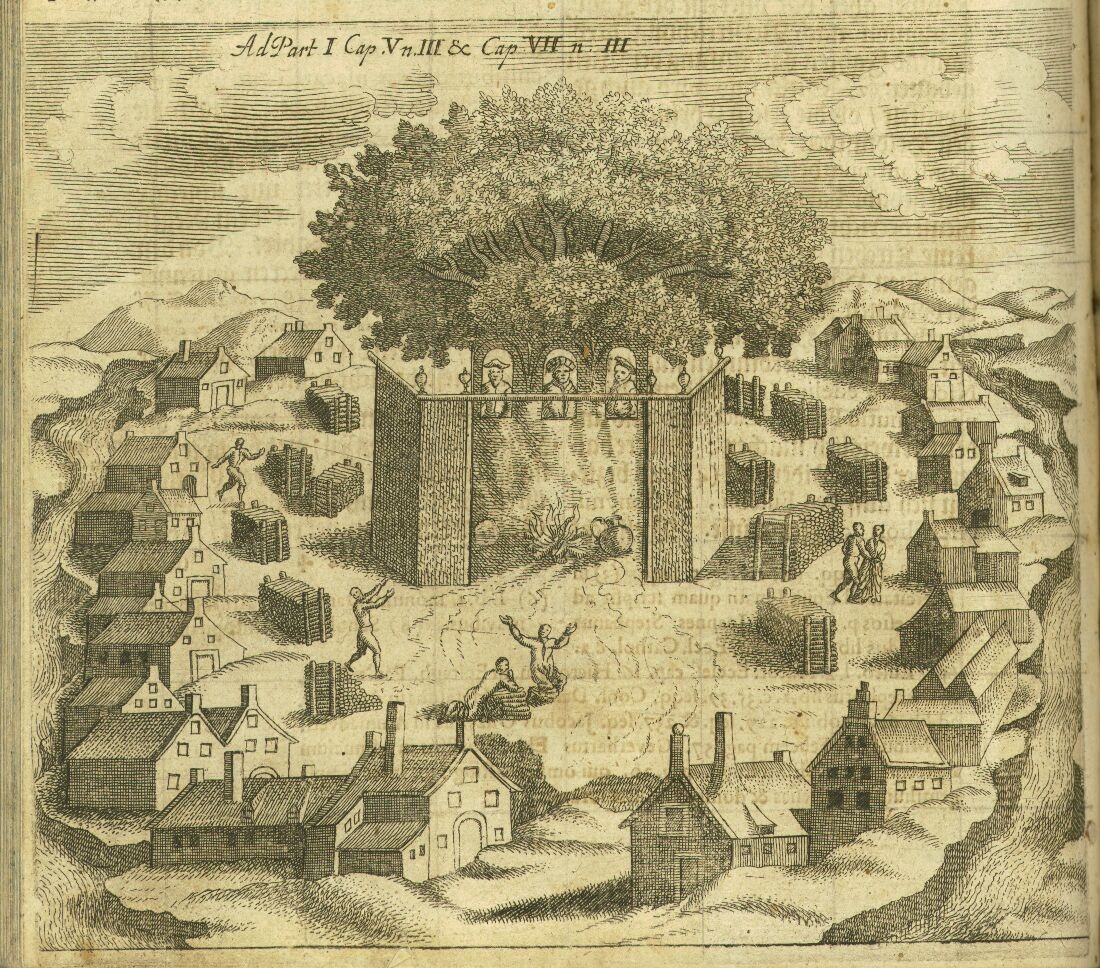 🇱🇹 Lithuania and 1 moreLithuanian mythologyLietuvių mitologija
The ancient polytheistic beliefs of the Baltic people, preserved in folklore and early chroniclesTradition · Speaking with spirits and the dead · Luck and prosperity Historical
🇱🇹 Lithuania and 1 moreLithuanian mythologyLietuvių mitologija
The ancient polytheistic beliefs of the Baltic people, preserved in folklore and early chroniclesTradition · Speaking with spirits and the dead · Luck and prosperity Historical
 🇳🇵 Nepal and 1 moreMani stone
Carved stones inscribed with Buddhist mantras, placed as offerings along paths in the Himalayas.Charm · Protection · Speaking with spirits and the dead Living
🇳🇵 Nepal and 1 moreMani stone
Carved stones inscribed with Buddhist mantras, placed as offerings along paths in the Himalayas.Charm · Protection · Speaking with spirits and the dead Living
 🇳🇬 Nigeria and 2 moreOdinaniỌdịnanị
The traditional belief system of the Igbo people in NigeriaTradition · Protection · Speaking with spirits and the dead Living
🇳🇬 Nigeria and 2 moreOdinaniỌdịnanị
The traditional belief system of the Igbo people in NigeriaTradition · Protection · Speaking with spirits and the dead Living
 🇲🇦 Morocco and 5 moreWild rueاسپند
A desert plant whose seeds hold psychoactive alkaloids and serve as incense in the Middle East.Substance · Protection · Speaking with spirits and the dead Living
🇲🇦 Morocco and 5 moreWild rueاسپند
A desert plant whose seeds hold psychoactive alkaloids and serve as incense in the Middle East.Substance · Protection · Speaking with spirits and the dead Living
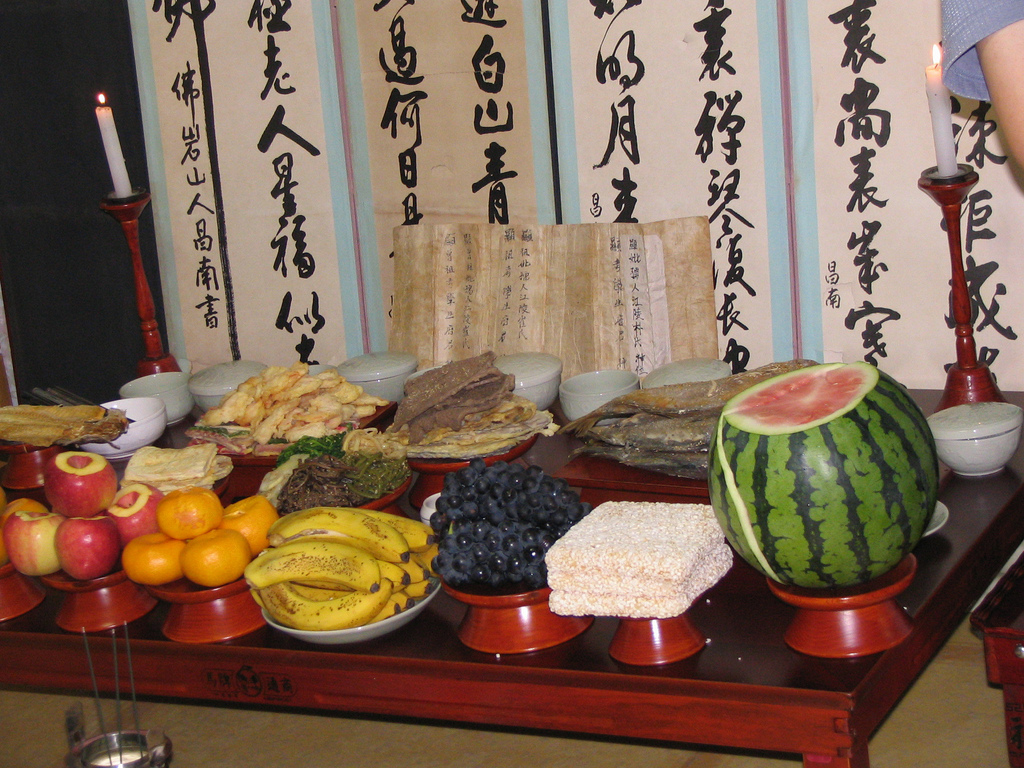 🇰🇷 South KoreaJesa제사
A Korean ancestral memorial rite involving food offerings and ritual bowsRite · Speaking with spirits and the dead · Luck and prosperity Living
🇰🇷 South KoreaJesa제사
A Korean ancestral memorial rite involving food offerings and ritual bowsRite · Speaking with spirits and the dead · Luck and prosperity Living
 🇯🇵 JapanKagura神楽
A Shinto ritual dance where performers embody deities to purify and welcome spiritsTradition · Protection · Speaking with spirits and the dead Living
🇯🇵 JapanKagura神楽
A Shinto ritual dance where performers embody deities to purify and welcome spiritsTradition · Protection · Speaking with spirits and the dead Living
 🇻🇺 Vanuatu and 5 moreKava culture
A shared ritual across Oceania where a root brew marks ceremony, respect, and social gathering.Tradition · Speaking with spirits and the dead · Luck and prosperity Living
🇻🇺 Vanuatu and 5 moreKava culture
A shared ritual across Oceania where a root brew marks ceremony, respect, and social gathering.Tradition · Speaking with spirits and the dead · Luck and prosperity Living
Photo credits on this page
The small pictures above come from Wikimedia Commons under free licences. Some are cropped to fit.
- Serer religion: Unknown author, Public domain, source
- Mantra: Markrosenrosen, CC BY-SA 3.0, source
- Copal: Didier Descouens, CC BY-SA 4.0, source
- Haitian Vodou: Sam Fentress, CC BY-SA 2.0, source
- Prayer flag: Wotan, CC BY 2.5, source
- Libation: Arkady Zarubin ( Аркадий Зарубин ), CC BY-SA 3.0, source
- Traditional Berber religion: Potymkin, CC BY-SA 4.0, source
- Incense: nakimusi, CC BY 2.0, source
- Kavu: Ashwin.appus, CC BY-SA 4.0, source
- Navagraha: Kiran891, CC BY-SA 4.0, source
- Yantra: Photo by Daniel Conrad (Chromacon), artwork by Daniel Conrad under dir, Public domain, source
- Soma: Krzysztof Ziarnek, Kenraiz, CC BY-SA 4.0, source
- Rowan: Taken by me, Jonik , on August 25, 2004., CC BY-SA 2.0, source
- Ofuda: 教派研究 (Sectarian research), CC BY-SA 3.0, source
- Shinto shrine: No machine-readable author provided. Fg2 assumed (based on copyright c, Public domain, source
- Prayer beads: ja:利用者:pack372sd, CC BY-SA 3.0, source
- Mani stone: John Hill, CC BY-SA 4.0, source
- Kumkum: Thamizhpparithi Maari, CC BY-SA 3.0, source
- Sarnaism: বুদ্ধি, CC BY-SA 4.0, source
- Ancestor worship: Lyn Gateley, CC BY 2.0, source
- Midsummer: Kora27, CC BY-SA 4.0, source
- Walpurgis Night: Luis Ricardo Falero, Public domain, source
- Tefillin: Brooklyn Museum, CC BY 3.0, source
- Séance: Unknown author, Public domain, source
- Sandpainting: Mnolf, CC BY-SA 3.0, source
- Pachamama: Penarc, CC BY-SA 3.0, source
- Lwa: Hector Hyppolite, Public domain, source
- Yemọja: Samuel Tobbytex007, CC BY-SA 4.0, source
- Elegua: Sailko, CC BY 3.0, source
- Pentagram: Tomruen, Attribution, source
- Diya: Suyash Dwivedi, CC BY-SA 4.0, source
- Astragalomancy: Roland zh, CC BY-SA 3.0, source
- Shakta pithas: Abhishek Chandra, Public domain, source
- Hopi mythology: Sailko, CC BY 3.0, source
- Lithuanian mythology: Prussian historian Christophorus Hartknoch (1644-1687), Public domain, source
- Odinani: Northcote Whitridge Thomas, Public domain, source
- Jesa: by Joseph Steinberg (Baltimoron in Korea) at Flickr, CC BY-SA 2.0, source
- Kagura: Elstner Hilton, Public domain, source
- Wild rue: Yuriy75, CC BY-SA 3.0, source
- Kava culture: Jaejay77, CC BY-SA 4.0, source
- Ancestor veneration in China: Three huntings, CC BY-SA 4.0, source
- Day of the Dead: RubeHM, CC BY-SA 4.0, source
- Pilgrimage: Ali Mansuri, CC BY-SA 2.5, source