
Serer religion
In its own language: A ƭat Roog
from the Serer phrase A ƭat Roog, meaning 'the way of the Divine' or 'path of God'
The traditional faith of the Serer people, centred on the supreme deity Roog and ancestral veneration.
The Serer religion is the indigenous belief system of the Serer people in Senegambia. It centres on a supreme creator god called Roog and the veneration of ancestral spirits known as pangool. Practitioners seek harmony with the divine through rituals, ancestor intercession, and adherence to a strict moral code.
- Roog is the supreme creator deity in Serer theology.
- Pangool are ancestral spirits who mediate between humans and God.
- The Saltigue are initiated high priests and priestesses.
- Totems protect families and prohibit harm to specific animals.
- Reincarnation requires acceptance by ancestral spirits.
What it is
The Serer religion, or A ƭat Roog, is the original spiritual framework of the Serer people in West Africa. It is a monotheistic tradition that recognises a single supreme deity, Roog, who created the universe. The faith focuses on maintaining balance between the living and the dead. Ancestral spirits, called pangool, act as intermediaries between humans and the divine. These ancestors are revered for their historical role in founding villages and their ongoing spiritual influence. The religion encompasses cosmology, ethics, and therapeutic practices rooted in this connection to the past.
Where it comes from
The tradition originates from the Serer people of the Senegambia region. Historical accounts link the establishment of shrines to ancient kings known as lamanes. These leaders founded villages accompanied by groups of pangool. The lamanes became custodians of these shrines, creating a lineage of priestly authority. The religion has existed since at least the 11th century, with specific sites like Tukar established during this period. It represents a continuous cultural and spiritual identity for the Serer nation.
How it is done
Daily practice involves prayers and libations offered to the pangool on Mondays and Thursdays. Offerings typically include millet, sour milk, sugar, and wine. Annual festivals feature communal gatherings where high priests predict weather and political events. The Xooy ceremony brings together thousands of people for divination and sermons. Rain ceremonies involve pouring libations in sacred groves to ensure agricultural prosperity. Rituals also include sacrifices of animals such as sheep, goats, and chickens at shrines dedicated to specific spirits.
Tools and materials
Sacred locations serve as focal points for ritual activity. These include baobab trees, rivers like the Sine, and community shrines. Specific offerings are tied to these sites: millet and milk for general prayers, and wine for certain rites. Animal sacrifices are used in ceremonies to honour the pangool. Totems, which can be animals or plants, function as spiritual guardians and prohibitions for families. For example, the antelope protects the Joof family, while the lion guards the Njie family.
Serer religion, drawn and placed
- Living
- Revived
- Fading
- Historical
- Legendary
- Performed
- Lineage
- Serer traditional religion
- Timing
- Mondays, Thursdays, April new moon, first week of June
What it is for
The primary aim is to maintain spiritual purity and secure a place in the afterlife. Believers strive to live righteously to be accepted by ancestors and enter Jaaniiw, a state of peace near the divine. Reincarnation, or ciiɗ, is sought through ancestral approval. The religion also seeks practical benefits, such as rain for crops and protection from harm. Totems provide holy protection against brutality. Divination helps the community navigate future challenges regarding politics, economics, and health.
Who does it
Spiritual leadership is held by the Saltigue, or Spiritual Elders. Both men and women can be initiated into this secret order. Initiation grants knowledge of the unseen world and the power to organise thoughts cohesively. High priests and priestesses lead major ceremonies and deliver sermons. The priesthood is often hereditary, selected from the lineage of ancient lamanes. Ordinary households participate in daily prayers and annual festivals, maintaining the connection to ancestors through personal and communal rituals.
Peoples and places
The Serer people are an ethnoreligious group primarily located in Senegal and the Gambia. They maintain distinct religious practices that emphasise endogamy and cultural purity. Some Serers have converted to Islam or Christianity, but orthodox followers adhere strictly to traditional doctrines. The Lebou people also revere ancient Serer practices. The religion defines Serer identity, linking them to their history through the veneration of founding ancestors and the preservation of their unique spiritual heritage across generations.
At a glance: who, where and when
Peoples
Belief worlds
Occasions


What people believe
The core belief is in Roog Sene, the supreme creator who is neither devil nor genie. Roog embodies both male and female aspects and watches over humanity without interfering in daily affairs. Lesser gods and spirits assist in the physical world. The soul returns to Roog Sene after death. Reincarnation depends on ancestral acceptance. Those rejected become wandering souls. The religion rejects concepts of hellfire but views rejection as a loss of peace. Moral conduct determines one's spiritual fate, with free will allowing individuals to choose righteousness or deviation.
When it is done
Monday is the day of rest, marked by early prayers and family reflection. Thursday prohibits cultural activities like wrestling and weddings. The Raan festival occurs in April on the second Thursday after the new moon. The Xooy ceremony takes place in the first week of June at Holy Sine. Annual rain ceremonies are held in specific villages to augur seasonal weather. Saturday features folk songs and dances. These dates structure the religious year, aligning spiritual duties with lunar cycles and agricultural needs.
Questions people ask about Serer religion
What is the main deity in Serer religion?
The supreme deity is Roog, also called Roog Sene. He is the creator of the universe and embodies both male and female qualities. He does not interfere directly in human affairs but provides the spiritual foundation for life.
Who are the pangool?
Pangool are ancestral spirits and saints. They act as intermediaries between the living world and Roog. They are venerated for their historical role in founding villages and their ongoing ability to intercede for the living.
How do Serers pray?
Prayers are offered on Mondays and Thursdays. Offerings include millet, sour milk, sugar, and wine. Sacrifices of animals like sheep and goats are made at shrines. Libations are poured to honour the ancestors and seek their guidance.
What is the goal of life in Serer belief?
The goal is to live righteously to be accepted by ancestors upon death. This allows entry into Jaaniiw, a state of peace near the divine, and enables reincarnation. Rejecting this path results in becoming a lost, wandering soul.
Good reading and sources
- Serer religion on WikipediaEncyclopedia
- More photos on Wikimedia CommonsPhotos and video
- Wikidata recordOpen data
The facts on this page come from the Wikipedia article "Serer religion", written by its contributors and used under the CC BY-SA 4.0 licence, and from its Wikidata record (CC0). EveryJaadu rewrote the text in its own words, with AI assistance, and compares every page with the article to make sure no passage is copied. It may be reused under the same CC BY-SA 4.0 licence with a link back.
It may contain mistakes. Names and customs differ from one community to the next, and some knowledge is closed to outsiders and left out here. This page describes belief and practice. It does not say that any of it works, it is not a how-to, and it is not medical advice. If something is wrong, tell us. Last refreshed 2026-10-06.
More from Senegal
All the entries from Senegal 🇸🇳 Senegal and 5 moreAncestor veneration
Rituals of respect and offerings for the dead across many culturesTradition · Protection · Speaking with spirits and the dead Living
🇸🇳 Senegal and 5 moreAncestor veneration
Rituals of respect and offerings for the dead across many culturesTradition · Protection · Speaking with spirits and the dead Living
 🇸🇳 Senegal and 5 morePentagramπεντάγραμμον
A five-pointed star figure used across history for protection, ritual, and cosmologyCharm · Protection · Binding and oaths Living
🇸🇳 Senegal and 5 morePentagramπεντάγραμμον
A five-pointed star figure used across history for protection, ritual, and cosmologyCharm · Protection · Binding and oaths Living
 🇸🇳 Senegal and 5 moreMaraboutmurābiṭ
A Muslim religious leader and teacher in West Africa, often linked to Sufi brotherhoods.Tradition · Protection · Speaking with spirits and the dead Living
🇸🇳 Senegal and 5 moreMaraboutmurābiṭ
A Muslim religious leader and teacher in West Africa, often linked to Sufi brotherhoods.Tradition · Protection · Speaking with spirits and the dead Living
 🇮🇳 India and 5 moreAncestor worship
Rites of respect for the dead that maintain family bonds and seek spiritual guidanceTradition · Protection · Speaking with spirits and the dead Living
🇮🇳 India and 5 moreAncestor worship
Rites of respect for the dead that maintain family bonds and seek spiritual guidanceTradition · Protection · Speaking with spirits and the dead Living
Related elsewhere
All tradition 🇮🇶 Iraq and 5 moreGrimoire
A textbook containing instructions for spells, rituals, and the creation of magical objects.Text · Protection · Healing Historical
🇮🇶 Iraq and 5 moreGrimoire
A textbook containing instructions for spells, rituals, and the creation of magical objects.Text · Protection · Healing Historical
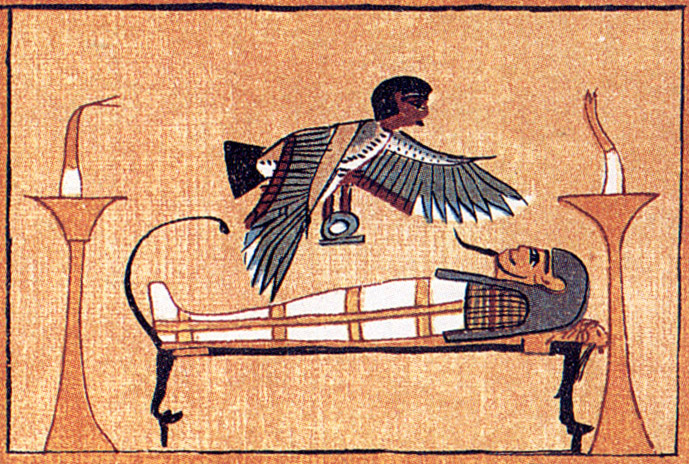 🇸🇪 Sweden and 1 moreSoul flight
A trance practice where the spirit leaves the body to visit other realmsRite · Healing · Seeing and foretelling Historical
🇸🇪 Sweden and 1 moreSoul flight
A trance practice where the spirit leaves the body to visit other realmsRite · Healing · Seeing and foretelling Historical
 🇹🇭 Thailand and 3 moreThai Buddha amuletsพระเครื่อง (phrakhrueang)
Sacred Buddhist images and relics worn for protection, merit, and fortune in Thailand.Charm · Protection · Luck and prosperity Living
🇹🇭 Thailand and 3 moreThai Buddha amuletsพระเครื่อง (phrakhrueang)
Sacred Buddhist images and relics worn for protection, merit, and fortune in Thailand.Charm · Protection · Luck and prosperity Living
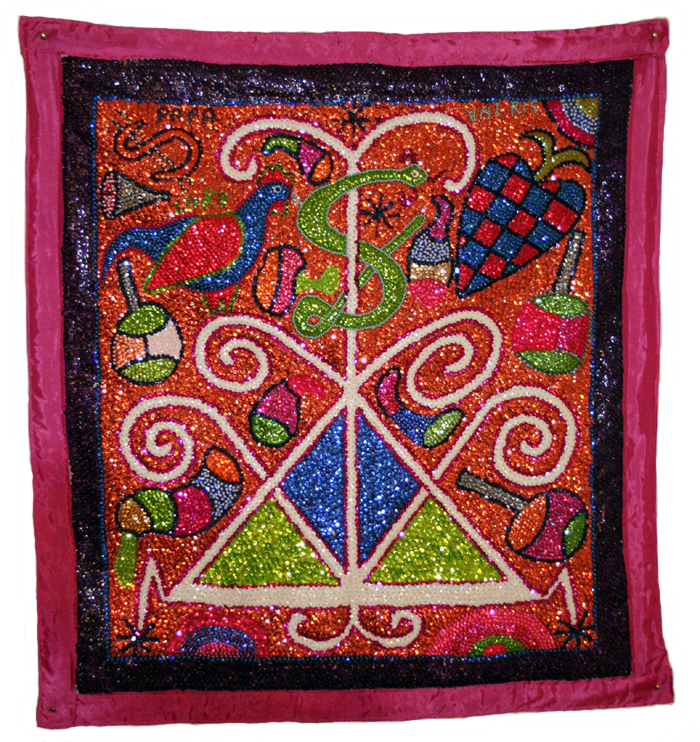 🇭🇹 Haiti and 2 moreHaitian VodouVodou
An Afro-Haitian religion blending West African traditions with Catholicism and FreemasonryTradition · Protection · Healing Living
🇭🇹 Haiti and 2 moreHaitian VodouVodou
An Afro-Haitian religion blending West African traditions with Catholicism and FreemasonryTradition · Protection · Healing Living