
Midsummer
In its own language: Jāņi; Joninės; Jaanipäev; Enyovden; Litha; Juhannus
From Old English midsumor, meaning the middle of the summer season.
A summer solstice festival marked by bonfires, maypole dancing, and feasting across Europe.
Midsummer is a seasonal celebration held near the longest day of the year in the Northern Hemisphere. It blends ancient solar observances with Christian feast days honoring Saint John the Baptist. Communities gather for outdoor rituals involving fire, plants, and communal feasting.
- Bonfires are lit on Saint John's Eve to ward off evil spirits.
- Maypole dancing is a common feature of Midsummer celebrations.
- June 24 is the traditional date for Saint John's Day.
- Green birch and fennel decorate homes during the festival.
- Midsummer is a public holiday in Estonia, Latvia, and Lithuania.
What it is
Midsummer marks the height of the summer season in the Northern Hemisphere. It occurs around the summer solstice, the longest day of the year. Historically, many European cultures viewed this time as the true middle of summer, counting from May Day. The celebration combines ancient solar traditions with Christian observances of Saint John the Baptist’s birth. People gather outdoors for feasting, singing, and dancing. The event serves as a communal anchor for seasonal change, blending agricultural rhythms with religious festivity.
Where it comes from
Evidence suggests summer solstice observances date back to the Neolithic era, with monuments aligned to the sun. In ancient Rome, the date was linked to the goddess Fors Fortuna. Early Christian authorities set June 24 as Saint John’s Day to counterbalance Christmas at the winter solstice. This theological pairing mirrored the belief that John must decrease as Jesus increases. Over centuries, local pagan customs merged with these church feast days, creating the modern Midsummer traditions seen across northern Europe.
How it is done
Celebrations typically involve lighting large bonfires on Saint John’s Eve. Participants often jump over the flames for purification or luck. Maypoles are erected and danced around in circles. Homes and doors are decorated with green birch, fennel, and wildflowers. Lamps are hung in windows or branches. Some communities hold processions or church services. In certain regions, people wash in rivers or visit holy springs for blessings. Feasting and drinking accompany these rituals throughout the night.
Tools and materials
Fire is central, often made from wood, bones, or straw. Ashes are sometimes scattered on fields for fertility. Greenery like birch, fennel, and St John’s Wort decorates homes. Maypoles serve as focal points for dance. Glass lamps with oil burn through the night. Flowers form garlands and wreaths. In Albania, burning chaff plumes are carried through fields. These materials symbolize regeneration, protection, and the abundance of the season.
Midsummer, drawn and placed
- Living
- Revived
- Fading
- Historical
- Legendary
- Performed
- Lineage
- European seasonal festivals and Christian liturgical calendar.
- Timing
- On or near the summer solstice, traditionally June 23 to 24.
What it is for
The festival aims to ensure good harvests and protect against evil spirits. Bonfires are believed to drive away dragons and witches. Bathing in rivers is thought to wash away future calamities. Throwing ashes on land promotes crop growth. The gathering strengthens community bonds and reconciles neighbors. It also honors the light of Saint John the Baptist. Families celebrate births and baptisms, linking new life to the season’s peak energy.
Who does it
Ordinary households and communities organize the main events. Local leaders or priests may oversee religious services. In some areas, specific groups manage the maypole or fire rituals. The celebration is inclusive, inviting neighbors and travelers. Young people often take active roles in dancing and fire lighting. In Sweden and Finland, the state recognizes it as a public holiday, integrating it into national identity. Neopagans may perform specialized rites based on reconstructed traditions.
Peoples and places
Midsummer is widely celebrated in Scandinavia, the Baltics, and parts of Central and Eastern Europe. Swedes and Finns treat it as a major national holiday. Estonians, Latvians, and Lithuanians observe it with traditional folk elements. Albanians mark it with mountain feasts and livestock rituals. Germanic and Celtic neopagans use terms like Litha or Alban Hefin. The custom spread to North America and Brazil through migration, though practices vary locally.
At a glance: who, where and when
Belief worlds
Occasions


What people believe
Christian theology views the festival as honoring John the Baptist, who prepared the way for Christ. The timing reflects the belief that his birth coincides with the sun’s peak before decreasing. Neopagans see it as a time of powerful natural magic and solar energy. Folk beliefs hold that herbs gathered on this night have special potency. Spirits and witches are thought to be active, requiring protective fires. The cycle of light and dark is central to the worldview expressed in the rituals.
When it is done
The main event falls on June 23 or 24, near the summer solstice. In Sweden and Finland, it is now held on the Friday and Saturday closest to June 24. Estonia, Latvia, and Lithuania keep June 24 as a fixed public holiday. In England, it was historically one of the quarter days. The vigil begins on Saint John’s Eve, lasting through the night. Some regions also mark related dates like May Day or autumn equinoxes with similar but distinct customs.
How scholars and sceptics see it
Historians note the fusion of pagan solstice rites with Christian feast days. Anthropologists study the social function of communal feasting and reconciliation. Researchers point out that pre-Christian Germanic celebrations of the solstice lack direct evidence. Scholars analyze how medieval texts describe fire rituals and their symbolic meanings. Modern studies examine the revival of neopagan practices and their connection to historical sources.
Cautions and what is closed
Large bonfires pose fire risks if not managed properly. Historical accounts mention injuries from rolling wheels or crowded gatherings. Some traditional practices involved animal sacrifice or blood rituals, which are now rare or banned. Fraudulent healers may exploit the season’s reputation for magic. Legal restrictions on open burning affect modern celebrations. The festival’s association with witchcraft has led to persecution in some historical contexts.
Compare and confuse
Midsummer is often confused with May Day, another spring/summer festival. It shares elements with Kupala Night in Slavic traditions. In the Southern Hemisphere, similar celebrations occur but at different times. Neopagan Litha differs from Christian Saint John’s Day in focus and ritual. The Roman festival of Fors Fortuna influenced early European customs. Different countries emphasize various aspects, from religious services to secular feasting.
Rites that involve Midsummer
Days linked to Midsummer
Questions people ask about Midsummer
What is Midsummer?
Midsummer is a seasonal festival celebrating the summer solstice in the Northern Hemisphere. It involves bonfires, maypole dancing, and feasting. The event blends ancient solar traditions with Christian observances of Saint John the Baptist's birth.
When is Midsummer celebrated?
It is held on or near the summer solstice, typically June 23 or 24. In Sweden and Finland, it falls on the Friday and Saturday closest to June 24. Estonia, Latvia, and Lithuania observe it on June 24 as a public holiday.
Why are bonfires important?
Bonfires symbolize the sun’s power and are believed to purify and protect. They are thought to drive away witches and evil spirits. Jumping over the flames is a ritual for health and luck. Ashes are sometimes scattered on fields for fertility.
Who celebrates Midsummer?
Communities in Sweden, Finland, the Baltics, and parts of Central Europe celebrate it. It is also observed by neopagans and in diaspora communities in North America and Brazil. Both Christians and secular groups participate in the festivities.
Good reading and sources
- Midsummer on WikipediaEncyclopedia
- More photos on Wikimedia CommonsPhotos and video
- Wikidata recordOpen data
The facts on this page come from the Wikipedia article "Midsummer", written by its contributors and used under the CC BY-SA 4.0 licence, and from its Wikidata record (CC0). EveryJaadu rewrote the text in its own words, with AI assistance, and compares every page with the article to make sure no passage is copied. It may be reused under the same CC BY-SA 4.0 licence with a link back.
It may contain mistakes. Names and customs differ from one community to the next, and some knowledge is closed to outsiders and left out here. This page describes belief and practice. It does not say that any of it works, it is not a how-to, and it is not medical advice. If something is wrong, tell us. Last refreshed 2026-10-05.
More from Sweden
All the entries from Sweden 🇮🇸 Iceland and 2 moreSeiðr
A Norse magic of fate and spirit, practiced by seers and sorcerers in the Viking Age.Tradition · Seeing and foretelling · Cursing and harm Revived
🇮🇸 Iceland and 2 moreSeiðr
A Norse magic of fate and spirit, practiced by seers and sorcerers in the Viking Age.Tradition · Seeing and foretelling · Cursing and harm Revived
 🇸🇪 Sweden and 1 moreSoul flight
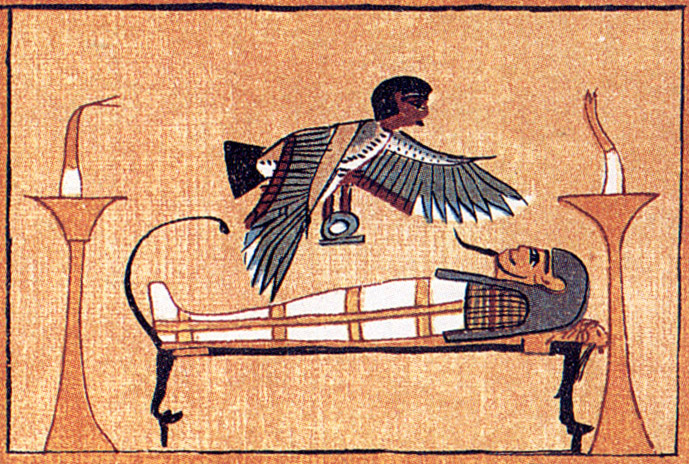
A trance practice where the spirit leaves the body to visit other realmsRite · Healing · Seeing and foretelling Historical
🇸🇪 Sweden and 1 moreSoul flight
A trance practice where the spirit leaves the body to visit other realmsRite · Healing · Seeing and foretelling Historical
 🇫🇷 France and 2 moreÉliphas Lévi
A French writer who shaped modern occult thought and ceremonial magic.Text · Power and authority · Speaking with spirits and the dead Historical
🇫🇷 France and 2 moreÉliphas Lévi
A French writer who shaped modern occult thought and ceremonial magic.Text · Power and authority · Speaking with spirits and the dead Historical
 🇪🇸 Spain and 5 moreSt John's Eve
A Christian vigil marked by bonfires and plant gathering on the summer solstice eveRite · Protection · Speaking with spirits and the dead Living
🇪🇸 Spain and 5 moreSt John's Eve
A Christian vigil marked by bonfires and plant gathering on the summer solstice eveRite · Protection · Speaking with spirits and the dead Living
Related elsewhere
All tradition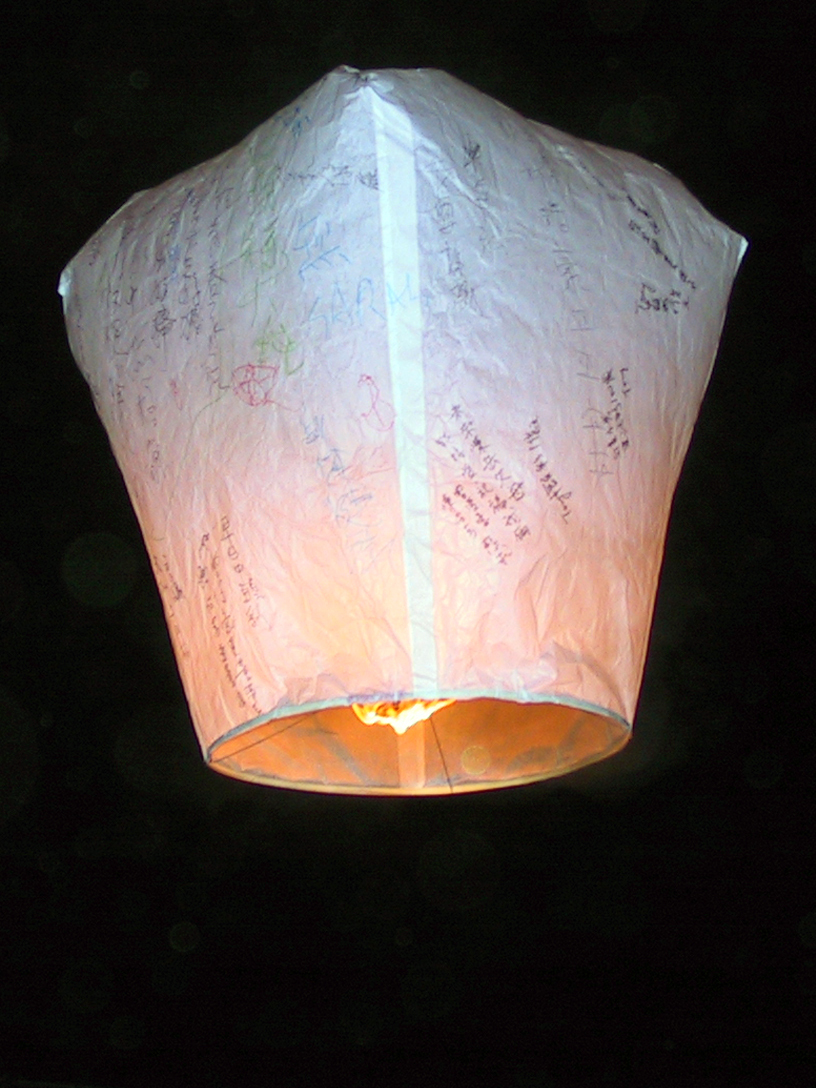 🇨🇳 China and 5 moreSky lantern天燈
A paper hot air balloon lifted by flame to carry wishes and blessingsRite · Luck and prosperity · Protection Living
🇨🇳 China and 5 moreSky lantern天燈
A paper hot air balloon lifted by flame to carry wishes and blessingsRite · Luck and prosperity · Protection Living
 🇹🇭 Thailand and 3 moreThai Buddha amuletsพระเครื่อง (phrakhrueang)
Sacred Buddhist images and relics worn for protection, merit, and fortune in Thailand.Charm · Protection · Luck and prosperity Living
🇳🇿 New ZealandKarakia
Māori recitations used for spiritual guidance, protection, and formal greetingsTradition · Protection · Speaking with spirits and the dead Living
🇨🇳 China and 4 moreKitchen God灶君
The Chinese hearth deity who reports domestic conduct to the Jade EmperorBeing · Protection · Luck and prosperity Living
🇹🇭 Thailand and 3 moreThai Buddha amuletsพระเครื่อง (phrakhrueang)
Sacred Buddhist images and relics worn for protection, merit, and fortune in Thailand.Charm · Protection · Luck and prosperity Living
🇳🇿 New ZealandKarakia
Māori recitations used for spiritual guidance, protection, and formal greetingsTradition · Protection · Speaking with spirits and the dead Living
🇨🇳 China and 4 moreKitchen God灶君
The Chinese hearth deity who reports domestic conduct to the Jade EmperorBeing · Protection · Luck and prosperity Living