
Rowan
In its own language: caorann
from Old Norse reynir, meaning 'to redden', referring to the berries
A Northern Hemisphere tree believed to ward off witches and protect travellers.
The rowan is a genus of trees and shrubs native to cool temperate regions of the Northern Hemisphere. In European folklore, it is widely known for its apotropaic power to repel malevolent beings, particularly witches. The tree holds significant status in Celtic, Norse, and Sami mythologies as a sacred or protective entity.
- Called the wayfarer's tree to prevent travellers from getting lost
- Planted near doors to ward off witches in Scottish folklore
- Sacred to Sami goddess Ravdna and Norse god Thor
- Berries must be cooked to remove toxic parasorbic acid
- Wood used for ritual threshing tools in the Highlands
What it is
The rowan is a small tree or shrub belonging to the rose family, found across the cool temperate zones of the Northern Hemisphere. It is most famous in European tradition as a guardian against evil spirits and witchcraft. People believe that carrying its wood or berries can shield them from harm. The tree is also called the wayfarer's tree because it is thought to keep travellers from losing their way on long journeys. Its bright red fruit and white flowers make it a distinctive presence in northern landscapes.
Where it comes from
The name rowan likely comes from an Old Norse word related to reddening, describing the colour of its berries. The Latin term sorbus shares this root, pointing to a deep Indo-European connection. In British dialects, it was once called quickbeam, linking it to life force, though later interpretations associated it with witches. The tree appears in ancient texts, including Welsh and Irish manuscripts, where it is tied to religious and mythological figures. Its widespread use in folklore suggests it was valued long before written records began.
How it is done
Practitioners plant rowan trees near gates or front doors to create a barrier against malicious entities. Carrying a piece of rowan wood or a cluster of berries is believed to offer personal protection while walking through dangerous areas. In some traditions, the wood is used to carve tools for ritual grain threshing, keeping the harvest pure. Travellers might hang a branch above their doorway or carry it in their pocket to ensure safe passage home.
Tools and materials
The primary materials are the tree's dense wood and its small, bright red pomes. The wood is hard and durable, often carved into handles or walking sticks that serve as both practical items and charms. The berries are collected for their colour and symbolic value. In some cultures, the wood is shaped into specific ritual objects, such as threshing boards, to maintain spiritual cleanliness during agricultural ceremonies.
Rowan, drawn and placed
- Living
- Revived
- Fading
- Historical
- Legendary
- Performed
- Lineage
- European folk magic
- Timing
- during journeys or at doorways
What it is for
The main intent is protection from supernatural harm, especially from witches and dark forces. It serves as a talisman for those who travel alone or through wild places. Some communities use it to preserve the sanctity of food preparation, ensuring that ritual grains remain uncontaminated. The tree is also linked to fertility and love in certain myths, where its fruit represents blood or life energy.
Who does it
Ordinary households and individual travellers use the rowan for daily protection. No special training is required to benefit from its perceived powers; it is a common folk practice rather than a priestly rite. In Scotland, clan badges included the rowan, indicating its importance to family identity. Women and men alike carried its parts, though taboos sometimes restricted who could handle the wood outside of berry gathering.
Peoples and places
The rowan is central to Celtic, Norse, and Sami traditions. In Scotland and Ireland, it is deeply embedded in place names and clan symbols. Norse mythology links it to Thor and Sif, calling it his salvation. The Sami goddess Ravdna considers its red berries holy. British folklore emphasizes its role in warding off witches, while Welsh texts associate it with the Cross of Christ. These diverse cultural ties show how the tree spans multiple belief systems across the north.
At a glance: who, where and when
Who does it
Belief worlds
Occasions


What people believe
The tree is seen as a living shield against malevolent spirits. Its red berries symbolize blood or vitality, giving it power over death and darkness. In Norse tales, it saved Thor from danger, reinforcing its status as a divine protector. Celtic lore connects it to the earth and ancestors, making it a bridge between the human and spirit worlds. The belief holds that evil cannot cross a threshold marked by rowan wood.
When it is done
Berries are gathered after the first frost to reduce bitterness and toxicity. The tree is planted or observed throughout the year, but its protective power is most invoked during journeys or when entering new homes. Ritual uses of its wood occur during harvest festivals, particularly when threshing grain for celebrations. The fruit ripens in late summer, marking a seasonal shift in folk practices.
How scholars and sceptics see it
Anthropologists view the rowan as a classic example of apotropaic magic, where objects are used to deflect harm. Historians note its presence in medieval texts and modern folk surveys, showing continuity in belief. Psychologists suggest that the tree provides comfort and a sense of control in uncertain environments. Skeptics attribute its reputation to coincidence and the psychological effect of carrying a familiar natural object.
Cautions and what is closed
Raw rowan berries contain parasorbic acid, which can cause indigestion and kidney damage if eaten without cooking. Heat treatment or freezing converts this acid into benign sorbic acid, making the fruit safe for jams and wines. Some Highland taboos forbade using any part of the tree except berries, unless for specific rituals. Violating these customs was believed to bring bad luck or spiritual imbalance.
Compare and confuse
The rowan is often confused with the true ash tree due to similar leaves, but they belong to different families. In North America, it is sometimes called mountain-ash, leading to further confusion with Fraxinus ornus. Unlike the hawthorn, which also protects against fairies, the rowan is specifically linked to witchcraft and thunder gods. Its name variations reflect regional differences in how communities interpret its power.
Questions people ask about Rowan
What is the rowan tree?
The rowan is a small tree or shrub native to cool temperate regions of the Northern Hemisphere. It is known for its bright red berries and white flowers, and it belongs to the rose family. In folklore, it is widely recognized as a protective plant against evil spirits.
Why is the rowan called the witch tree?
In British and Scottish folklore, the rowan is believed to have strong powers against witches. People planted it near gates or carried its wood to keep malicious entities away. This association made it a common symbol of protection in household magic.
Is the rowan tree poisonous?
Yes, raw rowan berries contain parasorbic acid, which can cause illness. However, cooking or freezing the fruit breaks down this acid, making it safe to eat. Traditionally, people boiled the berries to make jelly or wine, avoiding the risks of eating them fresh.
What is the rowan's role in Norse mythology?
In Norse myths, the rowan is called 'Thor's salvation' because the thunder god supposedly saved himself by clinging to it. The goddess Sif is also linked to the tree, and its red berries are considered holy in Sami tradition, connecting it to divine protection.
Good reading and sources
- Rowan on WikipediaEncyclopedia
- More photos on Wikimedia CommonsPhotos and video
- Wikidata recordOpen data
The facts on this page come from the Wikipedia article "Rowan", written by its contributors and used under the CC BY-SA 4.0 licence, and from its Wikidata record (CC0). EveryJaadu rewrote the text in its own words, with AI assistance, and compares every page with the article to make sure no passage is copied. It may be reused under the same CC BY-SA 4.0 licence with a link back.
It may contain mistakes. Names and customs differ from one community to the next, and some knowledge is closed to outsiders and left out here. This page describes belief and practice. It does not say that any of it works, it is not a how-to, and it is not medical advice. If something is wrong, tell us. Last refreshed 2026-10-05.
More from the United Kingdom
All the entries from the United Kingdom 🇬🇧 United Kingdom and 3 moreJet
A black gemstone carved into amulets and mourning jewellery for centuriesCharm · Protection · Luck and prosperity Historical
🇬🇧 United Kingdom and 3 moreJet
A black gemstone carved into amulets and mourning jewellery for centuriesCharm · Protection · Luck and prosperity Historical
 🇺🇦 Ukraine and 5 moreMugwortчорнобиль (chornóbyl')
An aromatic herb used in folk medicine, cooking, and magical protection across Eurasia.Substance · Protection · Healing Living
🇺🇦 Ukraine and 5 moreMugwortчорнобиль (chornóbyl')
An aromatic herb used in folk medicine, cooking, and magical protection across Eurasia.Substance · Protection · Healing Living
 🇬🇧 United Kingdom and 2 moreKing ArthurBrenin Arthur
A legendary British king and folk hero of medieval literature and Welsh mythologyFigure · Power and authority · Wonder and entertainment Legendary
🇬🇧 United Kingdom and 2 moreKing ArthurBrenin Arthur
A legendary British king and folk hero of medieval literature and Welsh mythologyFigure · Power and authority · Wonder and entertainment Legendary
 🇬🇧 United KingdomDeath knell
A church bell rung to announce a person's death and mark the funeral.Rite · Speaking with spirits and the dead Fading
🇬🇧 United KingdomDeath knell
A church bell rung to announce a person's death and mark the funeral.Rite · Speaking with spirits and the dead Fading
Related elsewhere
All substance 🇮🇳 India and 2 moreHomaहोम
A fire ritual found across Asian religions where offerings are burned as a votive exchange with the divine.Rite · Protection · Speaking with spirits and the dead Living
🇮🇳 India and 2 moreHomaहोम
A fire ritual found across Asian religions where offerings are burned as a votive exchange with the divine.Rite · Protection · Speaking with spirits and the dead Living
 🇲🇦 Morocco and 5 moreWild rueاسپند
A desert plant whose seeds hold psychoactive alkaloids and serve as incense in the Middle East.Substance · Protection · Speaking with spirits and the dead Living
🇲🇦 Morocco and 5 moreWild rueاسپند
A desert plant whose seeds hold psychoactive alkaloids and serve as incense in the Middle East.Substance · Protection · Speaking with spirits and the dead Living
 🇨🇳 China and 1 moreAncestor veneration in China中國傳統宗法性宗教
Rites for dead kin who are thought to watch over the familyTradition · Protection · Speaking with spirits and the dead Living
🇨🇳 China and 1 moreAncestor veneration in China中國傳統宗法性宗教
Rites for dead kin who are thought to watch over the familyTradition · Protection · Speaking with spirits and the dead Living
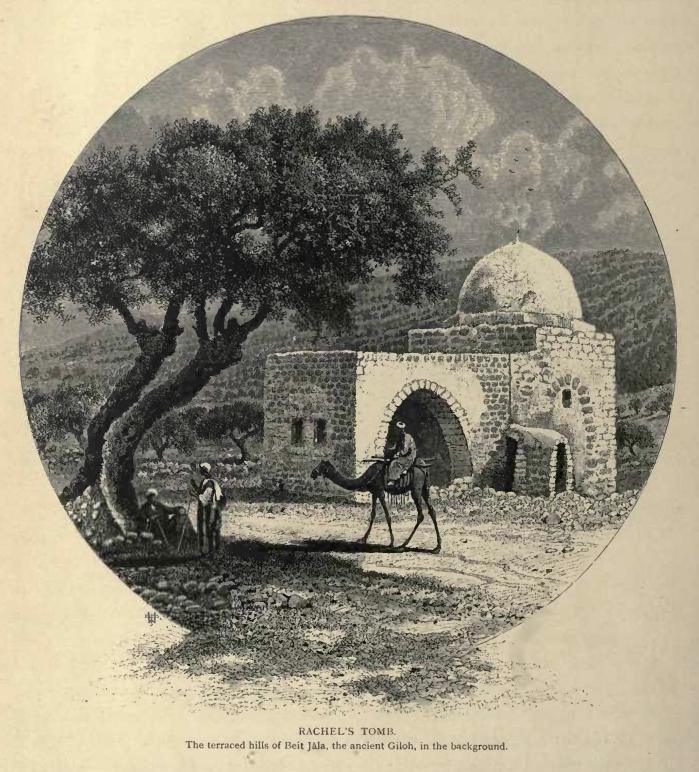 🇵🇸 Palestine and 1 moreRachel's TombQever Raḥel; Qabr Rāḥīl
A shared holy site near Bethlehem revered by Jews, Christians, and MuslimsTradition · Speaking with spirits and the dead · Protection Living
🇵🇸 Palestine and 1 moreRachel's TombQever Raḥel; Qabr Rāḥīl
A shared holy site near Bethlehem revered by Jews, Christians, and MuslimsTradition · Speaking with spirits and the dead · Protection Living