
Kavu
traditional name for sacred groves in Kerala
Sacred forest patches in South India that protect local deities and wildlife
A kavus is a traditional sacred grove found along the Malabar Coast of Kerala, India. These forest fragments are communally protected spaces that serve as habitats for local deities, including snake gods, and preserve regional biodiversity.
- Sarpa Kavus are dedicated to snake deities like Nagayakshis
- Theyyam ritual dances are performed in Kerala's kavus
- Over 1000 Devas kadus exist in Karnataka's Kodagu district
- Groves prevent soil erosion and recharge aquifers
- Parasurama legend explains the origin of Kerala's sacred forests
What it is
A kavus is a small, communally protected forest patch located primarily in Kerala, India. These areas function as sanctuaries for local spirits and deities, most notably snake gods like Nagayakshis. The groves are considered living entities that require reverence from the surrounding community. They act as ecological reservoirs, maintaining soil health and water sources for the region. The practice involves strict prohibitions against hunting or logging within the boundaries of the grove.
Where it comes from
Hindu mythology attributes the creation of Kerala to the sage Parasurama. According to legend, he cleared the land from the sea but was left with poisonous snakes. To resolve this, he worshipped snake deities who advised him to establish sacred forests for their habitation. This ritual established the Sarpa Kavus. Historical texts like Kalidasa's Vikramuurvashiiya also reference such groves, indicating an ancient tradition of forest conservation linked to religious belief.
How it is done
Communities maintain these groves through collective stewardship. Members take turns protecting the area from external exploitation. Rituals involve offerings at shrines dedicated to presiding deities. In Kerala, the Theyyam ritual dance is performed within these spaces to honor the spirits. Access is generally restricted to specific ceremonial occasions, ensuring the natural environment remains undisturbed by ordinary human activity.
Tools and materials
The primary tools are natural elements and religious icons. Shrines contain idols of deities such as Manasa, Anantha, and Vasuki. The groves themselves rely on perennial ponds and streams for water conservation. Litter from the forest enriches the soil, creating a self-sustaining ecosystem. Traditional practices include planting specific trees like tulasi or bilva, which are believed to bring spiritual merit.
Kavu, drawn and placed
- Living
- Revived
- Fading
- Historical
- Legendary
- Performed
- Lineage
- Indian sacred grove tradition
- Timing
- during special ceremonies and daily life
What it is for
These groves serve dual purposes: spiritual communion and environmental preservation. Devotees seek blessings for prosperity and protection from harm. Ecologically, they prevent soil erosion and provide habitat for rare flora and fauna. They act as refuges for species that have disappeared from surrounding agricultural lands. The practice ensures that water resources remain replenished for local communities.
Who does it
The Nambudiri Brahmins traditionally oversee rituals in Sarpa Kavus. However, all castes in Kerala hold these sites in reverence. In Karnataka, the Kodava martial community maintains over a thousand Deva kadus. Local villagers participate in the protection and maintenance of the groves. The role of the practitioner involves both religious observance and ecological stewardship.
Peoples and places
The tradition is strongest in Kerala and Karnataka, with significant presence in Himachal Pradesh and Rajasthan. Different communities use distinct names and practices. The Gurjars in Rajasthan plant neem trees as sacred abodes. The Khasi people in Meghalaya maintain kyntangs. Despite regional variations, the core concept of a protected forest fragment dedicated to a deity remains consistent across India.
At a glance: who, where and when
Peoples
Belief worlds
Occasions


What people believe
Hindu cosmology classifies forests into Tapovan, Mahavan, and Sreevan. Groves are seen as spaces where the divine resides, requiring respect and non-interference. Planting specific trees is believed to grant spiritual rewards and liberation. The belief system intertwines ecological conservation with religious duty, viewing nature as a manifestation of the sacred.
When it is done
Rites are performed during special ceremonies and festivals. The Theyyam dance occurs throughout the year in various villages. Daily reverence is shown by households near the groves. Seasonal changes affect the availability of water and resources, influencing the timing of certain rituals and harvests.
How scholars and sceptics see it
Researchers note that sacred groves act as biodiversity hotspots. Studies highlight their role in preserving genetic diversity and preventing desertification. Anthropologists observe that community-led protection is often more effective than state legislation.
Cautions and what is closed
Urbanization and resource over-exploitation threaten these groves. Invasive species like Lantana camara disrupt the native ecosystem. Some groves have been partially cleared for temple construction. The practice requires careful management to balance religious needs with environmental sustainability. Outsiders must respect access restrictions to avoid disturbing the sacred space.
Compare and confuse
Sacred groves are similar to Alpine Meadows in their protective function. They differ from general forests by their strict religious connotations. The term 'kavus' is specific to Kerala, while 'kyntang' refers to those in Meghalaya. All share the common trait of being communally managed religious sites.
Law and persecution
Federal legislation historically did not protect sacred groves. The Wild Life (Protection) Amendment Act, 2002 introduced community reserves, offering legal recognition. NGOs work with locals to enforce protection. Despite legal frameworks, enforcement remains challenging due to urban expansion and resource demands.
Today
Sacred groves continue to thrive in rural and urban landscapes. They serve as lungs for cities and refuges for wildlife. Diaspora communities maintain interest in these traditions. Commercialization poses a risk, but many groups actively preserve the original practices. The tradition adapts to modern conservation goals while retaining its spiritual core.
Rites that involve Kavu
Questions people ask about Kavu
What is a kavus?
A kavus is a sacred forest patch in Kerala, India, protected by the community for local deities and biodiversity.
Who protects these groves?
Local communities, including Nambudiri Brahmins and Kodavas, manage and protect these spaces through collective stewardship.
Why are they important?
They preserve rare species, maintain water sources, and serve as spiritual centers for Hindu rituals and festivals.
Are they open to everyone?
Access is often restricted to specific ceremonies. Ordinary entry is forbidden to maintain the sanctity and ecological balance.
Good reading and sources
- Kavu on WikipediaEncyclopedia
- More photos on Wikimedia CommonsPhotos and video
- Wikidata recordOpen data
The facts on this page come from the Wikipedia article "Kavu", written by its contributors and used under the CC BY-SA 4.0 licence, and from its Wikidata record (CC0). EveryJaadu rewrote the text in its own words, with AI assistance, and compares every page with the article to make sure no passage is copied. It may be reused under the same CC BY-SA 4.0 licence with a link back.
It may contain mistakes. Names and customs differ from one community to the next, and some knowledge is closed to outsiders and left out here. This page describes belief and practice. It does not say that any of it works, it is not a how-to, and it is not medical advice. If something is wrong, tell us. Last refreshed 2026-10-05.
More from India
All the entries from India 🇮🇳 IndiaChakraचक्र
Meditation points in the subtle body used in Hindu and Buddhist yogaTradition · Speaking with spirits and the dead · Change and initiation Living
🇮🇳 IndiaChakraचक्र
Meditation points in the subtle body used in Hindu and Buddhist yogaTradition · Speaking with spirits and the dead · Change and initiation Living
 🇮🇳 India and 1 moreYoginiयोगिनी
A female master of yoga and tantra, or a fierce goddess aspect in Indian temples.Tradition · Power and authority · Protection Historical
🇮🇳 India and 1 moreYoginiयोगिनी
A female master of yoga and tantra, or a fierce goddess aspect in Indian temples.Tradition · Power and authority · Protection Historical
 🇮🇳 IndiaKapalikaकापालिक
A medieval Indian Shaivite ascetic order known for wearing skulls and transgressive ritualsTradition · Power and authority Historical
🇮🇳 IndiaPashupata Shaivismपाशुपत
An early Hindu ascetic school focused on liberation through ritual and devotion to ShivaTradition · Cursing and harm · Power and authority Historical
🇮🇳 IndiaKapalikaकापालिक
A medieval Indian Shaivite ascetic order known for wearing skulls and transgressive ritualsTradition · Power and authority Historical
🇮🇳 IndiaPashupata Shaivismपाशुपत
An early Hindu ascetic school focused on liberation through ritual and devotion to ShivaTradition · Cursing and harm · Power and authority Historical
Related elsewhere
All tradition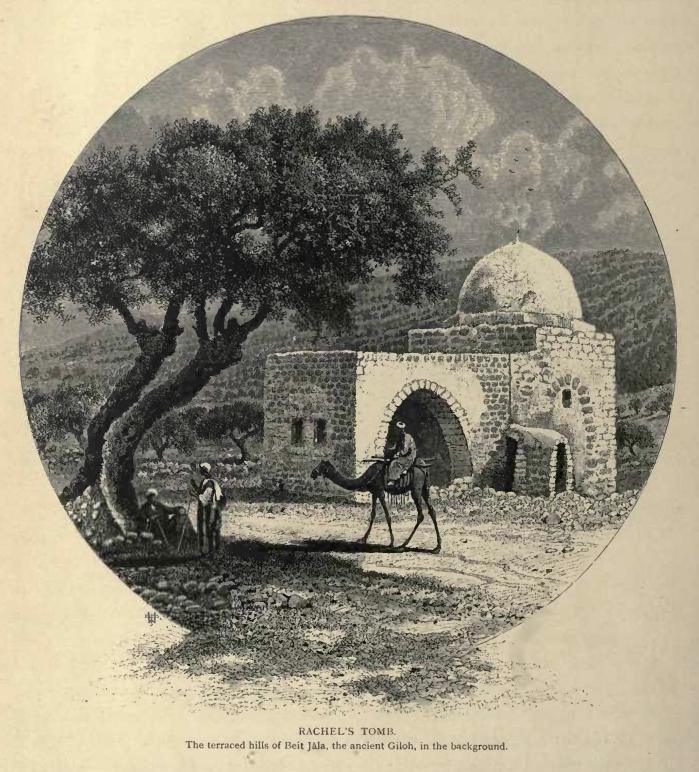 🇵🇸 Palestine and 1 moreRachel's TombQever Raḥel; Qabr Rāḥīl
A shared holy site near Bethlehem revered by Jews, Christians, and MuslimsTradition · Speaking with spirits and the dead · Protection Living
🇵🇸 Palestine and 1 moreRachel's TombQever Raḥel; Qabr Rāḥīl
A shared holy site near Bethlehem revered by Jews, Christians, and MuslimsTradition · Speaking with spirits and the dead · Protection Living
 🇨🇳 China and 1 moreAncestor veneration in China中國傳統宗法性宗教
Rites for dead kin who are thought to watch over the familyTradition · Protection · Speaking with spirits and the dead Living
🇨🇳 China and 1 moreAncestor veneration in China中國傳統宗法性宗教
Rites for dead kin who are thought to watch over the familyTradition · Protection · Speaking with spirits and the dead Living
 🇲🇦 Morocco and 5 moreWild rueاسپند
A desert plant whose seeds hold psychoactive alkaloids and serve as incense in the Middle East.Substance · Protection · Speaking with spirits and the dead Living
🇲🇦 Morocco and 5 moreWild rueاسپند
A desert plant whose seeds hold psychoactive alkaloids and serve as incense in the Middle East.Substance · Protection · Speaking with spirits and the dead Living
 🇪🇸 Spain and 5 moreSt John's Eve
A Christian vigil marked by bonfires and plant gathering on the summer solstice eveRite · Protection · Speaking with spirits and the dead Living
🇪🇸 Spain and 5 moreSt John's Eve
A Christian vigil marked by bonfires and plant gathering on the summer solstice eveRite · Protection · Speaking with spirits and the dead Living