Traditions and systems
Whole bodies of practice: Vodou, shamanism, hoodoo, Wicca, onmyodo, Ifa and the rest.
A tradition is a whole body of magical practice with its own teachers, vocabulary and rules, as distinct from a single charm or rite. Ifa in West Africa, Vodou in Haiti, Tibetan Buddhist ritual, Wicca in Britain and America, and Siberian shamanism are all traditions in this sense. Some are living religions, some are modern inventions, and some survive only in fragments. This page looks at how they differ and what each label hides. Each is described here in its own terms wherever the community has chosen to share them.
Who holds them
A tradition has keepers. In Ifa, a babalawo trains for years and memorises the verses of Odu. In Haitian Vodou, a houngan or mambo is initiated within a house and a lineage. Wicca, by contrast, grew from the writings of Gerald Gardner in the 1950s and spreads by books and covens. Access varies: some traditions are open, some require initiation, and some are closed to outsiders by the community's own rule.
Names that mislead
Outsiders have often given traditions names their keepers did not choose. Colonial officials and missionaries called African and Indigenous religions fetishism, witchcraft or devil worship. The word voodoo, borrowed from the Haitian religion, became a stock horror image, while practitioners say Vodou. Many people also reject the word magic for what they see as plain religion, worship of ancestors or medicine of the land. Some are written down in long poems or scriptures, while others are carried only in memory, song and apprenticeship, which affects how outsiders can study them.
How states treat them
Treatment ranges from protection to prohibition. Haiti recognised Vodou as a religion in 2003. Britain repealed its Witchcraft Act only in 1951. Several African and Pacific states still prosecute witchcraft accusations, and Saudi Arabia has executed people for sorcery. Many traditions were absorbed rather than banned: Santeria wore the faces of Catholic saints, and Taoist ritual was licensed by Chinese emperors. Recognition on paper does not end prejudice: a faith can be legal under a constitution and still be mocked, taxed or policed at local level.
Scholars and sceptics
Anthropologists such as Evans-Pritchard, who studied the Azande in the 1930s, described magic as a coherent system of explanation, not stupidity. Historians stress that boundaries between religion, magic and science were drawn by particular people for particular reasons. Sceptics point out that tests of efficacy have found no effect beyond expectation. Many tradition-bearers answer that the question misses what the practice is for. Folklorists add that traditions are always changing, with no pure original to return to, and that revival is itself a form of change.
Tradition on EveryJaadu
The entries written up so far, best known first.
 🇮🇳 India and 3 moreTantraतन्त्र
Esoteric Hindu and Buddhist paths of mantra, ritual and yoga from first-millennium IndiaTradition · Power and authority · Change and initiation Living
 🇲🇲 MyanmarNatနတ်
Spirits venerated in Myanmar alongside Buddhism, including deified humans and nature guardians.Tradition · Protection · Speaking with spirits and the dead Living
 🇧🇴 Bolivia and 2 moreYatiri
A lightning-struck healer in Aymara communities who restores balance with nature and ancestorsTradition · Healing · Speaking with spirits and the dead Living
 🇬🇹 Guatemala and 1 moreTzolkʼinAj Ilabal Qʼij
A 260-day cycle used by the Maya for divination and ritual timingTradition · Seeing and foretelling · Luck and prosperity Living
 🇪🇹 Ethiopia and 5 moreZārزار (Arabic), ዛር (Ge'ez)
A spirit possession tradition and healing ritual in the Horn of Africa and Middle EastTradition · Healing · Speaking with spirits and the dead Living
 🇧🇯 Benin and 5 moreVodun art
Religious sculpture and temple painting from West African Vodun traditionsTradition · Protection · Speaking with spirits and the dead Living
🇬🇭 Ghana and 1 moreAkan religionAkom
Traditional beliefs of the Akan people, centered on a distant creator and nature spirits.Tradition · Protection · Healing Living
 🇲🇽 Mexico and 5 moreDay of the DeadDía de los Muertos
A Mexican holiday honoring the dead with altars, food, and humor during Allhallowtide.Tradition · Speaking with spirits and the dead · Luck and prosperity Living
 🇲🇽 Mexico and 5 moreFolk Catholicism
Local religious customs that blend official Church teaching with indigenous or regional traditions.Tradition · Protection · Healing Living
 🇨🇳 China and 2 moreDiyu地獄
The underworld realm of trial, atonement, and rebirth in Chinese mythologyBelief · Cleansing and purification · Change and initiation Living
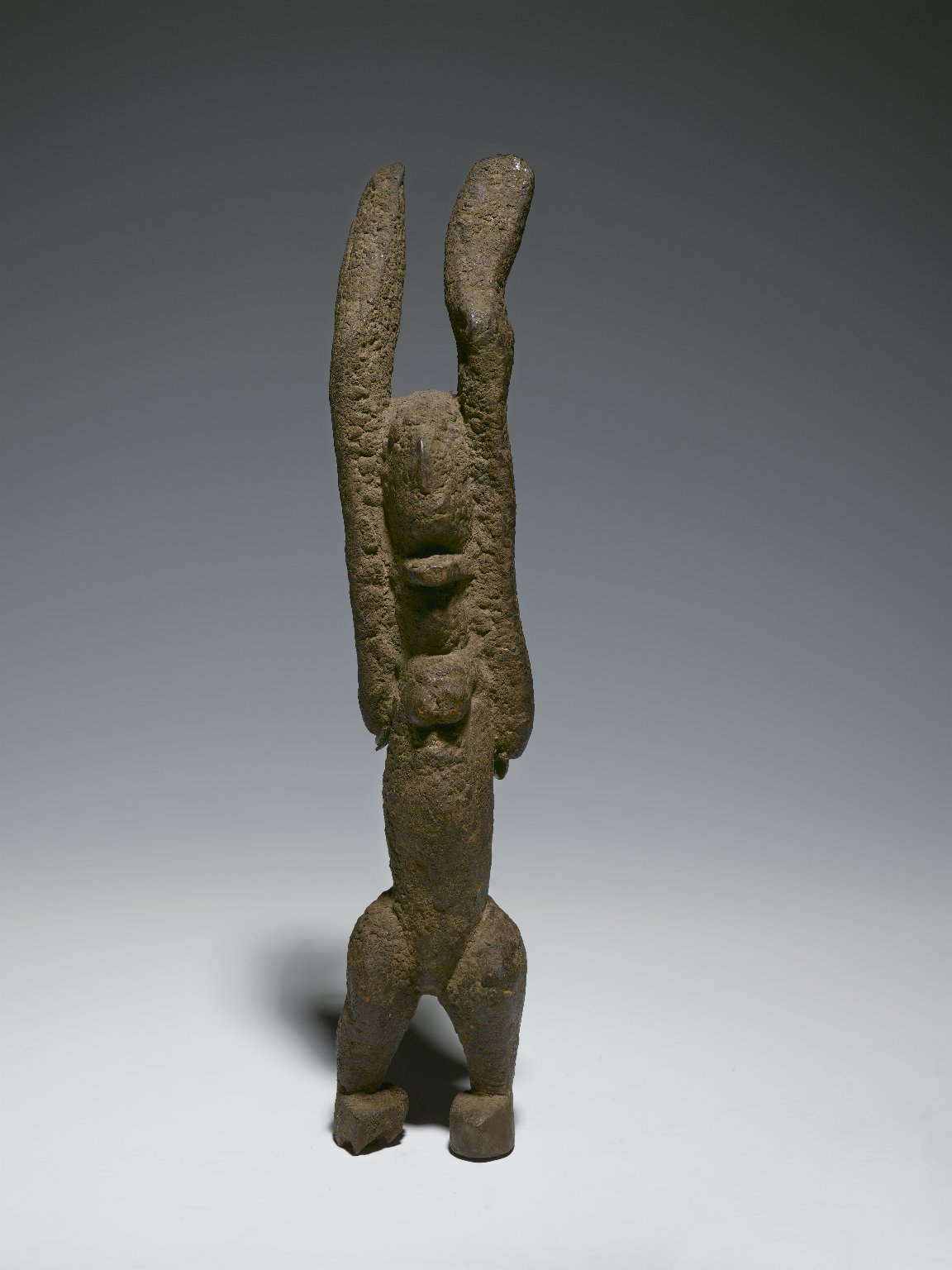 🇲🇱 MaliDogon religion
The traditional spiritual beliefs of the Dogon people of MaliTradition · Protection · Speaking with spirits and the dead Living
 🇨🇺 Cuba and 5 morePalo
An Afro-Cuban religion centered on spirit vessels and ancestral powerTradition · Healing · Cursing and harm Living
🇯🇵 JapanYutaユタ
Okinawan folk shamans who guide families through spirits and fortune-tellingTradition · Protection · Healing Living
 🇨🇳 China and 5 moreChinese fortune telling算命 (Suànmìng)
Reading faces, palms, birth hours and places to map a person's luck through lifeTradition · Seeing and foretelling · Luck and prosperity Living
 🇮🇪 IrelandIrish folklorebéaloideas
The oral traditions, myths and customs of IrelandTradition · Wonder and entertainment Living
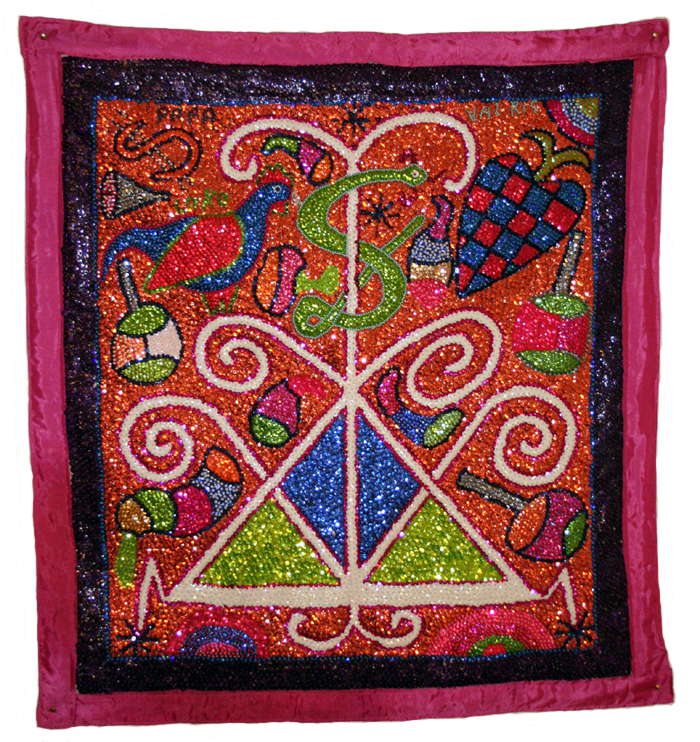 🇭🇹 Haiti and 2 moreHaitian VodouVodou
An Afro-Haitian religion blending West African traditions with Catholicism and FreemasonryTradition · Protection · Healing Living
 🇸🇳 Senegal and 5 moreMaraboutmurābiṭ
A Muslim religious leader and teacher in West Africa, often linked to Sufi brotherhoods.Tradition · Protection · Speaking with spirits and the dead Living
 🇨🇳 China and 5 moreQingming Festival清明节
A spring day for sweeping graves, feeding the dead and honouring ancestorsTradition · Speaking with spirits and the dead · Protection Living
 🇮🇳 IndiaKamakhya Templekamakhya mondir
A Hindu temple in Assam known for its yoni shrine and the Ambubachi Mela festivalTradition · Protection · Healing Living
 🇻🇳 VietnamĐạo Mẫu
A Vietnamese shamanic tradition honouring mother goddesses through ritual performance.Tradition · Speaking with spirits and the dead · Power and authority Living
 🇷🇺 Russia and 4 moreFolk Orthodoxyнародное православие
A blend of Eastern Orthodox doctrine and pre-Christian pagan beliefs in Slavic communitiesTradition · Protection · Luck and prosperity Living
 🇯🇵 JapanShugendō修験道
A Japanese mountain ascetic path blending Esoteric Buddhism, Shinto, and folk ritualsTradition · Protection · Healing Living
 🇨🇦 Canada and 1 moreTotemdoodem
A spirit or symbol linking a group to nature, from Ojibwe clan systems to Australian kinshipBelief · Speaking with spirits and the dead · Power and authority Living
🇫🇷 France and 4 moreRéveillon
A long Christmas or New Year's Eve dinner held to stay awake until morningTradition · Luck and prosperity · Wonder and entertainment Living
 🇬🇭 GhanaWitchcraft in Ghana
Beliefs about harmful magic and the social responses to accusations of witchcraft in Ghana.Belief · Cursing and harm Living
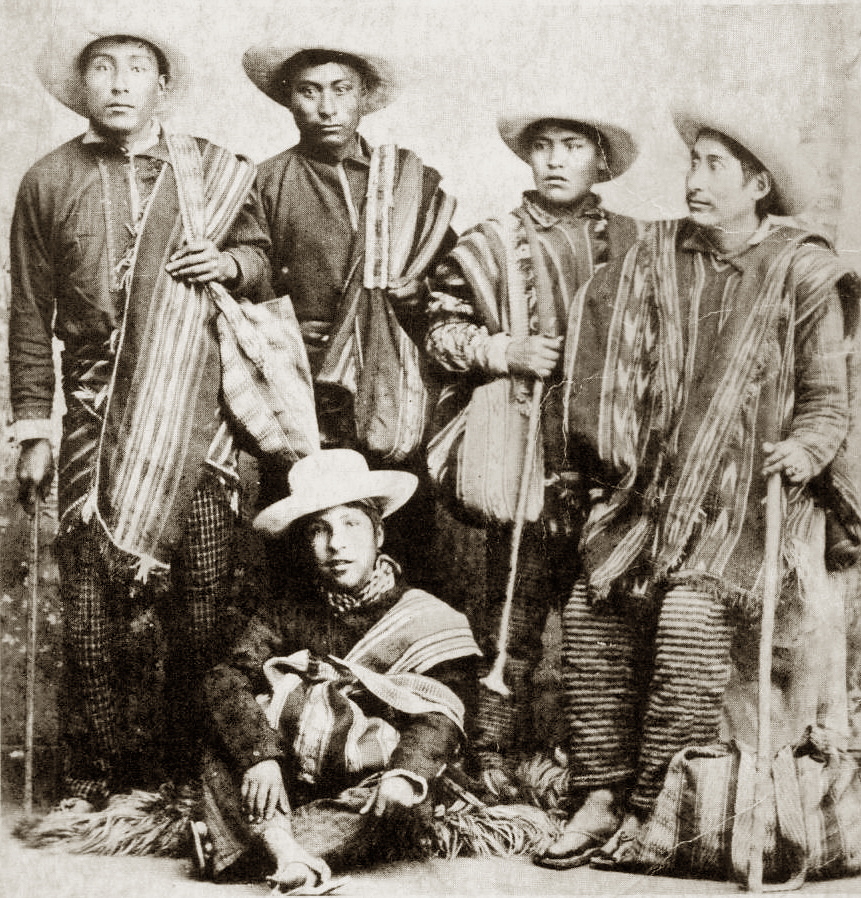 🇧🇴 Bolivia and 5 moreKallawaya
An itinerant group of traditional Andean healers known for their medicinal plant knowledge and ritual practicesTradition · Healing · Protection Living
 🇮🇳 India and 5 moreSnake worship
Veneration of serpents as divine or ancestral beings across global culturesTradition · Protection · Healing Living
 🇧🇷 Brazil and 2 moreCandomblé
An Afro-Brazilian religion blending West African spirits with Catholic imageryTradition · Speaking with spirits and the dead · Healing Living
🇵🇪 PeruVegetalismo
A Peruvian Amazon healing tradition rooted in plant spirits and ayahuasca ceremoniesTradition · Healing · Protection Living
 🇧🇴 Bolivia and 1 moreEkekoIqiqu
An Andean deity of abundance and prosperity, central to the Alasitas festival.Being · Luck and prosperity · Power and authority Living
 🇹🇬 TogoAkodessawa Fetish MarketMarché des Féticheurs
A market in Togo selling ritual objects for Vodún practiceTradition · Power and authority · Healing Living
 🇩🇪 Germany and 5 moreMaypoleMaibaum
A tall wooden pole raised for European spring festivals, accompanied by dance and celebration.Tradition · Luck and prosperity · Love and attraction Living
 🇮🇩 IndonesiaNyepiᬜᬾᬧᬶ
A Balinese Hindu holiday of total silence, fasting, and darkness marking the new year.Tradition · Cleansing and purification · Speaking with spirits and the dead Living
 🇮🇸 Iceland and 2 moreYulejól
A Germanic midwinter festival merged with Christmas and revived by modern pagansTradition · Luck and prosperity · Speaking with spirits and the dead Living
 🇮🇱 Israel and 2 moreLag BaOmerלַ״ג בָּעוֹמֶר
A Jewish holiday marking the end of a mourning period with bonfires and outdoor playTradition · Speaking with spirits and the dead · Wonder and entertainment Living
 🇹🇭 Thailand and 7 moreSpirit house
A small shrine found across Southeast Asia to appease local protective spiritsTradition · Protection · Speaking with spirits and the dead Living
 🇬🇷 Greece and 5 morePrayer beads
Beaded strands used across religions to track the number of recited prayers or chants.Tradition · Speaking with spirits and the dead · Power and authority Living
 🇮🇪 Ireland and 4 moreWinter solstice
The shortest day and longest night of the year, marked by rites of solar returnTradition · Seeing and foretelling · Protection Living
 🇲🇬 Madagascar and 4 moreGeomancy
A cross-cultural system of divination using earth, sand, and landforms to read the future or align spaces.Oracle · Seeing and foretelling · Power and authority Living
 🇧🇯 Benin and 3 moreZangbeto
A masked night-guardian tradition among the Ogu people of West AfricaTradition · Protection · Cursing and harm Living
 🇰🇷 South Korea and 1 moreDaeboreum대보름
A Korean lunar holiday marking the first full moon with nut-cracking and field firesTradition · Protection · Luck and prosperity Living
 🇬🇷 Greece and 5 moreCrossroads (folklore)
A junction between worlds where spirits are met and deals are madeBelief · Speaking with spirits and the dead · Cursing and harm Living
 🇮🇳 India and 1 morePitru Pakshaपितृ पक्ष
A sixteen-day Hindu period for honoring ancestors through food offerings and death ritesTradition · Speaking with spirits and the dead · Luck and prosperity Living
 🇮🇳 India and 1 moreNakshatraनक्षत्रम् (Nakṣatram)
A system of lunar mansions used in Hindu and Buddhist astrology to map the sky.Tradition · Seeing and foretelling · Luck and prosperity Living
 🇳🇬 Nigeria and 5 moreIfá
A Yoruba divination system using palm nuts or chains to consult OrunmilaTradition · Seeing and foretelling · Speaking with spirits and the dead Living
 🇯🇵 Japan and 1 moreAinu religion
The animist spiritual beliefs and ritual practices of the Ainu people of Japan and RussiaTradition · Protection · Speaking with spirits and the dead Living
 🇳🇿 New Zealand and 5 moreFace tattoo
Marks inked on the face for spiritual protection, identity, rank, and rite of passageTradition · Protection · Power and authority Living
 🇮🇳 India and 1 moreAghoriअघोर
An ascetic monastic order of Shaivite sadhus known for antinomian rituals in cremation groundsTradition · Healing · Change and initiation Living
Photo credits on this page
The small pictures above come from Wikimedia Commons under free licences. Some are cropped to fit.
- Haitian Vodou drumming: Calvin Hennick, for WBUR Boston, CC BY 3.0, source
- Maypole: Uploaded by Mikael Häggström, CC0, source
- Crossroads (folklore): MiddleOfAfrica, CC BY-SA 4.0, source
- Tantra: Ms Sarah Welch, CC BY-SA 4.0, source
- Yatiri: EEJCC, CC BY-SA 4.0, source
- Vodun art: Fraipont, Gustave (1849-1923), Public domain, source
- Đạo Mẫu: Vũ Tiến Lâm, CC BY-SA 4.0, source
- Qingming Festival: Jacklee ., CC BY-SA 3.0, source
- Shugendō: 唐山健志郎 (Kenshiro Karayama), CC BY-SA 3.0, source
- Snake worship: Alexandermcnabb, CC BY-SA 4.0, source
- Akodessawa Fetish Market: Alexander Sarlay, CC BY-SA 4.0, source
- Winter solstice: Image by Przemyslaw " Blueshade " Idzkiewicz, CC BY-SA 2.0, source
- Nat: Emily Khine, CC BY-SA 4.0, source
- Tzolkʼin: Lacambalam, CC BY-SA 4.0, source
- Zār: Emad Nemati, CC BY-SA 4.0, source
- Day of the Dead: RubeHM, CC BY-SA 4.0, source
- Diyu: ScribblingGeek, CC BY-SA 4.0, source
- Dogon religion: Unknown author, CC BY 3.0, source
- Palo: Burkhard Mücke, CC BY-SA 4.0, source
- Irish folklore: Unknown author, Public domain, source
- Haitian Vodou: Sam Fentress, CC BY-SA 2.0, source
- Marabout: Jan Broekhuijse, CC BY-SA 3.0, source
- Kamakhya Temple: JyotiPN, CC BY-SA 4.0, source
- Folk Orthodoxy: Лобачев Владимир, CC BY-SA 4.0, source
- Totem: Jami430, CC BY-SA 4.0, source
- Kallawaya: Unknown author, Public domain, source
- Witchcraft in Ghana: SALTN, CC BY-SA 4.0, source
- Candomblé: André Koehne, CC BY-SA 3.0, source
- Ekeko: Ciudades, CC BY-SA 4.0, source
- Nyepi: Matt Croxson, Public domain, source
- Yule: Robert Chambers, Public domain, source
- Lag BaOmer: Yoninah, CC BY-SA 3.0, source
- Prayer beads: ja:利用者:pack372sd, CC BY-SA 3.0, source
- Spirit house: Chainwit., CC BY-SA 4.0, source
- Geomancy: Jacopo188, CC BY-SA 3.0, source
- Zangbeto: Grete Howard, CC BY 3.0, source
- Daeboreum: hojusaram, CC BY-SA 2.0, source
- Ifá: Toluaye, Public domain, source
- Ainu religion: Unknown author, Public domain, source
- Face tattoo: Gottfried Lindauer, Public domain, source
- Aghori: Retratistadelsur, CC BY-SA 4.0, source
- Chinese fortune telling: Lai Afong, Public domain, source
- Nakshatra: Kishorekumar 62, CC BY-SA 3.0, source
- Pitru Paksha: Firoz Shakir, CC BY-SA 3.0, source