
Folk Orthodoxy
In its own language: народное православие
from Russian narodnoe pravoslavie, meaning folk or popular orthodoxy
A blend of Eastern Orthodox doctrine and pre-Christian pagan beliefs in Slavic communities
Folk orthodoxy is a syncretic form of folk Christianity found in Eastern Orthodox regions. It mixes Christian rituals with older pagan customs, often coordinating religious feasts with agricultural cycles.
- Term dvoeverie means dual faith in Russian
- Blends Eastern Orthodox rites with pagan customs
- Strongest in Russia, Serbia, and Bulgaria
- Trinity sometimes viewed as Mother of God
- Scholars debate if pagan roots are real or imagined
What it is
Folk orthodoxy represents a living tradition where Eastern Orthodox Christian practices merge with older pagan beliefs. It is not a separate religion but a cultural layer within Orthodox communities. Peasants and rural populations adapted Christian rituals to fit their existing worldview. This blend allows for the coexistence of church doctrine and pre-Christian observances. The boundary between official church teaching and folk practice is often unclear. Religious institutions may view these folk elements as superstition. However, practitioners see them as part of their spiritual life. The tradition includes specific ways of understanding God, saints, and holy days.
Where it comes from
The tradition emerged from the spread of Christianity into Slavic lands. Early church leaders opposed pagan customs, leading to a concept called dual faith. This term described the conflict between pagan and Christian systems. Over time, these systems blended rather than fighting. Church fathers in the Roman Empire denounced pagan remnants. In Russia, Byzantine Christianity absorbed Slavic pagan beliefs. This process created a unique religious-celebrity complex. The term dvoeverie appeared in the Middle Ages to criticize those who held both beliefs. Later scholars suggested the term troeverie to include non-canonical Byzantine culture.
How it is done
Practitioners observe Christian feast days alongside agricultural events. Rituals often involve lighting candles, praying to icons, and performing seasonal ceremonies. Some customs involve offerings or sacrifices that have pagan roots. People may pray to fire or deify natural objects like garlic. Green week songs mix Christian themes with ancient Slavic imagery. The Trinity is sometimes perceived through the lens of the Mother of God. These practices are passed down through oral tradition and family custom. They are performed in homes and fields without strict clerical oversight.
Tools and materials
Icons play a central role, though some mixed-hypostatic images were banned by the church. Feast days mark the calendar, linking religious events to farming cycles. Natural elements like fire, water, and plants are used in rituals. Specific songs and oral poetry preserve the blended mythology. Icons of the Trinity help visualize the divine in familiar terms. Agricultural tools and harvest produce are often blessed or incorporated into rites.
Folk Orthodoxy, drawn and placed
- Living
- Revived
- Fading
- Historical
- Legendary
- Performed
- Lineage
- Eastern Orthodox Christianity and Slavic paganism
- Timing
- during agricultural cycles and Christian festivals
What it is for
The tradition aims to protect the household and ensure a good harvest. It seeks to commune with ancestors and nature spirits. Practitioners believe it brings luck and maintains balance with the world. It provides comfort by blending known pagan concepts with Christian promises. People use it to navigate daily life and seasonal changes. It offers a sense of continuity with the past while adhering to the dominant religion.
Who does it
Rural peasants and household members are the primary practitioners. Training occurs through observation and participation in family rituals. There is no formal clergy required for folk practices. Both men and women engage in these customs. Status is determined by knowledge of local traditions and songs. Elders often guide younger generations in these practices.
Peoples and places
The tradition is strongest in Russia, Serbia, Bulgaria, Belarus, and Ukraine. Each region has its own variations based on local history. Slavic peoples integrated these beliefs differently than other groups. Finno-Ugric and Baltic influences also shaped the practice in border areas. Urban dwellers adopted Christian identity earlier than peasants. The tradition persists in rural areas where oral culture remains strong.
At a glance: who, where and when
Who does it
Peoples
Belief worlds


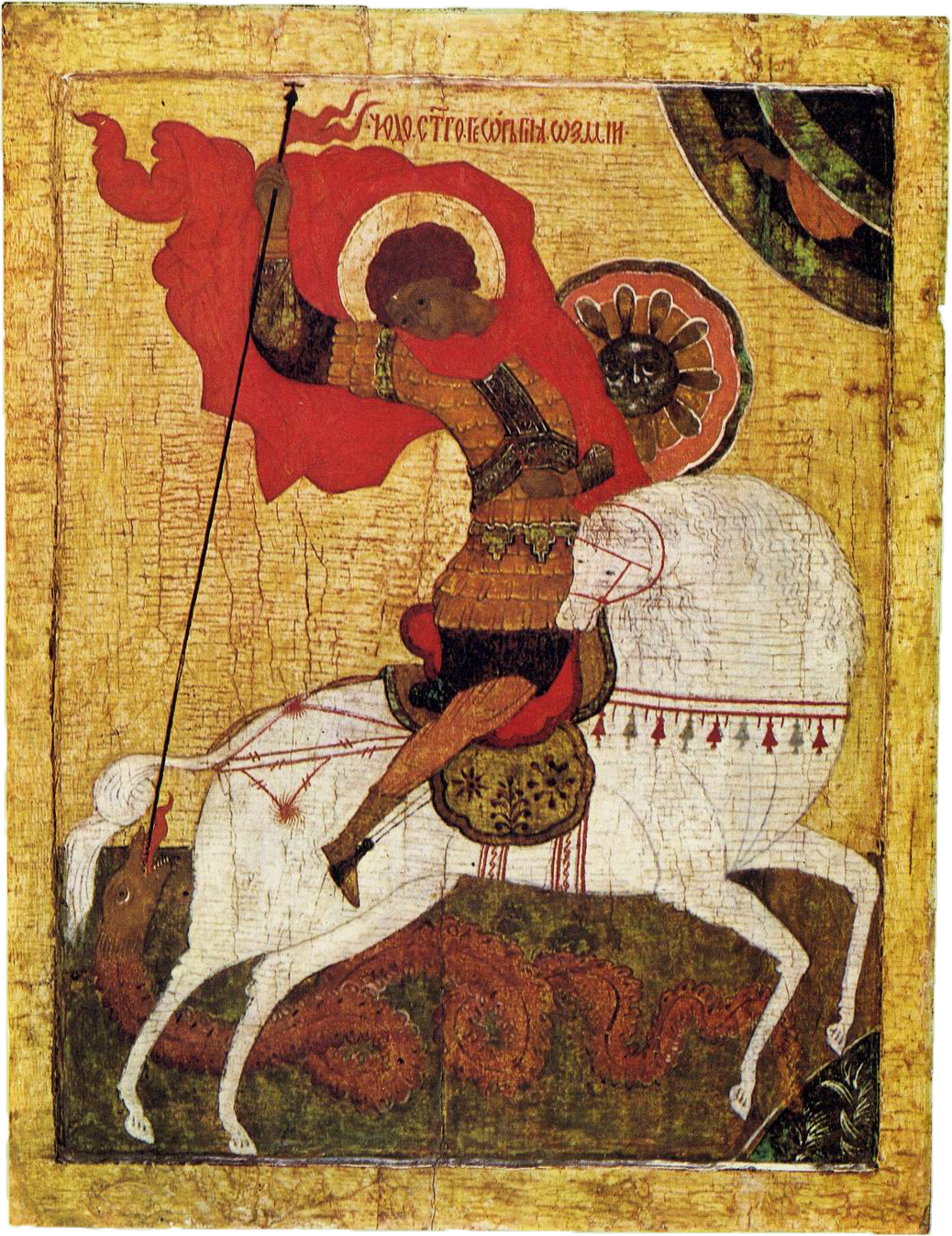
What people believe
Believers hold that God is one but perceive the Trinity in three persons. The Father is seen as a paternal figure, the Son as Jesus Christ. The Holy Spirit is often understood vaguely. Some perceive the Trinity as the Mother of God. Pagan gods like Peruna and Mokosh are remembered in folklore. Fairies and spirits are believed to inhabit the natural world. The worldview combines Christian dogma with animistic respect for nature.
When it is done
Feast days align with the agricultural cycle. Green week coincides with Pentecost and ancient Slavic spring festivals. All Souls' Day and Halloween commemorate ancestors. Carnival preserves pre-Lenten pagan customs. Daily life is marked by prayers and small rituals tied to seasons. Birth, marriage, and death are celebrated with blended rites.
How scholars and sceptics see it
Historians debate the extent of pagan influence. Some argue that folk orthodoxy is largely Christian in origin. Others see it as a genuine survival of pre-Christian beliefs. Scholars note that 'archaism' is often a scientific illusion. Colonial anthropology may have constructed the idea of an alien pagan past. Researchers suggest that many customs had literary or secular origins. The term dual faith is criticized for oversimplifying the reality.
Cautions and what is closed
Religious institutions often condemn folk practices as superstition. Accusations of witchcraft or paganism can lead to social stigma. There is no physical danger, but social consequences exist. Outsiders may misinterpret these practices as primitive. The closed nature of some traditions limits outside understanding.
Compare and confuse
Folk orthodoxy is similar to Folk Catholicism in Western Europe. It shares features with other forms of folk religion. The concept of dual faith is unique to Slavic studies. Other cultures have syncretic blends but use different terms. Halloween and Carnival are shared European traditions with pagan roots.
Law and persecution
The Russian Orthodox Church officially bans certain folk icons. Legal status varies by country. In some places, folk practices are tolerated. In others, they are suppressed by state or church authorities. There are no specific laws protecting folk orthodoxy as a distinct entity.
Questions people ask about Folk Orthodoxy
What is folk orthodoxy?
It is a syncretic tradition in Eastern Orthodox communities that mixes Christian doctrine with pre-Christian pagan beliefs. It is common in Russia and other Slavic countries.
Where did the term dual faith come from?
The term dvoeverie appeared in the Middle Ages. It described the conflict between pagan and Christian systems in early Christianity.
How do people understand the Trinity in this tradition?
Peasants often see the Trinity as three separate persons. Some perceive it through the image of the Mother of God, blending Christian dogma with pagan concepts.
Is it considered a separate religion?
No, it is a subgroup of folk Christianity. It exists within Orthodox communities as a cultural layer rather than a distinct faith.
Good reading and sources
The facts on this page come from the Wikipedia article "Folk Orthodoxy", written by its contributors and used under the CC BY-SA 4.0 licence, and from its Wikidata record (CC0). EveryJaadu rewrote the text in its own words, with AI assistance, and compares every page with the article to make sure no passage is copied. It may be reused under the same CC BY-SA 4.0 licence with a link back.
It may contain mistakes. Names and customs differ from one community to the next, and some knowledge is closed to outsiders and left out here. This page describes belief and practice. It does not say that any of it works, it is not a how-to, and it is not medical advice. If something is wrong, tell us. Last refreshed 2026-10-05.
More from Russia
All the entries from Russia 🇷🇺 Russia and 2 moreCaul
A birth membrane kept as a talisman for luck and protection from drowningCharm · Protection · Luck and prosperity Historical
🇷🇺 RussiaSlavic folklore
The traditional beliefs and stories of the Slavic peoplesTradition Living
🇷🇺 Russia and 2 moreCaul
A birth membrane kept as a talisman for luck and protection from drowningCharm · Protection · Luck and prosperity Historical
🇷🇺 RussiaSlavic folklore
The traditional beliefs and stories of the Slavic peoplesTradition Living
 🇷🇺 RussiaBlack magic
Magic traditionally defined by malevolent intent and selfish purposesBelief · Cursing and harm Historical
🇷🇺 RussiaBlack magic
Magic traditionally defined by malevolent intent and selfish purposesBelief · Cursing and harm Historical
 🇷🇺 Russia and 4 moreLady MiddayPoludnitsa
A Slavic noon spirit who watches over fields and punishes those who work during the hottest hours.Being · Cursing and harm · Protection Historical
🇷🇺 Russia and 4 moreLady MiddayPoludnitsa
A Slavic noon spirit who watches over fields and punishes those who work during the hottest hours.Being · Cursing and harm · Protection Historical
Related elsewhere
All tradition 🇹🇭 Thailand and 3 moreThai Buddha amuletsพระเครื่อง (phrakhrueang)
Sacred Buddhist images and relics worn for protection, merit, and fortune in Thailand.Charm · Protection · Luck and prosperity Living
🇳🇿 New ZealandKarakia
Māori recitations used for spiritual guidance, protection, and formal greetingsTradition · Protection · Speaking with spirits and the dead Living
🇹🇭 Thailand and 3 moreThai Buddha amuletsพระเครื่อง (phrakhrueang)
Sacred Buddhist images and relics worn for protection, merit, and fortune in Thailand.Charm · Protection · Luck and prosperity Living
🇳🇿 New ZealandKarakia
Māori recitations used for spiritual guidance, protection, and formal greetingsTradition · Protection · Speaking with spirits and the dead Living
 🇮🇳 India and 1 moreNavagrahaनवग्रह
A group of nine celestial deities in Hinduism that govern fate and astrologyTradition · Protection · Luck and prosperity Living
🇮🇳 India and 1 moreNavagrahaनवग्रह
A group of nine celestial deities in Hinduism that govern fate and astrologyTradition · Protection · Luck and prosperity Living