
Zangbeto
from Gun words for night and person
A masked night-guardian tradition among the Ogu people of West Africa
Zangbeto are masked guardians in the Vodún tradition of the Ogu people across Benin, Togo, and Nigeria. They serve as an informal security force that patrols at night to protect communities from crime and spiritual harm.
- Zangbeto means night-watchmen in the Gun language
- Costumes are made from dyed raffia or hay strands
- Tradition operates as an unofficial police force
- Festivals are held in Porto-Novo and Ajido
- Touching the costume was historically punishable by death
What it is
The Zangbeto represents a specialized form of community protection within the cultural framework of the Ogu people. This tradition functions as an unofficial police body responsible for maintaining order and safety. Members patrol their settlements after dark to identify thieves, track criminals, and deter witches. The practice is deeply rooted in local history, originally designed to intimidate enemies. Today, it remains a vital part of social structure in several West African nations.
Where it comes from
The term originates from the Gun language, combining words for night and person to mean night-watchmen. Historical accounts suggest the group was formed to provide security against external threats. Over time, the role evolved into a formalized secret society. Legends describe these figures as emerging from the ocean wearing raffia attire to serve the community. Some oral histories claim they are spirits rather than humans, though practitioners maintain they are initiated men.
How it is done
Initiates wear elaborate costumes constructed from dyed raffia or hay strands. These outfits often include masks or horn-like decorations. The wearer enters a trance state believed to allow spirit inhabitation. Touching the costume is strictly forbidden and historically carried severe penalties. Performances involve public displays of endurance and magical feats to demonstrate authority.
Tools and materials
The primary tool is the raffia costume, made from tiny strands of plant fiber. These garments may be dyed in bright colors to create visual impact. Masks and horns are added to enhance the supernatural appearance. The materials themselves are considered sacred. Handling the raffia without permission is viewed as a grave offense against the society's spiritual integrity.
Zangbeto, drawn and placed
- Living
- Revived
- Fading
- Historical
- Legendary
- Performed
- Lineage
- Vodún
- Timing
- at night and during festivals
What it is for
The main goal is to ensure public safety and enforce moral codes. Guardians seek out individuals who threaten community stability, such as thieves or those practicing harmful magic. They also aim to purify villages from social evils. The tradition provides a sense of continuity and connection to ancestral powers. Communities rely on them for dispute resolution and criminal tracking.
Who does it
Only initiated members of the secret society can participate. Training involves strict adherence to societal rules and spiritual preparation. Practitioners are chosen based on their commitment to the order. Both men and women may hold roles, though the masked figure is typically male. Leadership falls to senior members known as vodúnsɛntó. Respect for the hierarchy is essential for maintaining order.
Peoples and places
The tradition is central to the Ogu and Egun peoples. It is practiced in Benin, Nigeria, and Togo. In Niger, related customs exist but with less documentation. Festivals in Porto-Novo and Ajido showcase the tradition publicly. Each region adapts the practices to local needs while keeping core elements intact. The Gun language serves as the common linguistic thread across these areas.
At a glance: who, where and when
What people believe
Practitioners believe the costume houses spirits with special knowledge. These spirits are said to possess powers that predate humanity. The tradition holds that the wearer can swallow glass or resist harm through spiritual strength. Witches are feared and actively driven away by these forces. The belief system emphasizes the power of ancestral wisdom to guide modern conduct.
When it is done
Patrols occur primarily at night when crimes are most likely. Public festivals mark important times for display and celebration. These events feature performances and demonstrations of skill. The timing aligns with community needs for security and social cohesion. Specific dates vary by locality but follow seasonal or annual cycles.
How scholars and sceptics see it
Anthropologists view the Zangbeto as a complex system of social control. Researchers note its role in filling gaps left by formal legal systems. Historians trace its evolution from military defense to civil policing. Skeptics analyze the trance states as psychological phenomena. Scholars agree on its significance in preserving Ogu cultural identity.
Cautions and what is closed
Touching the costume is dangerous due to strict societal taboos. Violations were historically punishable by death. Outsiders must respect these boundaries to avoid conflict. The tradition relies on secrecy and fear to maintain authority. Misunderstanding the spiritual claims can lead to serious social repercussions.
Compare and confuse
The Zangbeto shares similarities with other masked guardian traditions in West Africa. Unlike Egungun, which focuses on ancestors, Zangbeto focuses on active policing. The raffia costume distinguishes it from other regional masks. The concept of night-watching appears in various forms globally. However, the specific Ogu context gives it unique characteristics.
Questions people ask about Zangbeto
What does Zangbeto mean?
The term comes from the Gun language, combining words for night and person. It translates directly to night-watchmen or men of the night.
Who performs the Zangbeto rituals?
Initiated members of the Ogu secret society perform the rituals. Only those trained in the ways of the vodúnsɛntó can wear the costume.
Where is this tradition practiced?
It is found among the Ogu people in Benin, Nigeria, and Togo. Significant festivals occur in cities like Porto-Novo and Ajido.
What is the purpose of the costume?
The raffia costume hides the wearer and allows spirit inhabitation. It symbolizes the guardian's connection to ancient powers and community authority.
Good reading and sources
- Zangbeto on WikipediaEncyclopedia
- More photos on Wikimedia CommonsPhotos and video
- Wikidata recordOpen data
The facts on this page come from the Wikipedia article "Zangbeto", written by its contributors and used under the CC BY-SA 4.0 licence, and from its Wikidata record (CC0). EveryJaadu rewrote the text in its own words, with AI assistance, and compares every page with the article to make sure no passage is copied. It may be reused under the same CC BY-SA 4.0 licence with a link back.
It may contain mistakes. Names and customs differ from one community to the next, and some knowledge is closed to outsiders and left out here. This page describes belief and practice. It does not say that any of it works, it is not a how-to, and it is not medical advice. If something is wrong, tell us. Last refreshed 2026-10-05.
More from Benin
All the entries from Benin 🇮🇳 India and 5 moreSnake worship
Veneration of serpents as divine or ancestral beings across global culturesTradition · Protection · Healing Living
🇮🇳 India and 5 moreSnake worship
Veneration of serpents as divine or ancestral beings across global culturesTradition · Protection · Healing Living
 🇳🇬 Nigeria and 4 moreJuju
A West African spiritual belief system involving charms and ritualsTradition · Healing · Luck and prosperity Living
🇳🇬 Nigeria and 4 moreJuju
A West African spiritual belief system involving charms and ritualsTradition · Healing · Luck and prosperity Living
 🇳🇬 Nigeria and 5 moreIfá
A Yoruba divination system using palm nuts to access spiritual guidanceTradition · Seeing and foretelling · Speaking with spirits and the dead Living
🇳🇬 Nigeria and 5 moreIfá
A Yoruba divination system using palm nuts to access spiritual guidanceTradition · Seeing and foretelling · Speaking with spirits and the dead Living
 🇳🇬 Nigeria and 5 moreMami Wata
A water spirit of beauty and wealth in African folklore and the Atlantic diasporaBeing · Healing · Luck and prosperity Living
🇳🇬 Nigeria and 5 moreMami Wata
A water spirit of beauty and wealth in African folklore and the Atlantic diasporaBeing · Healing · Luck and prosperity Living
Related elsewhere
All tradition 🇫🇷 FranceLady of the LakeDame du Lac
A water spirit who raises knights and captures wizards in Arthurian talesFigure · Protection · Cursing and harm Legendary
🇫🇷 FranceLady of the LakeDame du Lac
A water spirit who raises knights and captures wizards in Arthurian talesFigure · Protection · Cursing and harm Legendary
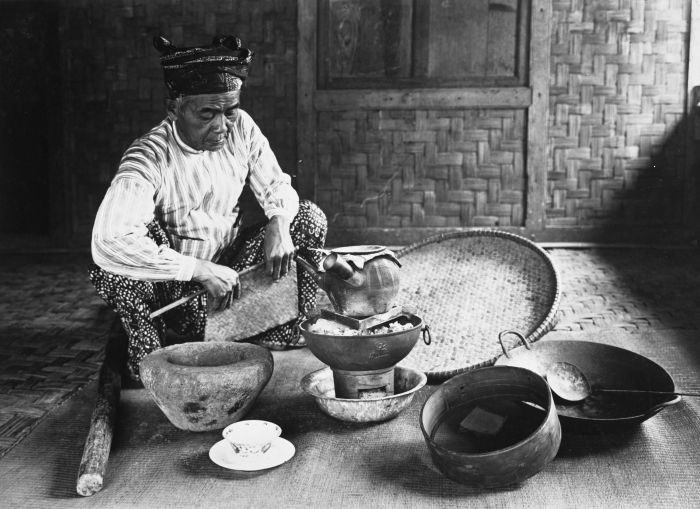 🇮🇩 Indonesia and 2 moreDukun
A traditional healer and spirit medium in Indonesian folk practiceTradition · Healing · Seeing and foretelling Living
🇮🇩 Indonesia and 2 moreDukun
A traditional healer and spirit medium in Indonesian folk practiceTradition · Healing · Seeing and foretelling Living
 🇮🇷 Iran and 1 moreJinnجِنّ
Supernatural beings in Islamic and pre-Islamic Arabian belief, created from smokeless fire.Being · Protection · Cursing and harm Living
🇮🇷 Iran and 1 moreJinnجِنّ
Supernatural beings in Islamic and pre-Islamic Arabian belief, created from smokeless fire.Being · Protection · Cursing and harm Living