
Daeboreum
In its own language: 대보름
from Korean dae (great) and boreum (full moon)
A Korean lunar holiday marking the first full moon with nut-cracking and field fires
Daeboreum is a traditional Korean observance held on the fifteenth day of the first lunar month. Communities celebrate by eating specific foods like nuts and rice to ensure health and good fortune for the coming year.
- People crack nuts to keep teeth healthy all year
- Burning grass drives away crop-destroying worms
- Eating wrapped rice brings good fortune
- Watching the moon rise grants wishes
- Walking on bridges strengthens the legs
What it is
Daeboreum marks the first full moon of the lunar year in Korea. It is a time for communities to gather and perform rituals that promote health and prosperity. The holiday involves specific customs focused on physical well-being and agricultural success. People believe these actions secure blessings for the twelve months ahead.
Where it comes from
Records in the Samguk yusa link the date to a story about King Soji of Silla. A crow led the king to discover an affair, leading to a prohibition on certain behaviors on this day. The name Ogiil refers to this crow taboo. Lantern lighting customs also appear in historical texts like the Annals of the Joseon Dynasty, showing a long history of celebration.
How it is done
Rituals include climbing hills to watch the sunrise and moonrise for luck. Farmers burn dry grass between fields to drive away pests. People crack nuts with their teeth to strengthen them for the year. Others walk across bridges to ensure strong legs. Communities also exchange food and greet each other in formal manners.
Tools and materials
Participants use hard nuts like walnuts and pine nuts. Straw is used to make fires in yards and fields. Water from wells or rivers is collected early in the morning. Vegetables and rice are prepared in specific ways, such as wrapping rice in leaves to symbolize good fortune.
Daeboreum, drawn and placed
- Living
- Revived
- Fading
- Historical
- Legendary
- Performed
- Lineage
- Korean lunar calendar traditions
- Timing
- on the night before and during the first full moon of the lunar year
What it is for
The practices aim to protect against illness, heat, and insects. Eating nuts is believed to keep teeth healthy. Drinking cold wine is thought to bring good news. Sharing food with neighbors is said to ensure diligence and health. These acts are performed to invite luck and avoid harm throughout the coming season.
Who does it
Households and rural communities carry out the traditions. Farmers organize gatherings to greet one another. Women may release jellyfish into rivers for luck. Children participate in burning grass and carrying lanterns. The practices are passed down through family and village lines.
Peoples and places
The holiday is observed by Koreans in both South and North Korea. Variations exist by region, such as specific rice dishes in Jeolla Province. Similar festivals exist in China, Japan, and Southeast Asia, reflecting shared East Asian lunar traditions. The crow holds symbolic importance in older Korean lore.
At a glance: who, where and when
Who does it
Peoples
Belief worlds
Occasions


What people believe
The customs rely on sympathetic magic and folk beliefs. Actions taken on this day influence the entire year. Seeing the moon first brings wishes. Burning grass fertilizes the soil and removes bugs. Eating bitter vegetables helps resist summer heat. The crow was once a sacred sun symbol before becoming an omen.
When it is done
The event falls on the fifteenth day of the first lunar month. Preparations begin the night before. Some activities happen at dawn, like collecting water or making fires. The timing aligns with the start of the agricultural cycle and the new lunar year.
Days linked to Daeboreum
Questions people ask about Daeboreum
What is Daeboreum?
It is a Korean holiday celebrating the first full moon of the lunar year. People perform rituals to ensure health, good harvests, and protection from pests and disease.
Why do people crack nuts on this day?
Cracking hard nuts with teeth is believed to strengthen them for the entire year. This practice prevents dental problems and is a common custom across Korea.
Where does the holiday come from?
Historical texts link it to the Silla kingdom and a story involving a crow. It also connects to broader East Asian traditions of celebrating the first full moon with lanterns.
What food is eaten during Daeboreum?
People eat five-grain rice, seasoned vegetables, and nuts. Wrapping rice in leaves symbolizes luck. Drinking cold wine is thought to bring good news.
Good reading and sources
- Daeboreum on WikipediaEncyclopedia
- More photos on Wikimedia CommonsPhotos and video
- Wikidata recordOpen data
The facts on this page come from the Wikipedia article "Daeboreum", written by its contributors and used under the CC BY-SA 4.0 licence, and from its Wikidata record (CC0). EveryJaadu rewrote the text in its own words, with AI assistance, and compares every page with the article to make sure no passage is copied. It may be reused under the same CC BY-SA 4.0 licence with a link back.
It may contain mistakes. Names and customs differ from one community to the next, and some knowledge is closed to outsiders and left out here. This page describes belief and practice. It does not say that any of it works, it is not a how-to, and it is not medical advice. If something is wrong, tell us. Last refreshed 2026-10-05.
More from South Korea
All the entries from South Korea 🇰🇷 South Korea and 3 moreKorean shamanism무속
A Korean folk religion centered on ritual specialists who mediate between humans and spiritsTradition · Protection · Healing Living
🇰🇷 South Korea and 3 moreKorean shamanism무속
A Korean folk religion centered on ritual specialists who mediate between humans and spiritsTradition · Protection · Healing Living
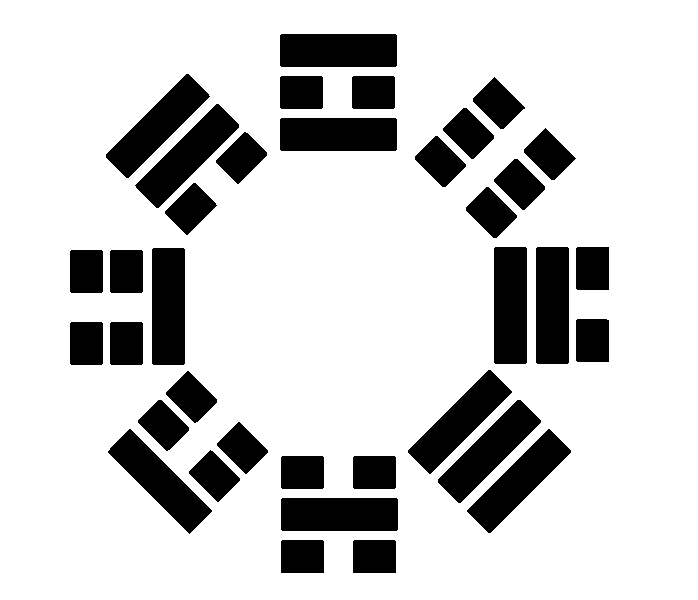 🇨🇳 China and 1 moreBagua八卦
A set of eight trigram symbols from China used in divination, cosmology, and feng shui.Tradition · Seeing and foretelling · Protection Living
🇨🇳 China and 1 moreBagua八卦
A set of eight trigram symbols from China used in divination, cosmology, and feng shui.Tradition · Seeing and foretelling · Protection Living
 🇰🇷 South Korea and 1 moreKorean shamanismKorean shamanism (Korean: Korean shamanism)
A traditional practice of ritual specialists who mediate between the human and spirit worlds.Tradition · Healing · Protection Living
🇰🇷 South Korea and 1 moreKorean shamanismKorean shamanism (Korean: Korean shamanism)
A traditional practice of ritual specialists who mediate between the human and spirit worlds.Tradition · Healing · Protection Living
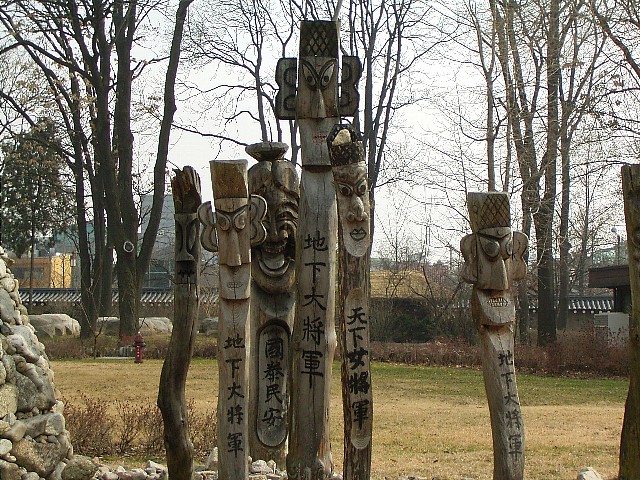 🇰🇷 South Korea and 1 moreJangseung장승
Wooden or stone poles that guard Korean villages and temples from evil spiritsTradition · Protection · Speaking with spirits and the dead Living
🇰🇷 South Korea and 1 moreJangseung장승
Wooden or stone poles that guard Korean villages and temples from evil spiritsTradition · Protection · Speaking with spirits and the dead Living
Related elsewhere
All tradition 🇮🇹 Italy and 5 morePrecious coral
A marine skeleton harvested for jewelry and worn as a protective charm in several culturesSubstance · Protection · Healing Living
🇮🇹 Italy and 5 morePrecious coral
A marine skeleton harvested for jewelry and worn as a protective charm in several culturesSubstance · Protection · Healing Living
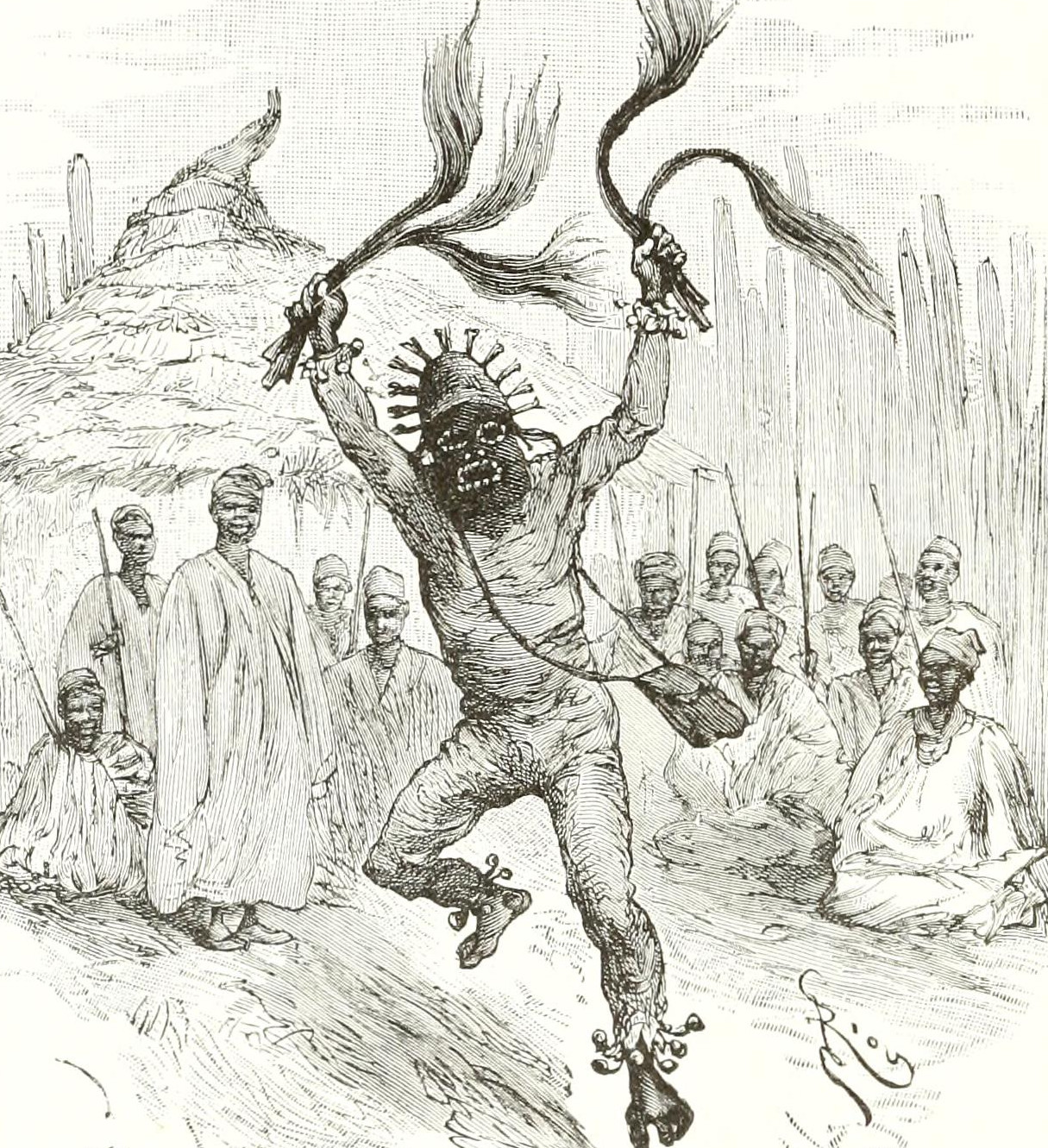 🇺🇸 United States and 2 moreLouisiana Voodoo
An African diasporic religion practiced in Louisiana from the 18th to early 20th centuriesTradition · Healing · Protection Historical
🇺🇸 United States and 2 moreLouisiana Voodoo
An African diasporic religion practiced in Louisiana from the 18th to early 20th centuriesTradition · Healing · Protection Historical
 🇹🇭 Thailand and 3 moreThai Buddha amuletsพระเครื่อง (phrakhrueang)
Sacred Buddhist images and relics worn for protection, merit, and fortune in Thailand.Charm · Protection · Luck and prosperity Living
🇹🇭 Thailand and 3 moreThai Buddha amuletsพระเครื่อง (phrakhrueang)
Sacred Buddhist images and relics worn for protection, merit, and fortune in Thailand.Charm · Protection · Luck and prosperity Living
 🇷🇺 Russia and 5 moreAmber
Fossilized tree resin used in jewelry and folk healing traditionsSubstance · Protection · Healing Living
🇷🇺 Russia and 5 moreAmber
Fossilized tree resin used in jewelry and folk healing traditionsSubstance · Protection · Healing Living