
Damnation
from Latin damnatio, meaning penalty or damage
A state of divine punishment or separation from the sacred after death
Damnation is a theological concept describing eternal punishment or spiritual ruin for sins committed during life. It appears in Christian, Zoroastrian, and some Hindu traditions as a final judgment outcome.
- Latin root damnum means penalty or damage
- Zoroastrianism uses a river of molten metal for the wicked
- Madhvacharya taught some souls face eternal hell
- Eastern Orthodoxy sees hell as reaction to God's love
- Damn became a mild expletive by the 20th century
What it is
Damnation refers to a condition of being condemned by a deity, typically resulting in posthumous suffering or exclusion from salvation. The term implies a legal or moral verdict where an individual fails to meet divine standards. In many faiths, this state is permanent and serves as the ultimate consequence for transgression. It is often contrasted with concepts of mercy, grace, or universal liberation. The idea functions as a deterrent against immoral behavior and reinforces the authority of religious law. Scholars note that the specifics of what constitutes damnation vary significantly across different theological systems.
Where it comes from
The word derives from the Latin damnum, indicating loss or injury, and entered English via Old French. Roman law used the verb damnare to mean pronouncing a judgment. Early Christian theology adapted this secular legal terminology to describe spiritual ruin. Ancient Egyptian texts mention heart-weighting rituals, though these are distinct from later Abrahamic concepts. Zoroastrianism developed its own version of final judgment called Frashokereti, involving rivers of molten metal for the wicked. These diverse origins show how the concept evolved independently in different cultures before converging in Western thought.
Damnation, drawn and placed
- Living
- Revived
- Fading
- Historical
- Legendary
- Performed
- Lineage
- Abrahamic eschatology
What it is for
The primary purpose of damnation is to enforce moral order through the threat of eternal consequences. It serves to distinguish between the righteous and the wicked in eschatological narratives. For believers, it provides a framework for understanding justice in a world where earthly laws may fail. The concept also motivates adherence to religious commandments and ethical codes. In some traditions, it acts as a counterpoint to the promise of heaven or liberation, giving weight to the choices made during mortal life.
Peoples and places
Christianity holds varied views on damnation, with Catholics and Protestants often linking it to original sin and the fall of Adam and Eve. Eastern Orthodox theology sometimes describes it as a reaction to God's love rather than active torture. Hinduism generally emphasizes universal salvation, but the Madhva school posits eternal hell for certain souls. Zoroastrianism envisions a final renovation of the world where the wicked face fire. Indian English speakers sometimes mistakenly link the profanity 'damn' to a copper coin called a dam, though this etymology is incorrect.
At a glance: who, where and when
Who does it
Peoples
Belief worlds
What people believe
Believers hold that damnation is a real spiritual state resulting from unrepentant sin. Christians often view it as separation from God or existence in a place of fire. Zoroastrians believe the wicked will be burned by a river of molten metal. Some Hindus accept the possibility of eternal confinement in darkness for specific soul types. Others reject eternal punishment entirely, favoring eventual redemption. The nature of the suffering varies: some see it as physical torment, while others interpret it as the pain of being excluded from divine presence.
How scholars and sceptics see it
Anthropologists and historians study damnation as a mechanism for social control and moral regulation. Psychologists examine the fear of damnation as a driver of religious behavior. Linguists trace the shift of 'damn' from a serious religious term to a mild expletive. Scholars note that the severity of damnation doctrines often correlates with periods of religious tension or reform. The concept's evolution reflects changing attitudes toward justice, mercy, and the nature of the divine.
Compare and confuse
Damnation is often confused with general condemnation or legal sentencing. It differs from purgatory, which implies temporary purification. In Hinduism, it contrasts with moksha, or universal liberation. The Zoroastrian Frashokereti shares similarities with Christian Last Judgment but involves different imagery. The profane use of 'damn' has lost its original religious gravity, becoming a common interjection rather than a blasphemous invocation.
Questions people ask about Damnation
What is damnation?
It is a theological concept describing eternal punishment or separation from God after death for sins committed during life.
Where does the word come from?
It comes from the Latin damnatio, meaning penalty or damage, entering English via Old French in the 14th century.
Do all religions believe in it?
No. While Christianity and Zoroastrianism have strong concepts, most Hindus believe in eventual universal salvation, not eternal hell.
How is it used today?
The word damn is now mostly a mild profanity or interjection, though 'God damn' remains blasphemous to devout believers.
Good reading and sources
The facts on this page come from the Wikipedia article "Damnation", written by its contributors and used under the CC BY-SA 4.0 licence, and from its Wikidata record (CC0). EveryJaadu rewrote the text in its own words, with AI assistance, and compares every page with the article to make sure no passage is copied. It may be reused under the same CC BY-SA 4.0 licence with a link back.
It may contain mistakes. Names and customs differ from one community to the next, and some knowledge is closed to outsiders and left out here. This page describes belief and practice. It does not say that any of it works, it is not a how-to, and it is not medical advice. If something is wrong, tell us. Last refreshed 2026-10-07.
More from India
All the entries from India 🇮🇳 IndiaChakraचक्र
Meditation points in the subtle body used in Hindu and Buddhist yogaTradition · Speaking with spirits and the dead · Change and initiation Living
🇮🇳 IndiaChakraचक्र
Meditation points in the subtle body used in Hindu and Buddhist yogaTradition · Speaking with spirits and the dead · Change and initiation Living
 🇮🇳 India and 1 moreMantraमन्त्रम्
A sacred sound or phrase repeated to focus the mind and invoke spiritual powerText · Speaking with spirits and the dead · Power and authority Living
🇮🇳 India and 1 moreMantraमन्त्रम्
A sacred sound or phrase repeated to focus the mind and invoke spiritual powerText · Speaking with spirits and the dead · Power and authority Living
 🇮🇳 India and 5 moreKolamகோலம்
A daily geometric floor drawing made with rice flour at the home entrance in South IndiaTradition · Protection · Luck and prosperity Living
🇮🇳 IndiaPanchagavya
A fermented mixture of five cow products used in Hindu rituals and Ayurvedic traditions.Substance · Cleansing and purification · Healing Living
🇮🇳 India and 5 moreKolamகோலம்
A daily geometric floor drawing made with rice flour at the home entrance in South IndiaTradition · Protection · Luck and prosperity Living
🇮🇳 IndiaPanchagavya
A fermented mixture of five cow products used in Hindu rituals and Ayurvedic traditions.Substance · Cleansing and purification · Healing Living
Related elsewhere
All belief 🇷🇸 Serbia and 5 moreVampire
An undead creature from folklore that feeds on the blood or life force of the livingBeing · Cursing and harm · Luck and prosperity Legendary
🇷🇸 Serbia and 5 moreVampire
An undead creature from folklore that feeds on the blood or life force of the livingBeing · Cursing and harm · Luck and prosperity Legendary
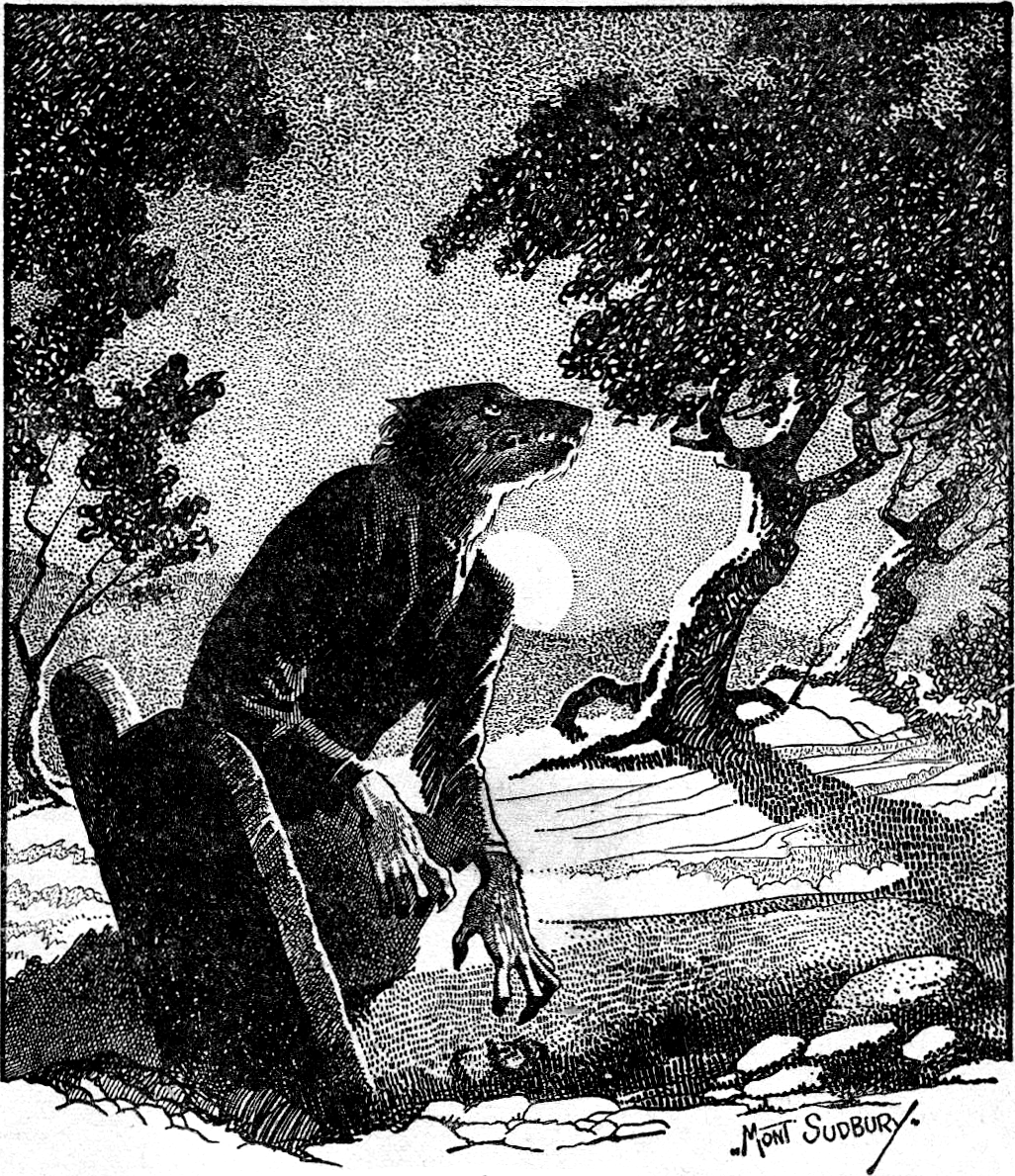 🇫🇷 France and 5 moreWerewolf
A mythical shapeshifter that turns into a wolf, central to European witch-hunts and Gothic horror.Being · Cursing and harm · Wonder and entertainment Legendary
🇫🇷 France and 5 moreWerewolf
A mythical shapeshifter that turns into a wolf, central to European witch-hunts and Gothic horror.Being · Cursing and harm · Wonder and entertainment Legendary
 🇪🇬 Egypt and 1 moreLilithלִילִית
A feminine figure from Mesopotamian and Jewish mythology, often depicted as a night demon or spirit.Being · Cursing and harm Legendary
🇪🇬 Egypt and 1 moreLilithלִילִית
A feminine figure from Mesopotamian and Jewish mythology, often depicted as a night demon or spirit.Being · Cursing and harm Legendary
 🇪🇬 EgyptCurse
A spoken wish for misfortune to befall a person or placeBelief · Cursing and harm · Luck and prosperity Historical
🇪🇬 EgyptCurse
A spoken wish for misfortune to befall a person or placeBelief · Cursing and harm · Luck and prosperity Historical