
Palladium
from the Trojan Palladium, a statue of Pallas Athena
A sacred image or object believed to guarantee the safety of a city or nation
Originating from a wooden statue of Athena at Troy, a palladium is any relic or icon said to protect a community. The concept spread from Greek myth to Christian practice, where icons were carried in processions during sieges.
- Original Trojan Palladium was a wooden statue of Athena
- Christian icons were paraded around besieged city walls
- Thai towns maintain a kwan mueang for local protection
- Luck of Edenhall is a 14th-century Syrian glass cup
- Term used figuratively for anything providing safety
What it is
A palladium is an ancient image or object on which the survival of a city or people is believed to depend. The term comes from the original Trojan Palladium, a wooden xoanon of Pallas Athena stolen by Odysseus and Diomedes. In English usage since the sixteenth century, it refers to anything thought to provide safety. This includes Christian relics carried into battle or processed around walls during attacks.
Where it comes from
The concept began with the foundation myths of Troy and Rome. A wooden image of Athena was said to have fallen from heaven for the founder Ilus. Greeks believed they could not take Troy while this image stood. Later Roman tradition placed a similar token in the Temple of Vesta as a pledge of imperial rule. The idea evolved in the Eastern Churches after the reign of Justinian I before spreading westward.
How it is done
During times of crisis, such as a siege, these images were paraded along city walls or carried into battle. They served as offensive standards known as vexilla. In Athens, the cult image of Athena Poliás was ceremonially washed once a year during the Plynteria festival. Its woolen veil was replaced during the Panathenaea feast.
Tools and materials
Materials included rough wooden stakes, olive wood carvings, and metal icons. The Athenian statue was kept under a bronze palm tree with a gold lamp burning before it. Other examples include the Cathach psalter carried in a cumdach, the Luck of Edenhall glass cup in a leather case, and various religious icons like the Image of Edessa.
Palladium, drawn and placed
- Living
- Revived
- Fading
- Historical
- Legendary
- Performed
- Lineage
- Classical and Christian protective imagery
- Timing
- during sieges and festivals
What it is for
These objects were sought to ensure military victory and national survival. They were believed to deter enemies and protect the populace from conquest. In some contexts, control of the object represented political legitimacy, such as the Tooth Relic in Sri Lanka or specific lingams in the Khmer Empire.
Who does it
Priests and priestesses managed the most sacred images, such as those in the Erechtheum. Military leaders and clans, like the O'Donnell Clan with the Cathach, carried them into combat. Religious figures, including popes, have invoked these images during modern crises.
Peoples and places
The tradition spans Greek, Roman, Byzantine, and Thai cultures. In Thailand, every town maintains a kwan mueang to protect the area. The concept also appears in folk myths, such as the Ravens of the Tower of London or the Luck of Edenhall in England, though these are often later additions rather than ancient practices.
At a glance: who, where and when
Who does it
Peoples
Belief worlds
Occasions


What people believe
The underlying belief is that divine presence resides within the object. For the Greeks, the Athena statue was of divine provenance, not human-made. Christians believed icons mediated protection through saints or Christ. Removing or destroying such an image was thought to invite disaster, as seen in stories about the Barbary macaques in Gibraltar.
When it is done
Events occurred during sieges, battles, and annual religious festivals. The Plynteria involved washing the statue annually. The Panathenaea featured the changing of its veil. Modern invocations happen during pandemics or national emergencies, linking ancient ritual to contemporary crisis management.
Questions people ask about Palladium
What is a palladium?
It is an ancient image or object believed to guarantee the safety of a city or nation. The term originates from a wooden statue of Athena at Troy that protected the city until it was stolen.
Where did the concept come from?
It began in Greek mythology with the Trojan Palladium. The idea spread to Rome and later to Christian traditions, where relics and icons were used to protect communities from enemies.
How were these objects used in war?
They were carried into battle or processed around city walls during sieges. They acted as spiritual shields and sometimes offensive standards called vexilla to boost morale and invoke divine aid.
Good reading and sources
The facts on this page come from the Wikipedia article "Palladium (protective image)", written by its contributors and used under the CC BY-SA 4.0 licence, and from its Wikidata record (CC0). EveryJaadu rewrote the text in its own words, with AI assistance, and compares every page with the article to make sure no passage is copied. It may be reused under the same CC BY-SA 4.0 licence with a link back.
It may contain mistakes. Names and customs differ from one community to the next, and some knowledge is closed to outsiders and left out here. This page describes belief and practice. It does not say that any of it works, it is not a how-to, and it is not medical advice. If something is wrong, tell us. Last refreshed 2026-10-06.
More from Greece
All the entries from Greece 🇬🇷 Greece and 2 moreCurse tabletκατάδεσμος
A lead sheet inscribed with a binding curse in the Greco-Roman worldCharm · Cursing and harm · Love and attraction Historical
🇬🇷 Greece and 2 moreCurse tabletκατάδεσμος
A lead sheet inscribed with a binding curse in the Greco-Roman worldCharm · Cursing and harm · Love and attraction Historical
 🇮🇹 Italy and 5 moreRelic
An object or body part kept to honor a holy person and mark their connection to the divineCharm · Protection · Healing Living
🇮🇹 Italy and 5 moreRelic
An object or body part kept to honor a holy person and mark their connection to the divineCharm · Protection · Healing Living
 🇮🇹 Italy and 5 moreFig sign
A hand gesture used to ward off the evil eye or as an insult in many culturesBelief · Protection · Cursing and harm Living
🇮🇹 Italy and 5 moreFig sign
A hand gesture used to ward off the evil eye or as an insult in many culturesBelief · Protection · Cursing and harm Living
 🇬🇷 GreeceOmphalosὀμφαλός
A sacred stone marking the center of the world in Greek myth and oracle practiceCharm · Speaking with spirits and the dead · Power and authority Historical
🇬🇷 GreeceOmphalosὀμφαλός
A sacred stone marking the center of the world in Greek myth and oracle practiceCharm · Speaking with spirits and the dead · Power and authority Historical
Related elsewhere
All charm 🇪🇬 Egypt and 1 moreSphinx
A mythical hybrid with a human head and lion body, serving as guardian or riddler in Egyptian and Greek traditions.Being · Protection · Wonder and entertainment Legendary
🇪🇬 Egypt and 1 moreSphinx
A mythical hybrid with a human head and lion body, serving as guardian or riddler in Egyptian and Greek traditions.Being · Protection · Wonder and entertainment Legendary
 🇪🇬 Egypt and 3 moreAmulet
A portable object worn or carried to ward off harm and invite fortuneCharm · Protection · Luck and prosperity Living
🇪🇬 Egypt and 3 moreAmulet
A portable object worn or carried to ward off harm and invite fortuneCharm · Protection · Luck and prosperity Living
 🇨🇳 China and 3 moreChinese dragon龍
A legendary water deity and imperial symbol in East Asian cultureBeing · Protection · Luck and prosperity Historical
🇨🇳 China and 3 moreChinese dragon龍
A legendary water deity and imperial symbol in East Asian cultureBeing · Protection · Luck and prosperity Historical
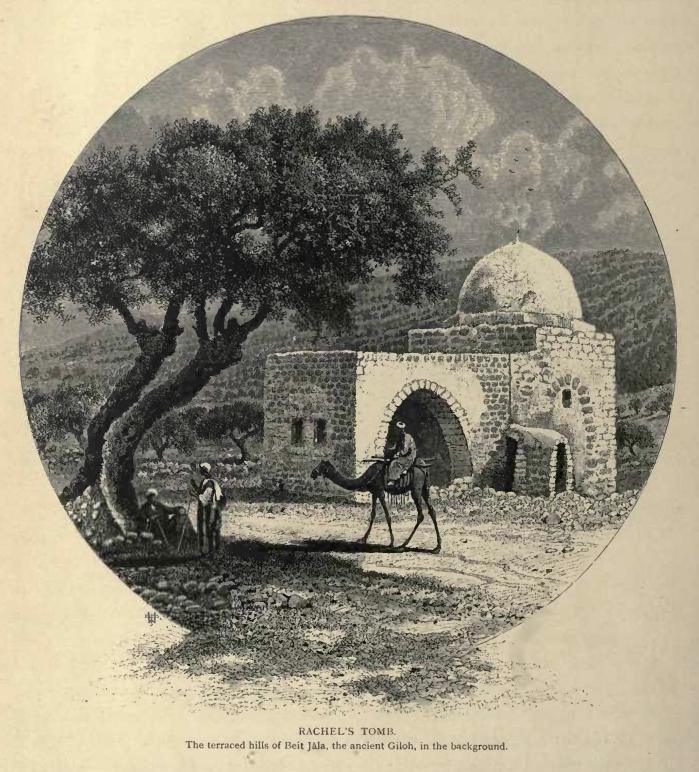 🇵🇸 Palestine and 1 moreRachel's TombQever Raḥel; Qabr Rāḥīl
A shared holy site near Bethlehem revered by Jews, Christians, and MuslimsTradition · Speaking with spirits and the dead · Protection Living
🇵🇸 Palestine and 1 moreRachel's TombQever Raḥel; Qabr Rāḥīl
A shared holy site near Bethlehem revered by Jews, Christians, and MuslimsTradition · Speaking with spirits and the dead · Protection Living