
Divine retribution is the belief that a god or gods punish individuals or groups for disobedience or sin. Stories of floods and plagues appear across many cultures as examples of this supernatural justice.
- Flood myths appear in Gilgamesh, Vedas, and Genesis
- Buddhism denies a punitive creator deity
- Islam teaches Jaza as perfect recompense
- Greek gods punished mortal transgressions
- Deism rejects divine intervention entirely
What it is
Divine retribution refers to the supernatural punishment inflicted by a deity upon people who have incurred divine anger. This concept appears in myths and folklore worldwide, often involving widespread death or misfortune. It serves as a mechanism of cosmic justice where wrongdoers face consequences from a higher power. The idea varies significantly between different religious traditions, ranging from direct intervention to natural law.
Where it comes from
The concept is ancient and widespread. Flood myths describing divine punishment are found in the Epic of Gilgamesh, Hindu Vedas, and Hebrew texts like Genesis. These stories often feature a single survivor chosen to preserve humanity. Similar narratives exist in Greek mythology, where gods punish mortals for transgressions against their honor or sacred spaces.
How it is done
Retribution is described through narrative events rather than rituals. Examples include great floods destroying civilizations, plagues striking nations, or sudden deaths befalling specific individuals. In some accounts, cities are overturned or inhabitants are transformed. These events are portrayed as direct responses to human actions, such as breaking covenants or violating sacred laws.
Tools and materials
Sources do not list physical tools used for retribution. Instead, they describe natural phenomena weaponized by deities, such as storms, earthquakes, fire, and locusts. In Buddhist thought, karma acts as an impersonal mechanism rather than a tool wielded by a god, producing effects based on past actions without divine intent.
Divine retribution, drawn and placed
- Living
- Revived
- Fading
- Historical
- Legendary
- Performed
What it is for
The purpose is to establish absolute justice and enforce righteousness. Believers hold that it balances fear of wrath with hope for mercy. In Abrahamic faiths, it warns against disobedience and reinforces covenant loyalty. In Buddhism, karmic consequences guide behavior toward enlightenment, though these are seen as natural results rather than punitive judgments.
Who does it
Scholars study these concepts within theology, mythology, and religious studies. Practitioners of various faiths view these events as historical or theological truths. Deists and pantheists generally reject the notion entirely, arguing that a creator does not intervene in worldly affairs or express human-like emotions such as vengeance.
Peoples and places
The concept appears in Judaism, Christianity, Islam, Hinduism, and Greek mythology. Buddhism explicitly denies the existence of a creator deity capable of retribution, replacing it with karma. Different cultures attribute these punishments to specific gods, such as Zeus, Minerva, or Allah, reflecting local theological frameworks and moral codes.
At a glance: who, where and when
Who does it


What people believe
In monotheistic religions, God is often depicted as having wrath against sin. The Quran describes Jaza, where Allah recompenses all actions perfectly. The Bible speaks of the day of wrath and divine judgment. Greek myths show gods punishing vanity or rape. Buddhism rejects a judging creator, viewing suffering as a result of ignorance and action rather than divine displeasure.
When it is done
No specific festivals or calendar days are tied to divine retribution itself. However, biblical texts mention the 'day of wrath' associated with end-times judgment. Historical accounts link retributive events to specific moments in religious history, such as the Exodus or the destruction of Sodom, but these are not recurring annual observances.
How scholars and sceptics see it
Anthropologists and historians analyze these beliefs as cultural explanations for disaster and moral order. Scholars note that Buddhism differs sharply from Abrahamic faiths by denying a punitive creator. Researchers examine how flood myths serve as shared narrative structures across diverse cultures, suggesting common themes in early human storytelling about justice and survival.
Cautions and what is closed
They describe ancient narratives of violence and destruction as part of religious literature. No living practice involves inflicting harm under this name; it remains a theological concept discussed in academic and devotional contexts.
Compare and confuse
Divine retribution is distinct from karma, which operates as an impersonal law of cause and effect without a judging deity. It is also contrasted with deism, where the creator remains detached. While similar to folk curses, divine retribution is framed as universal justice administered by a supreme being rather than a localized spell cast by a practitioner.
Law and persecution
It is a standard theological topic in major world religions. No laws are mentioned that regulate or prohibit the discussion of divine punishment. The concept remains central to doctrinal teachings in Judaism, Christianity, and Islam.
Questions people ask about Divine retribution
What is divine retribution?
It is the belief that a deity punishes people for wrongdoing or angering them. Stories of floods and plagues illustrate this supernatural justice across many cultures.
Where does the concept come from?
It appears in ancient texts like the Epic of Gilgamesh, Hindu Vedas, and the Hebrew Bible. Greek mythology also features gods exacting revenge on mortals.
How does Buddhism view it?
Buddhism denies a creator god who punishes. Instead, it teaches karma, where actions naturally lead to consequences like rebirth, without divine judgment.
What is Jaza in Islam?
Jaza is the principle of recompense where Allah justly rewards good deeds and punishes wrongdoing, ensuring absolute justice in this life and the hereafter.
Good reading and sources
The facts on this page come from the Wikipedia article "Divine retribution", written by its contributors and used under the CC BY-SA 4.0 licence, and from its Wikidata record (CC0). EveryJaadu rewrote the text in its own words, with AI assistance, and compares every page with the article to make sure no passage is copied. It may be reused under the same CC BY-SA 4.0 licence with a link back.
It may contain mistakes. Names and customs differ from one community to the next, and some knowledge is closed to outsiders and left out here. This page describes belief and practice. It does not say that any of it works, it is not a how-to, and it is not medical advice. If something is wrong, tell us. Last refreshed 2026-10-06.
More from Israel
All the entries from Israel 🇮🇱 IsraelNumber of the beastἈριθμὸς τοῦ θηρίου
A biblical number linked to a prophetic figure and interpreted through ancient letter values.Belief · Cursing and harm Historical
🇮🇱 IsraelNumber of the beastἈριθμὸς τοῦ θηρίου
A biblical number linked to a prophetic figure and interpreted through ancient letter values.Belief · Cursing and harm Historical
 🇮🇱 Israel and 5 moreTetragrammatonיהוה
The four-letter name of God in the Hebrew Bible, written as YHWH.Belief · Speaking with spirits and the dead Living
🇮🇱 Israel and 5 moreTetragrammatonיהוה
The four-letter name of God in the Hebrew Bible, written as YHWH.Belief · Speaking with spirits and the dead Living
 🇸🇾 Syria and 5 moreBaetyl
A sacred stone, often a meteorite, believed to house a deity in ancient Near Eastern and Mediterranean traditions.Charm · Power and authority · Speaking with spirits and the dead Historical
🇮🇱 Israel and 2 moreBelialבְּלִיַּעַל
A Hebrew term for worthlessness that evolved into a demon of darkness in Jewish and Christian texts.Being · Cursing and harm Historical
🇸🇾 Syria and 5 moreBaetyl
A sacred stone, often a meteorite, believed to house a deity in ancient Near Eastern and Mediterranean traditions.Charm · Power and authority · Speaking with spirits and the dead Historical
🇮🇱 Israel and 2 moreBelialבְּלִיַּעַל
A Hebrew term for worthlessness that evolved into a demon of darkness in Jewish and Christian texts.Being · Cursing and harm Historical
Related elsewhere
All belief 🇷🇸 Serbia and 5 moreVampire
An undead creature from folklore that feeds on the blood or life force of the livingBeing · Cursing and harm · Luck and prosperity Legendary
🇷🇸 Serbia and 5 moreVampire
An undead creature from folklore that feeds on the blood or life force of the livingBeing · Cursing and harm · Luck and prosperity Legendary
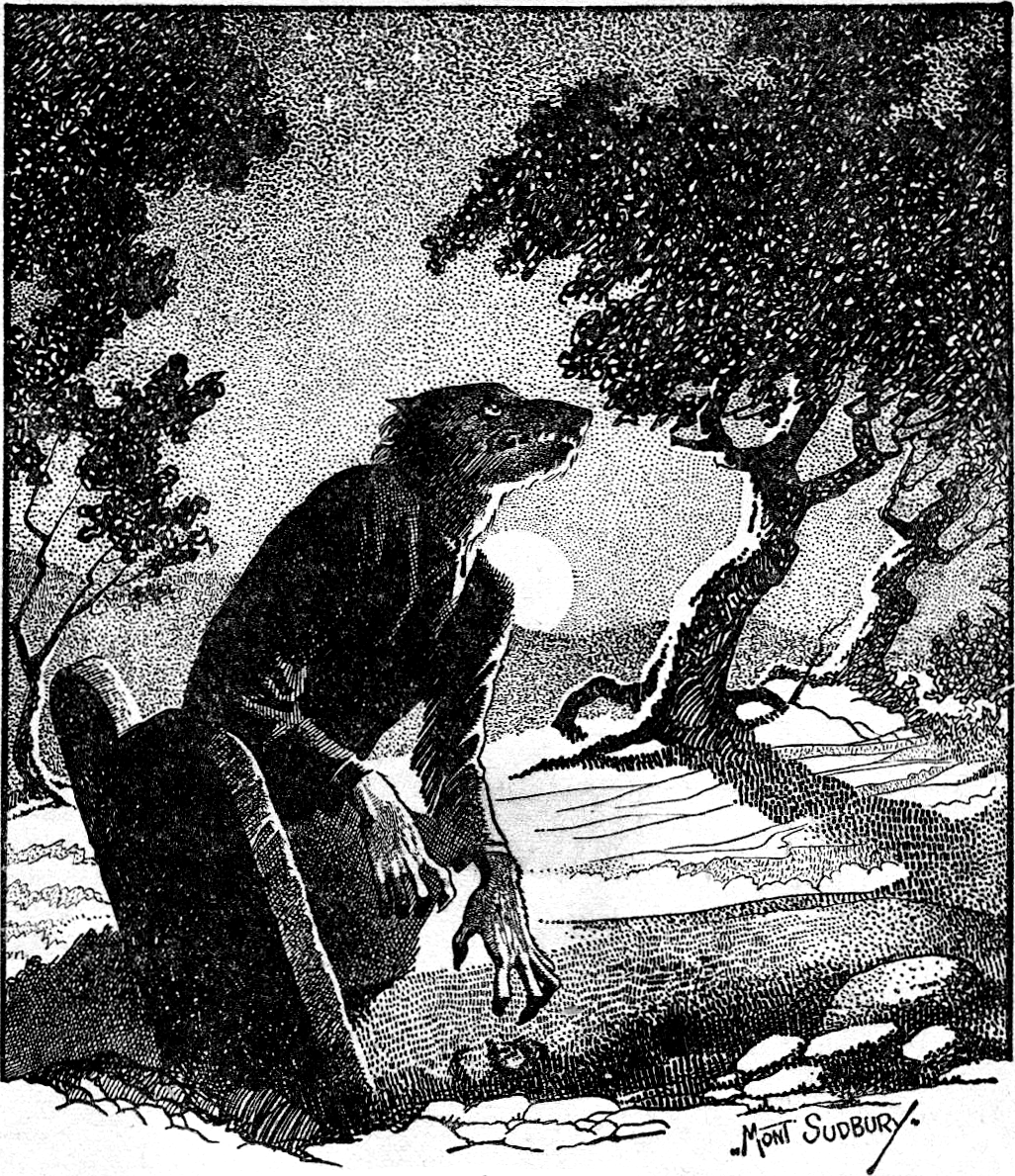 🇫🇷 France and 5 moreWerewolf
A mythical shapeshifter that turns into a wolf, central to European witch-hunts and Gothic horror.Being · Cursing and harm · Wonder and entertainment Legendary
🇫🇷 France and 5 moreWerewolf
A mythical shapeshifter that turns into a wolf, central to European witch-hunts and Gothic horror.Being · Cursing and harm · Wonder and entertainment Legendary
 🇪🇬 Egypt and 1 moreLilithלִילִית
A feminine figure from Mesopotamian and Jewish mythology, often depicted as a night demon or spirit.Being · Cursing and harm Legendary
🇪🇬 Egypt and 1 moreLilithלִילִית
A feminine figure from Mesopotamian and Jewish mythology, often depicted as a night demon or spirit.Being · Cursing and harm Legendary
 🇪🇬 EgyptCurse
A spoken wish for misfortune to befall a person or placeBelief · Cursing and harm · Luck and prosperity Historical
🇪🇬 EgyptCurse
A spoken wish for misfortune to befall a person or placeBelief · Cursing and harm · Luck and prosperity Historical