
A lock of hair is a strand or bundle of human hair cut from the head or left attached. People throughout history have treated these strands as vessels for memory, magic, and identity. Communities use them to mark life transitions, honor the dead, or signal devotion.
- Roman brides offered hair to the god Virbius before marriage.
- Victorians kept hair from deceased relatives in lockets and jewelry.
- Moroccan men leave a scalp lock so the angel Azrael can pull them to heaven.
- Researchers found lead poisoning in a lock of Beethoven's hair cut in 1827.
- The Polish plait was believed to draw illness out of the body.
What it is
A lock of hair is a single strand or a tied bundle of human hair taken from the head. It functions as both a physical object and a carrier of meaning. Across the world, people treat these strands as anchors for memory and identity. Communities preserve them to mark births, deaths, and marriages. Others wear them as part of a hairstyle that signals status or belonging. The item sits at the intersection of personal keepsake and public symbol. It bridges the gap between private emotion and cultural tradition.
Where it comes from
The practice of preserving hair dates back to antiquity. An ancient custom appears in China, Egypt, Thailand, Albania, Ukraine, India, and Israel. Families would shave a child's head but leave one lock intact. This strand remained until the child reached adulthood, marking the rite of passage. Roman brides also contributed to this history by offering their hair to the deity Virbius. These early acts established hair as a durable token of life changes. The tradition spread through trade and migration, adapting to local needs.
How it is done
People handle these strands with care to preserve their significance. Bereaved families place hair inside lockets, small glass jars, or weave it into bracelets and brooches. Lovers exchange strands to seal promises of devotion. Individuals undergoing rites of passage visit a barber to cut the final childhood lock. Hairstylists arrange remaining strands into specific forms like the scalp lock or the long plait resting over the shoulder. The physical handling reinforces the emotional weight of the object.
Tools and materials
The preservation of hair requires simple containers and accessories. Families traditionally use lockets, small jars, and various pieces of jewelry such as earrings and brooches. These items protect the fragile strands while keeping them visible. Historical portraits show royal figures adorning matted hair with large pearls. The materials chosen reflect the value placed on the hair itself. Simple metal or glass suffices to hold the token close to the wearer.
Lock of hair, drawn and placed
- Living
- Revived
- Fading
- Historical
- Legendary
- Performed
- Timing
- at birth, weddings, funerals, and rites of passage
What it is for
Communities assign multiple roles to these strands. Parents keep a baby's first haircut to invite good fortune into the household. Lovers exchange hair to demonstrate deep affection and readiness for separation. Bereaved relatives hold onto the hair of the dead to ease the pain of loss. Some traditions believe the hair grants control over the original owner. Others view matted plaits as sponges that absorb sickness from the body. The intent shifts with the need of the holder.
Who does it
Ordinary households serve as the primary custodians of these tokens. Families curate collections of hair from loved ones during times of joy or sorrow. Individuals maintain specific hairstyles to align with cultural expectations. Scholars examine preserved strands to uncover biological histories, as seen in medical research on famous composers. The role of the practitioner is usually passive, focused on safekeeping rather than active ritual performance.
Peoples and places
Cultural groups interpret hair differently based on their values. Romans dedicated bridal hair to forest gods. Irish tradition warns against accepting hair from a romantic partner due to bad luck. Native American tribes in North America wore scalp locks to denote tribal identity. Moroccan men preserve a crown lock to assist the angel Azrael at the end of days. Ukrainian Cossacks sported the oseledets style, while orthodox Hindus maintain the shikha to this day. Each group imbues the strand with distinct spiritual meaning.
At a glance: who, where and when

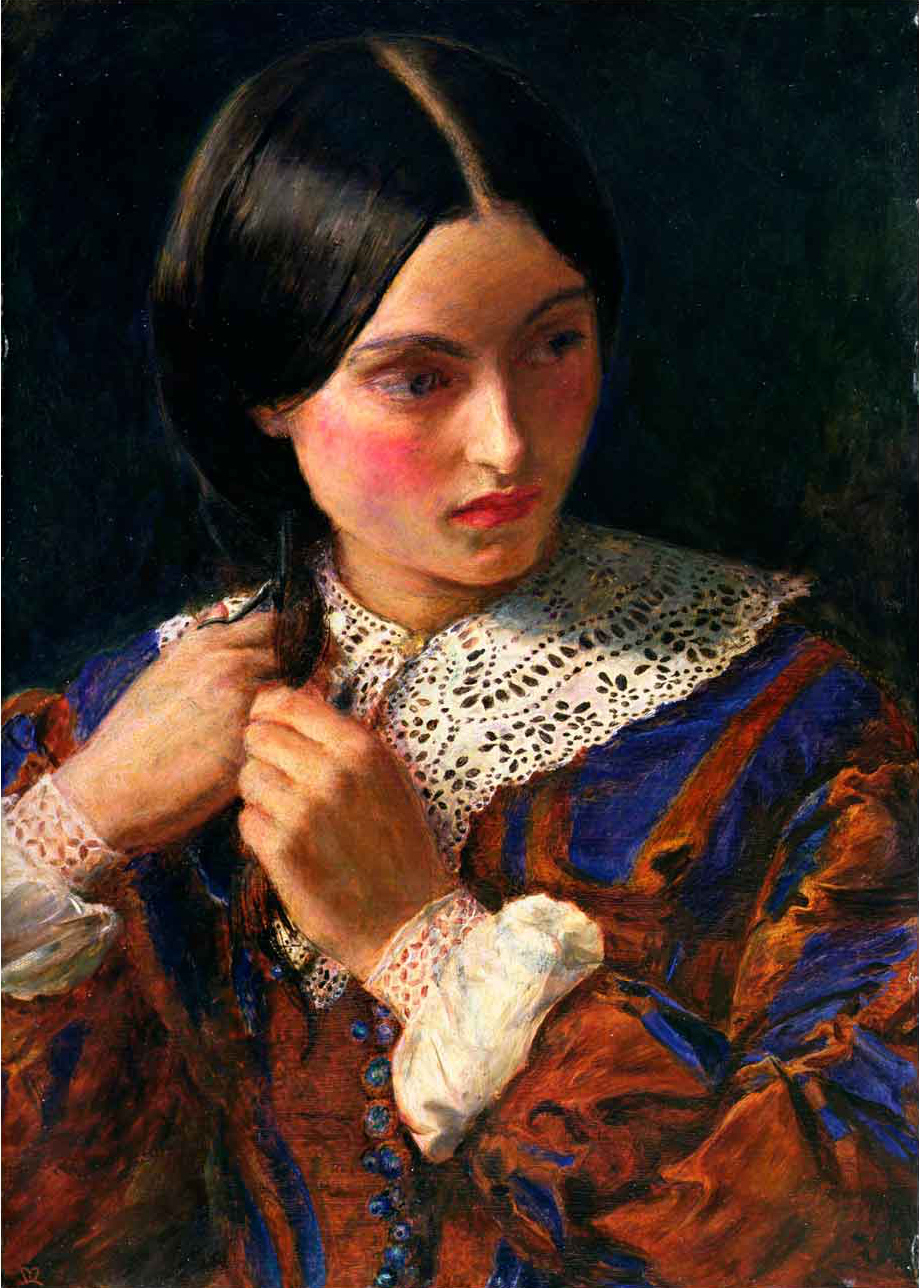
What people believe
The underlying worldview treats hair as a repository of personal essence. Possessing a strand is thought to grant leverage over the donor's fate. Keeping hair near the heart side signifies unwavering loyalty. Matted plaits operate as protective amulets that draw disease away from the flesh. In Islamic-influenced regions, the surviving lock aids the soul during the final judgment. The belief system relies on the idea that hair retains a connection to the body long after cutting.
When it is done
Events dictate when hair is cut or displayed. Infants receive their first haircut to secure blessings for the future. Brides offer locks before the wedding ceremony begins. Families gather strands following a funeral to create lasting memorials. Adolescents undergo the final cut of the childhood lock upon reaching maturity. The timing aligns with major life milestones, ensuring the hair marks the passage from one stage to another.
How scholars and sceptics see it
Historians and scientists analyze hair to reconstruct past lives. Byzantine chroniclers recorded the distinctive scalp locks of rulers and warriors. Modern researchers test preserved strands for chemical traces. Analysis of a composer's hair revealed high levels of lead, explaining his lifelong ailments. These studies transform sentimental objects into scientific data. The academic approach strips away the mysticism to reveal biological facts about nutrition and health.
Cautions and what is closed
Certain beliefs attach negative outcomes to hair exchanges. Irish folklore considers it unlucky to receive a lock from a beloved. Medical conditions like plica polonica cause hair to mat uncontrollably, creating heavy plaits that require special care. These matted formations were sometimes viewed as supernatural or diseased. The physical weight of dense hair can strain the scalp. Superstitions surrounding hair acceptance vary widely and can cause social friction.
Compare and confuse
Hair tokens share ground with other bodily keepsakes and styles. Dreadlocks involve intentional matting for spiritual or aesthetic reasons. Orthodox Jewish men wear sidelocks called payot as a religious commandment. Hairwork transforms strands into intricate art pieces rather than simple bundles. Ringlets refer to curled sections left on the head. While styles focus on appearance, keepsakes prioritize memory and magical association. The distinction lies in whether the hair stays attached or is removed for storage.
Today
Customs persist in modified forms. Orthodox Hindus continue the practice of maintaining the shikha. Mourning jewelry fell out of fashion but remains a historical curiosity. The romantic trope of exchanging hair survives in fiction. Contemporary interest in genealogy and biology drives renewed examination of preserved samples. The item moves from domestic altar to laboratory bench, retaining its status as a potent link to the past.
Questions people ask about Lock of hair
What is a lock of hair used for?
It serves as a charm, a memento of love or grief, and a marker of life stages across many cultures.
Why do some people keep a single lock of hair?
Ancient customs leave one lock untouched until adulthood to mark the transition to maturity.
Is hair considered powerful?
Beliefs hold that possessing a strand gives influence over the person, while keeping it comforts the living.
How is hair worn symbolically?
Styles like the scalp lock or lovelock display identity, devotion, or cultural heritage on the head.
Good reading and sources
The facts on this page come from the Wikipedia article "Lock of hair", written by its contributors and used under the CC BY-SA 4.0 licence, and from its Wikidata record (CC0). EveryJaadu rewrote the text in its own words, with AI assistance, and compares every page with the article to make sure no passage is copied. It may be reused under the same CC BY-SA 4.0 licence with a link back.
It may contain mistakes. Names and customs differ from one community to the next, and some knowledge is closed to outsiders and left out here. This page describes belief and practice. It does not say that any of it works, it is not a how-to, and it is not medical advice. If something is wrong, tell us. Last refreshed 2026-10-07.
More from India
All the entries from India 🇮🇳 IndiaChakraचक्र
Meditation points in the subtle body used in Hindu and Buddhist yogaTradition · Speaking with spirits and the dead · Change and initiation Living
🇮🇳 IndiaChakraचक्र
Meditation points in the subtle body used in Hindu and Buddhist yogaTradition · Speaking with spirits and the dead · Change and initiation Living
 🇮🇳 India and 1 moreMantraमन्त्रम्
A sacred sound or phrase repeated to focus the mind and invoke spiritual powerText · Speaking with spirits and the dead · Power and authority Living
🇮🇳 India and 1 moreMantraमन्त्रम्
A sacred sound or phrase repeated to focus the mind and invoke spiritual powerText · Speaking with spirits and the dead · Power and authority Living
 🇮🇳 India and 5 moreKolamகோலம்
A daily geometric floor drawing made with rice flour at the home entrance in South IndiaTradition · Protection · Luck and prosperity Living
🇮🇳 IndiaPanchagavya
A fermented mixture of five cow products used in Hindu rituals and Ayurvedic traditions.Substance · Cleansing and purification · Healing Living
🇮🇳 India and 5 moreKolamகோலம்
A daily geometric floor drawing made with rice flour at the home entrance in South IndiaTradition · Protection · Luck and prosperity Living
🇮🇳 IndiaPanchagavya
A fermented mixture of five cow products used in Hindu rituals and Ayurvedic traditions.Substance · Cleansing and purification · Healing Living
Related elsewhere
All substance 🇯🇵 JapanShinto shrine神社 (jinja)
A structure housing kami deities within the Shinto tradition of JapanTradition · Protection · Speaking with spirits and the dead Living
🇯🇵 JapanShinto shrine神社 (jinja)
A structure housing kami deities within the Shinto tradition of JapanTradition · Protection · Speaking with spirits and the dead Living
 🇪🇬 Egypt and 2 moreLibation
The ritual pouring of liquid as an offering to spirits or the deadRite · Speaking with spirits and the dead · Protection Living
🇪🇬 Egypt and 2 moreLibation
The ritual pouring of liquid as an offering to spirits or the deadRite · Speaking with spirits and the dead · Protection Living
 🇲🇳 Mongolia and 1 moreOvooовоо
A stone or branch cairn used as a shrine and boundary marker in Mongolic folk practice.Tradition · Protection · Speaking with spirits and the dead Living
🇲🇳 Mongolia and 1 moreOvooовоо
A stone or branch cairn used as a shrine and boundary marker in Mongolic folk practice.Tradition · Protection · Speaking with spirits and the dead Living