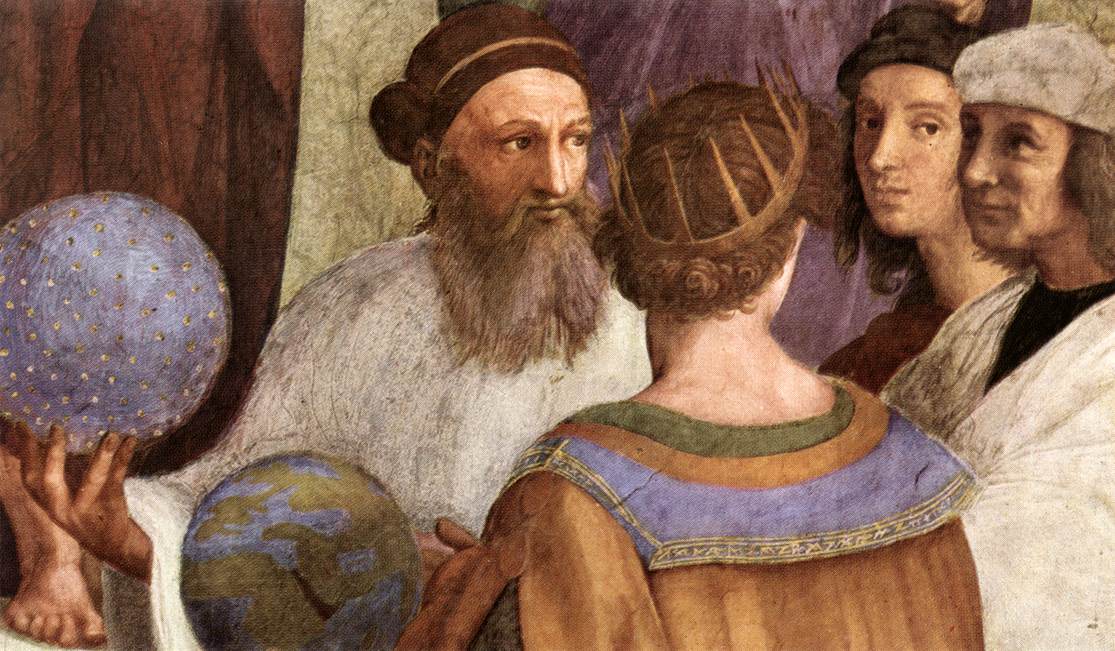
Persian mythology
In its own language: اسطورهشناسی ایرانی
from Persian asureh-shenasi-ye irani, meaning Iranian mythology
Ancient Iranian myths of cosmic struggle between light and darkness
The mythic corpus of ancient Persians and other Iranian peoples. It explores the origins of the world, deities, and heroes through a lens of moral dualism. Scholars study these narratives to understand the religious and political history of the Persian cultural sphere.
- Myths focus on a cosmic battle between good and evil
- Ahura Mazda fights against the destructive force Ahriman
- Early Iranian and Indian mythologies share common roots
- Sacrifices were made to both benevolent and malevolent gods
- Creation occurred over twelve thousand years in four stages
What it is
Persian mythology is the collection of stories from ancient Persians and related Iranian groups. These tales explain how the world began, the actions of gods, and the nature of human rituals. The system focuses on a sharp divide between good and evil forces. This structure reflects the ethical views of the Zoroastrian period and later nationalistic ideals. Modern researchers examine these myths to uncover the religious and political institutions of the Persian cultural sphere. This sphere extends across West Asia, Central Asia, South Asia, and Transcaucasia. The stories serve as a historical record of the beliefs that shaped these regions for centuries.
Where it comes from
Before the rise of the Medes and Persians, various tribes inhabited the Iranian plateau. Groups such as the Lullubi, Gutians, Kassites, and Urartu had their own distinct myths. The Elamites also maintained an ancient civilization in the southwest. These earlier cultures influenced later Iranian beliefs. Researchers note that Aryan branches migrated from Iran to India. This migration explains the strong similarities between early Indian and Iranian mythologies. Both traditions share common roots, similar god names, and sacred fire practices. Over time, these shared elements diverged due to different environments and indigenous influences.
Tools and materials
Sacrifices played a central role in these ancient beliefs. Offerings were made to both good and evil deities. Prayers to benevolent gods sought help and blessings. Sacrifices directed at evil gods served as a ransom to prevent them from harming people. Fire was held as sacred in both Iranian and Indian traditions. Rituals involved praising this element and performing offerings in a similar manner. These acts were designed to maintain balance and seek divine favor within the cosmic order.
Persian mythology, drawn and placed
- Living
- Revived
- Fading
- Historical
- Legendary
- Performed
- Lineage
- Zoroastrian cosmology
- Timing
- during Gahambars festivals
What it is for
The myths describe a world locked in eternal conflict. Ahura Mazda represents creation and light. Ahriman embodies destruction and darkness. Life on earth mirrors this cosmic struggle. The stories aim to teach that serving good concepts is vital. Truth opposes untruth. Light fights against darkness. The narratives provide a framework for understanding moral choices. They guide adherents toward righteousness by highlighting the ultimate victory of good over evil in the final days of the world.
Who does it
Historically, priests and ritual specialists conducted ceremonies based on these myths. The prophet Zoroaster initiated reforms that became Zoroastrianism. He provided the written texts relating to religion. Today, scholars study these ancient narratives. They analyze the Avesta and Middle Persian writings. Researchers use these texts to understand the religious and political history of the region. The myths are preserved in literary works like the Shahnameh by Ferdowsi. These texts continue to be studied for their cultural and historical significance.
Peoples and places
The mythology originated with ancient Persians and other Iranian peoples. It spread through the Persian cultural sphere. Regions including West Asia, Central Asia, South Asia, and Transcaucasia were influenced. India shares close mythological ties with Iran. Both traditions feature similar gods and moral dualism. The Elamites and other plateau tribes contributed earlier elements. Their beliefs merged with Aryan traditions. This synthesis created a comprehensive Iranian mythology. The stories reflect the diverse cultural interactions across the Iranian plateau and its borders.
At a glance: who, where and when
Who does it
Belief worlds


What people believe
The worldview centers on a cosmic battle between Ahura Mazda and Ahriman. Ahura Mazda is the creator, represented by izads and righteous humans. Ahriman is the destructive force, associated with demonic Divs. The world was originally flat and static until Ahura Mazda introduced dynamism. Creation occurred over twelve thousand years. The first three millennia saw the birth of both entities. The second quarter involved the creation of the physical world. Evil forces attacked this creation, leading to further conflicts. The narrative promises a final victory for good, resulting in a world of only light and health.
When it is done
The creation story spans twelve thousand years. This period is divided into four segments of three thousand years each. The second quarter marks the creation of the sky, water, earth, plants, animals, and humans. These events are commemorated by six festivals known as Gahambars. These anniversaries celebrate the main prototypes of creation. The myths outline a structured timeline of cosmic history. Each phase represents a significant step in the development of the universe and the ongoing struggle between opposing forces.
Questions people ask about Persian mythology
What is Persian mythology?
It is the body of myths from ancient Persians and Iranian peoples. These stories explain the world's origin, deities, and rituals. They emphasize a moral divide between good and evil forces in the cosmos.
Where does it come from?
It originates from the Iranian plateau. It includes influences from earlier tribes like the Elamites and Kassites. It shares deep roots with ancient Indian mythology due to shared Aryan heritage.
Who are the main figures?
Ahura Mazda is the creator god representing light. Ahriman is the destructive spirit of darkness. Other figures include Zahhak, a symbol of despotism, and the Simurgh, a powerful bird.
Good reading and sources
The facts on this page come from the Wikipedia article "Persian mythology", written by its contributors and used under the CC BY-SA 4.0 licence, and from its Wikidata record (CC0). EveryJaadu rewrote the text in its own words, with AI assistance, and compares every page with the article to make sure no passage is copied. It may be reused under the same CC BY-SA 4.0 licence with a link back.
It may contain mistakes. Names and customs differ from one community to the next, and some knowledge is closed to outsiders and left out here. This page describes belief and practice. It does not say that any of it works, it is not a how-to, and it is not medical advice. If something is wrong, tell us. Last refreshed 2026-10-05.
More from Iran
All the entries from Iran 🇮🇷 Iran and 5 moreMagi
Priests of Zoroastrianism and the figures who inspired the word for magicTradition · Seeing and foretelling · Power and authority Living
🇮🇷 Iran and 5 moreMagi
Priests of Zoroastrianism and the figures who inspired the word for magicTradition · Seeing and foretelling · Power and authority Living
 🇮🇷 Iran and 3 moreDaeva𐬛𐬀𐬉𐬎𐬎𐬀
A Zoroastrian entity that evolved from rejected gods to personifications of evil.Being · Cursing and harm · Power and authority Historical
🇮🇷 IranʿIlm al-Ḥurūfعِلْم الْحُرُوف
A system of Arabic numerology that assigns numerical values to letters to reveal hidden meanings in the Quran.Belief · Seeing and foretelling Historical
🇮🇷 Iran and 3 moreDaeva𐬛𐬀𐬉𐬎𐬎𐬀
A Zoroastrian entity that evolved from rejected gods to personifications of evil.Being · Cursing and harm · Power and authority Historical
🇮🇷 IranʿIlm al-Ḥurūfعِلْم الْحُرُوف
A system of Arabic numerology that assigns numerical values to letters to reveal hidden meanings in the Quran.Belief · Seeing and foretelling Historical
 🇮🇱 Israel and 4 moreAngelמלאך
A supernatural messenger or intermediary spirit found in many religious traditions.Being · Speaking with spirits and the dead · Protection Living
🇮🇱 Israel and 4 moreAngelמלאך
A supernatural messenger or intermediary spirit found in many religious traditions.Being · Speaking with spirits and the dead · Protection Living
Related elsewhere
All belief 🇬🇧 United Kingdom and 2 moreKing ArthurBrenin Arthur
A legendary British king and folk hero of medieval literature and Welsh mythologyFigure · Power and authority · Wonder and entertainment Legendary
🇬🇧 United Kingdom and 2 moreKing ArthurBrenin Arthur
A legendary British king and folk hero of medieval literature and Welsh mythologyFigure · Power and authority · Wonder and entertainment Legendary
 🇫🇷 FranceHoly GrailSaint Graal
A cup or stone from Arthurian tales that grants healing and eternal lifeFigure · Healing · Luck and prosperity Legendary
🇫🇷 FranceHoly GrailSaint Graal
A cup or stone from Arthurian tales that grants healing and eternal lifeFigure · Healing · Luck and prosperity Legendary
 🇮🇳 India and 2 morePalmistry
A divination method that interprets the lines and shapes of the hand to predict fate or reveal character.Oracle · Seeing and foretelling · Power and authority Living
🇮🇳 India and 2 morePalmistry
A divination method that interprets the lines and shapes of the hand to predict fate or reveal character.Oracle · Seeing and foretelling · Power and authority Living
 🇨🇳 China and 3 moreChinese dragon龍
A legendary water deity and imperial symbol in East Asian cultureBeing · Protection · Luck and prosperity Historical
🇨🇳 China and 3 moreChinese dragon龍
A legendary water deity and imperial symbol in East Asian cultureBeing · Protection · Luck and prosperity Historical