
Abe no Seimei
In its own language: 安倍 晴明
A historical court official turned legendary Japanese onmyōji and folk hero
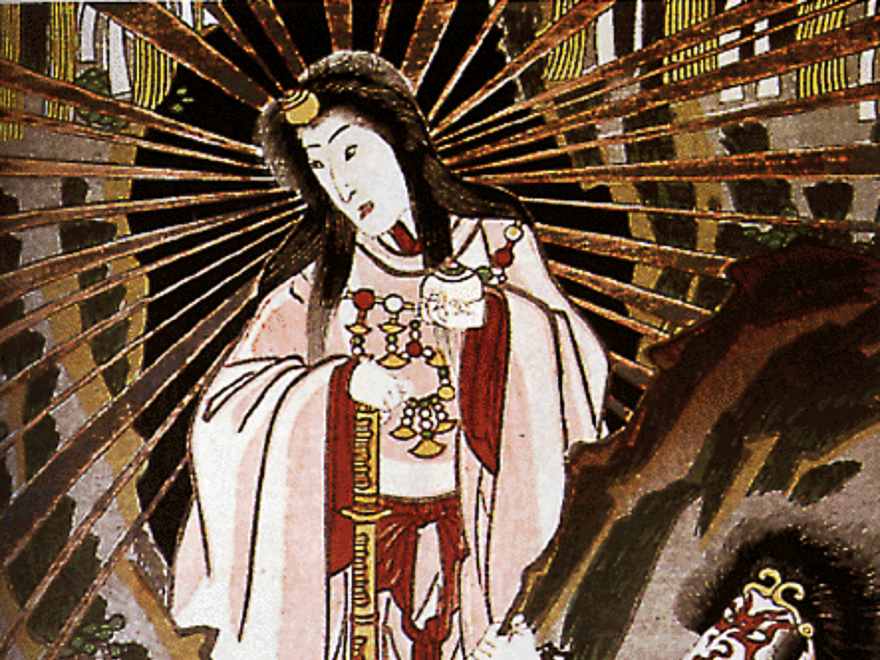
Abe no Seimei was a real court astrologer who served Heian emperors. Over centuries, he became a central figure in Japanese folklore, celebrated for his magical abilities and battles against rival sorcerers.
- Served as an onmyōji for Heian emperors from 921 to 1005 AD
- Mother was a kitsune named Kuzunoha according to legend
- Created the Seiman pentagram symbol for Onmyōdō
- Shrine in Kyoto features pentagrams and bellflowers
- Inspired films like Onmyōji and manga like Shaman King
What it is
Abe no Seimei is a celebrated figure in Japanese history and folklore. He served as an onmyōji, a specialist in Onmyōdō, at the imperial court during the Heian period. His role involved advising rulers on spiritual matters, predicting celestial events, and performing rites to protect the state. While historical records confirm his existence, popular culture has transformed him into a legendary magician comparable to Merlin. Stories depict him using supernatural powers to solve mysteries and defeat evil spirits.
Where it comes from
Born in 921 AD near Sakurai, Seimei lived until 1005 AD. His ancestry remains debated, with theories linking him to Abe no Nakamaro or Abe no Miushi. Legends claim his mother was a kitsune, or fox spirit, named Kuzunoha, which granted him early supernatural abilities. He studied under diviners like Kamo no Tadayuki and Kamo no Yasunori.
How it is done
Folklore describes Seimei engaging in magical duels and divination contests. In one famous tale, he outsmarted a rival by transforming mandarin oranges into rats during a prediction challenge. He performed exorcisms, analyzed strange occurrences, and used geomancy to ward off malevolent forces. His methods included interpreting celestial signs to predict political changes, such as the abdication of Emperor Kazan. These acts established his reputation as a master of both science and magic.
Tools and materials
The pentagram, known as the Seiman or Seal of Abe no Seimei, is his primary symbol. Originally his personal seal, it later represented the government ministry of Onmyōdō. The shrine dedicated to him sells amulets featuring this five-pointed star alongside the Chinese bellflower. Other narrative tools include boxes used in divination games and the ability to command spirits like oni from a young age.
Abe no Seimei, drawn and placed
- Living
- Revived
- Fading
- Historical
- Legendary
- Performed
- Lineage
- Onmyōdō
What it is for
Seimei’s work aimed to ensure the safety and stability of the Heian government and its emperors. He prayed for their well-being and advised on spiritually correct actions to resolve crises. His divinations helped navigate political shifts, while his exorcisms protected the realm from harmful entities. Over time, his legacy shifted from practical court service to a source of cultural wonder and entertainment.
Who does it
Historically, Seimei was a trained scholar-official specializing in astrology and geomancy. He succeeded his teachers in these roles, managing calendar duties and celestial predictions. Modern portrayals often depict him as a handsome youth or a wise mentor. Scholars note that his image has been adapted across various media, from manga to film, reflecting changing cultural interests rather than historical reality.
Peoples and places
The legend is deeply rooted in Japanese culture. It appears in classical texts like the Konjaku Monogatarishū and modern novels such as Teito Monogatari. International audiences have encountered Seimei through films like Onmyōji and anime series. His story resonates across different regions, including adaptations in Taiwan and China, where he is reimagined within local fantasy contexts.
At a glance: who, where and when
Peoples
Belief worlds

What people believe
Onmyōdō blends Taoist, Buddhist, and indigenous beliefs. Seimei is viewed as a bridge between the human and spirit worlds. The belief in his kitsune heritage explains his unique powers. Followers of the tradition respect the Seiman symbol as a protective emblem. The narrative emphasizes balance, using knowledge to maintain order against chaos and demonic influences.
When it is done
However, his shrine in Kyoto attracts visitors year-round. The anniversary of his birth or death does not appear to be a major public holiday. Cultural celebrations often occur around the release of new media featuring his character, drawing fans to related sites and events.
How scholars and sceptics see it
Researchers recognize Seimei as a historical figure whose life was embellished over time. They compare him to Merlin due to similar legendary arcs involving mixed heritage and magical prowess. Academic work focuses on his actual role as an astrologer and his influence on the Onmyōryō ministry. Skeptics view the supernatural elements as folklore developed to explain his success and longevity.
Cautions and what is closed
There are no recorded harms or legal risks associated with Seimei himself. Some fictional portrayals depict him as a villain or dark lord, but these are artistic inventions. The legend does not involve dangerous rituals or health warnings. It is treated as a safe, entertaining part of cultural heritage.
Compare and confuse
Seimei is often compared to Merlin because both are legendary magicians with mysterious origins. Unlike Merlin, Seimei’s historical record is more substantial. He is also distinct from other Japanese spirits, as he is a human who mastered magic rather than a spirit itself. His symbol, the pentagram, differs from Western interpretations by representing governmental authority.
Questions people ask about Abe no Seimei
Who was Abe no Seimei?
He was a historical Japanese court official and astrologer who served during the Heian period. Later folklore transformed him into a legendary magician known for his wisdom and supernatural abilities.
What is the Seiman symbol?
The Seiman is a five-pointed star or pentagram. It originated as Abe no Seimei's personal seal and became the official symbol for the Onmyōdō ministry and the practice itself.
Was Abe no Seimei half-spirit?
Legends say his mother was a kitsune, or fox spirit, named Kuzunoha. This heritage is said to have given him special powers and allowed him to command spirits from a young age.
Where can I visit a shrine for him?
The Seimei Shrine is located in Kyoto, Japan. It stands near his supposed home and features decorations with his signature pentagram symbol, attracting fans of his stories.
Good reading and sources
- Abe no Seimei on WikipediaEncyclopedia
- More photos on Wikimedia CommonsPhotos and video
- Wikidata recordOpen data
The facts on this page come from the Wikipedia article "Abe no Seimei", written by its contributors and used under the CC BY-SA 4.0 licence, and from its Wikidata record (CC0). EveryJaadu rewrote the text in its own words, with AI assistance, and compares every page with the article to make sure no passage is copied. It may be reused under the same CC BY-SA 4.0 licence with a link back.
It may contain mistakes. Names and customs differ from one community to the next, and some knowledge is closed to outsiders and left out here. This page describes belief and practice. It does not say that any of it works, it is not a how-to, and it is not medical advice. If something is wrong, tell us. Last refreshed 2026-10-06.
More from Japan
All the entries from Japan 🇨🇳 China and 5 moreGhost FestivalZhongyuan Festival; Yulanpen Festival
A festival to feed wandering spirits and guide them home during the seventh lunar month.Tradition · Speaking with spirits and the dead · Protection Living
🇨🇳 China and 5 moreGhost FestivalZhongyuan Festival; Yulanpen Festival
A festival to feed wandering spirits and guide them home during the seventh lunar month.Tradition · Speaking with spirits and the dead · Protection Living
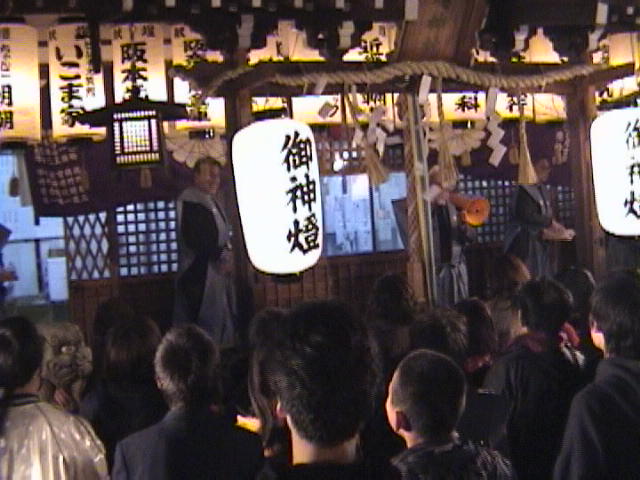 🇯🇵 JapanSetsubun節分
A Japanese seasonal rite to drive away bad luck and welcome spring with roasted beansRite · Protection · Luck and prosperity Living
🇯🇵 JapanOnmyōdō陰陽道
A Japanese system of divination and calendar science rooted in yin-yang philosophyTradition · Seeing and foretelling · Protection Revived
🇯🇵 JapanSetsubun節分
A Japanese seasonal rite to drive away bad luck and welcome spring with roasted beansRite · Protection · Luck and prosperity Living
🇯🇵 JapanOnmyōdō陰陽道
A Japanese system of divination and calendar science rooted in yin-yang philosophyTradition · Seeing and foretelling · Protection Revived
 🇯🇵 JapanShinto shrine神社 (jinja)
A structure housing kami deities within the Shinto tradition of JapanTradition · Protection · Speaking with spirits and the dead Living
🇯🇵 JapanShinto shrine神社 (jinja)
A structure housing kami deities within the Shinto tradition of JapanTradition · Protection · Speaking with spirits and the dead Living
Related elsewhere
All figure 🇪🇬 Egypt and 1 moreSphinx
A mythical hybrid with a human head and lion body, serving as guardian or riddler in Egyptian and Greek traditions.Being · Protection · Wonder and entertainment Legendary
🇪🇬 EgyptDjedi
A fictional magician from the Westcar Papyrus who resurrects animals and foretells a king's lineage.Figure · Seeing and foretelling · Wonder and entertainment Legendary
🇪🇬 Egypt and 1 moreSphinx
A mythical hybrid with a human head and lion body, serving as guardian or riddler in Egyptian and Greek traditions.Being · Protection · Wonder and entertainment Legendary
🇪🇬 EgyptDjedi
A fictional magician from the Westcar Papyrus who resurrects animals and foretells a king's lineage.Figure · Seeing and foretelling · Wonder and entertainment Legendary
 🇪🇸 Spain and 5 moreSt John's Eve
A Christian vigil marked by bonfires and plant gathering on the summer solstice eveRite · Protection · Speaking with spirits and the dead Living
🇪🇸 Spain and 5 moreSt John's Eve
A Christian vigil marked by bonfires and plant gathering on the summer solstice eveRite · Protection · Speaking with spirits and the dead Living
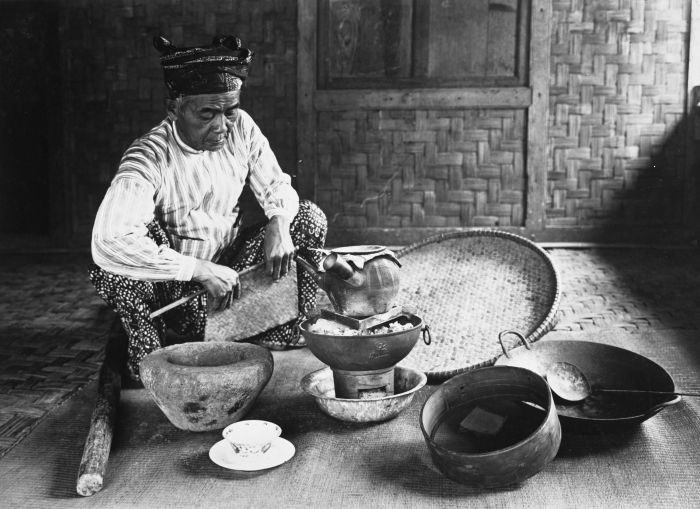 🇮🇩 Indonesia and 2 moreDukun
A traditional healer and spirit medium in Indonesian folk practiceTradition · Healing · Seeing and foretelling Living
🇮🇩 Indonesia and 2 moreDukun
A traditional healer and spirit medium in Indonesian folk practiceTradition · Healing · Seeing and foretelling Living