Households and ordinary people
Grandmothers, parents and neighbours doing the small things: the knot, the salt, the red thread.
Households and ordinary people do most of the world's magic: the grandmother who ties a thread on a baby's wrist, the neighbour who throws salt, the shopkeeper who hangs a lemon and chillies, the family that burns incense before a photograph. These people are not specialists and often do not call it magic. This page looks at the domestic side of the subject, which is the commonest and least written about.
Everyday customs
Household practice is woven into daily life: sweeping at new year, a bead on a cradle, a horseshoe over a door, a charm in a car. It tends to be practical, brief and handed down within the family. Many people say they do it because their mother did, or to be safe. It rarely needs a priest, a text or a fee. The hands that do it are those of mothers and grandmothers, who also cook, clean and care, so the magic is part of the labour of the home.
Women and the home
Women are the principal keepers of household custom in many societies, as mothers, grandmothers and aunts. Their knowledge covers birth, child care, food, illness, marriage and death. That knowledge is often undervalued by the formal religion and by scholars, and was also the source of accusations in the witch trials, in which women who were midwives or healers were prominent. A household custom is learned by watching and may never be explained, since the practitioner does not see it as special.
Faith and the home
Religious leaders have seen household custom as faith, as superstition or as a nuisance. Reformers in Protestant Europe, Salafi Islam and some Hindu and Buddhist movements have told people to give up such practices. Many people keep them regardless. In the diaspora, the home customs are sometimes the part of heritage that lasts longest, and are carried to new countries in suitcases. In cities, small shrines, protective charms and everyday rituals often survive in apartments, taxis and shops.
Why scholars care
Anthropologists of everyday religion and folklorists record these customs as evidence of how people manage risk. They show how belief and practice differ, since people may say they do not believe and still knock on wood. Household magic is also the easiest to commercialise, in shops selling charms and kits that detach customs from their homes. A new student or visitor may find that families who say they do not believe still follow such customs carefully, and this gap is one of the more interesting findings.
Households and ordinary people on EveryJaadu
The entries written up so far, best known first.
 🇨🇳 China and 1 moreDongyue Dadi東嶽大帝
The Chinese mountain god of Mount Tai who rules lifespans and underworld recordsBeing · Speaking with spirits and the dead · Power and authority Living
🇳🇿 New ZealandKarakia
Māori recitations used for spiritual guidance, protection, and formal greetingsTradition · Protection · Speaking with spirits and the dead Living
🇨🇳 China and 1 moreDongyue Dadi東嶽大帝
The Chinese mountain god of Mount Tai who rules lifespans and underworld recordsBeing · Speaking with spirits and the dead · Power and authority Living
🇳🇿 New ZealandKarakia
Māori recitations used for spiritual guidance, protection, and formal greetingsTradition · Protection · Speaking with spirits and the dead Living
 🇦🇺 AustraliaSmoking ceremony
A ritual using herbal smoke for cleansing and welcoming among Aboriginal AustraliansRite · Cleansing and purification · Speaking with spirits and the dead Living
🇬🇧 United Kingdom and 4 moreTelling the bees
A Western European custom of informing bees about major household eventsRite · Protection · Speaking with spirits and the dead Living
🇯🇵 JapanYutaユタ
Okinawan folk shamans who guide families through spirits and fortune-tellingTradition · Protection · Healing Living
🇦🇺 AustraliaSmoking ceremony
A ritual using herbal smoke for cleansing and welcoming among Aboriginal AustraliansRite · Cleansing and purification · Speaking with spirits and the dead Living
🇬🇧 United Kingdom and 4 moreTelling the bees
A Western European custom of informing bees about major household eventsRite · Protection · Speaking with spirits and the dead Living
🇯🇵 JapanYutaユタ
Okinawan folk shamans who guide families through spirits and fortune-tellingTradition · Protection · Healing Living
 🇰🇪 Kenya and 1 moreMaasai religion
The spiritual beliefs of the semi-nomadic Maasai people of East AfricaTradition · Protection · Healing Living
🇰🇪 Kenya and 1 moreMaasai religion
The spiritual beliefs of the semi-nomadic Maasai people of East AfricaTradition · Protection · Healing Living
 🇮🇹 Italy and 5 moreRelic
An object or body part kept to honor a holy person and mark their connection to the divineCharm · Protection · Healing Living
🇮🇶 IraqKispu
An ancient Mesopotamian ritual to feed and honour the dead ancestorsRite · Speaking with spirits and the dead · Protection Historical
🇮🇹 Italy and 5 moreRelic
An object or body part kept to honor a holy person and mark their connection to the divineCharm · Protection · Healing Living
🇮🇶 IraqKispu
An ancient Mesopotamian ritual to feed and honour the dead ancestorsRite · Speaking with spirits and the dead · Protection Historical
 🇸🇳 Senegal and 5 moreAncestor veneration
Rituals of respect and offerings for the dead across many culturesTradition · Protection · Speaking with spirits and the dead Living
🇸🇳 Senegal and 5 moreAncestor veneration
Rituals of respect and offerings for the dead across many culturesTradition · Protection · Speaking with spirits and the dead Living
 🇪🇬 Egypt and 1 moreAncient Egyptian religion
Polytheistic worship, divine kingship, and funerary rites along the NileTradition · Protection · Speaking with spirits and the dead Historical
🇪🇬 Egypt and 1 moreAncient Egyptian religion
Polytheistic worship, divine kingship, and funerary rites along the NileTradition · Protection · Speaking with spirits and the dead Historical
 🇯🇵 Japan and 1 moreAinu religion
The animist spiritual beliefs and ritual practices of the Ainu people of Japan and RussiaTradition · Protection · Speaking with spirits and the dead Living
🇯🇵 Japan and 1 moreAinu religion
The animist spiritual beliefs and ritual practices of the Ainu people of Japan and RussiaTradition · Protection · Speaking with spirits and the dead Living
 🇨🇳 China and 5 moreGhost FestivalZhongyuan Festival; Yulanpen Festival
A festival to feed wandering spirits and guide them home during the seventh lunar month.Tradition · Speaking with spirits and the dead · Protection Living
🇨🇳 China and 5 moreGhost FestivalZhongyuan Festival; Yulanpen Festival
A festival to feed wandering spirits and guide them home during the seventh lunar month.Tradition · Speaking with spirits and the dead · Protection Living
 🇷🇺 Russia and 2 moreDomovoyДомовой
A household spirit in Slavic folklore that guards the family and home.Being · Protection · Seeing and foretelling Historical
🇷🇺 Russia and 2 moreDomovoyДомовой
A household spirit in Slavic folklore that guards the family and home.Being · Protection · Seeing and foretelling Historical
 🇮🇪 Ireland and 5 moreCairn
A human-made stack of stones used as a marker, memorial, or religious symbol across many cultures.Tradition · Protection · Speaking with spirits and the dead Living
🇮🇪 Ireland and 5 moreCairn
A human-made stack of stones used as a marker, memorial, or religious symbol across many cultures.Tradition · Protection · Speaking with spirits and the dead Living
 🇮🇳 India and 1 morePitru Pakshaपितृ पक्ष
A sixteen-day Hindu period for honoring ancestors through food offerings and death ritesTradition · Speaking with spirits and the dead · Luck and prosperity Living
🇮🇳 India and 1 morePitru Pakshaपितृ पक्ष
A sixteen-day Hindu period for honoring ancestors through food offerings and death ritesTradition · Speaking with spirits and the dead · Luck and prosperity Living
 🇪🇬 Egypt and 1 moreEye of Horuswḏꜣt
A stylized eye symbol in ancient Egypt representing healing and cosmic orderCharm · Protection · Healing Historical
🇪🇬 Egypt and 1 moreEye of Horuswḏꜣt
A stylized eye symbol in ancient Egypt representing healing and cosmic orderCharm · Protection · Healing Historical
 🇪🇬 Egypt and 2 moreLibation
The ritual pouring of liquid as an offering to spirits or the deadRite · Speaking with spirits and the dead · Protection Living
🇪🇬 Egypt and 2 moreLibation
The ritual pouring of liquid as an offering to spirits or the deadRite · Speaking with spirits and the dead · Protection Living
 🇸🇩 Sudan and 5 moreIncense
Aromatic plant materials burned to release fragrant smoke for ritual, scent, or timekeeping.Substance · Protection · Speaking with spirits and the dead Living
🇸🇩 Sudan and 5 moreIncense
Aromatic plant materials burned to release fragrant smoke for ritual, scent, or timekeeping.Substance · Protection · Speaking with spirits and the dead Living
 🇪🇬 EgyptScarab
A carved beetle amulet and seal used in ancient Egypt for protection, identity, and ritual.Charm · Protection · Luck and prosperity Historical
🇪🇬 EgyptScarab
A carved beetle amulet and seal used in ancient Egypt for protection, identity, and ritual.Charm · Protection · Luck and prosperity Historical
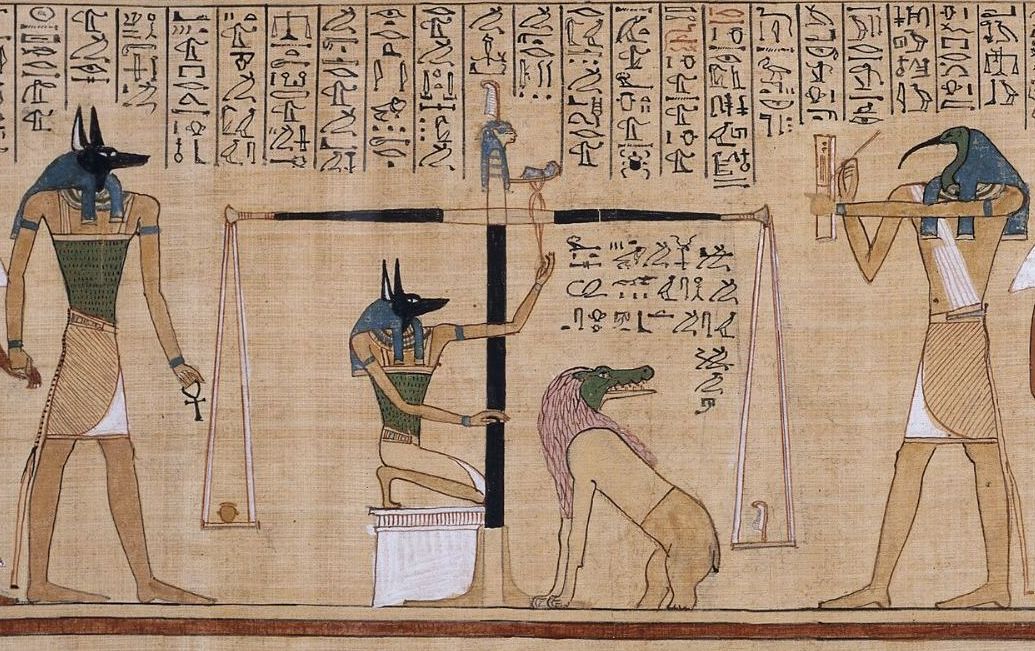 🇪🇬 EgyptAncient Egyptian afterlife beliefs
A system of rituals and texts guiding the soul through the underworld to eternal rebirthTradition · Protection · Speaking with spirits and the dead Historical
🇪🇬 EgyptAncient Egyptian afterlife beliefs
A system of rituals and texts guiding the soul through the underworld to eternal rebirthTradition · Protection · Speaking with spirits and the dead Historical
 🇮🇳 India and 5 moreAncestor worship
Rites of respect for the dead that maintain family bonds and seek spiritual guidanceTradition · Protection · Speaking with spirits and the dead Living
🇮🇳 India and 5 moreAncestor worship
Rites of respect for the dead that maintain family bonds and seek spiritual guidanceTradition · Protection · Speaking with spirits and the dead Living
 🇮🇪 Ireland and 5 moreHalloween
A Christian vigil on 31 October for the dead, now marked by costumes and carved vegetablesRite · Speaking with spirits and the dead · Protection Living
🇮🇪 Ireland and 5 moreHalloween
A Christian vigil on 31 October for the dead, now marked by costumes and carved vegetablesRite · Speaking with spirits and the dead · Protection Living
 🇨🇿 Czech RepublicCzech folklore
The folk traditions of the Czech people, from seasonal rites to music and craft.Tradition · Protection · Luck and prosperity Living
🇨🇿 Czech RepublicCzech folklore
The folk traditions of the Czech people, from seasonal rites to music and craft.Tradition · Protection · Luck and prosperity Living
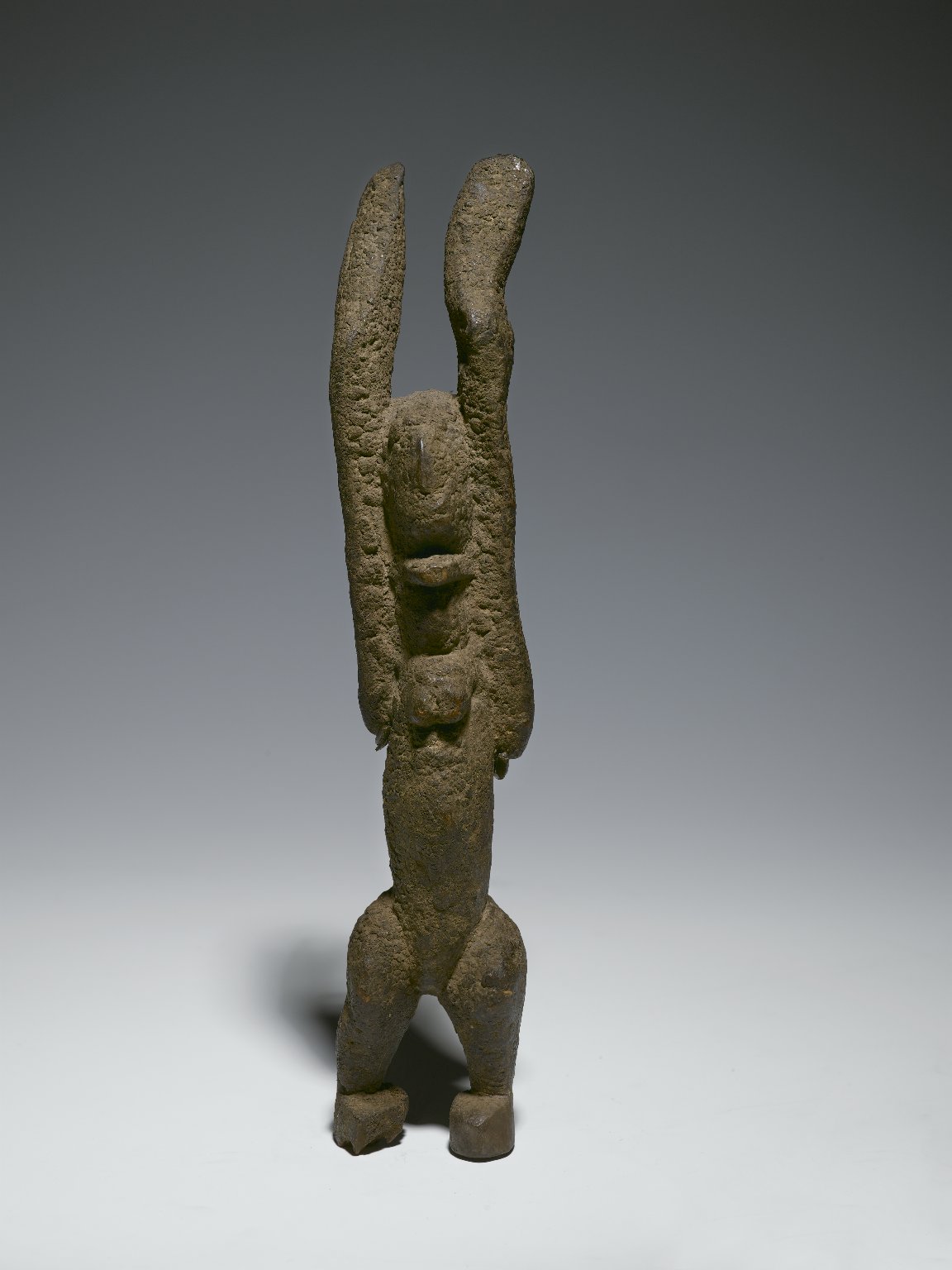 🇲🇱 MaliDogon religion
The traditional spiritual beliefs of the Dogon people of MaliTradition · Protection · Speaking with spirits and the dead Living
🇲🇱 MaliDogon religion
The traditional spiritual beliefs of the Dogon people of MaliTradition · Protection · Speaking with spirits and the dead Living
 🇻🇺 Vanuatu and 5 moreKava culture
A shared ritual across Oceania where a root brew marks ceremony, respect, and social gathering.Tradition · Speaking with spirits and the dead · Luck and prosperity Living
🇳🇿 New Zealand and 5 moreTapu
A Polynesian concept of sacred restriction and spiritual prohibitionTradition · Protection · Speaking with spirits and the dead Living
🇻🇺 Vanuatu and 5 moreKava culture
A shared ritual across Oceania where a root brew marks ceremony, respect, and social gathering.Tradition · Speaking with spirits and the dead · Luck and prosperity Living
🇳🇿 New Zealand and 5 moreTapu
A Polynesian concept of sacred restriction and spiritual prohibitionTradition · Protection · Speaking with spirits and the dead Living
 🇪🇬 EgyptDjedḏd
An ancient Egyptian pillar symbol representing stability and resurrectionCharm · Protection · Power and authority Historical
🇪🇬 EgyptDjedḏd
An ancient Egyptian pillar symbol representing stability and resurrectionCharm · Protection · Power and authority Historical
 🇲🇽 Mexico and 5 moreDay of the DeadDía de los Muertos
A Mexican holiday honoring the dead with altars, food, and humor during Allhallowtide.Tradition · Speaking with spirits and the dead · Luck and prosperity Living
🇲🇽 Mexico and 5 moreDay of the DeadDía de los Muertos
A Mexican holiday honoring the dead with altars, food, and humor during Allhallowtide.Tradition · Speaking with spirits and the dead · Luck and prosperity Living
 🇨🇳 China and 1 moreAncestor veneration in China中國傳統宗法性宗教
Rites for dead kin who are thought to watch over the familyTradition · Protection · Speaking with spirits and the dead Living
🇨🇳 China and 1 moreAncestor veneration in China中國傳統宗法性宗教
Rites for dead kin who are thought to watch over the familyTradition · Protection · Speaking with spirits and the dead Living
 🇪🇬 Egypt and 2 moreIsisꜣst (Egyptian)
Egyptian goddess of magic, mourning and kingship, mother of HorusBeing · Protection · Healing Historical
🇪🇬 Egypt and 2 moreIsisꜣst (Egyptian)
Egyptian goddess of magic, mourning and kingship, mother of HorusBeing · Protection · Healing Historical
 🇯🇵 JapanMount Osore恐山
A volcanic pilgrimage site in Japan believed to be a gateway to the underworldTradition · Speaking with spirits and the dead · Protection Living
🇯🇵 JapanMount Osore恐山
A volcanic pilgrimage site in Japan believed to be a gateway to the underworldTradition · Speaking with spirits and the dead · Protection Living
 🇲🇬 MadagascarMalagasy mythology
The oral traditions and ancestral beliefs of the Malagasy people in MadagascarTradition · Speaking with spirits and the dead · Protection Living
🇲🇬 MadagascarMalagasy mythology
The oral traditions and ancestral beliefs of the Malagasy people in MadagascarTradition · Speaking with spirits and the dead · Protection Living
 🇬🇧 United Kingdom and 3 moreJet
A black gemstone carved into amulets and mourning jewellery for centuriesCharm · Protection · Luck and prosperity Historical
🇬🇧 United Kingdom and 3 moreJet
A black gemstone carved into amulets and mourning jewellery for centuriesCharm · Protection · Luck and prosperity Historical
 🇯🇵 Japan and 1 moreGood Luck Flag寄せ書き日の丸 (yosegaki hinomaru)
A Japanese national flag signed by loved ones to wish a soldier safety and victory.Charm · Protection · Luck and prosperity Living
🇯🇵 Japan and 1 moreGood Luck Flag寄せ書き日の丸 (yosegaki hinomaru)
A Japanese national flag signed by loved ones to wish a soldier safety and victory.Charm · Protection · Luck and prosperity Living
 🇪🇬 Egypt and 1 moreHypocephalus
An ancient Egyptian disk placed under the head of the dead for protection and rebirthCharm · Protection · Speaking with spirits and the dead Historical
🇪🇬 Egypt and 1 moreHypocephalus
An ancient Egyptian disk placed under the head of the dead for protection and rebirthCharm · Protection · Speaking with spirits and the dead Historical
 🇨🇳 China and 2 moreChinese burial money瘞錢 (yì qián)
Imitations of currency placed in Chinese graves to serve the deceased in the afterlife.Charm · Protection · Luck and prosperity Historical
🇯🇵 JapanJapanese superstitions
Common beliefs in Japan about luck, numbers, and omens rooted in language and customBelief · Luck and prosperity · Protection Living
🇨🇳 China and 2 moreChinese burial money瘞錢 (yì qián)
Imitations of currency placed in Chinese graves to serve the deceased in the afterlife.Charm · Protection · Luck and prosperity Historical
🇯🇵 JapanJapanese superstitions
Common beliefs in Japan about luck, numbers, and omens rooted in language and customBelief · Luck and prosperity · Protection Living
 🇮🇹 Italy and 5 moreSaint Michael
A Christian archangel who defends the faithful and weighs soulsBeing · Protection · Cursing and harm Living
🇮🇹 Italy and 5 moreSaint Michael
A Christian archangel who defends the faithful and weighs soulsBeing · Protection · Cursing and harm Living
 🇨🇳 ChinaSuperstition in China
A broad category for folk beliefs and rituals dismissed as backward by modern Chinese authoritiesBelief · Protection · Luck and prosperity Living
🇨🇳 ChinaSuperstition in China
A broad category for folk beliefs and rituals dismissed as backward by modern Chinese authoritiesBelief · Protection · Luck and prosperity Living
 🇺🇸 United StatesNew England vampire panic
A folk response to tuberculosis involving the exhumation and burning of organsBelief · Protection · Healing Historical
🇺🇸 United StatesNew England vampire panic
A folk response to tuberculosis involving the exhumation and burning of organsBelief · Protection · Healing Historical
 🇯🇵 Japan and 4 moreKṣitigarbhaक्षितिगर्भ
A bodhisattva vowed to empty the hells and guard children, shown with a staff and jewel.Being · Protection · Speaking with spirits and the dead Living
🇯🇵 Japan and 4 moreKṣitigarbhaक्षितिगर्भ
A bodhisattva vowed to empty the hells and guard children, shown with a staff and jewel.Being · Protection · Speaking with spirits and the dead Living
 🇮🇩 IndonesiaMarapu
Ancestral religion of Sumba and Flores in IndonesiaTradition · Speaking with spirits and the dead · Protection Living
🇺🇸 United StatesJewett City vampires
A 19th-century New England family's belief in undead plague and their violent response to it.Belief · Protection Historical
🇮🇩 IndonesiaMarapu
Ancestral religion of Sumba and Flores in IndonesiaTradition · Speaking with spirits and the dead · Protection Living
🇺🇸 United StatesJewett City vampires
A 19th-century New England family's belief in undead plague and their violent response to it.Belief · Protection Historical
 🇿🇦 South Africa and 1 moreSacred caves of the Basotho
Cave networks in South Africa and Lesotho used by the Basotho for ancestral rituals and healingTradition · Healing · Protection Living
🇿🇦 South Africa and 1 moreSacred caves of the Basotho
Cave networks in South Africa and Lesotho used by the Basotho for ancestral rituals and healingTradition · Healing · Protection Living
 🇭🇹 HaitiChristian-Vodou
The blending of Haitian Vodou and Roman Catholicism into a single spiritual practiceTradition · Speaking with spirits and the dead · Protection Living
🇭🇹 HaitiChristian-Vodou
The blending of Haitian Vodou and Roman Catholicism into a single spiritual practiceTradition · Speaking with spirits and the dead · Protection Living
 🇪🇬 EgyptMenatmnj.t
A beaded necklace and rattle linked to Hathor for protection and luck in ancient EgyptCharm · Protection · Luck and prosperity Historical
🇪🇬 EgyptMenatmnj.t
A beaded necklace and rattle linked to Hathor for protection and luck in ancient EgyptCharm · Protection · Luck and prosperity Historical
 🇮🇳 India and 5 moreLock of hair
A piece of human hair kept for symbolic, sentimental, or superstitious reasons.Substance · Protection · Luck and prosperity Living
🇺🇦 Ukraine and 5 moreBullroarer
A wooden slat on a string that produces a roaring sound for ritual and communication.Tradition · Protection · Speaking with spirits and the dead Living
🇮🇳 India and 5 moreLock of hair
A piece of human hair kept for symbolic, sentimental, or superstitious reasons.Substance · Protection · Luck and prosperity Living
🇺🇦 Ukraine and 5 moreBullroarer
A wooden slat on a string that produces a roaring sound for ritual and communication.Tradition · Protection · Speaking with spirits and the dead Living
Photo credits on this page
The small pictures above come from Wikimedia Commons under free licences. Some are cropped to fit.
- Good Luck Flag: takato marui, CC BY-SA 2.0, source
- Libation: Arkady Zarubin ( Аркадий Зарубин ), CC BY-SA 3.0, source
- Incense: nakimusi, CC BY 2.0, source
- Chinese burial money: Gary Todd, CC0, source
- Scarab: Unknown author, CC BY 4.0, source
- Ancient Egyptian afterlife beliefs: Hunefer, Public domain, source
- Ancestor worship: Lyn Gateley, CC BY 2.0, source
- Halloween: Toby Ord, CC BY-SA 2.5, source
- Hypocephalus: rob koopman, CC BY-SA 2.0, source
- Czech folklore: Biser Todorov, CC BY-SA 4.0, source
- Dogon religion: Unknown author, CC BY 3.0, source
- Kava culture: Jaejay77, CC BY-SA 4.0, source
- Djed: Anonymous ( Egypt ) Unknown author, Public domain, source
- Ancestor veneration in China: Three huntings, CC BY-SA 4.0, source
- Day of the Dead: RubeHM, CC BY-SA 4.0, source
- Isis: Ägyptischer Maler um 1360 v. Chr., Public domain, source
- Mount Osore: Douglas P Perkins ( Douglaspperkins ( talk )), CC BY 3.0, source
- Folk Catholicism: Calvin Hennick, for WBUR Boston, CC BY 3.0, source
- Marapu: Unknown author, CC BY-SA 3.0, source
- Sacred caves of the Basotho: JMK, CC BY-SA 3.0, source
- Menat: Anagoria, CC BY 3.0, source
- Famadihana: Saveoursmile (Hery Zo Rakotondramanana), CC BY-SA 2.0, source
- Jet: Thmsfrst, Public domain, source
- Smoking ceremony: Shillings1005, CC BY-SA 4.0, source
- Lock of hair: Unknown author, CC0, source
- Maasai religion: Dr. Ondřej Havelka (cestovatel), CC BY 4.0, source
- Relic: MathieuGuy, CC BY-SA 3.0, source
- Dongyue Dadi: H2v5o68z, CC0, source
- Ancestor veneration: Thang Nguyen, CC BY-SA 2.0, source
- Ancient Egyptian religion: Moh hakem, CC BY-SA 4.0, source
- Ainu religion: Unknown author, Public domain, source
- Ghost Festival: Chong Fat, CC BY-SA 3.0, source
- Domovoy: Ivan Bilibin, Public domain, source
- Saint Michael: Francesco Botticini, Public domain, source
- New England vampire panic: no credited author, Public domain, source
- Cairn: Andrew Bossi, CC BY-SA 2.5, source
- Kṣitigarbha: སངས་རྒྱས་བཅོམ་ལྡན་འདས།, Public domain, source
- Superstition in China: Gary Todd, CC0, source
- Pitru Paksha: Firoz Shakir, CC BY-SA 3.0, source
- Eye of Horus: Tangopaso, Public domain, source