Festivals: practices that mark them
Samhain, Nowruz fire, Day of the Dead, Walpurgis night and the other days of the magic calendar.
Festivals are the days when a community performs its magic in public. Samhain and Halloween, Walpurgis night, Midsummer, Beltane, Day of the Dead, Nowruz fire-jumping, Diwali, Chinese Ghost Festival, Obon in Japan, Songkran, Carnival and the Burning Man gathering all combine religion, play and custom. This page asks what they do for communities and how they have changed. Many of them are tied to the moon or the sun, and they set the shared calendar of a village or a nation.
Fire, the dead and the season
Festivals cluster around turning points of the year. Fire is common: bonfires on Midsummer in Europe, Chaharshanbe Suri in Iran, Holika in India. The dead return in many: Samhain in Ireland, Obon in Japan, the Day of the Dead in Mexico, the Hungry Ghost Festival in China. In each, offerings of food, light and welcome are set out. Many involve masks, drums, processions and a shared meal, so that rites for protection and fertility become collective events open to the whole village.
Order and inversion
Many festivals allow a licensed breach of the rules. Carnival turns social order upside down, and masquerades in West Africa, such as Egungun among the Yoruba, bring ancestors to the village in cloth. Anthropologists see this as a way to renew order. Some, such as Holi, blur class lines for a day, though real divisions often persist. Within each festival there is usually a night when the dead or the spirits are thought to be close, and a day of celebration after it.
Church and state
Authorities have banned, absorbed and taxed festivals. The Church placed All Saints on the first of November and recast older rites. Puritan England banned Christmas for a time. Communist states discouraged ancestor and spirit festivals, while modern governments often list them as cultural heritage and promote them for tourism. Mexico's Day of the Dead was inscribed by UNESCO in 2008. Many are marked by a day of rest, a shared meal and the lighting of lamps or fires, and children often take a lively role.
Spectacle and respect
Large festivals bring crowds, risk and commerce. Halloween is now a global market, and parts of the Day of the Dead have been staged for visitors and film. Communities often ask guests to behave as guests, especially at rites for the dead or at sacred sites. Safety around fire, crowds and costume deserves care. Anthropologists observe that festivals teach each new generation what the community values, and that changes in a festival often show changes in the community.
Festivals on EveryJaadu
The entries written up so far, best known first.
 🇮🇩 IndonesiaPenjorᬧᬾᬜ᭄ᚚᚚᭀᬃ
A curved bamboo pole marking prosperity in Balinese Hindu ceremonyTradition · Luck and prosperity · Power and authority Living
 🇮🇳 India and 5 moreSnake worship
Veneration of serpents as divine or ancestral beings across global culturesTradition · Protection · Healing Living
 🇮🇷 Iran and 3 moreIranian folkloreفولکلور ایرانی
The oral legends, heroes, and spirits of Greater IranTradition · Protection · Seeing and foretelling Living
 🇮🇳 IndiaBhuta KolaBhūta Kōla
A Tulu spirit dance in which a performer is believed to host a deityTradition · Speaking with spirits and the dead · Protection Living
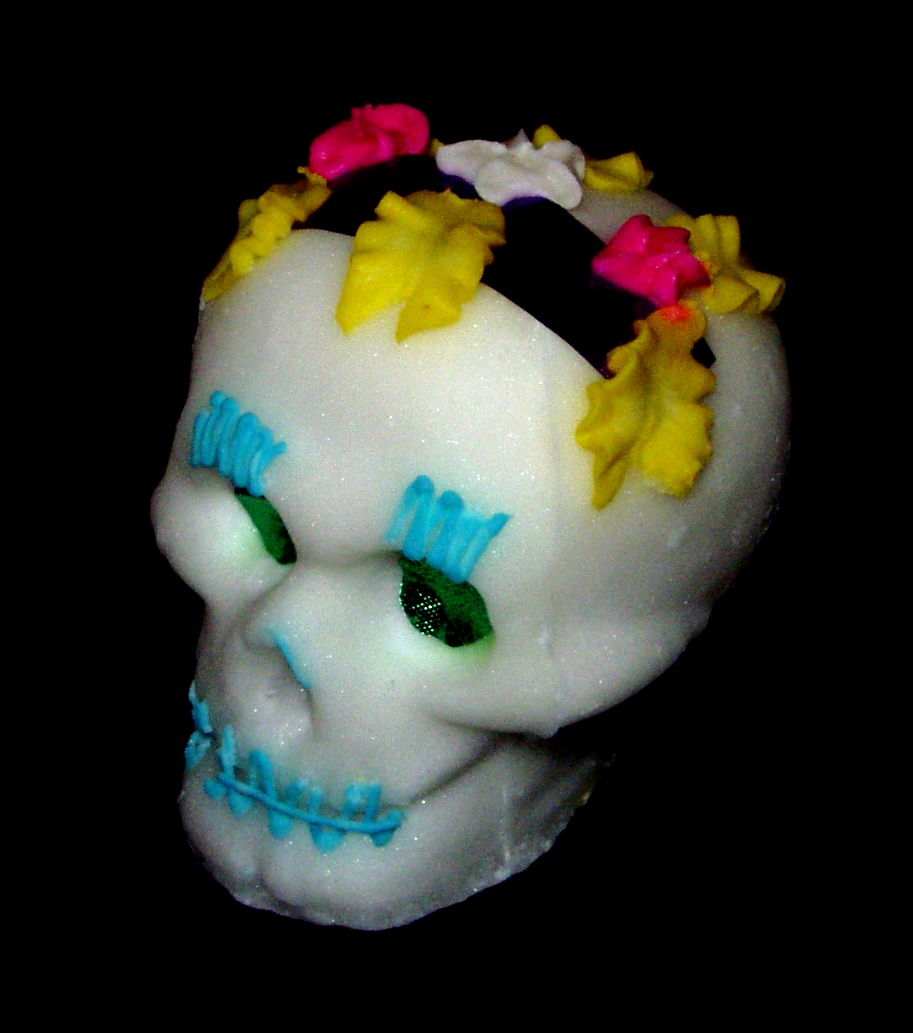 🇲🇽 MexicoCalavera
A sugar or clay skull used in Mexican Day of the Dead celebrations.Charm · Speaking with spirits and the dead · Luck and prosperity Living
 🇭🇹 Haiti and 2 moreLwa
Spirits in Haitian Vodou that mediate between people and the creator god.Being · Protection · Healing Living
 🇻🇺 Vanuatu and 5 moreKava culture
A shared ritual across Oceania where a root brew marks ceremony, respect, and social gathering.Tradition · Speaking with spirits and the dead · Luck and prosperity Living
 🇲🇳 Mongolia and 1 moreTsagaan SarЦагаан сар
The Mongolian Lunar New Year, three days of white foods and family visitsTradition · Luck and prosperity · Cleansing and purification Living
 🇨🇿 Czech RepublicCzech folklore
The folk traditions of the Czech people, from seasonal rites to music and craft.Tradition · Protection · Luck and prosperity Living
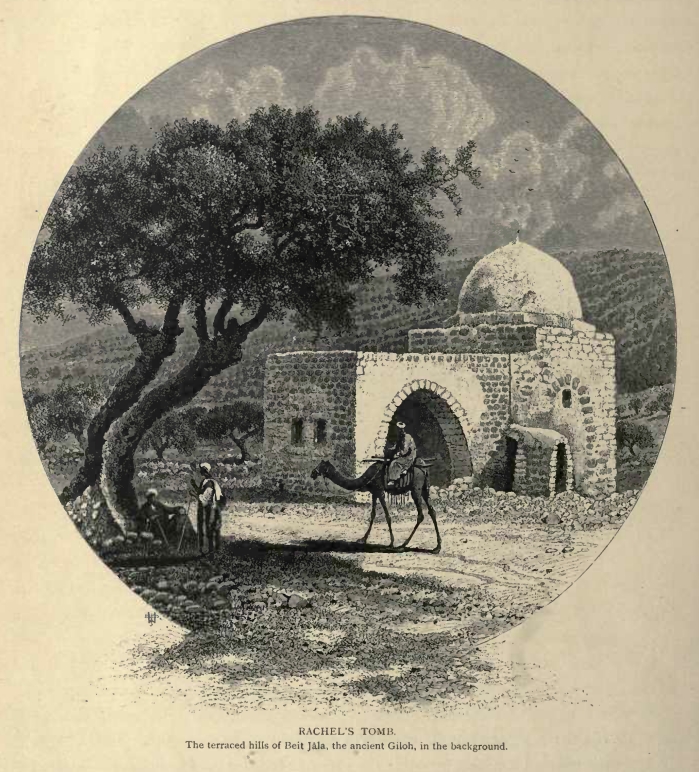 🇵🇸 Palestine and 1 moreRachel's TombQever Raḥel / Qabr Rāḥīl
A shared holy site in Bethlehem revered by Jews, Christians, and Muslims.Tradition · Speaking with spirits and the dead · Protection Living
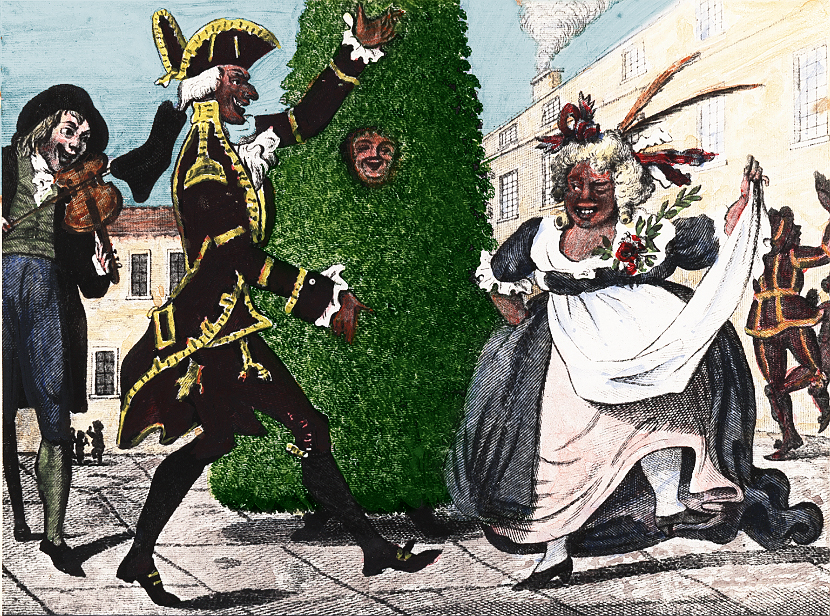 🇬🇧 United KingdomJack in the Green
A foliate figure worn in English May Day processions to celebrate summerIllusion · Wonder and entertainment Revived
 🇦🇺 AustraliaSmoking ceremony
A ritual using herbal smoke for cleansing and welcoming among Aboriginal AustraliansRite · Cleansing and purification · Speaking with spirits and the dead Living
 🇯🇵 JapanShinto shrine神社 (jinja)
A structure in Japan that houses kami, the deities of ShintoTradition · Speaking with spirits and the dead · Protection Living
 🇬🇹 GuatemalaMaximónRi Laj Mam
A Maya folk saint and trickster deity venerated in the Guatemalan HighlandsBeing · Protection · Healing Living
 🇨🇳 China and 5 moreGhost FestivalZhongyuan Jie (中元节)
A festival for appeasing wandering spirits and honoring ancestors in East and Southeast AsiaRite · Speaking with spirits and the dead · Protection Living
🇳🇿 New ZealandKarakia
Māori recitations used for spiritual guidance, protection, and formal greetingsTradition · Protection · Speaking with spirits and the dead Living
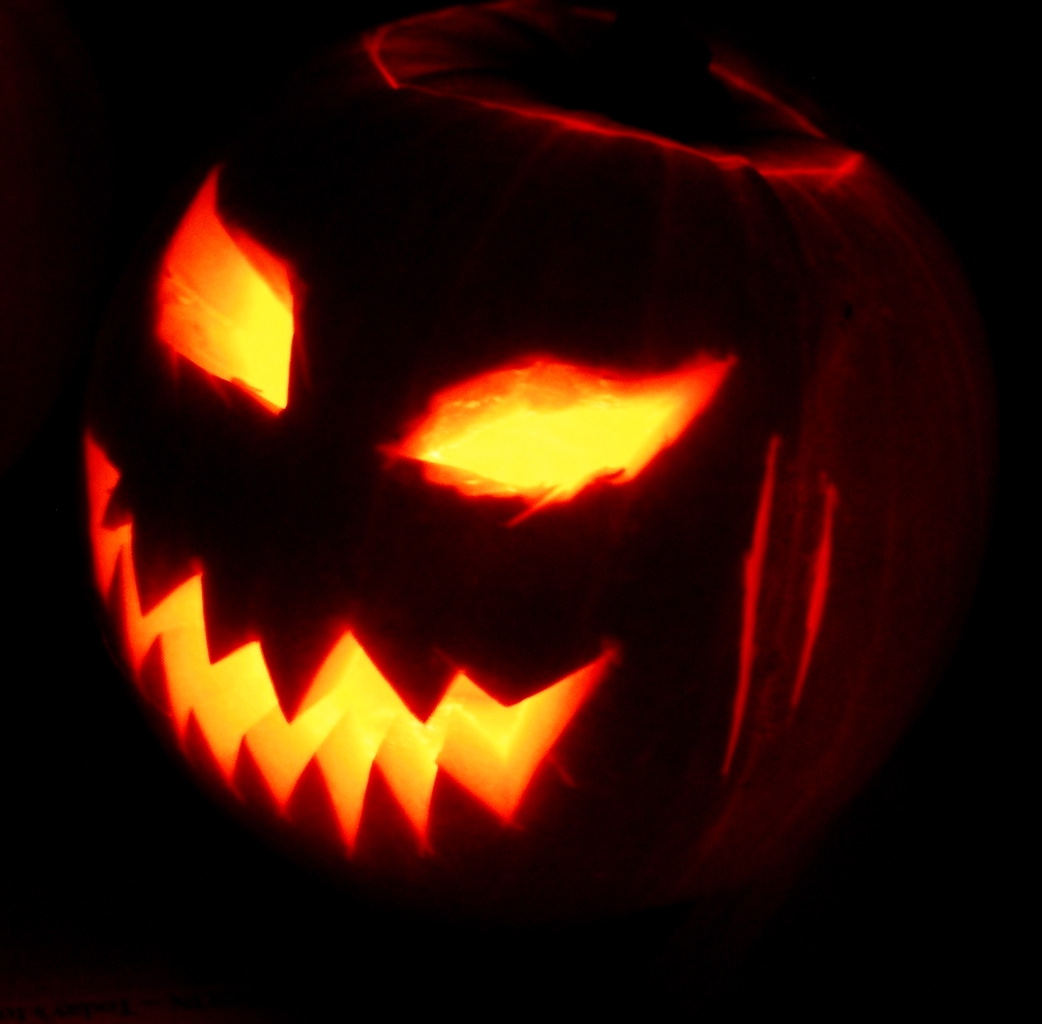 🇮🇪 Ireland and 2 moreJack-o'-lantern
A hollowed vegetable carved with a face and lit from within, worn as a Halloween symbolCharm · Protection · Wonder and entertainment Living
 🇯🇵 JapanKami神
Spirits and deities of Shinto, found in nature, ancestors, and placesBeing · Protection · Luck and prosperity Living
🇮🇪 Ireland and 5 moreHalloween
A Christian vigil on 31 October for the dead, now marked by costumes and carved vegetablesRite · Speaking with spirits and the dead · Protection Living
 🇨🇳 China and 1 moreDongyue Dadi東嶽大帝
The Chinese mountain god of Mount Tai who rules lifespans and underworld recordsBeing · Speaking with spirits and the dead · Power and authority Living
 🇳🇬 Nigeria and 1 moreObatalaỌbatalá
The Yoruba king of white cloth who is believed to have created humanity and presides over purity.Being · Protection · Healing Living
 🇰🇷 South Korea and 1 moreChuseok추석 (Chuseok), 한가위 (Hangawi)
A Korean autumn harvest festival marked by ancestral rites and feasting on the full moon.Tradition · Speaking with spirits and the dead · Luck and prosperity Living
 🇮🇳 IndiaSarnaism
A nature-based faith of India's Adivasi communities centered on sacred grovesTradition · Protection · Speaking with spirits and the dead Living
 🇩🇪 Germany and 5 moreStraw bearStrohbär
A carnival figure wrapped in straw that visits homes for gifts and marks the turning of seasons.Tradition · Luck and prosperity · Cursing and harm Living
 🇦🇷 Argentina and 2 moreSan La Muerte
A skeletal folk saint venerated in South America for protection and favorsTradition · Protection · Healing Living
 🇻🇺 VanuatuLand divingnanggol
A ritual jump from a wooden tower using vines to ensure a good harvestRite · Protection · Speaking with spirits and the dead Living
 🇲🇲 MyanmarNatနတ်
Spirits venerated in Myanmar alongside Buddhism, including deified humans and nature guardians.Tradition · Protection · Speaking with spirits and the dead Living
 🇪🇪 Estonia and 1 moreEstonian mythologyeesti mütoloogia
The pre-Christian beliefs and legends of the Estonian peopleTradition · Protection · Speaking with spirits and the dead Historical
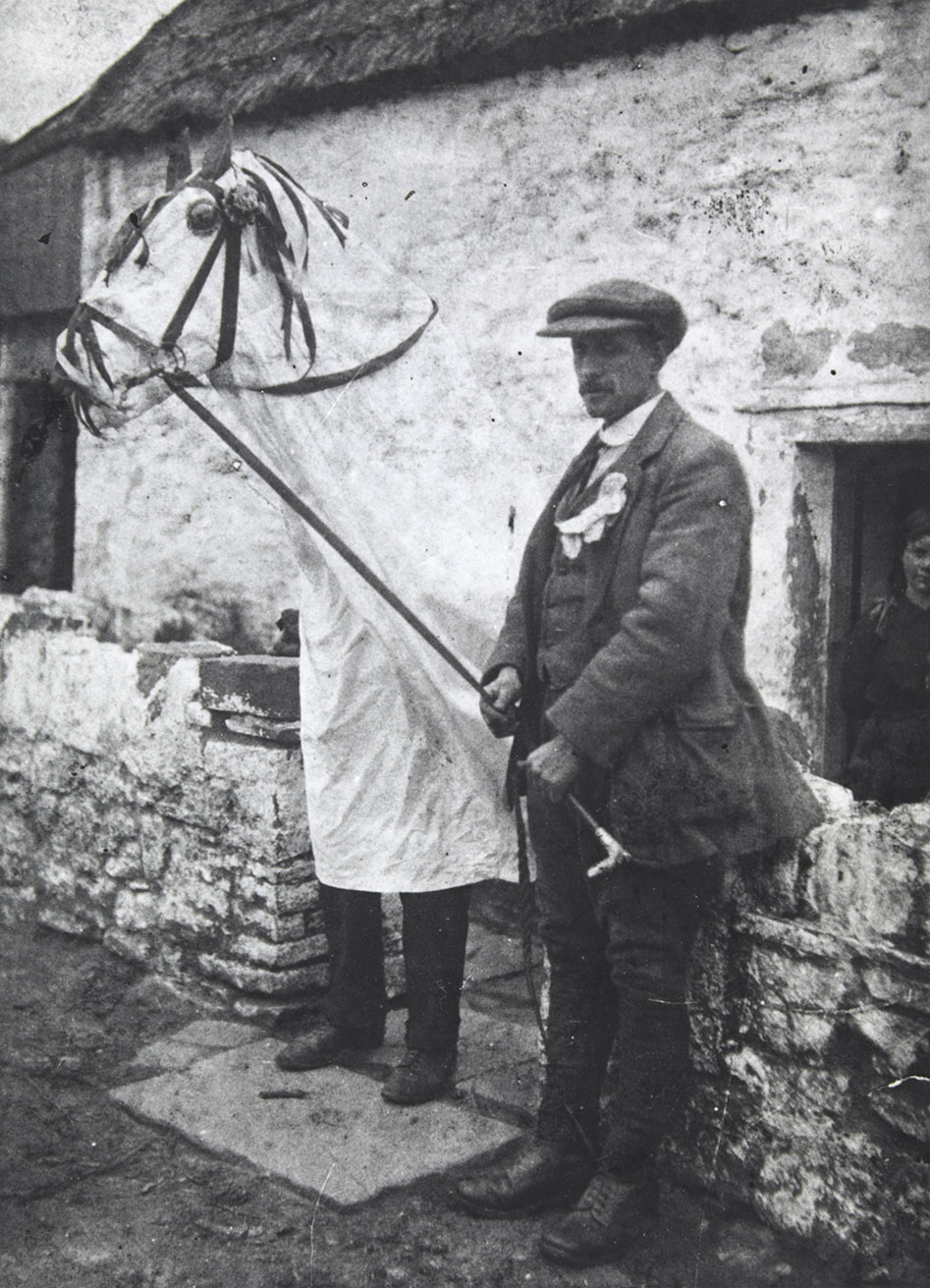 🇬🇧 United KingdomMari LwydY Fari Lwyd
A Welsh winter custom featuring a horse skull carried through villages for song and hospitality.Rite · Luck and prosperity · Wonder and entertainment Revived
 🇮🇳 India and 5 moreAncestor veneration
Rituals to honor the dead and maintain kinship bonds across generationsTradition · Speaking with spirits and the dead · Protection Living
 🇨🇳 China and 5 moreJoss paper金紙
Paper burned as money and goods for ancestors, gods and the deadCharm · Speaking with spirits and the dead · Luck and prosperity Living
 🇬🇧 United KingdomBeltane Fire Festival
A modern Edinburgh performance celebrating the start of summer with fire and danceRite · Wonder and entertainment · Power and authority Living
 🇳🇬 NigeriaOsun-Osogbo Sacred GroveOsun-Osogbo
A sacred forest in Nigeria dedicated to the river goddess Osun, celebrated with an annual festival.Tradition · Speaking with spirits and the dead · Protection Living
 🇮🇳 India and 1 moreGarba
A Gujarati circle dance performed around a central symbol during NavaratriIllusion · Power and authority · Luck and prosperity Living
 🇧🇴 Bolivia and 1 moreEkekoIqiqu
An Andean deity of abundance and prosperity, central to the Alasitas festival.Being · Luck and prosperity · Power and authority Living
 🇯🇵 Japan and 3 moreObonお盆
A Japanese Buddhist festival honoring the spirits of ancestors through dance and offeringsTradition · Speaking with spirits and the dead · Luck and prosperity Living
 🇮🇪 Ireland and 4 moreWinter solstice
The shortest day and longest night of the year, marked by rites of solar returnTradition · Seeing and foretelling · Protection Living
 🇩🇪 Germany and 5 moreKrampus
A horned Alpine figure who punishes misbehaving children on KrampusnachtFigure · Cursing and harm Living
 🇨🇳 China and 2 moreDiyu地獄
The underworld realm of trial, atonement, and rebirth in Chinese mythologyBelief · Cleansing and purification · Change and initiation Living
 🇨🇳 China and 5 moreSky lantern天燈
A paper hot air balloon lifted by flame to carry wishes and blessingsRite · Luck and prosperity · Protection Living
 🇳🇬 NigeriaOrunmilaỌ̀rúnmìlà
Yoruba deity of wisdom and the creator of the Ifá divination systemBeing · Seeing and foretelling · Power and authority Living
 🇪🇬 Egypt and 2 moreLibation
The ritual pouring of liquid as an offering to spirits or the deadRite · Speaking with spirits and the dead · Protection Living
 🇮🇳 India and 5 moreKolamகோலம்
A daily geometric floor drawing made with rice flour at the home entrance in South IndiaRite · Protection · Luck and prosperity Living
 🇲🇳 Mongolia and 2 moreMongolian shamanismBöö Mörgöl
The animistic and shamanic ethnic religion of the Mongols, involving spirit worship and ritual intercession.Tradition · Protection · Healing Living
 🇿🇦 South Africa and 4 moreWitch doctor
A traditional healer who identifies supernatural causes of illness and performs rituals to restore balance.Tradition · Healing · Protection Living
 🇧🇷 Brazil and 2 moreCandomblé
An Afro-Brazilian religion blending West African spirits with Catholic imageryTradition · Speaking with spirits and the dead · Healing Living
 🇮🇪 IrelandIrish folklorebéaloideas
The oral traditions, myths and customs of IrelandTradition · Wonder and entertainment Living
 🇮🇳 IndiaKamakhya Templekamakhya mondir
A Hindu temple in Assam known for its yoni shrine and the Ambubachi Mela festivalTradition · Protection · Healing Living
Photo credits on this page
The small pictures above come from Wikimedia Commons under free licences. Some are cropped to fit.
- Jesa: by Joseph Steinberg (Baltimoron in Korea) at Flickr, CC BY-SA 2.0, source
- Halloween: Toby Ord, CC BY-SA 2.5, source
- Nat: Emily Khine, CC BY-SA 4.0, source
- Winter solstice: Image by Przemyslaw " Blueshade " Idzkiewicz, CC BY-SA 2.0, source
- Orunmila: Unknown author, CC BY 3.0, source
- Witch doctor: Lucjan Wędrychowski, Public domain, source
- Snake worship: Alexandermcnabb, CC BY-SA 4.0, source
- Calavera: Unknown author, CC BY-SA 3.0, source
- Osun-Osogbo Sacred Grove: Cheeka 2.0, CC BY-SA 4.0, source
- Obon: Batholith, Public domain, source
- Sky lantern: Richy, CC BY-SA 3.0, source
- Penjor: Chainwit., CC BY-SA 4.0, source
- Iranian folklore: Hossein Mirkamali, CC BY 4.0, source
- Bhuta Kola: Unknown author, Public domain, source
- Lwa: Hector Hyppolite, Public domain, source
- Kava culture: Jaejay77, CC BY-SA 4.0, source
- Tsagaan Sar: User:Chinneeb, CC BY-SA 3.0, source
- Rachel's Tomb: Lane-Poole, Stanley, Public domain, source
- Jack in the Green: SiGarb, CC BY-SA 3.0, source
- Smoking ceremony: Shillings1005, CC BY-SA 4.0, source
- Shinto shrine: No machine-readable author provided. Fg2 assumed (based on copyright c, Public domain, source
- Maximón: Sapfan (Jan Pesula), Public domain, source
- Ghost Festival: Chong Fat, CC BY-SA 3.0, source
- Kami: Bernard Gagnon, CC BY-SA 3.0, source
- Dongyue Dadi: H2v5o68z, CC0, source
- Obatala: Isha, CC BY 3.0, source
- Sarnaism: বুদ্ধি, CC BY-SA 4.0, source
- Straw bear: Photo: Andreas Praefcke, CC BY 3.0, source
- San La Muerte: Sergio Serrano, CC BY-SA 2.0, source
- Land diving: Paul Stein, CC BY-SA 2.0, source
- Estonian mythology: Jeannette Berkowitz (illustrator), Public domain, source
- Mari Lwyd: Thomas Christopher Evans (Cadrawd), Public domain, source
- Ancestor veneration: Thang Nguyen, CC BY-SA 2.0, source
- Joss paper: Vmenkov, CC BY-SA 3.0, source
- Beltane Fire Festival: Stefan Schäfer, Lich, CC BY-SA 3.0, source
- Welsh mythology: Unknown author, Public domain, source
- Garba: anurag agnihotri, CC BY 2.0, source
- Ekeko: Ciudades, CC BY-SA 4.0, source
- Krampus: Naturpuur, CC BY-SA 4.0, source
- Diyu: ScribblingGeek, CC BY-SA 4.0, source
- Libation: Arkady Zarubin ( Аркадий Зарубин ), CC BY-SA 3.0, source
- Kolam: mckaysavage, CC BY 2.0, source
- Mongolian shamanism: Enrique Bendicho, CC BY-SA 4.0, source
- Kamakhya Temple: JyotiPN, CC BY-SA 4.0, source
- Candomblé: André Koehne, CC BY-SA 3.0, source
- Czech folklore: Biser Todorov, CC BY-SA 4.0, source