Festivals: practices that mark them
Samhain, Nowruz fire, Day of the Dead, Walpurgis night and the other days of the magic calendar.
Festivals are the days when a community performs its magic in public. Samhain and Halloween, Walpurgis night, Midsummer, Beltane, Day of the Dead, Nowruz fire-jumping, Diwali, Chinese Ghost Festival, Obon in Japan, Songkran, Carnival and the Burning Man gathering all combine religion, play and custom. This page asks what they do for communities and how they have changed. Many of them are tied to the moon or the sun, and they set the shared calendar of a village or a nation.
Fire, the dead and the season
Festivals cluster around turning points of the year. Fire is common: bonfires on Midsummer in Europe, Chaharshanbe Suri in Iran, Holika in India. The dead return in many: Samhain in Ireland, Obon in Japan, the Day of the Dead in Mexico, the Hungry Ghost Festival in China. In each, offerings of food, light and welcome are set out. Many involve masks, drums, processions and a shared meal, so that rites for protection and fertility become collective events open to the whole village.
Order and inversion
Many festivals allow a licensed breach of the rules. Carnival turns social order upside down, and masquerades in West Africa, such as Egungun among the Yoruba, bring ancestors to the village in cloth. Anthropologists see this as a way to renew order. Some, such as Holi, blur class lines for a day, though real divisions often persist. Within each festival there is usually a night when the dead or the spirits are thought to be close, and a day of celebration after it.
Church and state
Authorities have banned, absorbed and taxed festivals. The Church placed All Saints on the first of November and recast older rites. Puritan England banned Christmas for a time. Communist states discouraged ancestor and spirit festivals, while modern governments often list them as cultural heritage and promote them for tourism. Mexico's Day of the Dead was inscribed by UNESCO in 2008. Many are marked by a day of rest, a shared meal and the lighting of lamps or fires, and children often take a lively role.
Spectacle and respect
Large festivals bring crowds, risk and commerce. Halloween is now a global market, and parts of the Day of the Dead have been staged for visitors and film. Communities often ask guests to behave as guests, especially at rites for the dead or at sacred sites. Safety around fire, crowds and costume deserves care. Anthropologists observe that festivals teach each new generation what the community values, and that changes in a festival often show changes in the community.
Festivals on EveryJaadu
The entries written up so far, best known first.
 🇮🇳 India and 1 moreLakshmiलक्ष्मी
A Hindu goddess of wealth, prosperity, and beauty, worshipped as the consort of Vishnu.Being · Luck and prosperity · Power and authority Living
🇮🇳 India and 1 moreLakshmiलक्ष्मी
A Hindu goddess of wealth, prosperity, and beauty, worshipped as the consort of Vishnu.Being · Luck and prosperity · Power and authority Living
 🇮🇳 India and 1 moreGarba
A Gujarati circle dance performed around a central symbol during NavaratriIllusion · Power and authority · Luck and prosperity Living
🇮🇳 India and 1 moreGarba
A Gujarati circle dance performed around a central symbol during NavaratriIllusion · Power and authority · Luck and prosperity Living
 🇮🇳 India and 5 moreHoliहोली
A Hindu spring festival marked by coloured powders and bonfires to celebrate love and virtue.Tradition · Love and attraction · Cursing and harm Living
🇮🇳 India and 5 moreHoliहोली
A Hindu spring festival marked by coloured powders and bonfires to celebrate love and virtue.Tradition · Love and attraction · Cursing and harm Living
 🇮🇳 India and 1 moreRangoliरंगोली
Floor art made with coloured powders and flowers to welcome guests and deitiesTradition · Protection · Luck and prosperity Living
🇮🇳 India and 1 moreRangoliरंगोली
Floor art made with coloured powders and flowers to welcome guests and deitiesTradition · Protection · Luck and prosperity Living
 🇮🇳 India and 5 moreSnake charming
A street performance using a gourd flute to make snakes swayIllusion · Wonder and entertainment · Luck and prosperity Fading
🇮🇳 India and 5 moreSnake charming
A street performance using a gourd flute to make snakes swayIllusion · Wonder and entertainment · Luck and prosperity Fading
 🇮🇳 IndiaBhuta KolaBhūta Kōla
A Tulu folk dance and ritual where spirits are channelled into human performersTradition · Protection · Speaking with spirits and the dead Living
🇮🇳 IndiaBhuta KolaBhūta Kōla
A Tulu folk dance and ritual where spirits are channelled into human performersTradition · Protection · Speaking with spirits and the dead Living
 🇮🇳 India and 5 moreCowrie
A sea snail shell used as currency, divination tool, and charm across many culturesSubstance · Seeing and foretelling · Luck and prosperity Living
🇱🇰 Sri Lanka and 2 moreParittaපිරිත් (Sinhala), ปริตร (Thai), ပရိတ် (Burmese)
Pali verses recited in Theravada Buddhism for protection and blessingsText · Protection · Healing Living
🇮🇳 India and 5 moreCowrie
A sea snail shell used as currency, divination tool, and charm across many culturesSubstance · Seeing and foretelling · Luck and prosperity Living
🇱🇰 Sri Lanka and 2 moreParittaපිරිත් (Sinhala), ปริตร (Thai), ပရိတ် (Burmese)
Pali verses recited in Theravada Buddhism for protection and blessingsText · Protection · Healing Living
 🇵🇪 Peru and 1 moreApu
Sacred mountain spirits in Andean tradition that protect communities and control natural resourcesBeing · Protection · Healing Living
🇵🇪 Peru and 1 moreApu
Sacred mountain spirits in Andean tradition that protect communities and control natural resourcesBeing · Protection · Healing Living
 🇮🇳 India and 5 moreBindiबिंदी
A dot worn on the forehead to mark spiritual focus and cultural identityCharm · Protection · Power and authority Living
🇮🇳 India and 5 moreBindiबिंदी
A dot worn on the forehead to mark spiritual focus and cultural identityCharm · Protection · Power and authority Living
 🇮🇳 IndiaAkshaya Tritiyaअक्षय तृतीया
A Hindu and Jain spring festival marking a day of inexhaustible merit and new beginnings.Tradition · Luck and prosperity · Protection Living
🇮🇳 IndiaAkshaya Tritiyaअक्षय तृतीया
A Hindu and Jain spring festival marking a day of inexhaustible merit and new beginnings.Tradition · Luck and prosperity · Protection Living
 🇮🇳 India and 5 morePretaप्रेत
A suffering spirit of insatiable hunger found in Asian religious traditionsBeing · Speaking with spirits and the dead Living
🇮🇳 India and 5 morePretaप्रेत
A suffering spirit of insatiable hunger found in Asian religious traditionsBeing · Speaking with spirits and the dead Living
 🇮🇳 IndiaKautuka
A red or yellow ritual thread worn for protection in South Asian traditionsCharm · Protection Living
🇮🇳 IndiaKautuka
A red or yellow ritual thread worn for protection in South Asian traditionsCharm · Protection Living
 🇮🇳 India and 1 moreMantraमन्त्रम्
A sacred sound or phrase repeated to focus the mind and invoke spiritual powerText · Speaking with spirits and the dead · Power and authority Living
🇮🇳 India and 1 moreMantraमन्त्रम्
A sacred sound or phrase repeated to focus the mind and invoke spiritual powerText · Speaking with spirits and the dead · Power and authority Living
 🇮🇳 IndiaMahakaleshwar JyotirlingaMahākāleśvara
A sacred Shiva shrine in Ujjain, India, known for its south-facing idol and ancient origins.Tradition · Protection · Power and authority Living
🇮🇳 IndiaMahakaleshwar JyotirlingaMahākāleśvara
A sacred Shiva shrine in Ujjain, India, known for its south-facing idol and ancient origins.Tradition · Protection · Power and authority Living
 🇮🇳 India and 1 moreAshtamangalaअष्टमङ्गल
A set of eight sacred symbols used in Indian religions to mark auspicious occasions and teach spiritual truths.Tradition · Power and authority · Wonder and entertainment Living
🇮🇳 India and 1 moreAshtamangalaअष्टमङ्गल
A set of eight sacred symbols used in Indian religions to mark auspicious occasions and teach spiritual truths.Tradition · Power and authority · Wonder and entertainment Living
 🇮🇳 IndiaTheyyam
A ritual dance from Kerala where performers embody deities through elaborate costume and songRite · Speaking with spirits and the dead · Protection Living
🇮🇳 IndiaTheyyam
A ritual dance from Kerala where performers embody deities through elaborate costume and songRite · Speaking with spirits and the dead · Protection Living
 🇮🇳 IndiaKavu
Sacred forest patches in South India that protect local deities and wildlifeTradition · Protection · Speaking with spirits and the dead Living
🇮🇳 IndiaKavu
Sacred forest patches in South India that protect local deities and wildlifeTradition · Protection · Speaking with spirits and the dead Living
 🇳🇵 Nepal and 1 moreMatsyendranathMacchindranāth, Mīnanātha
A yogi and rain deity revered across Hindu and Buddhist traditions in South Asia.Figure · Speaking with spirits and the dead · Power and authority Living
🇳🇵 Nepal and 1 moreMatsyendranathMacchindranāth, Mīnanātha
A yogi and rain deity revered across Hindu and Buddhist traditions in South Asia.Figure · Speaking with spirits and the dead · Power and authority Living
 🇮🇳 IndiaKumkumकुङ्कुमम्
A red powder made from turmeric and lime, used in Hindu markings and ritualsSubstance · Protection · Luck and prosperity Living
🇮🇳 IndiaKumkumकुङ्कुमम्
A red powder made from turmeric and lime, used in Hindu markings and ritualsSubstance · Protection · Luck and prosperity Living
 🇮🇳 IndiaSarnaism
A tribal faith centered on nature worship and sacred groves in eastern IndiaTradition · Protection · Speaking with spirits and the dead Living
🇮🇳 IndiaSarnaism
A tribal faith centered on nature worship and sacred groves in eastern IndiaTradition · Protection · Speaking with spirits and the dead Living
 🇮🇳 India and 5 moreAncestor worship
Rites of respect for the dead that maintain family bonds and seek spiritual guidanceTradition · Protection · Speaking with spirits and the dead Living
🇮🇳 India and 5 moreAncestor worship
Rites of respect for the dead that maintain family bonds and seek spiritual guidanceTradition · Protection · Speaking with spirits and the dead Living
 🇮🇳 India and 1 moreDiyaदीया
A small oil lamp used in prayers and festivals across the Indian subcontinentTradition · Protection · Luck and prosperity Living
🇮🇳 India and 1 moreDiyaदीया
A small oil lamp used in prayers and festivals across the Indian subcontinentTradition · Protection · Luck and prosperity Living
 🇮🇳 India and 4 moreShivaशिव
A principal Hindu deity of destruction and yoga, worshipped across South and Southeast AsiaBeing · Power and authority · Change and initiation Living
🇮🇳 India and 4 moreShivaशिव
A principal Hindu deity of destruction and yoga, worshipped across South and Southeast AsiaBeing · Power and authority · Change and initiation Living
 🇮🇳 IndiaKaliकाली
A fierce Hindu goddess of time and destruction, worshipped as a protective mother.Being · Protection · Cursing and harm Living
🇮🇳 IndiaKaliकाली
A fierce Hindu goddess of time and destruction, worshipped as a protective mother.Being · Protection · Cursing and harm Living
 🇮🇳 India and 2 moreDurga Pujaদুর্গাপূজা
A ten-day autumn festival honouring the goddess Durga and her victory over evil.Tradition · Protection · Luck and prosperity Living
🇮🇳 India and 2 moreDurga Pujaদুর্গাপূজা
A ten-day autumn festival honouring the goddess Durga and her victory over evil.Tradition · Protection · Luck and prosperity Living
 🇮🇳 IndiaTarpanaतर्पण
A Vedic offering of water and seeds to gods, sages, and ancestorsRite · Speaking with spirits and the dead · Power and authority Living
🇮🇳 IndiaTarpanaतर्पण
A Vedic offering of water and seeds to gods, sages, and ancestorsRite · Speaking with spirits and the dead · Power and authority Living
 🇮🇳 India and 2 moreSuryaसूर्य
The sun as a Hindu deity and the source of light and knowledgeBeing · Power and authority · Healing Historical
🇮🇳 India and 2 moreSuryaसूर्य
The sun as a Hindu deity and the source of light and knowledgeBeing · Power and authority · Healing Historical
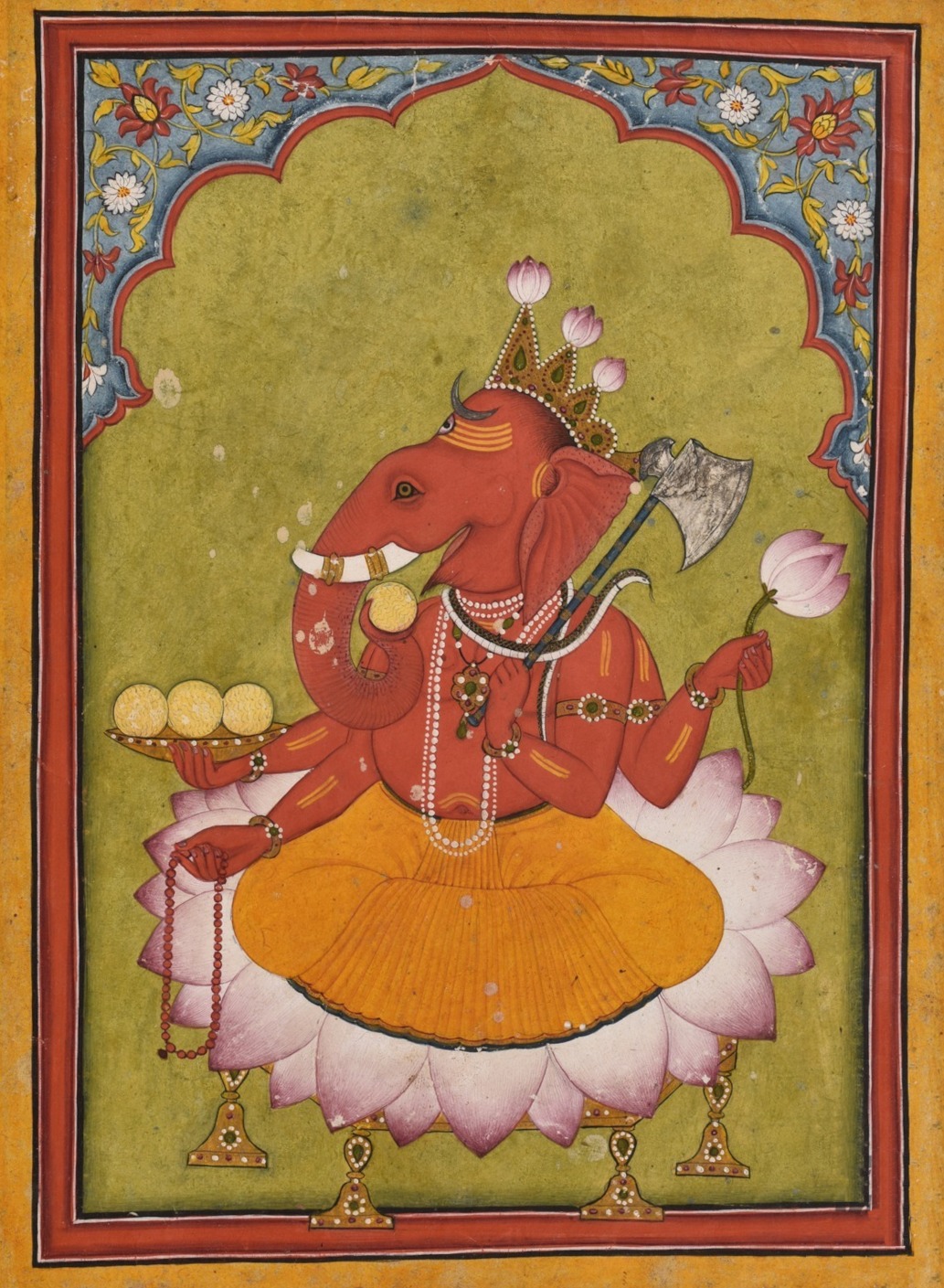 🇮🇳 India and 5 moreGaneshaगणेश (Gaṇeśa)
An elephant-headed Hindu deity worshipped as the remover of obstacles and patron of wisdom.Being · Protection · Luck and prosperity Living
🇮🇳 India and 5 moreGaneshaगणेश (Gaṇeśa)
An elephant-headed Hindu deity worshipped as the remover of obstacles and patron of wisdom.Being · Protection · Luck and prosperity Living
 🇮🇳 India and 5 moreKartikeyaKārttikeya
Hindu god of war and victory, son of Shiva and ParvatiBeing · Power and authority · Protection Living
🇮🇳 India and 5 moreKartikeyaKārttikeya
Hindu god of war and victory, son of Shiva and ParvatiBeing · Power and authority · Protection Living
 🇮🇳 India and 3 moreMaha Shivaratriमहाशिवरात्रि
A Hindu night of fasting and vigil dedicated to the deity ShivaTradition · Protection · Speaking with spirits and the dead Living
🇮🇳 India and 3 moreMaha Shivaratriमहाशिवरात्रि
A Hindu night of fasting and vigil dedicated to the deity ShivaTradition · Protection · Speaking with spirits and the dead Living
 🇮🇳 IndiaKamakhya Templekamakhya mondir
A Hindu temple in Assam known for its yoni shrine and the Ambubachi Mela festivalTradition · Protection · Healing Living
🇮🇳 IndiaKamakhya Templekamakhya mondir
A Hindu temple in Assam known for its yoni shrine and the Ambubachi Mela festivalTradition · Protection · Healing Living
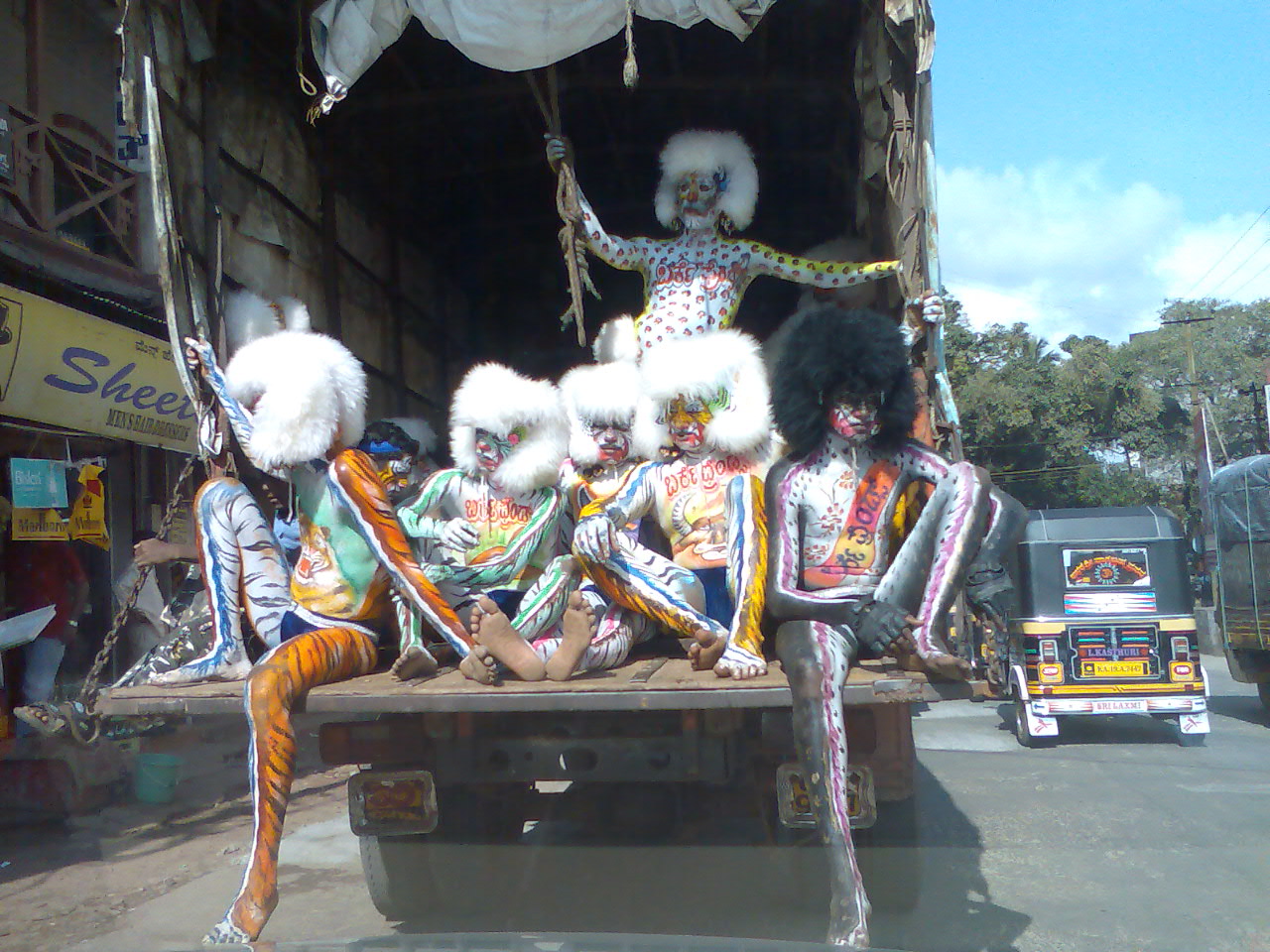 🇮🇳 IndiaPili Yesaಪಿಲಿವೇಷ
A coastal Karnataka folk dance where performers paint themselves as tigers to honour the Goddess DurgaIllusion · Protection · Power and authority Living
🇮🇳 IndiaPili Yesaಪಿಲಿವೇಷ
A coastal Karnataka folk dance where performers paint themselves as tigers to honour the Goddess DurgaIllusion · Protection · Power and authority Living
 🇨🇱 Chile and 1 moreCultrunkultrung
A ceremonial drum central to Mapuche spiritual practice and identity in Chile and ArgentinaTradition · Healing · Protection Living
🇨🇱 Chile and 1 moreCultrunkultrung
A ceremonial drum central to Mapuche spiritual practice and identity in Chile and ArgentinaTradition · Healing · Protection Living
 🇮🇳 India and 5 morePilgrimage
A journey to a sacred site for spiritual growth or religious dutyTradition · Healing · Speaking with spirits and the dead Living
🇮🇳 India and 5 morePilgrimage
A journey to a sacred site for spiritual growth or religious dutyTradition · Healing · Speaking with spirits and the dead Living
 🇮🇳 India and 5 moreBhairavaभैरव
A fierce manifestation of Shiva and a Buddhist protector deity worshipped across South and East Asia.Being · Protection · Cursing and harm Living
🇮🇳 India and 5 moreBhairavaभैरव
A fierce manifestation of Shiva and a Buddhist protector deity worshipped across South and East Asia.Being · Protection · Cursing and harm Living
 🇳🇵 NepalTaleju𑐟𑐮𑐾𑐖𑐸 (Newar) / तलेजु (Devanagari)
A royal goddess of the Kathmandu Valley, worshipped as Durga and Tara.Being · Protection · Power and authority Living
🇳🇵 NepalTaleju𑐟𑐮𑐾𑐖𑐸 (Newar) / तलेजु (Devanagari)
A royal goddess of the Kathmandu Valley, worshipped as Durga and Tara.Being · Protection · Power and authority Living
 🇱🇰 Sri Lanka and 1 moreKataragama templeකතරගම / கதிர்காமம் முருகன் கோயில்
A Sri Lankan shrine shared by Buddhists, Hindus, Muslims and VeddasTradition · Protection · Speaking with spirits and the dead Living
🇱🇰 Sri Lanka and 1 moreKataragama templeකතරගම / கதிர்காமம் முருகன் கோயில்
A Sri Lankan shrine shared by Buddhists, Hindus, Muslims and VeddasTradition · Protection · Speaking with spirits and the dead Living
 🇮🇳 India and 5 moreKolamகோலம்
A daily geometric floor drawing made with rice flour at the home entrance in South IndiaTradition · Protection · Luck and prosperity Living
🇮🇳 IndiaNew moon cleansing (sample)
Smoke and water used to mark a lunar month.Rite · Cleansing and purification Fading
🇮🇳 India and 5 moreKolamகோலம்
A daily geometric floor drawing made with rice flour at the home entrance in South IndiaTradition · Protection · Luck and prosperity Living
🇮🇳 IndiaNew moon cleansing (sample)
Smoke and water used to mark a lunar month.Rite · Cleansing and purification Fading
 🇮🇳 IndiaSanamahismꯁꯅꯥꯃꯍꯤ ꯂꯥꯏꯅꯤꯡ
The polytheistic ethnic religion of the Meitei people of Manipur, IndiaTradition · Protection · Speaking with spirits and the dead Living
🇵🇰 PakistanShamanism in Pakistan
A shamanic tradition of the Hunza region where spirit guides select healers who enter trance states through music and riTradition · Seeing and foretelling · Speaking with spirits and the dead Living
🇮🇳 IndiaVelichappaduവെളിച്ചപ്പാട്
A Hindu temple oracle in Kerala who channels deities through trance and danceBeing · Seeing and foretelling · Speaking with spirits and the dead Living
🇮🇳 IndiaSanamahismꯁꯅꯥꯃꯍꯤ ꯂꯥꯏꯅꯤꯡ
The polytheistic ethnic religion of the Meitei people of Manipur, IndiaTradition · Protection · Speaking with spirits and the dead Living
🇵🇰 PakistanShamanism in Pakistan
A shamanic tradition of the Hunza region where spirit guides select healers who enter trance states through music and riTradition · Seeing and foretelling · Speaking with spirits and the dead Living
🇮🇳 IndiaVelichappaduവെളിച്ചപ്പാട്
A Hindu temple oracle in Kerala who channels deities through trance and danceBeing · Seeing and foretelling · Speaking with spirits and the dead Living
 🇮🇳 India and 1 moreRavanaरावण (Rāvaṇa)
A ten-headed demon king of Lanka and a devoted follower of Shiva in Hindu tradition.Figure · Cursing and harm · Power and authority Legendary
🇮🇳 India and 1 moreRavanaरावण (Rāvaṇa)
A ten-headed demon king of Lanka and a devoted follower of Shiva in Hindu tradition.Figure · Cursing and harm · Power and authority Legendary
 🇮🇳 IndiaMahishasuraमहिषासुर
A bovine asura slain by the goddess Durga in Hindu myth and legendBeing · Cursing and harm Legendary
🇮🇳 IndiaMahishasuraमहिषासुर
A bovine asura slain by the goddess Durga in Hindu myth and legendBeing · Cursing and harm Legendary
 🇮🇳 IndiaSamatonꯁꯃꯗꯣꯟ ꯑꯌꯥꯡꯕ (Shamadon Ayangba)
A winged divine horse from Meitei mythology and ancestor of the Manipuri ponyBeing · Power and authority Living
🇮🇳 IndiaSamatonꯁꯃꯗꯣꯟ ꯑꯌꯥꯡꯕ (Shamadon Ayangba)
A winged divine horse from Meitei mythology and ancestor of the Manipuri ponyBeing · Power and authority Living
 🇮🇳 IndiaMaibi Jagoi
A shamanic ritual dance performed by Maibis during the Lai Haraoba ceremony in Manipur.Rite · Speaking with spirits and the dead Living
🇵🇰 Pakistan and 2 moreNa'atنعت
Urdu and Bengali verses praising the Islamic prophet MuhammadText · Speaking with spirits and the dead Living
🇮🇳 IndiaMaibi Jagoi
A shamanic ritual dance performed by Maibis during the Lai Haraoba ceremony in Manipur.Rite · Speaking with spirits and the dead Living
🇵🇰 Pakistan and 2 moreNa'atنعت
Urdu and Bengali verses praising the Islamic prophet MuhammadText · Speaking with spirits and the dead Living
Photo credits on this page
The small pictures above come from Wikimedia Commons under free licences. Some are cropped to fit.
- Kolam: mckaysavage, CC BY 2.0, source
- Holi: Jitenderasingh, CC BY-SA 4.0, source
- Garba: anurag agnihotri, CC BY 2.0, source
- Sanamahism: Kayia N, CC BY-SA 4.0, source
- Mantra: Markrosenrosen, CC BY-SA 3.0, source
- Mahakaleshwar Jyotirlinga: Ashverse, CC BY-SA 4.0, source
- Ashtamangala: Redtigerxyz, CC BY-SA 3.0, source
- Theyyam: Shagil Kannur, CC BY-SA 4.0, source
- Kavu: Ashwin.appus, CC BY-SA 4.0, source
- Matsyendranath: Unknown author, Public domain, source
- Kumkum: Thamizhpparithi Maari, CC BY-SA 3.0, source
- Sarnaism: বুদ্ধি, CC BY-SA 4.0, source
- Ancestor worship: Lyn Gateley, CC BY 2.0, source
- Diya: Suyash Dwivedi, CC BY-SA 4.0, source
- Shiva: Indianhilbilly, CC BY-SA 3.0, source
- Kali: Raja Ravi Varma, Public domain, source
- Durga Puja: Subhrajyoti07, CC BY-SA 4.0, source
- Tarpana: Biswarup Ganguly, CC BY 3.0, source
- Surya: Ravi Varma Press, Public domain, source
- Ganesha: anonymous, Public domain, source
- Kartikeya: Dassmahen, CC BY-SA 4.0, source
- Maha Shivaratri: Navneesh Ramessur, CC BY-SA 4.0, source
- Kamakhya Temple: JyotiPN, CC BY-SA 4.0, source
- Pili Yesa: Premnath Kudva, CC BY 3.0, source
- Cultrun: Universidad Nacional de La Plata, CC BY 3.0, source
- Pilgrimage: Ali Mansuri, CC BY-SA 2.5, source
- Bhairava: Saankav, CC BY-SA 4.0, source
- Taleju: Unknown author, CC BY-SA 4.0, source
- Kataragama temple: Ghostface Buddha, CC BY-SA 2.0, source
- Mahishasura: Prakashsubbarao at English Wikipedia, Public domain, source
- Ravana: Gita Press Gorakhpur, CC0, source
- Samaton: Isabelm-h, CC BY-SA 4.0, source
- Lakshmi: Raja Ravi Varma, Public domain, source
- Maibi Jagoi: Ramesh Lalwani, CC BY 2.0, source
- Rangoli: SreeramKalyan, CC0, source
- Snake charming: Paris75000, Public domain, source
- Bhuta Kola: Unknown author, Public domain, source
- Cowrie: NOAA (Photo Collection of Dr. James P. McVey, NOAA Sea Grant Program), Public domain, source
- Apu: Cecilia Sacsa, CC BY-SA 4.0, source
- Bindi: Vinay Sahay, CC BY-SA 4.0, source
- Akshaya Tritiya: Fgndgndgnr, CC BY-SA 4.0, source
- Preta: Temple, Richard Carnac, Sir, Public domain, source
- Kautuka: Aditya.Asopa, CC BY-SA 4.0, source