
Garba
from Sanskrit garbha, meaning womb or gestation
A Gujarati circle dance performed around a central symbol during Navaratri
Garba is a folk dance from Gujarat, India, where participants move in circles to drum music. It is a key part of the Hindu festival Navaratri, celebrating the goddess Durga and fertility.
- Garba means womb in Sanskrit
- UNESCO heritage status since 2023
- Danced around a lit clay pot
- Part of Navaratri festival
- Discrimination against minorities reported
What it is
Garba is a social circle dance that began in the Indian state of Gujarat. People move in rings around a central object while drumming. The steps grow faster as the night continues. It is a communal activity open to all ages and genders. The dance honors the nine forms of the goddess Durga. It celebrates womanhood and fertility. The movement mimics the cycle of life. Participants clap and step in rhythm. It is a vibrant expression of cultural identity.
Where it comes from
The word comes from the Sanskrit term for womb. This links the dance to themes of pregnancy and new life. Folk dances in Gujarat often mark first periods or weddings. Garba merged with dandiya raas, a stick dance. This combination created the modern high-energy form. The central object represents the soul inside the body. A clay pot with a light inside is common. Some groups use a statue of Amba Mata instead. The dance has spread across the Indian diaspora. It is now performed worldwide at community events.
Tools and materials
The primary instruments are the dhol and dholak. These are traditional Indian drums. A shehnai flute adds melody. Cymbals keep the tempo. A clay pot with holes holds a lamp. This symbolizes the spirit within. Some circles center on a goddess image. Traditional dress includes chaniya choli for women. Men may wear kediyu shirts. The visual elements support the spiritual theme.
Garba, drawn and placed
- Living
- Revived
- Fading
- Historical
- Legendary
- Performed
- Lineage
- Indian folk dance tradition
- Timing
- during Navaratri festivals
What it is for
The dance celebrates the divine mother energy. It marks the Navaratri festival period. Communities gather to honor fertility and life. It strengthens social bonds among participants. The ritual acknowledges the cycle of birth. It is a public display of faith. Young people meet and socialize through it. Families attend together across generations. The event fosters community pride and unity.
Who does it
Any community member can join the dance. No formal training is required to participate. Elders lead by example in the inner ring. Youth often organize large local events. University groups host competitions today. Professional troupes perform for audiences. The practice is inclusive of all backgrounds. However, some groups restrict access based on religion.
Peoples and places
The dance originates with Gujarati Hindus. It is central to their religious calendar. The diaspora keeps the tradition alive abroad. Gujaratis in the UK hold regular nights. Dalit communities have adapted the dance. They celebrate Ambedkar garba after exclusion. Muslim participation has faced political pressure. Some organizations demand bans on non-Hindus. Tensions arise over who belongs in the circle.
At a glance: who, where and when
Who does it
Belief worlds
Occasions


What people believe
The dance embodies shakti, or divine power. The central pot represents the jiva, or soul. Life is seen as a gestation process. The goddess Durga protects the community. Her nine forms are honored nightly. Fertility is linked to cosmic order. The circle shape reflects eternal cycles. Movement brings blessings and protection. The ritual connects humans to the divine mother.
When it is done
Garba is performed during Navaratri. This festival lasts nine nights. It occurs twice a year in India. The timing aligns with lunar phases. Autumn is the primary season. Events continue late into the night. Dandiya raas follows the main garba. Communities plan months in advance. Universities schedule competitions in autumn. Diaspora groups follow the Indian calendar.
How scholars and sceptics see it
UNESCO listed garba as intangible heritage in 2023. This recognizes its cultural value. Anthropologists study its social functions. Historians trace its link to Sanskrit roots. Researchers note its role in identity formation. Sceptics view it as secular entertainment. The dance bridges religious and social spheres. It adapts to modern urban settings. Globalization has changed its performance style.
Cautions and what is closed
Discrimination affects participation in garba. Hindu nationalist groups have harassed Muslims. Some venues deny entry without warning. A Dalit youth was killed in Anand district. Another man was barred in Ahmedabad. Political figures have speculated on motives. Media shows have fueled controversy. These incidents highlight social tensions. Safety is a concern for minority attendees.
Compare and confuse
Dandiya raas is the sibling dance. It uses sticks instead of clapping. Both dances occur during Navaratri. Raas is traditionally male-only. Garba is mixed-gender and social. Other Indian folk dances exist. Bhangra comes from Punjab. Kathak involves storytelling. Garba is distinct in its circular motion. It focuses on group synchronization rather than solo skill.
Law and persecution
No national law bans the dance. Local authorities sometimes intervene in disputes. Courts have heard cases of exclusion. Human rights groups condemn harassment. The UNESCO listing offers some protection. Cultural preservation laws apply in India. Diaspora countries have no specific restrictions. Legal battles focus on discrimination claims. Police monitor large public gatherings.
Days linked to Garba
Questions people ask about Garba
What does the name Garba mean?
The name comes from the Sanskrit word for womb. It refers to gestation and the creation of life. This connects the dance to themes of fertility and birth.
Where did this dance originate?
It originated in Gujarat, India. It is a core part of Gujarati culture. The dance has spread to the global diaspora.
What instruments are used?
Drums like the dhol and dholak lead the rhythm. A shehnai flute provides melody. Cymbals add sharp beats to the ensemble.
Who performs Garba?
It is performed by the Gujarati community. People of all ages and genders join. It is a central activity during Navaratri.
Is there any controversy?
Yes, some groups exclude Muslims and Dalits. Incidents of harassment and violence have occurred. This has drawn criticism from human rights observers.
Good reading and sources
- Encyclopaedia BritannicaArticle
- Garba of GujaratUNESCO, Heritage listing
- ‘Garba jihad’: How Navratri became a communal flashpoint in Gujarat and Madhya PradeshScroll.in, Article
- Garba (dance) on WikipediaEncyclopedia
- More photos on Wikimedia CommonsPhotos and video
- Wikidata recordOpen data
The facts on this page come from the Wikipedia article "Garba (dance)", written by its contributors and used under the CC BY-SA 4.0 licence, and from its Wikidata record (CC0). EveryJaadu rewrote the text in its own words, with AI assistance, and compares every page with the article to make sure no passage is copied. It may be reused under the same CC BY-SA 4.0 licence with a link back.
It may contain mistakes. Names and customs differ from one community to the next, and some knowledge is closed to outsiders and left out here. This page describes belief and practice. It does not say that any of it works, it is not a how-to, and it is not medical advice. If something is wrong, tell us. Last refreshed 2026-10-05.
More from India
All the entries from India 🇮🇳 India and 5 moreSnake charming
A street performance using a gourd flute to make snakes swayIllusion · Wonder and entertainment · Luck and prosperity Fading
🇮🇳 India and 5 moreSnake charming
A street performance using a gourd flute to make snakes swayIllusion · Wonder and entertainment · Luck and prosperity Fading
 🇮🇳 India and 1 moreFire eating
A performance art of extinguishing flames in the mouthIllusion · Wonder and entertainment Performed
🇮🇳 India and 1 moreFire eating
A performance art of extinguishing flames in the mouthIllusion · Wonder and entertainment Performed
 🇮🇳 IndiaIndian rope trick
A legendary stage illusion involving a levitating rope and a disappearing boy assistantIllusion · Wonder and entertainment Historical
🇮🇳 IndiaIndian rope trick
A legendary stage illusion involving a levitating rope and a disappearing boy assistantIllusion · Wonder and entertainment Historical
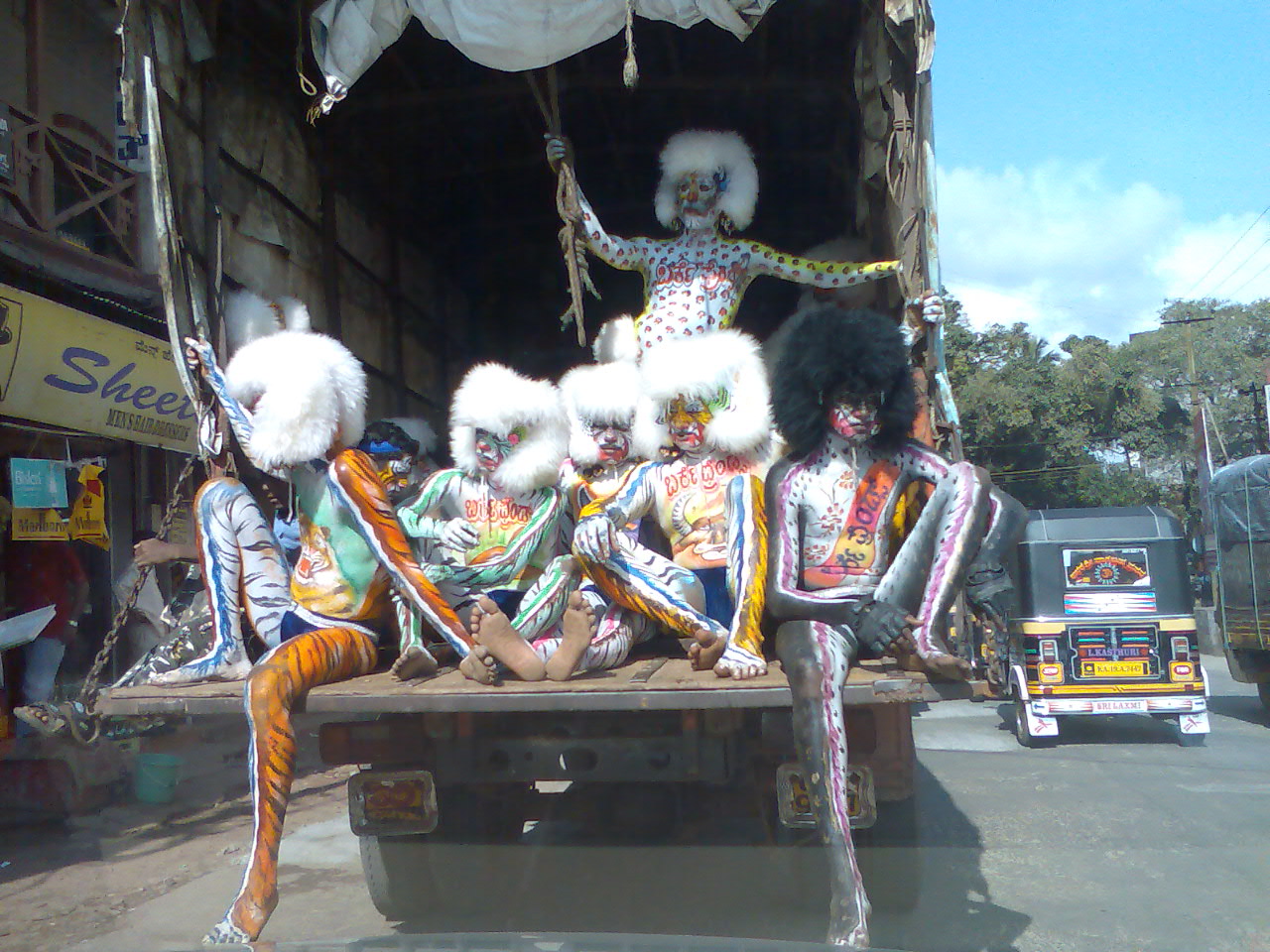 🇮🇳 IndiaPili Yesaಪಿಲಿವೇಷ
A coastal Karnataka folk dance where performers paint themselves as tigers to honour the Goddess DurgaIllusion · Protection · Power and authority Living
🇮🇳 IndiaPili Yesaಪಿಲಿವೇಷ
A coastal Karnataka folk dance where performers paint themselves as tigers to honour the Goddess DurgaIllusion · Protection · Power and authority Living
Related elsewhere
All illusion 🇮🇳 India and 5 moreAstrology
A divinatory practice that reads human fate through the positions of celestial bodies.Belief · Seeing and foretelling · Luck and prosperity Living
🇮🇳 India and 5 moreAstrology
A divinatory practice that reads human fate through the positions of celestial bodies.Belief · Seeing and foretelling · Luck and prosperity Living
 🇫🇷 FranceHoly GrailSaint Graal
A cup or stone from Arthurian tales that grants healing and eternal lifeFigure · Healing · Luck and prosperity Legendary
🇫🇷 FranceHoly GrailSaint Graal
A cup or stone from Arthurian tales that grants healing and eternal lifeFigure · Healing · Luck and prosperity Legendary
 🇨🇳 China and 3 moreChinese dragon龍
A legendary water deity and imperial symbol in East Asian cultureBeing · Protection · Luck and prosperity Historical
🇨🇳 China and 3 moreChinese dragon龍
A legendary water deity and imperial symbol in East Asian cultureBeing · Protection · Luck and prosperity Historical
 🇨🇳 China and 2 moreEight Immortals八仙
Eight legendary Taoist figures of China, each with a power and a vesselFigure · Protection · Healing Living
🇨🇳 China and 2 moreEight Immortals八仙
Eight legendary Taoist figures of China, each with a power and a vesselFigure · Protection · Healing Living