Wonder and entertainment
Illusion, sleight of hand and the pleasure of being fooled.
Wonder and entertainment is the aim of the stage magician: to astonish an audience who knows it is being fooled. Conjuring, illusion, mentalism and street magic belong here, from the cups and balls of ancient Rome to Robert-Houdin, Houdini, Harry Kellar, P. C. Sorcar of India, Siegfried and Roy, and David Copperfield. This page covers the art, its history and its ethics, and does not reveal how any trick is done.
The art of the honest lie
A magician promises a trick and delivers astonishment. The pleasure comes from the gap between what is seen and what is known. Performers speak of misdirection, timing, patter and showmanship. Magicians also keep an informal rule not to expose methods, so that audiences can keep the pleasure and the craft keeps its livelihood. This is the most open part of the subject, in which no one is asked to believe.
Where it is performed
Magic has always had a street and a stage. In India, P. C. Sorcar Sr. (1913 to 1971) toured the world and became a national name. In China and Japan, conjuring was part of variety theatre and a distinct craft. In the Arab world and the Ottoman empire, performers worked in coffee houses and fairs. In the West, the music hall, the television special and the Las Vegas show carried the art into mass entertainment.
Who is welcome
For much of its history, the profession was dominated by men, with women as assistants, though performers such as Adelaide Herrmann broke the pattern. Racial stereotypes shaped acts: Western performers played Chinese or Indian magicians in costume, and Chung Ling Soo's disguise was a famous case. Today, magicians from many countries and women performers are widely visible. Magicians from Egypt, Lebanon, Iran and Nigeria now work on global stages and in festivals, and a few have become well known beyond their borders.
Entertainers against fraud
Houdini and James Randi spent years exposing mediums and faith healers who claimed real powers, arguing that honest conjurers protect the public. Scholars of the mind use magic to study attention, memory and belief. The boundary matters: claiming genuine supernatural power for a trick and charging for it is fraud, not entertainment. As the code puts it, the trick can be admired and enjoyed without the secret being known, and children and adults alike keep that pleasure.
Wonder and entertainment on EveryJaadu
The entries written up so far, best known first.
 🇫🇷 France and 2 moreKing ArthurBrenin Arthur
A legendary British king and folk hero of medieval literature and Welsh mythologyFigure · Power and authority · Wonder and entertainment Legendary
 🇫🇷 FranceHoly GrailSaint Graal
A cup or stone from Arthurian legend with miraculous powersFigure · Healing · Luck and prosperity Legendary
 🇯🇵 JapanHyakki Yagyō百鬼夜行
A Japanese folklore concept of a night parade of supernatural creaturesBelief · Cursing and harm · Wonder and entertainment Legendary
 🇮🇹 Italy and 1 morePietro d'Abano
A medieval physician and astrologer accused of heresy and magic.Text · Healing · Wonder and entertainment Historical
 🇹🇷 Turkey and 2 moreApollonius of TyanaἈπολλώνιος ὁ Τυανεύς
A first-century philosopher and miracle worker whose life became a legend of divine power.Figure · Wonder and entertainment Historical
🇨🇱 ChileCaleuche
A luminous ghost ship of Chilote mythology that sails the canals and seas of southern Chile.Figure · Wonder and entertainment Living
 🇺🇸 United StatesMenehune
A legendary race of tiny builders in Hawaiian folkloreFigure · Wonder and entertainment Legendary
 🇬🇧 United Kingdom and 3 moreEdward Kelley
An English occultist and scryer who worked with John Dee to contact angels and practice alchemy.Figure · Power and authority · Wonder and entertainment Historical
 🇮🇹 ItalyBefana
An Italian witch-like figure who delivers gifts on Epiphany EveFigure · Luck and prosperity · Wonder and entertainment Living
🇫🇷 France and 5 moreCount of St. GermainComte de Saint Germain
An 18th-century European adventurer known for alchemy, music, and claims of immortality.Figure · Power and authority · Wonder and entertainment Historical
 🇫🇷 France and 4 moreMorgan le FayFée Morgane
An Arthurian enchantress known for her shifting role as healer and adversaryFigure · Healing · Cursing and harm Legendary
 🇷🇺 Russia and 3 moreFirebird
A glowing bird of Slavic folklore that brings both fortune and peril to those who seek itFigure · Wonder and entertainment · Luck and prosperity Legendary
 🇩🇪 GermanyPied Piper of Hamelinder Rattenfänger von Hameln
A medieval legend about a piper who leads children away from HamelinFigure · Wonder and entertainment Legendary
 🇬🇷 GreeceOrpheusὈρφεύς
A Thracian bard whose music charms nature and who journeys to the underworldFigure · Wonder and entertainment Legendary
🇪🇬 EgyptDjedi
A fictional magician from the Westcar Papyrus who resurrects animals and foretells a king's lineage.Figure · Seeing and foretelling · Wonder and entertainment Legendary
 🇯🇵 JapanAbe no Seimei安倍 晴明
A historical court official turned legendary Japanese onmyōji and folk heroFigure · Protection · Seeing and foretelling Legendary
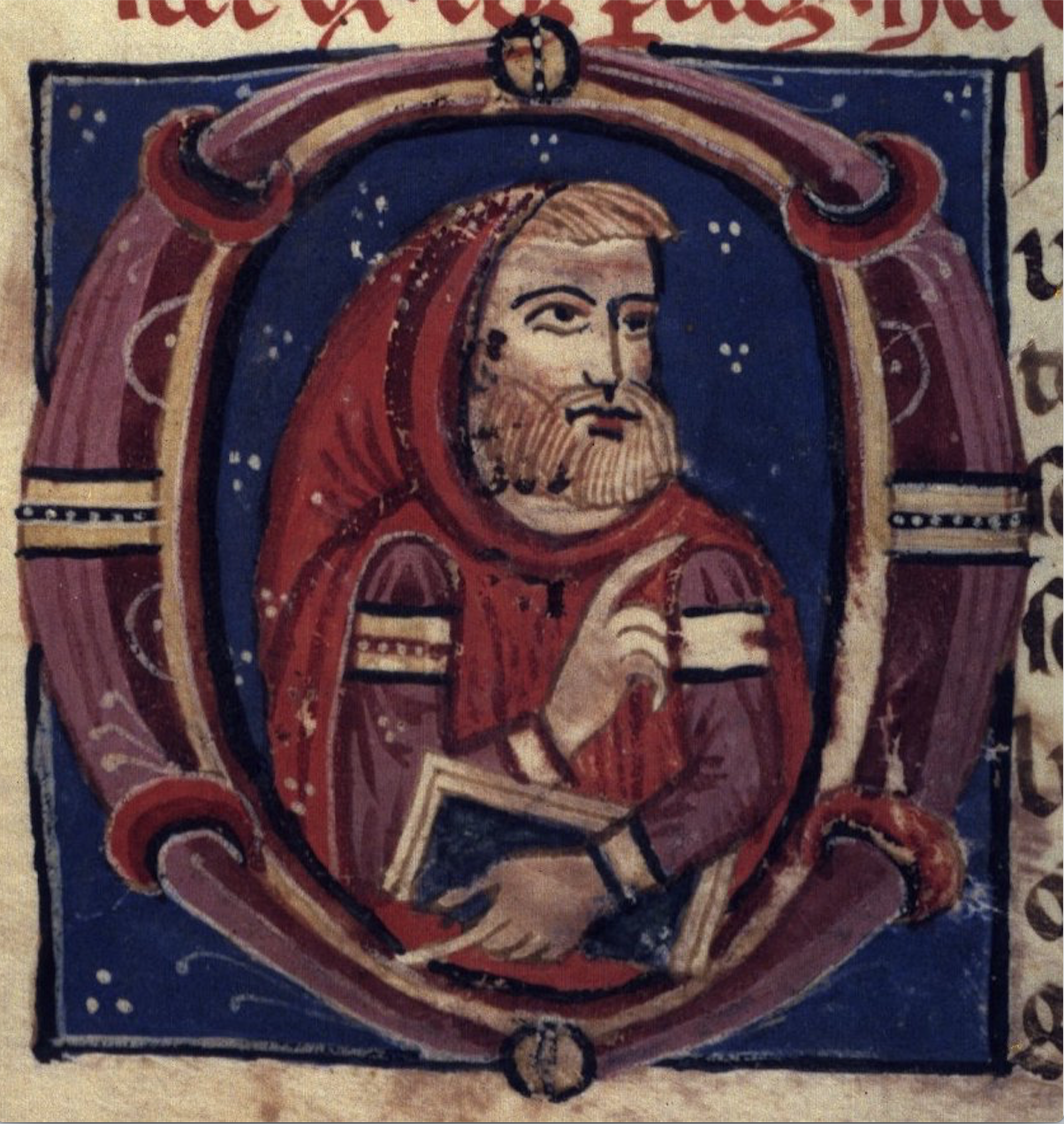 🇬🇧 United Kingdom and 2 moreMichael Scot
A medieval scholar and astrologer who became a legendary magician in folklore.Figure · Seeing and foretelling · Wonder and entertainment Legendary
🇪🇸 SpainMaslama al-Majritiأبو القاسم مسلمة بن أحمد المجريطي
A tenth-century scholar of alchemy and astronomy in Islamic Spain.Figure · Wonder and entertainment · Power and authority Historical
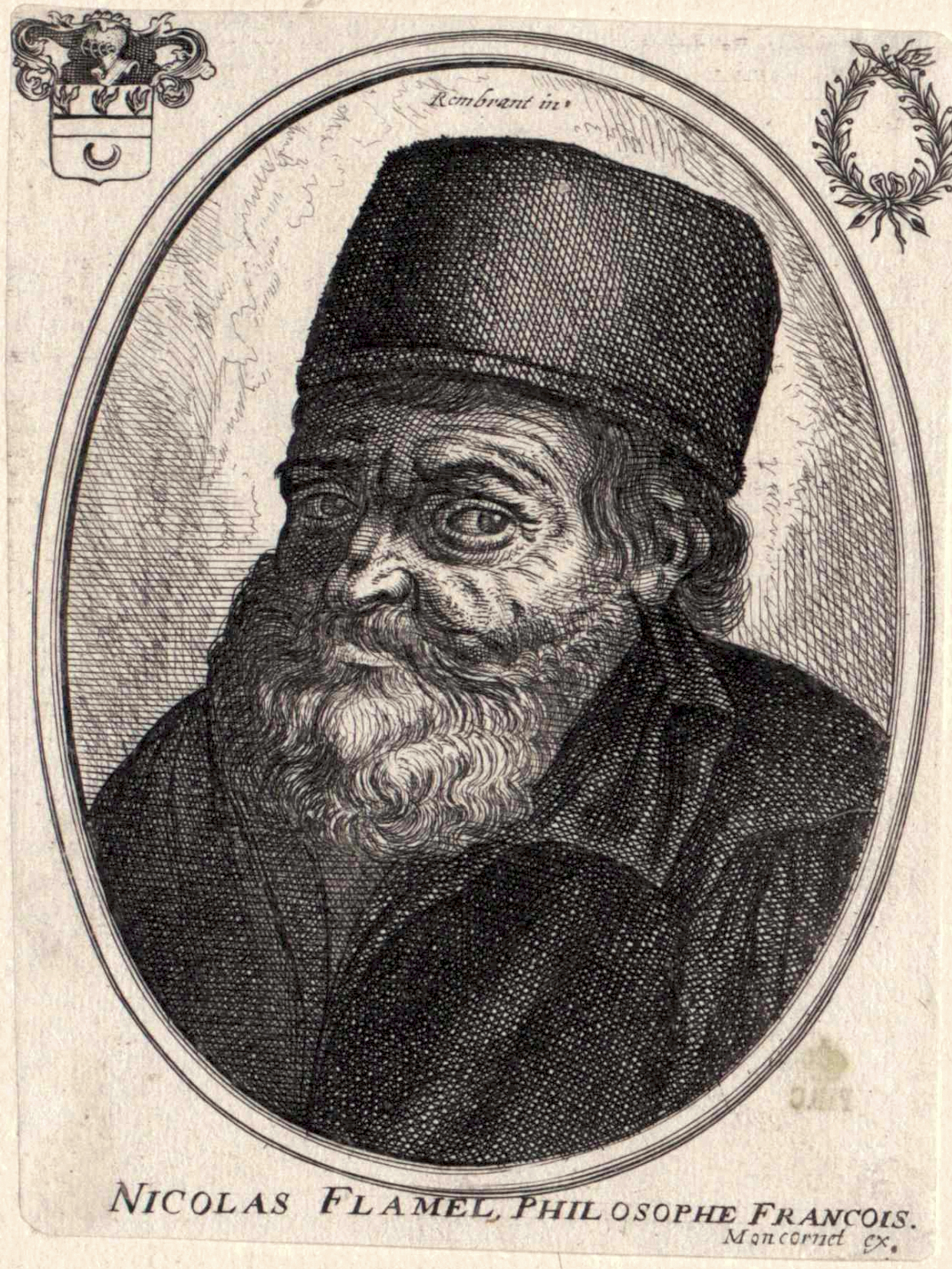 🇫🇷 FranceNicolas Flamel
A medieval scribe turned legendary alchemist and immortal in fictionFigure · Wonder and entertainment Legendary
 🇨🇳 ChinaZhang Guolao張果老
A Taoist immortal known for his white donkey and fish drum, said to be a bat spirit.Figure · Wonder and entertainment · Change and initiation Legendary
 🇨🇳 ChinaHe Xiangu何仙姑
A female immortal from Chinese Taoist legend known for divination and lotus magicFigure · Seeing and foretelling · Healing Legendary
 🇮🇩 IndonesiaRangdaᬭᬗ᭄ᬤ
A Balinese demon queen who leads witches in an eternal battle against good.Being · Cursing and harm · Wonder and entertainment Legendary
 🇨🇳 ChinaNüwa女媧
A Chinese mother goddess who created humanity and repaired the skyFigure · Wonder and entertainment Legendary
🇨🇳 ChinaNian年兽 (Nián shòu)
A mythical creature linked to Chinese New Year customs and the lion danceFigure · Cursing and harm · Wonder and entertainment Legendary
🇬🇧 United KingdomGreen Children of Woolpit
A medieval English legend about two green-skinned siblings who appeared in a Suffolk village.Figure · Wonder and entertainment Legendary
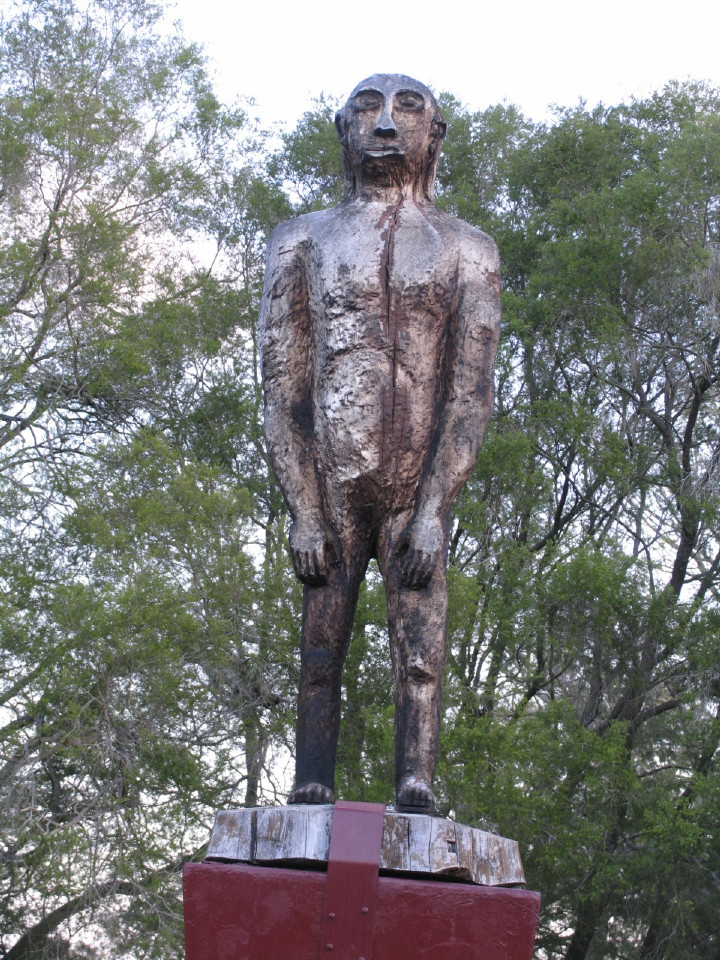 🇦🇺 AustraliaYowie
A hairy, bipedal creature of Australian folklore and cryptozoologyFigure · Wonder and entertainment Legendary
 🇳🇵 Nepal and 1 moreMatsyendranathMacchindranāth, Mīnanātha
A yogi and rain deity revered across Hindu and Buddhist traditions in South Asia.Figure · Power and authority · Wonder and entertainment Living
 🇮🇷 Iran and 2 moreJabir ibn Hayyanجابِر بِن حَيّان
A legendary Islamic alchemist and philosopher whose writings shaped medieval magic and chemistryText · Power and authority · Wonder and entertainment Historical
🇺🇸 United StatesRed Ghost
A legendary red camel with a skeleton rider from Arizona frontier folkloreFigure · Wonder and entertainment Legendary
 🇧🇷 BrazilThe Hairy LegPerna cabeluda
A Brazilian urban legend of a detached leg that attacks people at nightFigure · Cursing and harm · Wonder and entertainment Historical
 🇪🇬 EgyptChimeraΧίμαιρα
A fire-breathing hybrid monster from Greek mythology, composed of lion, goat, and snake parts.Figure · Wonder and entertainment Legendary
 🇺🇸 United States and 1 moreBigfoot
A large, hairy humanoid creature of North American folklore and cryptozoologyFigure · Wonder and entertainment Legendary
 🇮🇹 Italy and 1 moreHippogriffippogrifo
A legendary hybrid creature with the front of an eagle and the back of a horse.Figure · Wonder and entertainment Legendary
 🇮🇪 Ireland and 1 moreFionn mac CumhaillFionn mac Cumaill
A legendary Irish hero and leader of the Fianna warrior bandFigure · Power and authority · Wonder and entertainment Legendary
 🇷🇺 Russia and 1 moreVegetable Lamb of Tartary
A legendary plant-animal from Central Asia said to grow sheep as fruitFigure · Wonder and entertainment Legendary
 🇷🇺 RussiaGolden apple
A mythical fruit that sparks quests, wars, and linguistic confusion across culturesFigure · Cursing and harm · Luck and prosperity Legendary
 🇨🇳 ChinaYeren野人
A Chinese cryptid apeman reported in remote mountains since ancient timesBelief · Wonder and entertainment Legendary
 🇺🇸 United StatesSkunk ape
A large, hairy humanoid cryptid said to live in Florida swamps and forestsFigure · Wonder and entertainment Legendary
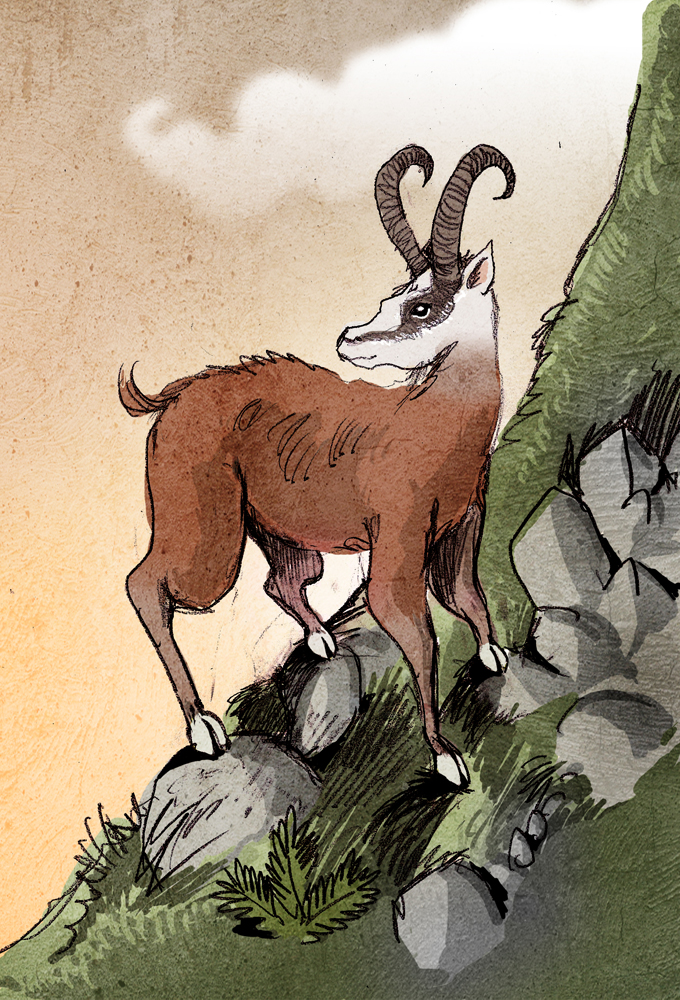 🇫🇷 France and 3 moreDahu
A French mountain legend about an asymmetrical goat used in practical jokesFigure · Wonder and entertainment Legendary
 🇺🇸 United StatesLoveland frog
A legendary humanoid creature sighted in Ohio, often linked to urban folklore and local tourism.Figure · Wonder and entertainment Legendary
 🇯🇵 JapanAosaginohi青鷺火
A Japanese will-o'-the-wisp attributed to the glowing flight of herons at nightBelief · Wonder and entertainment Historical
 🇮🇪 IrelandMerrowmurúch
A sea creature from Irish folklore, known for its magical cap and singing voice.Figure · Wonder and entertainment Legendary
 🇺🇸 United StatesHodag
A fabricated American cryptid from Wisconsin folklore and tall talesFigure · Wonder and entertainment Historical
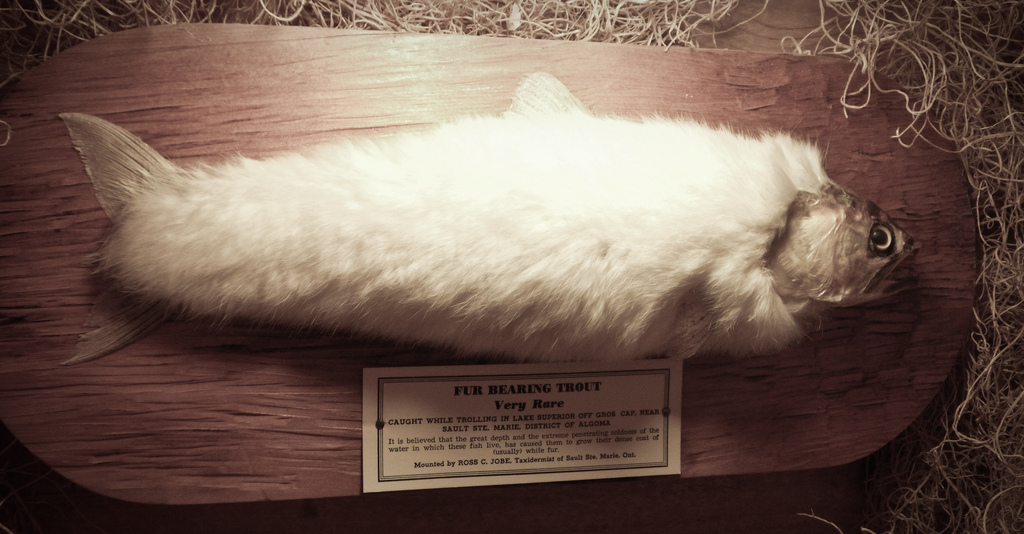 🇮🇸 Iceland and 2 moreFur-bearing troutLoðsilungur
A legendary fish with a coat of fur, found in North American and Icelandic tall tales.Figure · Wonder and entertainment Legendary
 🇺🇸 United States and 1 moreFearsome critters
Tall tale animals from North American logging camps used to jest and explain the wild.Figure · Wonder and entertainment · Luck and prosperity Historical
 🇮🇪 IrelandFour Treasures of the Tuatha Dé DanannCeithre Bhua na Tuath Dé Danann
Four magical items brought to Ireland by the mythological Tuatha Dé DanannFigure · Wonder and entertainment Legendary
 🇨🇳 ChinaKui夔 (kuí)
A one-legged mountain spirit and ancient music master from Chinese mythologyBeing · Power and authority · Wonder and entertainment Legendary
🇮🇹 ItalyLariosauro
A lake monster legend from Lake Como, Italy, born from newspaper hoaxes and misidentified animals.Figure · Wonder and entertainment Legendary
Photo credits on this page
The small pictures above come from Wikimedia Commons under free licences. Some are cropped to fit.
- Hodag: Gourami Watcher, CC BY-SA 3.0, source
- Menehune: D. Howard Hitchcock, Public domain, source
- Edward Kelley: Thomas Pennant, Public domain, source
- Pied Piper of Hamelin: Edmund Evans, Public domain, source
- The Hairy Leg: Diógenes Montenegro, Public domain, source
- Orpheus: Franz Caucig, Public domain, source
- Holy Grail: Photographed by the National Library of Wales, CC0, source
- Skunk ape: MikesMegapixels, CC BY 3.0, source
- Abe no Seimei: Unknown author, Public domain, source
- Michael Scot: Unknown author, Public domain, source
- Nicolas Flamel: Balthasar Moncornet, Public domain, source
- Zhang Guolao: Hong Zicheng, Public domain, source
- Loveland frog: Tim Bertelink, CC BY-SA 4.0, source
- He Xiangu: Zhang Lu, Public domain, source
- Rangda: Boy Lawson, CC BY-SA 3.0, source
- Hugag: Coert Du Bois, Public domain, source
- Dahu: Philippe Semeria, CC BY 3.0, source
- Vegetable Lamb of Tartary: Unknown author, Public domain, source
- Yowie: Seo75, CC BY 2.5, source
- Bigfoot: Roger Patterson and Robert Gimlin, Public domain, source
- Matsyendranath: Unknown author, Public domain, source
- Morgan le Fay: Frederick Sandys, Public domain, source
- Jabir ibn Hayyan: Unknown author, Public domain, source
- Golden apple: Guido Reni, Public domain, source
- Aosaginohi: Koikawa Harumachi ja:恋川春町 (1744-1789), Public domain, source
- Nüwa: 山胖z, CC BY 3.0, source
- Yeren: Rolf Müller, CC BY-SA 3.0, source
- Kui: Dave Pape, Public domain, source
- Fur-bearing trout: Samantha Marx, CC BY 2.0, source
- Chimera: Lampas Group, Public domain, source
- Four Treasures of the Tuatha Dé Danann: spud murphy, CC BY-SA 2.0, source
- Merrow: Andreas F. Borchert, CC BY-SA 4.0, source
- Fionn mac Cumhaill: Ary Scheffer / Formerly attributed to Anne-Louis Girodet, Public domain, source
- King Arthur: William Morris, Public domain, source
- Hippogriff: LadyofHats, CC0, source
- Befana: El Ágora, Public domain, source
- Apollonius of Tyana: Zde, CC BY-SA 4.0, source
- Pietro d'Abano: Marco Chemello (Wikimedia Italia), CC BY-SA 4.0, source
- Hyakki Yagyō: Unknown author, Public domain, source
- Firebird: Philippe Giabbanelli, CC BY 3.0, source