
Skunk ape
named for its reported foul odor, similar to a skunk
A large, hairy humanoid cryptid said to live in Florida swamps and forests
The skunk ape is a mythical creature described as a tall, reddish-brown humanoid that inhabits the southeastern United States. It is widely regarded by scientists as folklore or misidentification rather than a real animal.
- Described as 5 to 7 feet tall with reddish-brown hair
- First attested in 1818 Florida newspapers
- Often called the cousin of Bigfoot
- Named for a reported foul skunk-like odor
- Considered a hoax by mainstream scientists
What it is
The skunk ape is a legendary humanoid creature from American folklore. It is described as a bipedal being standing between five and seven feet tall. The figure is covered in mottled reddish-brown hair. It is often called the cousin of Bigfoot. Most scientists view it as a mix of hoax, misidentified wildlife, and local myth.
Where it comes from
Reports of the creature appear in Florida, Georgia, and Alabama. Early newspaper accounts from 1818 mention a man-sized monkey near Apalachicola. Some cryptozoologists link the legend to Seminole and Miccosukee stories of Esti Capcaki. This name translates to Furry Tall Man or Hairy Giant. Scholars note these indigenous connections are unsubstantiated claims by modern researchers.
Skunk ape, drawn and placed
- Living
- Revived
- Fading
- Historical
- Legendary
- Performed
- Lineage
- American folklore
Peoples and places
The legend is strongest in Florida. Sightings have been recorded in nearly every county. Reports also occur in Georgia and Alabama. The creature has become part of southern popular culture. It appears on roadside signs and in local businesses. It serves as an unofficial mascot for rural wilderness areas.
At a glance: who, where and when
Peoples
What people believe
Witnesses describe a foul smell like a skunk. They report the creature stalking people or raiding food stores. Some claim it attacked vehicles or livestock. Skeptics attribute these accounts to hoaxes or misidentifications of bears with mange. The National Park Service considers the entity a fabrication.
How scholars and sceptics see it
Mainstream science discounts the skunk ape. Researchers cite anecdotal evidence and dubious photographs. Joe Nickell suggests sightings are misidentified wildlife or fabrications. The lack of physical evidence supports the view that no such animal exists. Cryptozoologists continue to investigate but find no proof.
Compare and confuse
The skunk ape is compared to Bigfoot. It is similar to the Honey Island Swamp Monster. The Fouke Monster is another related cryptid. All are large, hairy humanoids from North American folklore.
Today
The skunk ape remains a cultural icon in Florida. Tour operators use the legend to attract visitors. Parks have used the creature's smell for social distancing campaigns. Conferences and trail events celebrate the myth. Sightings are still reported by locals and tourists.
Questions people ask about Skunk ape
What is the skunk ape?
It is a legendary humanoid creature from American folklore. It is said to live in the swamps and forests of the southeastern United States, especially Florida.
Where does the name come from?
The name comes from the creature's reported foul odor. Witnesses say it smells like a skunk. This distinguishes it from other similar legends.
Is the skunk ape real?
Scientists do not believe it is real. They view reports as hoaxes or misidentifications of bears. No physical evidence has ever been found.
Good reading and sources
- BBC News | AmericasBBC, Article
- On the Trail of Florida's Bigfoot—the Skunk ApeSmithsonian Magazine, Article
The facts on this page come from the Wikipedia article "Skunk ape", written by its contributors and used under the CC BY-SA 4.0 licence, and from its Wikidata record (CC0). EveryJaadu rewrote the text in its own words, with AI assistance, and compares every page with the article to make sure no passage is copied. It may be reused under the same CC BY-SA 4.0 licence with a link back.
It may contain mistakes. Names and customs differ from one community to the next, and some knowledge is closed to outsiders and left out here. This page describes belief and practice. It does not say that any of it works, it is not a how-to, and it is not medical advice. If something is wrong, tell us. Last refreshed 2026-10-06.
More from the United States
All the entries from the United States 🇺🇸 United States and 1 moreMarie Laveau
A New Orleans priestess and herbalist who led Louisiana Voodoo in the nineteenth centuryTradition · Healing · Protection Historical
🇺🇸 United States and 1 moreMarie Laveau
A New Orleans priestess and herbalist who led Louisiana Voodoo in the nineteenth centuryTradition · Healing · Protection Historical
 🇺🇸 United StatesCotton Mather
A Puritan minister and writer known for his role in the Salem witch trials and promotion of smallpox inoculationFigure Historical
🇺🇸 United StatesRed Ghost
A legendary red camel with a skeleton rider from Arizona frontier folkloreFigure · Wonder and entertainment Legendary
🇺🇸 United StatesCotton Mather
A Puritan minister and writer known for his role in the Salem witch trials and promotion of smallpox inoculationFigure Historical
🇺🇸 United StatesRed Ghost
A legendary red camel with a skeleton rider from Arizona frontier folkloreFigure · Wonder and entertainment Legendary
 🇺🇸 United States and 1 moreBigfoot
A large, hairy humanoid creature of North American folklore and cryptozoologyFigure · Wonder and entertainment Legendary
🇺🇸 United States and 1 moreBigfoot
A large, hairy humanoid creature of North American folklore and cryptozoologyFigure · Wonder and entertainment Legendary
Related elsewhere
All figure 🇬🇧 United Kingdom and 2 moreKing ArthurBrenin Arthur
A legendary British king and folk hero of medieval literature and Welsh mythologyFigure · Power and authority · Wonder and entertainment Legendary
🇬🇧 United Kingdom and 2 moreKing ArthurBrenin Arthur
A legendary British king and folk hero of medieval literature and Welsh mythologyFigure · Power and authority · Wonder and entertainment Legendary
 🇪🇬 Egypt and 1 moreSphinx
A mythical hybrid with a human head and lion body, serving as guardian or riddler in Egyptian and Greek traditions.Being · Protection · Wonder and entertainment Legendary
🇪🇬 Egypt and 1 moreSphinx
A mythical hybrid with a human head and lion body, serving as guardian or riddler in Egyptian and Greek traditions.Being · Protection · Wonder and entertainment Legendary
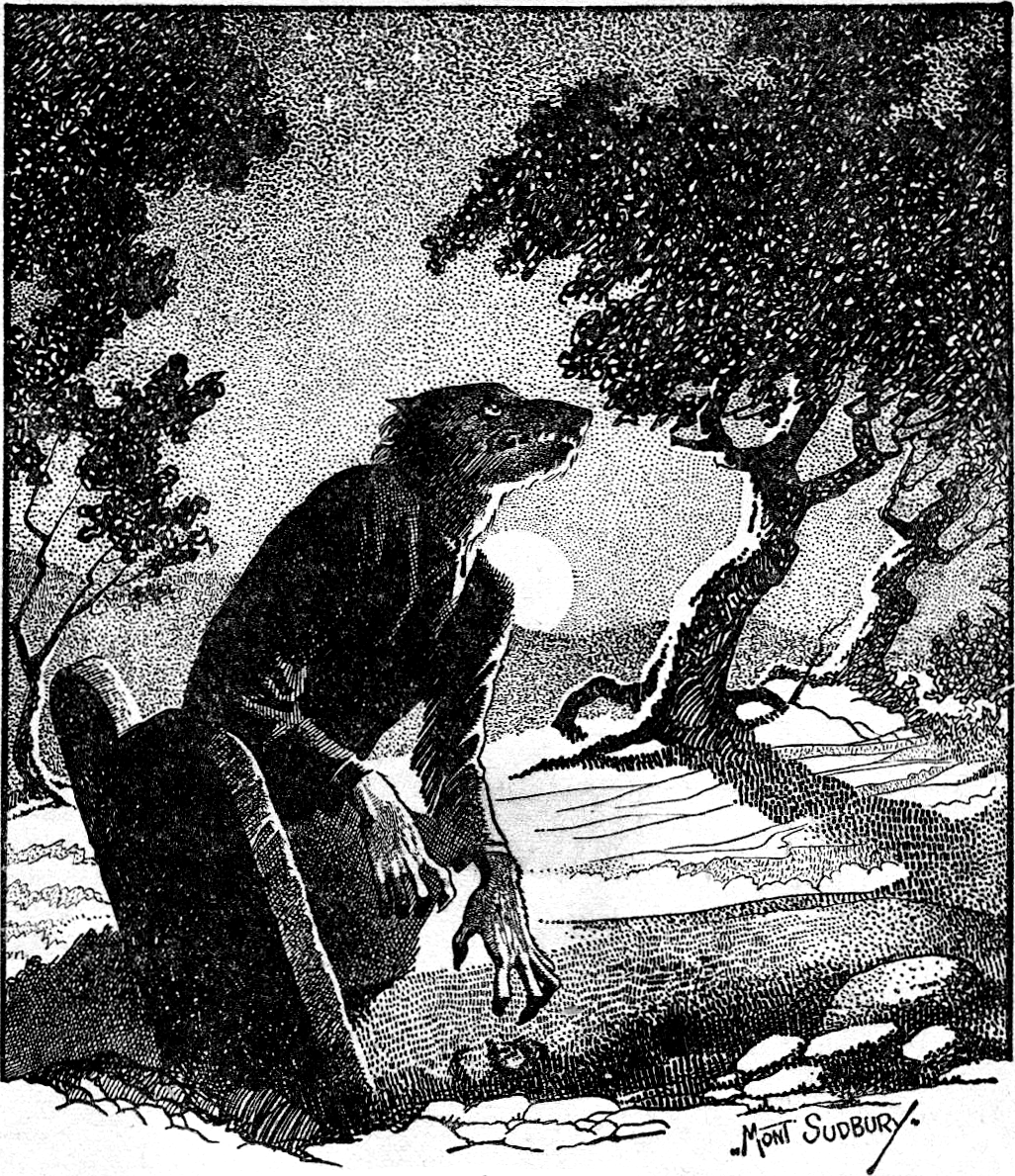 🇫🇷 France and 5 moreWerewolf
A mythical shapeshifter that turns into a wolf, central to European witch-hunts and Gothic horror.Being · Cursing and harm · Wonder and entertainment Legendary
🇫🇷 France and 5 moreWerewolf
A mythical shapeshifter that turns into a wolf, central to European witch-hunts and Gothic horror.Being · Cursing and harm · Wonder and entertainment Legendary
 🇬🇧 United KingdomBeltane Fire Festival
A modern Edinburgh performance celebrating the start of summer with fire and danceRite · Wonder and entertainment · Power and authority Living
🇬🇧 United KingdomBeltane Fire Festival
A modern Edinburgh performance celebrating the start of summer with fire and danceRite · Wonder and entertainment · Power and authority Living