
Orpheus
In its own language: Ὀρφεύς
Likely from a root meaning 'orphan' or 'servant', though one ancient source claims it means 'best voice'
A Thracian bard whose music charms nature and who journeys to the underworld
Orpheus is a legendary musician and prophet from Greek mythology. He is best known for his descent into the underworld to retrieve his wife Eurydice and for founding the Orphic mysteries.
What it is
Orpheus stands as a central figure in classical mythology, celebrated as a Thracian bard, poet, and prophet. His legend centers on an extraordinary musical talent capable of charming wild beasts, trees, and even stones. Ancient sources describe him as a founder of religious mysteries and a composer of sacred texts. While some early writers doubted his existence, most accepted him as a real historical person who lived long before Homer. He is viewed as an archetype of the inspired singer whose art holds power over both the living world and the realm of the dead.
Where it comes from
The earliest literary mention appears in a fragment by the sixth-century BC poet Ibycus. Pindar identifies him as the son of the Thracian king Oeagrus and the Muse Calliope, though other accounts name different mothers or claim Apollo as his father. Ancient tradition places his birth and residence in Pimpleia near Mount Olympus. Some later traditions suggest he studied in Egypt. The name itself has uncertain origins, with scholars proposing links to words for 'orphan' or 'darkness', while a late mythographer interpreted it as 'best voice'.
How it is done
Orpheus is depicted using his lyre to influence the natural world and divine powers. During the voyage of the Argonauts, he played music loud enough to drown out the bewitching songs of the Sirens. In the underworld, his song softened the hearts of Hades and Persephone, allowing him to negotiate for his wife's return. His death came at the hands of maenads, followers of Dionysus, who were angered by his refusal to honor their god after losing Eurydice.
Tools and materials
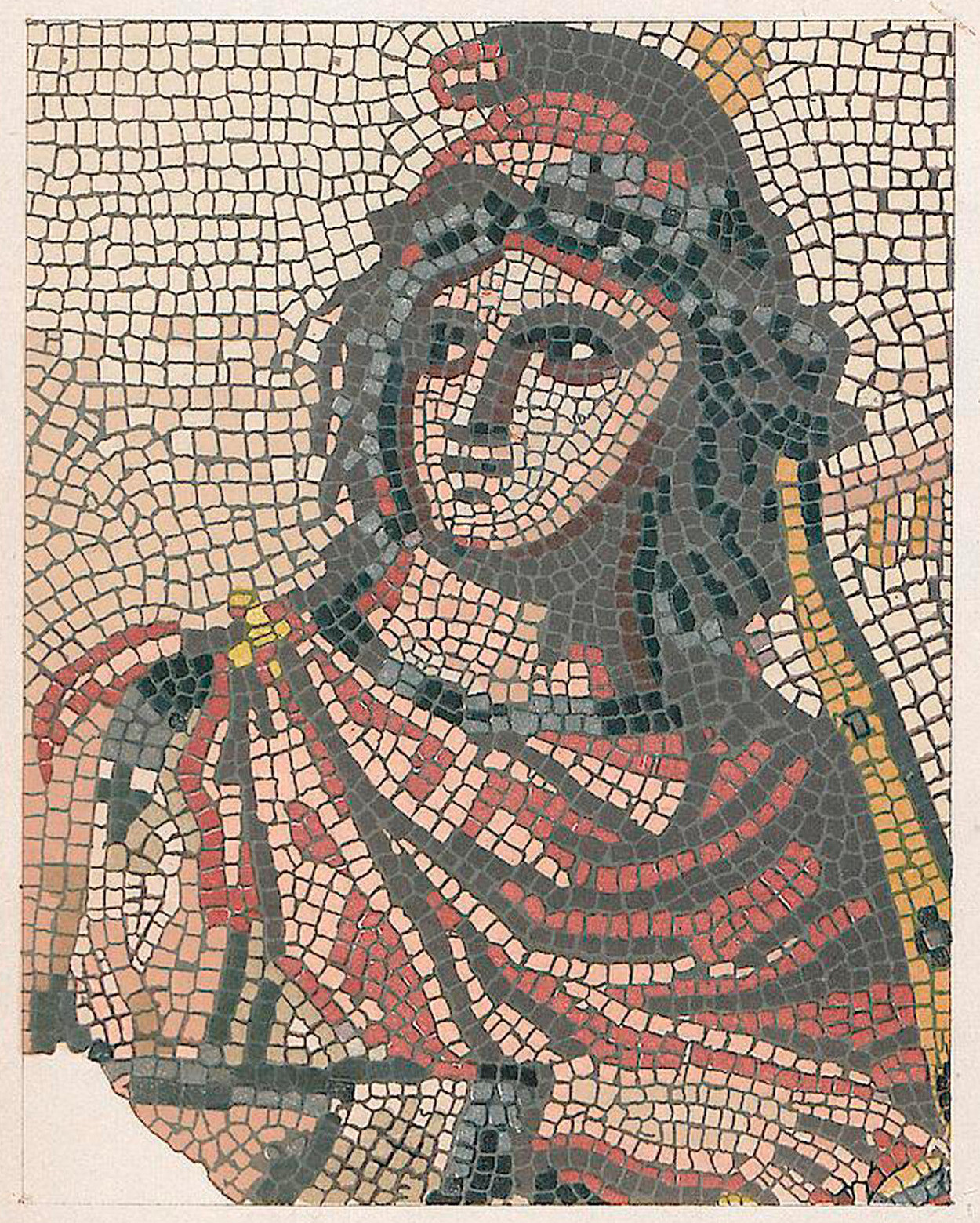
The golden lyre is his primary symbol, often shown in mosaics surrounded by charmed animals. He is also associated with the relics kept in shrines that functioned as oracles. Other items linked to his lore include the Derveni papyrus, which comments on his lost theogonies, and various extant works like the Orphic Hymns and the Lithica.
Orpheus, drawn and placed
- Living
- Revived
- Fading
- Historical
- Legendary
- Performed
- Lineage
- Orphic mysteries
What it is for
His music served to protect the Argonauts from deadly enchantments and to persuade the gods of the underworld. As a religious figure, he prescribed mystery rites and founded cults to Apollo and Dionysus. Followers regarded his shrines as oracle sites where they could seek guidance. His teachings were said to introduce order to savages and provide knowledge of medicine, writing, and agriculture.
Who does it
Orpheus himself is the practitioner, described as a harpist, augur, seer, and magician. Strabo notes he made money as a musician and wizard, a term that carried negative connotations of trickery. Plato portrays him as a teacher of religious initiations. Later tradition credits him with teaching cannibals to eat fruit and making predators obedient through his song.
Peoples and places
The Greeks venerated him as the greatest of poets and musicians. Thracian tradition claims him as one of their own. Different regions attributed specific cults to him, such as the worship of Hecate in Aegina and Demeter Chthonia in Laconia. The story of his journey to recover Eurydice became a staple of Western literature, appearing in works by Virgil, Ovid, and Euripides, cementing his status across the classical world.
At a glance: who, where and when
Belief worlds



What people believe
Ancient belief held that his music possessed genuine magical power over nature and death. Plato offered a critical view, suggesting the gods punished his cowardice by showing him only an apparition of Eurydice rather than her true self. The Orphic mysteries taught abstinence from murder and promised spiritual purification. Shrines containing his relics were treated as sacred oracle sites, indicating deep religious reverence.
When it is done
No specific festivals are detailed in the provided text. His activities are tied to mythic events rather than a calendar: the voyage of the Argonauts, the wedding day of Eurydice when she was bitten by a snake, and his subsequent mourning. His death occurred after the maenads grew tired of his grief-stricken refusal to participate in Dionysian rites.
Questions people ask about Orpheus
Where does Orpheus come from?
As our sources describe it, Orpheus belongs to Greece. Communities differ in what they call it and how they keep it.
What kind of thing is Orpheus?
As our sources describe it, Orpheus belongs with the figure entries in a guide to magic. What it is believed to do depends on who is speaking, and scholars read it differently from those who practise it.
Is Orpheus still practised?
Our sources place Orpheus among the entries that are legendary. Known from myth, story and legend rather than from recorded practice.
Which peoples keep Orpheus?
As our sources describe it, Orpheus is kept by Greeks and Thracians. Others now know it too, often in changed forms.
Good reading and sources
- Orpheus on WikipediaEncyclopedia
- More photos on Wikimedia CommonsPhotos and video
- Wikidata recordOpen data
The facts on this page come from the Wikipedia article "Orpheus", written by its contributors and used under the CC BY-SA 4.0 licence, and from its Wikidata record (CC0). EveryJaadu rewrote the text in its own words, with AI assistance, and compares every page with the article to make sure no passage is copied. It may be reused under the same CC BY-SA 4.0 licence with a link back.
It may contain mistakes. Names and customs differ from one community to the next, and some knowledge is closed to outsiders and left out here. This page describes belief and practice. It does not say that any of it works, it is not a how-to, and it is not medical advice. If something is wrong, tell us. Last refreshed 2026-10-05.
More from Greece
All the entries from Greece 🇷🇸 Serbia and 5 moreVampire
An undead creature from folklore that feeds on the blood or life force of the livingBeing · Cursing and harm · Luck and prosperity Legendary
🇷🇸 Serbia and 5 moreVampire
An undead creature from folklore that feeds on the blood or life force of the livingBeing · Cursing and harm · Luck and prosperity Legendary
 🇮🇹 Italy and 1 morePietro d'Abano
A medieval physician and astrologer accused of heresy and magic.Text · Healing · Wonder and entertainment Historical
🇮🇹 Italy and 1 morePietro d'Abano
A medieval physician and astrologer accused of heresy and magic.Text · Healing · Wonder and entertainment Historical
 🇬🇷 GreeceCassandraΚασσάνδρα
A Trojan priestess cursed to speak truth that no one acceptsFigure · Seeing and foretelling Legendary
🇬🇷 GreeceCassandraΚασσάνδρα
A Trojan priestess cursed to speak truth that no one acceptsFigure · Seeing and foretelling Legendary
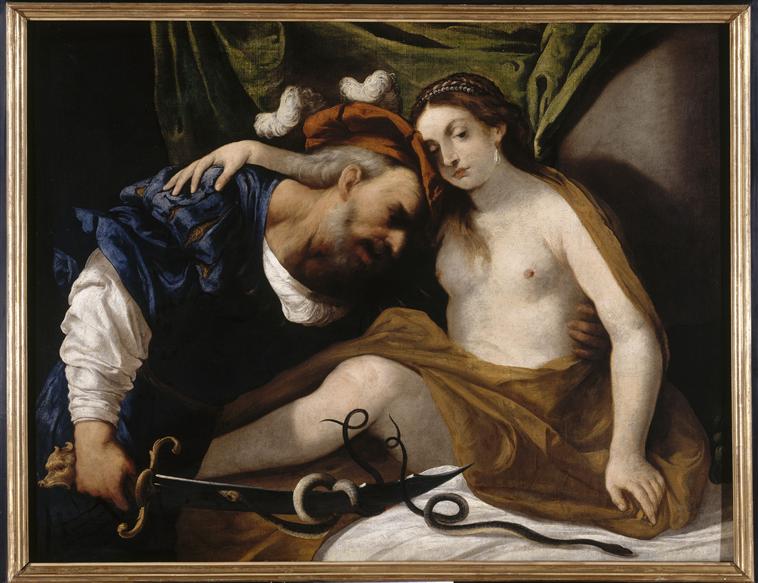 🇬🇷 GreeceTiresiasΤειρεσίας
A blind Greek seer who lived as both man and woman and spoke to the dead.Figure · Seeing and foretelling · Speaking with spirits and the dead Legendary
🇬🇷 GreeceTiresiasΤειρεσίας
A blind Greek seer who lived as both man and woman and spoke to the dead.Figure · Seeing and foretelling · Speaking with spirits and the dead Legendary
Related elsewhere
All figure 🇪🇬 Egypt and 1 moreSphinx
A mythical hybrid with a human head and lion body, serving as guardian or riddler in Egyptian and Greek traditions.Being · Protection · Wonder and entertainment Legendary
🇷🇺 Russia and 3 moreNart sagaНарты кадджытæ
A collection of epic tales from the North Caucasus about a legendary group of heroes.Text · Wonder and entertainment Historical
🇪🇬 EgyptDjedi
A fictional magician from the Westcar Papyrus who resurrects animals and foretells a king's lineage.Figure · Seeing and foretelling · Wonder and entertainment Legendary
🇨🇱 ChileChilean mythology
The myths and legends of Chile, blending indigenous roots with colonial influences.Tradition · Wonder and entertainment Living
🇪🇬 Egypt and 1 moreSphinx
A mythical hybrid with a human head and lion body, serving as guardian or riddler in Egyptian and Greek traditions.Being · Protection · Wonder and entertainment Legendary
🇷🇺 Russia and 3 moreNart sagaНарты кадджытæ
A collection of epic tales from the North Caucasus about a legendary group of heroes.Text · Wonder and entertainment Historical
🇪🇬 EgyptDjedi
A fictional magician from the Westcar Papyrus who resurrects animals and foretells a king's lineage.Figure · Seeing and foretelling · Wonder and entertainment Legendary
🇨🇱 ChileChilean mythology
The myths and legends of Chile, blending indigenous roots with colonial influences.Tradition · Wonder and entertainment Living