
Nüwa
In its own language: 女媧
from 'nü' meaning female and 'wa', which may mean lovely or spiral
A Chinese mother goddess who created humanity and repaired the sky
Nüwa is a central figure in Chinese mythology, revered as a creator deity and culture hero. She is believed to have molded humans from clay and patched the heavens after a cosmic disaster.
- Molded humans from yellow clay and brown mud
- Patched the sky with five colored stones
- Used tortoise legs to support the heavens
- Depicted with intertwined serpent tails
- Revered alongside Guanyin and Mazu
What it is
Nüwa stands as a primary mother goddess within the framework of Chinese mythology. She functions as both a culture hero and a member of the legendary Three Sovereigns. Devotees across various traditions view her as a divine progenitor responsible for the existence of human life. Her role extends beyond creation to include the maintenance of cosmic order. She is widely recognized alongside other major deities such as Guanyin and Mazu in contemporary cultural reverence.
Where it comes from
Early literary references place Nüwa in ancient texts like the Songs of Chu. The Huainanzi details her intervention during a time when celestial pillars broke and floods ravaged the earth. Scholars note that her name appears in dictionaries describing her relationship with Fuxi. Some accounts suggest she was his sister, while others describe her as his wife. These variations highlight the evolving nature of her mythic lineage over centuries.
How it is done
Myths describe her shaping humans by hand using yellow clay for nobles and brown mud for commoners. When tired, she dragged a cord through the mud to create ordinary people rapidly. In another major narrative, she smelted five colored stones to patch holes in the collapsing sky. She also used the legs of a giant tortoise to serve as new pillars supporting the heavens.
Tools and materials
The primary material associated with her creative act is yellow earth or clay. For repairing the cosmos, she utilized five colored stones representing elemental forces. A giant tortoise provided structural support for the sky. Iconography often depicts her holding a compass, symbolizing the dome of the sky and her role in ordering the universe.
Nüwa, drawn and placed
- Living
- Revived
- Fading
- Historical
- Legendary
- Performed
- Lineage
- Chinese mythology
What it is for
She is invoked as the originator of humanity and the restorer of cosmic balance. Believers see her as a protector who ended chaos caused by divine battles. Her actions ensured the survival of blameless people against predatory creatures and flooding waters. She represents the establishment of social order and the mandate of heaven.
Who does it
No specific priesthood exists solely for her worship today. She is venerated within broader Chinese folk religion, Taoism, Buddhism, and Confucian contexts. Artists and scholars study her iconography in tomb murals. She is often depicted with intertwined serpent tails beside Fuxi, reflecting ancient artistic traditions rather than active ritual performance.
Peoples and places
The figure is central to Chinese cultural identity and mythology. Stories vary by region and historical period, appearing in Han dynasty murals and Ming dynasty novels. Different texts emphasize different aspects of her character, from gentle creator to angry deity punishing kings. This diversity reflects the widespread influence of her myths across Chinese history.
At a glance: who, where and when
Peoples
Belief worlds


What people believe
Her mythology integrates concepts of yin and yang, often paired with Fuxi. The five colored stones link her to the five elements philosophy. Some interpretations view her as an embodiment of the stars or sky itself. The narrative of creating humans from different materials explains social hierarchies in ancient thought. Her serpent form connects her to aquatic and spiral symbolism.
When it is done
Specific festivals dedicated exclusively to Nüwa are not detailed in the provided sources. However, her imagery appears in seasonal and funerary contexts, such as tomb bricks depicting sun and moon symbols. Cultural reverence persists year-round without a single prescribed calendar date mentioned in the text.
How scholars and sceptics see it
Researchers analyze her evolution from a serpent deity to a human-like goddess. Linguists debate whether her name implies 'lovely' or 'frog'. Historians trace her depiction in Warring States texts to Han dynasty art. Anthropologists note how her stories explain natural disasters and social structures. The philosophical question of who created her is also examined in early literature.
Cautions and what is closed
In some Ming dynasty narratives, she sends spirits to punish corrupt rulers, leading to dynastic changes. These stories portray her as capable of wrath when disrespected. Her myths serve as moral lessons about respect for the divine and the consequences of hubris.
Compare and confuse
She is often paired with Fuxi, sharing similar serpent traits and roles. Unlike Pangu, who separates heaven and earth, Nüwa repairs and populates it. Her sky-patching role differs from other flood myths where gods simply destroy or save humanity. She shares the title of creator with other culture heroes but remains distinct in her method of molding humans.
Questions people ask about Nüwa
Who is Nüwa?
Nüwa is a mother goddess in Chinese mythology credited with creating humanity and repairing the collapsed sky. She is a central figure in Chinese folk religion and Taoism.
How did Nüwa create humans?
According to legend, she shaped nobles from yellow clay and commoners from brown mud. When tired, she dragged a cord through mud to create ordinary people quickly.
What did Nüwa do to fix the world?
After a battle broke the pillars of heaven, she smelted five colored stones to patch the sky and used a tortoise's legs to prop up the four corners of the world.
Is Nüwa related to Fuxi?
Yes, texts describe Fuxi as her brother, husband, or consort. They are often depicted together with intertwined snake bodies in ancient art and literature.
Good reading and sources
- Nüwa on WikipediaEncyclopedia
- More photos on Wikimedia CommonsPhotos and video
- Wikidata recordOpen data
The facts on this page come from the Wikipedia article "Nüwa", written by its contributors and used under the CC BY-SA 4.0 licence, and from its Wikidata record (CC0). EveryJaadu rewrote the text in its own words, with AI assistance, and compares every page with the article to make sure no passage is copied. It may be reused under the same CC BY-SA 4.0 licence with a link back.
It may contain mistakes. Names and customs differ from one community to the next, and some knowledge is closed to outsiders and left out here. This page describes belief and practice. It does not say that any of it works, it is not a how-to, and it is not medical advice. If something is wrong, tell us. Last refreshed 2026-10-05.
More from China
All the entries from China 🇨🇳 China and 2 moreJiang Ziya姜子牙
A historical strategist and war god who helped establish the Zhou dynastyFigure · Power and authority · Cursing and harm Historical
🇨🇳 China and 2 moreJiang Ziya姜子牙
A historical strategist and war god who helped establish the Zhou dynastyFigure · Power and authority · Cursing and harm Historical
 🇯🇵 Japan and 2 moreTamamo-no-Mae玉藻前
A nine-tailed fox spirit from Japanese legend who possessed emperors and concubines across Asia.Figure · Cursing and harm · Power and authority Legendary
🇯🇵 Japan and 2 moreTamamo-no-Mae玉藻前
A nine-tailed fox spirit from Japanese legend who possessed emperors and concubines across Asia.Figure · Cursing and harm · Power and authority Legendary
 🇨🇳 ChinaZhang Guolao张果老
A Taoist immortal known for his white donkey and fish drum, said to be a bat spirit.Figure · Protection · Luck and prosperity Legendary
🇨🇳 ChinaZhang Jue張角
A Taoist leader who used healing magic to spark a major rebellion in ancient China.Figure · Healing · Power and authority Historical
🇨🇳 ChinaZhang Guolao张果老
A Taoist immortal known for his white donkey and fish drum, said to be a bat spirit.Figure · Protection · Luck and prosperity Legendary
🇨🇳 ChinaZhang Jue張角
A Taoist leader who used healing magic to spark a major rebellion in ancient China.Figure · Healing · Power and authority Historical
Related elsewhere
All figure 🇬🇧 United Kingdom and 2 moreKing ArthurBrenin Arthur
A legendary British king and folk hero of medieval literature and Welsh mythologyFigure · Power and authority · Wonder and entertainment Legendary
🇬🇧 United Kingdom and 2 moreKing ArthurBrenin Arthur
A legendary British king and folk hero of medieval literature and Welsh mythologyFigure · Power and authority · Wonder and entertainment Legendary
 🇪🇬 Egypt and 1 moreSphinx
A mythical hybrid with a human head and lion body, serving as guardian or riddler in Egyptian and Greek traditions.Being · Protection · Wonder and entertainment Legendary
🇪🇬 Egypt and 1 moreSphinx
A mythical hybrid with a human head and lion body, serving as guardian or riddler in Egyptian and Greek traditions.Being · Protection · Wonder and entertainment Legendary
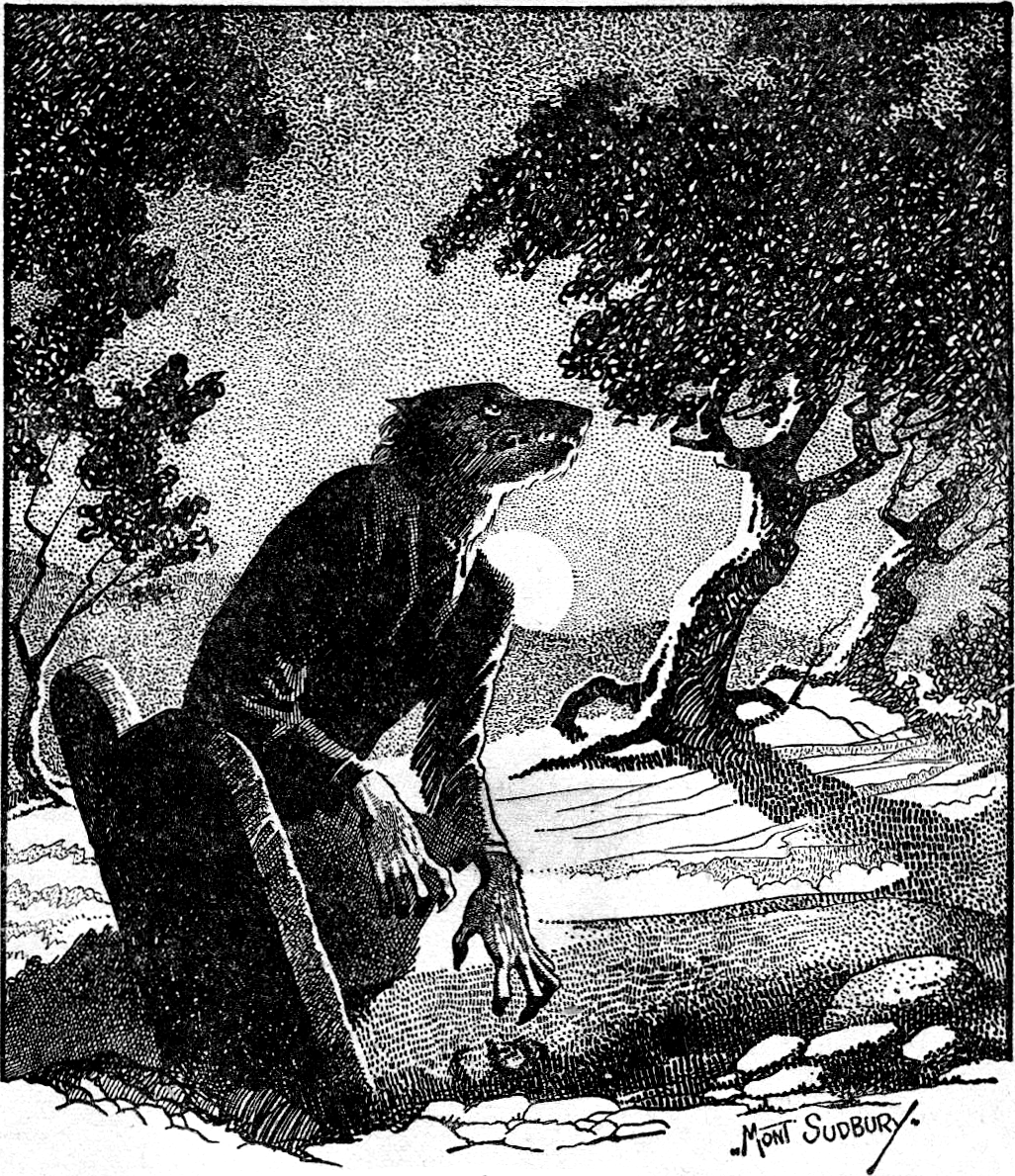 🇫🇷 France and 5 moreWerewolf
A mythical shapeshifter that turns into a wolf, central to European witch-hunts and Gothic horror.Being · Cursing and harm · Wonder and entertainment Legendary
🇫🇷 France and 5 moreWerewolf
A mythical shapeshifter that turns into a wolf, central to European witch-hunts and Gothic horror.Being · Cursing and harm · Wonder and entertainment Legendary
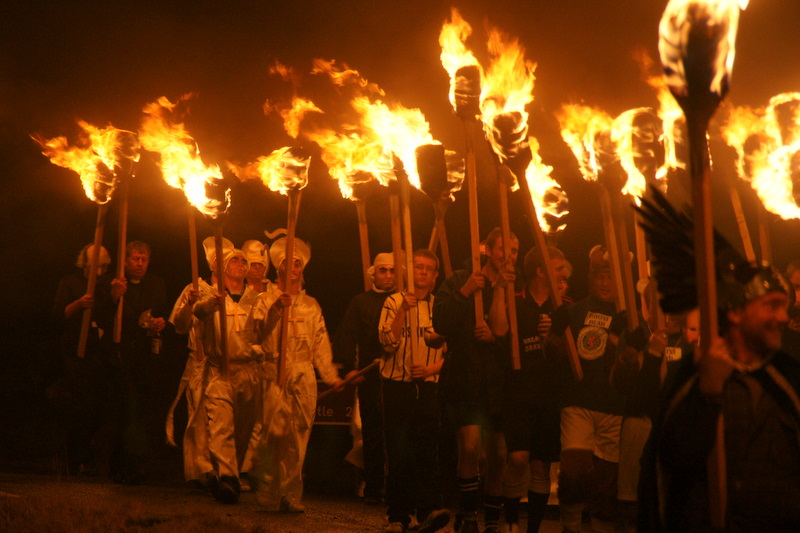 🇬🇧 United KingdomUp Helly Aa
A Shetland fire festival marking the end of Yule with a torchlit procession and burning of a Viking galleyRite · Wonder and entertainment Living
🇬🇧 United KingdomUp Helly Aa
A Shetland fire festival marking the end of Yule with a torchlit procession and burning of a Viking galleyRite · Wonder and entertainment Living