Wonder and entertainment
Illusion, sleight of hand and the pleasure of being fooled.
Wonder and entertainment is the aim of the stage magician: to astonish an audience who knows it is being fooled. Conjuring, illusion, mentalism and street magic belong here, from the cups and balls of ancient Rome to Robert-Houdin, Houdini, Harry Kellar, P. C. Sorcar of India, Siegfried and Roy, and David Copperfield. This page covers the art, its history and its ethics, and does not reveal how any trick is done.
The art of the honest lie
A magician promises a trick and delivers astonishment. The pleasure comes from the gap between what is seen and what is known. Performers speak of misdirection, timing, patter and showmanship. Magicians also keep an informal rule not to expose methods, so that audiences can keep the pleasure and the craft keeps its livelihood. This is the most open part of the subject, in which no one is asked to believe.
Where it is performed
Magic has always had a street and a stage. In India, P. C. Sorcar Sr. (1913 to 1971) toured the world and became a national name. In China and Japan, conjuring was part of variety theatre and a distinct craft. In the Arab world and the Ottoman empire, performers worked in coffee houses and fairs. In the West, the music hall, the television special and the Las Vegas show carried the art into mass entertainment.
Who is welcome
For much of its history, the profession was dominated by men, with women as assistants, though performers such as Adelaide Herrmann broke the pattern. Racial stereotypes shaped acts: Western performers played Chinese or Indian magicians in costume, and Chung Ling Soo's disguise was a famous case. Today, magicians from many countries and women performers are widely visible. Magicians from Egypt, Lebanon, Iran and Nigeria now work on global stages and in festivals, and a few have become well known beyond their borders.
Entertainers against fraud
Houdini and James Randi spent years exposing mediums and faith healers who claimed real powers, arguing that honest conjurers protect the public. Scholars of the mind use magic to study attention, memory and belief. The boundary matters: claiming genuine supernatural power for a trick and charging for it is fraud, not entertainment. As the code puts it, the trick can be admired and enjoyed without the secret being known, and children and adults alike keep that pleasure.
Wonder and entertainment on EveryJaadu
The entries written up so far, best known first.
 🇪🇬 Egypt and 1 moreSphinx
A mythical hybrid with a human head and lion body, serving as guardian or riddler in Egyptian and Greek traditions.Being · Protection · Wonder and entertainment Legendary
🇪🇬 Egypt and 1 moreSphinx
A mythical hybrid with a human head and lion body, serving as guardian or riddler in Egyptian and Greek traditions.Being · Protection · Wonder and entertainment Legendary
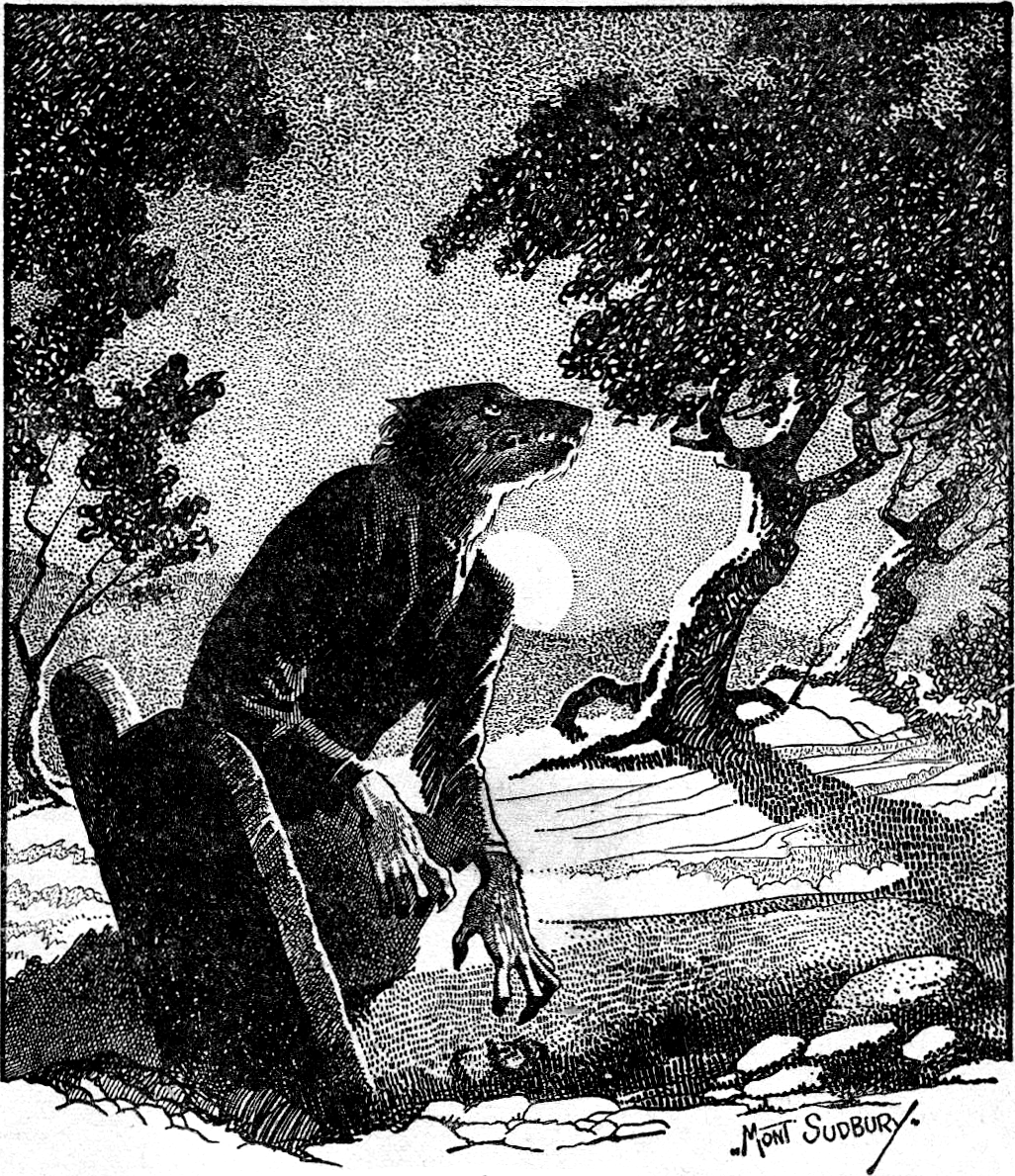 🇫🇷 France and 5 moreWerewolf
A mythical shapeshifter that turns into a wolf, central to European witch-hunts and Gothic horror.Being · Cursing and harm · Wonder and entertainment Legendary
🇫🇷 France and 5 moreWerewolf
A mythical shapeshifter that turns into a wolf, central to European witch-hunts and Gothic horror.Being · Cursing and harm · Wonder and entertainment Legendary
Photo credits on this page
The small pictures above come from Wikimedia Commons under free licences. Some are cropped to fit.
- Werewolf: Mont Sudbury, Public domain, source
- Sphinx: Ipipipourax, CC BY-SA 3.0, source